


Nordic Furniture
Nordic antique furniture brings restrained elegance and practical utility into a room, offering timeless forms shaped by northern traditions.
Nordic Furniture
When searching for nordic antique furniture, buyers encounter robust storage pieces, seating, and tables originating from northern Europe. The selection spans the nineteenth century through the early decades of the twentieth century, capturing distinct regional tastes.
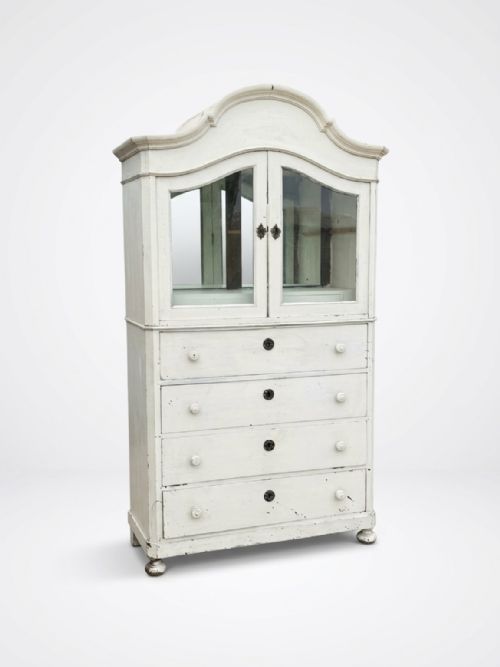
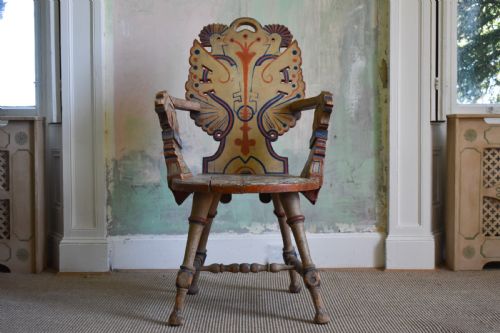
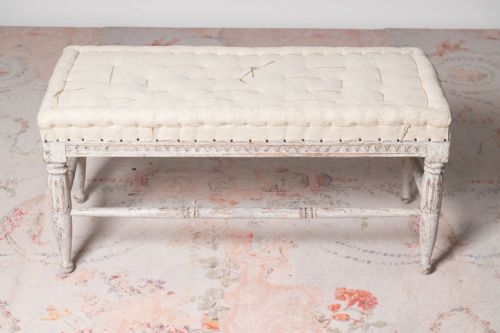
Painted pine chests, cupboards, and tables dominate the selection, often finished in pale tones or original scraped paint. These domestic objects reflect practical rural life as well as more formal urban aesthetics.
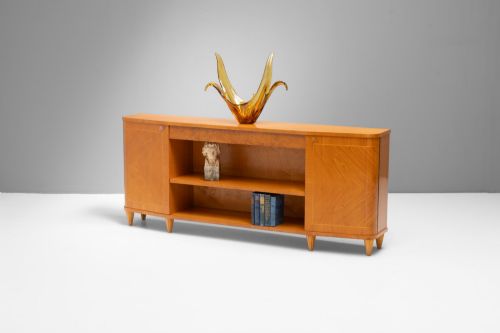
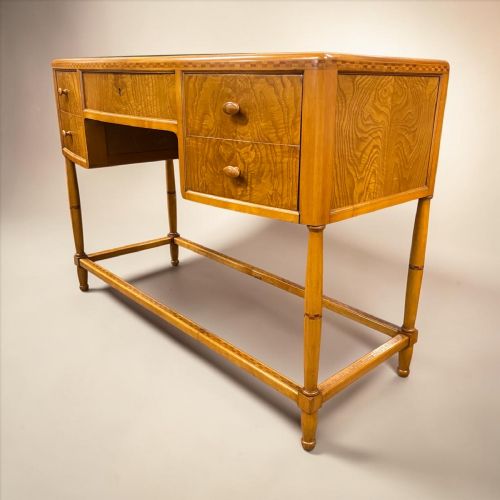
Alongside rustic country pieces, the inventory includes refined examples of Scandinavian design such as birch chests of drawers, console tables, and enfilades. These items demonstrate how northern makers adapted continental styles to local materials.
Materials and Construction
Pine, birch, and elm form the structural core of these pieces, selected for their availability and workability by northern cabinetmakers. Elm and burr birch appear in decorative veneers and tabletops, adding subtle grain patterns to surfaces.
Painted finishes play a primary role, utilising lead-based and oil paints that age to chalky patinas over decades of use. Iron hardware, brass fittings, and glass elements complete the construction of cabinets, commodes, and tables.
Pine, elm, birch, and painted wood are the primary materials utilised across tables, chests, and armchairs.
Evaluating Quality
Quality rests upon the survival of original surface treatments, particularly where early scraped paint or layered pigments remain intact. Pieces retaining their honest, untouched patinas command greater interest than those stripped or repainted in later periods.
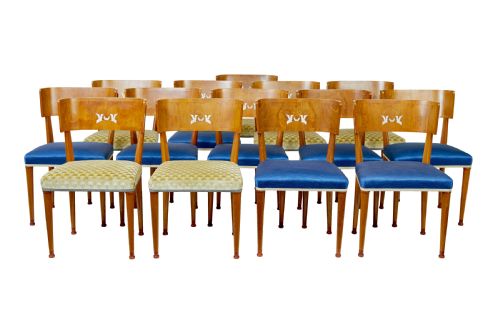
Construction methods and timber selection also divide the range, from simple pegged joints in rustic pine benches to finely figured burr birch veneers on formal art deco or empire revival consoles. Proportion and restraint separate standard utility items from masterwork commissions.
The Nordic Furniture Glossary
- Gustavian
- The Swedish neoclassical style developed during the reign of Gustav III, characterised by pale painted finishes and restrained classical motifs. It draws heavy inspiration from French louis designs translated through a northern sensibility.
- Enfilade
- A suite of formally aligned cabinets or sideboards designed to stand along a continuous wall. These large storage pieces frequently feature painted wood surfaces and classical proportions.
- Commode
- A low chest of drawers or cabinet raised on legs, common in eighteenth and nineteenth-century interiors. These storage units often feature decorative painted finishes or polished hardwood veneers.
- Demi-lune
- A half-moon shaped furniture form, frequently applied to console tables designed to stand flat against a wall. Pairs of these tables often serve as side supports or extend into larger dining configurations.
- Bonnet top
- A raised, curved architectural pediment surmounting the top of a cabinet or tallboy. This architectural flourish adds height and formal presence to storage furniture.
Nordic Furniture: Frequently Asked Questions
What defines nordic antique furniture?
Nordic antique furniture encompasses domestic pieces from Sweden, Norway, and Denmark created during the nineteenth and early twentieth centuries. These items range from painted pine country cupboards to refined birch art deco console tables.
The style prioritises functional utility, pale colour palettes, and clean lines. Local timbers such as pine, elm, and birch dominate construction across all object types.
How do I identify painted finishes?
Original painted surfaces show subtle wear, craquelure, and multiple underlying layers accumulated over generations of domestic use. Scraped paint techniques reveal historical colour schemes beneath top layers.
Modern repaint jobs usually present an unnaturally uniform texture and lack the soft patina associated with aged oil or milk paints.
Where were these pieces made?
Most items originate from Swedish rural workshops, provincial towns, and urban cabinetmakers working in major design centres. Regional carpentry traditions heavily influenced the construction methods and decorative motifs.
Rural makers relied on abundant local pine and birch, while city workshops produced formal empire revival and art deco pieces for affluent homes.
How do I care for antique pine?
Keep wooden furniture away from direct heat sources and dramatic humidity fluctuations to prevent splitting or warping. Dust regularly with a soft, dry cloth rather than applying modern chemical polishes.
Preserve original wax or painted finishes by maintaining stable room temperatures and avoiding abrasive cleaning agents.