






Nomadic Yurt Hanging
These nomadic yurt hanging pieces are woven and embroidered textiles from Central Asia that bring rich tribal texture and history directly into modern interiors.
Nomadic Yurt Hanging
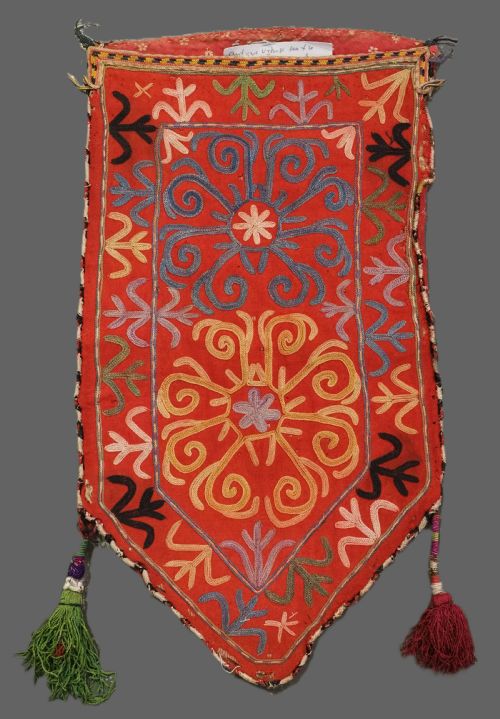
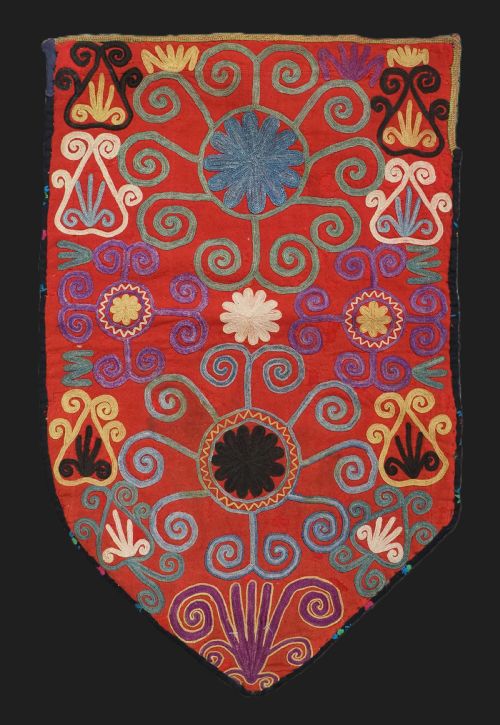
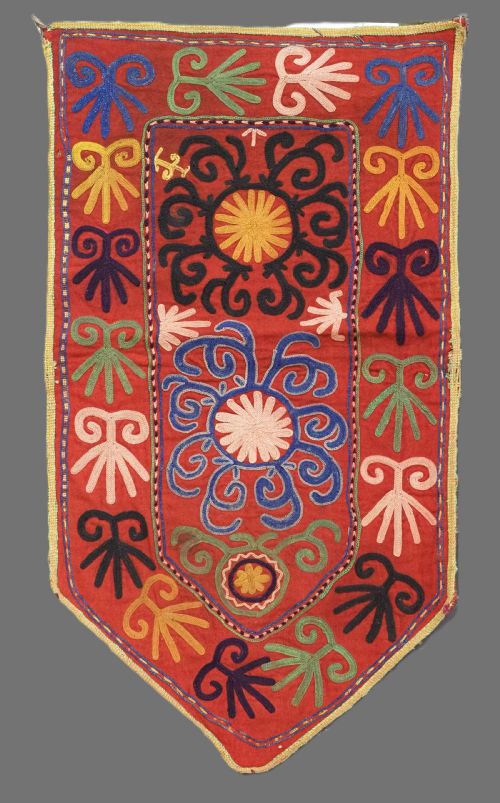
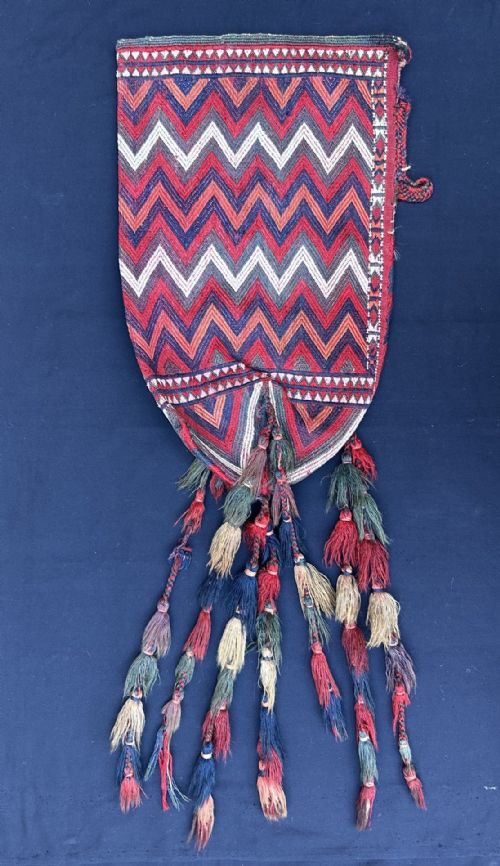
A nomadic yurt hanging encompasses traditional Central Asian tribal textiles, wall hangings, and functional tent furnishings originating from communities across the region.
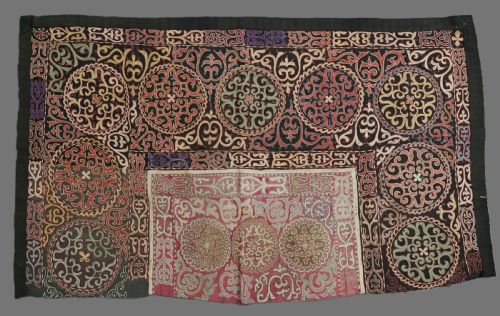
The selections available here span diverse tribal groups such as the Uzbek Lakai, Turkmen Yomut and Ersari, and Kyrgyz makers from the nineteenth and early twentieth centuries.
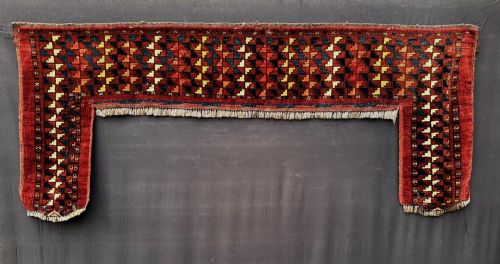
Common forms on this page include the uut kap ilgich, uk bash tent-pole bags, gapylyk door covers, torba bags, and long tent bands known as tegerich.
Assessing Quality and Execution
Quality rests upon the fineness of the needlework, the complexity of the tribal motifs, and the preservation of the original natural dyes.
Complete forms with intact silk highlights, horsehair tassels, and structural integrity stand apart from fragmented or heavily worn textiles.
Listings feature wool, cotton, silk, and felted wool, alongside glass beads and natural dyes across nineteenth and early twentieth century items.
The Nomadic Yurt Hanging Glossary
- Uut kap ilgich
- An Uzbek hanging bag traditionally used inside a yurt for storage and display. These items often feature vibrant embroidery on wool grounds.
- Uk bash
- A Central Asian tent-pole bag or cover created by Yomut and other Turkmen tribes. They were designed to protect the ends of the yurt framework.
- Gapylyk
- A decorative tent door hanging used by Turkmen groups to adorn the entrance of the dwelling. These are distinguished by their specific architectural placement.
- Tegerich
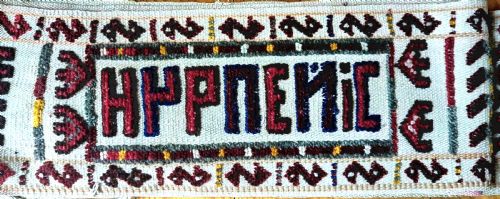
- A piled tent band produced by Kyrgyz and other nomadic weavers. Long strips such as these secured the structural lattice of the yurt.
- Torba
- A small storage bag produced by Turkmen tribes with an embroidered face. They were hung inside the tent for domestic utility.
Nomadic Yurt Hanging: Frequently Asked Questions
What is a yurt hanging?
A yurt hanging is a textile item made by nomadic tribes in Central Asia to decorate, organise, and insulate their traditional circular dwellings.
These pieces include wall hangings, storage bags, door covers, and structural bands created by groups like the Uzbeks, Turkmen, and Kyrgyz.
How were these textiles used?
Nomadic families utilised these woven and embroidered pieces for daily domestic storage, framing tent openings, and lining the interior walls of portable tents.
Items functioned both as practical containers for household goods and as decorative displays showcasing tribal identity and craftsmanship.
How do I hang a textile?
Textiles of this age require careful mounting methods that distribute the weight evenly across the entire upper edge without damaging the fabric.
Using a custom sleeve or a padded backing board allows the piece to rest securely against a wall while protecting the historic fibres.
How can I tell tribes apart?
Tribal attributions are determined by distinct design motifs, colour palettes, embroidery techniques, and specific object forms unique to each regional group.
For instance, Lakai pieces often show specific Uzbek needlework styles, whereas Yomut and Ersari works carry characteristic Turkmen geometric patterns.