

Nomadic Wool Trapping
When you search for a nomadic wool trapping, you step into the textile traditions of Central Asian and Persian tribal weavers who created utilitarian art for animal transport and daily camp life.
Nomadic Wool Trapping
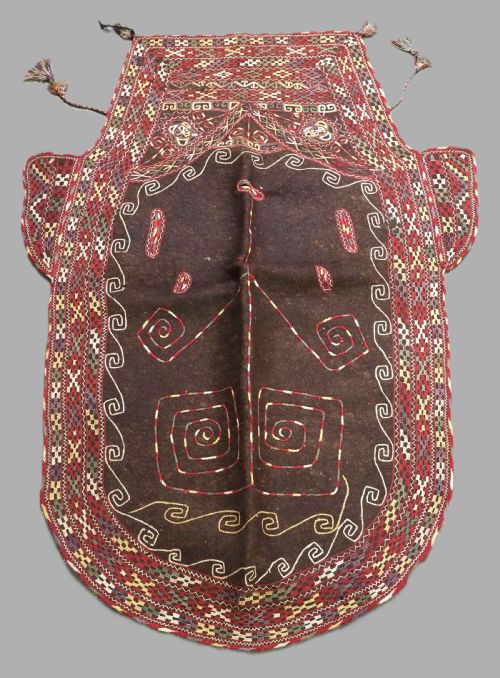
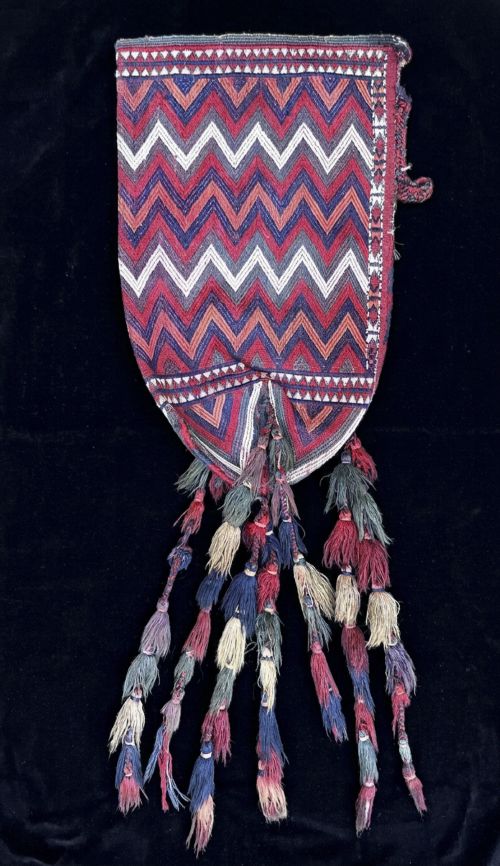
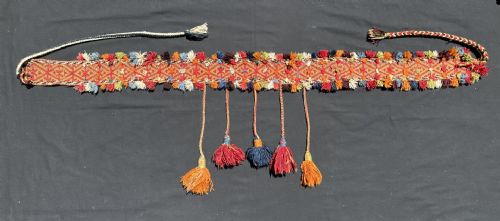
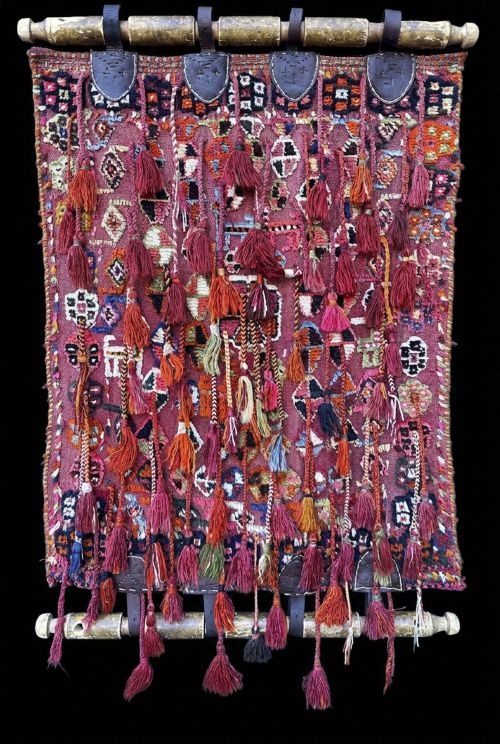
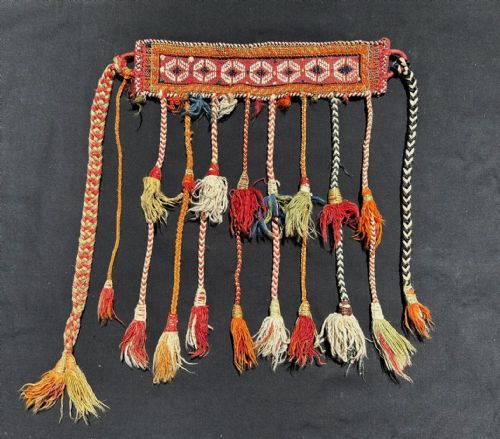
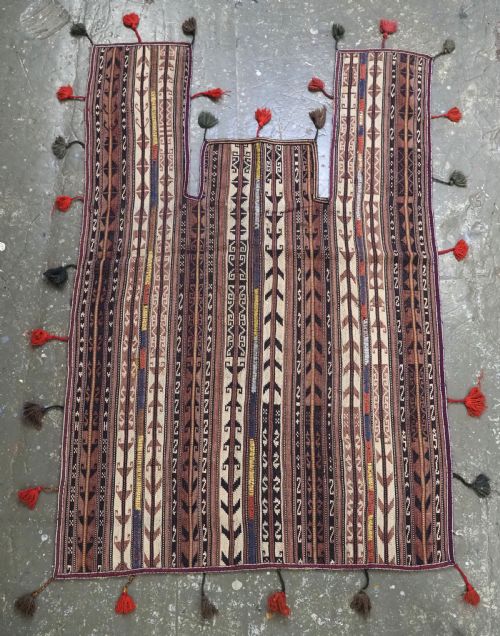
A nomadic wool trapping encompasses specialised items such as horse blankets, camel neck dress garments, storage bags, and torbas produced across Persia, Afghanistan, and Turkmenistan. These textiles served practical functions within tribal encampments and ceremonial wedding processions during the nineteenth and early twentieth centuries.
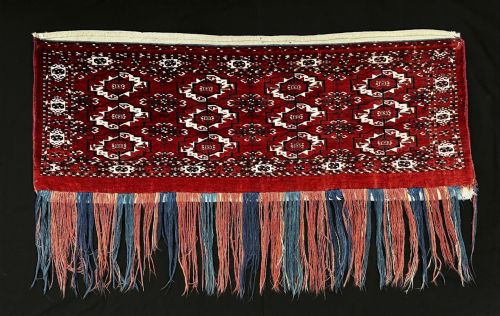
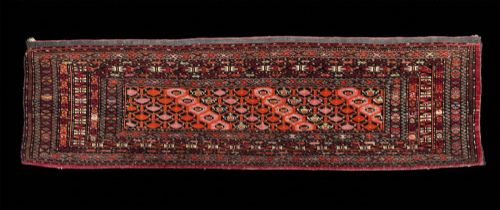
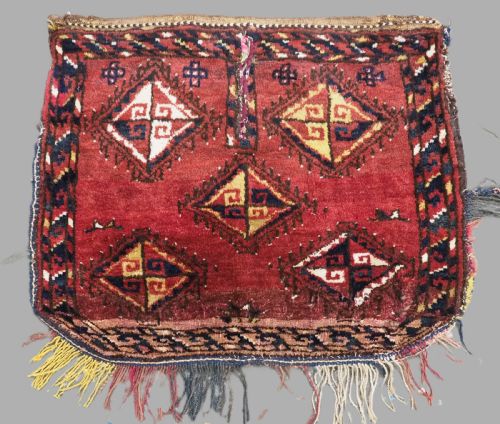
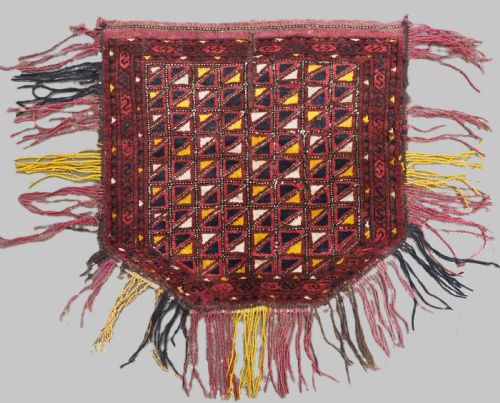
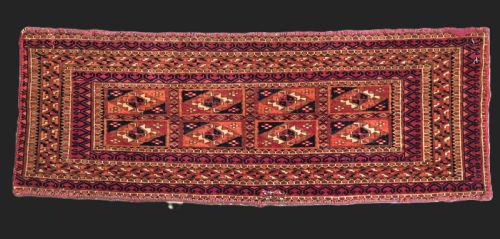
The most common examples encountered on this page are torba faces and horse covers originating from Turkmen, Qashqai, and Ersari tribal groups. Each piece reflects specific regional motifs, from primary guls to geometric field patterns woven for tribal dowries or livestock decoration.
Judging quality in tribal trappings
Quality rests upon the density of the weave, the clarity and saturation of the natural dyes, and the integrity of the original tribal motifs. Pieces executed for dowries or ceremonial use typically display superior handling of materials and meticulous precision in complex secondary ornaments.
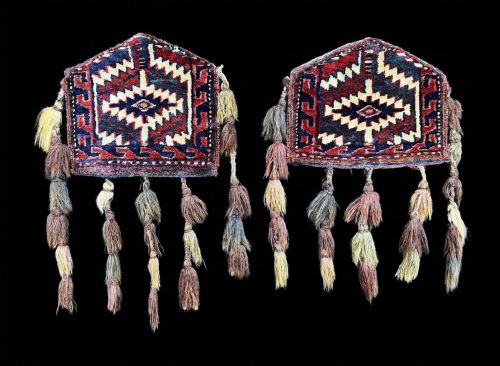
The survival of original elements like complete backs, tassels, and structural fringes elevates an example above standard utility items. Furthermore, inventive tribal variations within traditional guls or pictorial layouts distinguish master weaver outputs from standard regional production.
Nomadic Wool Trapping Retail Price Guide 2026
Typical asking prices for nomadic wool trapping among the pieces listed under this phrase on Sellingantiques today, from the lower quarter to the upper quarter. They describe what is for sale here now, not the wider market.
The listings span seven distinct decades of tribal production, reaching from eighteen-fifty up through nineteen-twenty.
The Nomadic Wool Trapping Glossary
- Gul
- A primary medallion or repeating octagonal motif used extensively in Turkmen carpet and trapping design. These patterns often identify the specific tribe or sub-group responsible for the weaving.
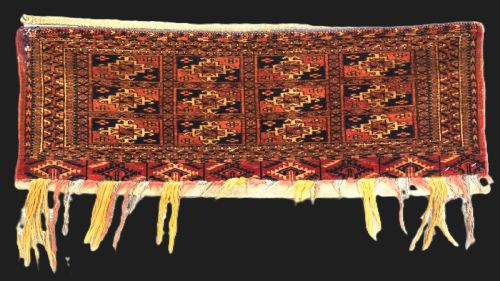
- Torba
- A small horizontal storage bag traditionally hung inside a nomad tent for household belongings. They frequently double as dowry pieces displaying intricate tribal iconography.
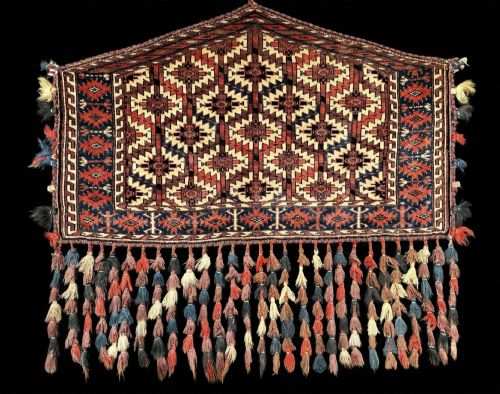
- Asmalyk
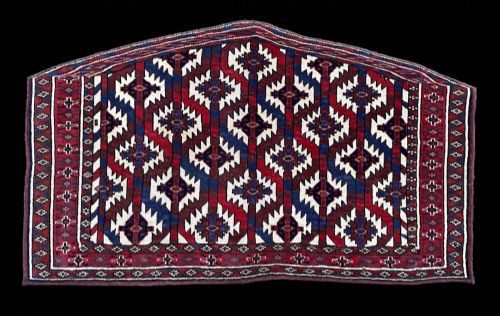
- A large, five-sided ceremonial trapping hung on the flanks of a bride's camel during wedding processions. These are among the most ambitious and sought-after nomadic textile forms.
- Chuval
- A large tent storage bag used by nomadic families for bulk possessions. Their wide formats allow for extended repetitions of major tribal guls.
- Jollar
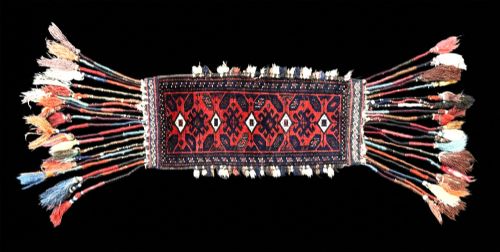
- A long, narrow trapping used as a bedding bag or tent frieze in Turkmen households. They combine utility formats with sophisticated field arrangements.
Nomadic Wool Trapping: Frequently Asked Questions
How were these trappings used?
Tribal families used these textiles to decorate horses and camels during festive processions, particularly weddings and seasonal migrations. Other forms functioned as storage bags, saddle covers, and horse blankets within the daily routine of the camp.
Because they were integral to nomadic life, many show signs of genuine utilitarian purpose alongside careful ceremonial decoration. Their design often denoted the status and identity of the weaving family within the tribe.
How do I identify different tribes?
Tribal attribution relies on specific structural formats, colour palettes, and primary medallion designs known as guls. Yomut, Tekke, Saryk, Ersari, and Qashqai weavers each employed distinct visual vocabularies and knotting techniques.
Examining the secondary borders and wool characteristics helps narrow down the origin from the Caspian steppes to southwest Persia. Comparing known tribal markers allows collectors to distinguish between neighbouring groups sharing similar regional styles.
How should I display a textile?
Mounting a textile flat against a wall distributes its weight evenly and protects the wool structure from distortion. Using a non-damaging sleeve or conservation-grade attachment method ensures the piece remains secure without piercing the fabric.
Keeping the textile away from direct sunlight preserves the natural dyes used by nineteenth-century weavers. Gentle rotation and occasional inspection help maintain the condition of wool, cotton, and silk elements over time.