





Nomadic Wool Kilim
When you search for nomadic wool kilim, you enter a world of woven flatweaves created by tribal groups across Persia, Anatolia, and Central Asia.
Nomadic Wool Kilim
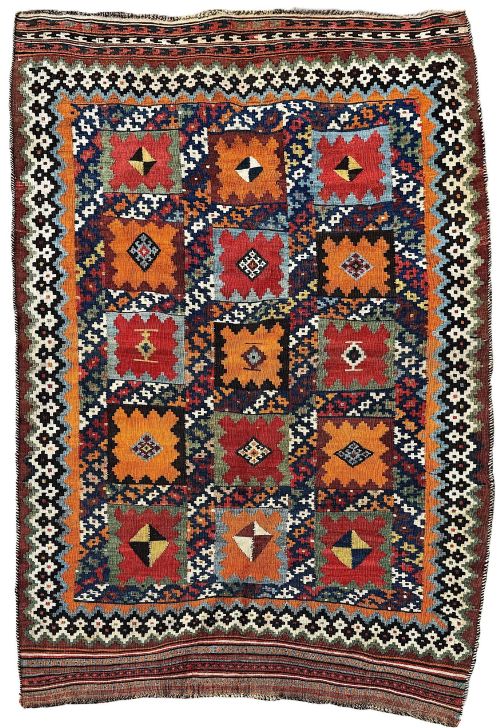
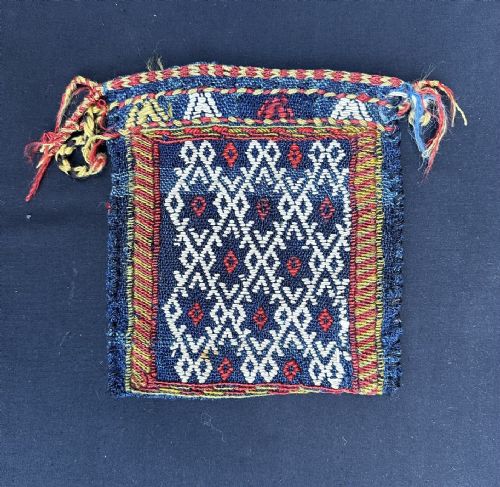
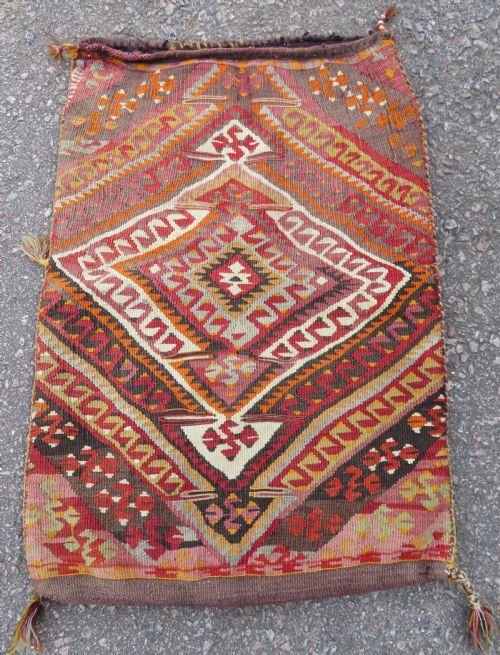
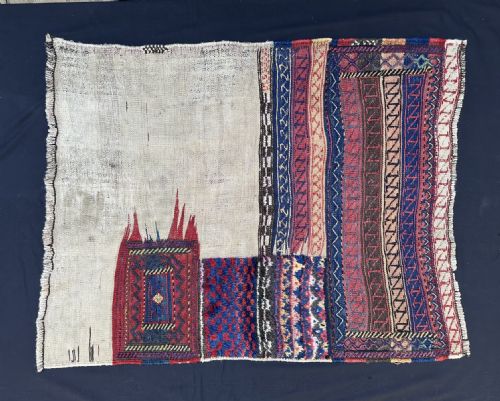
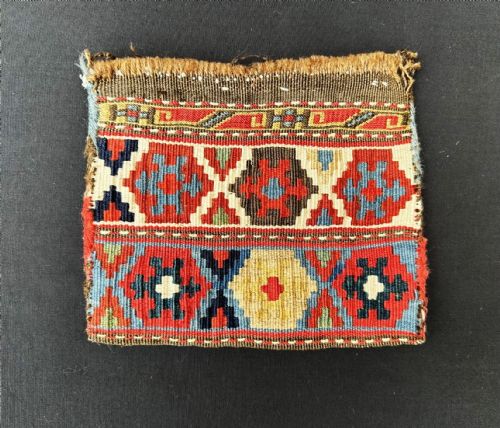
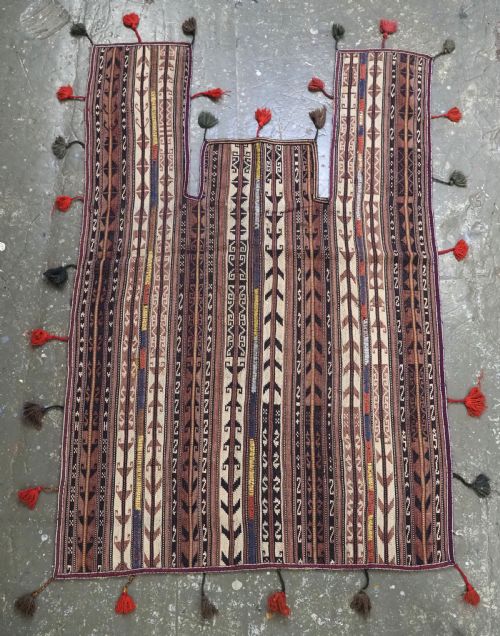
A nomadic wool kilim encompasses flatwoven textiles produced by pastoral and tribal groups, serving functional roles in daily life. Buyers encounter items ranging from utilitarian grain sacks and bread sofreh dining cloths to horse blankets and storage bags.
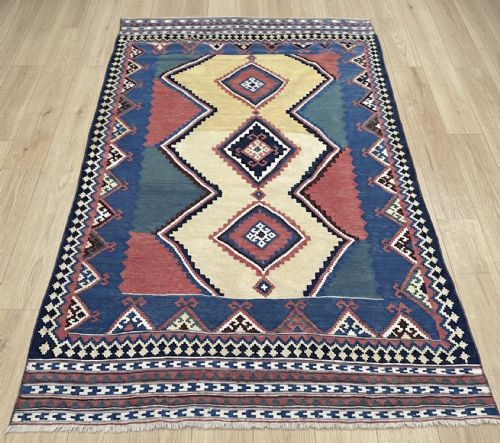
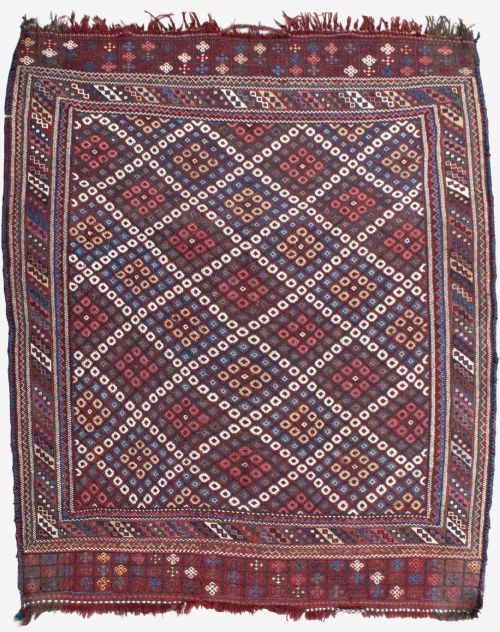
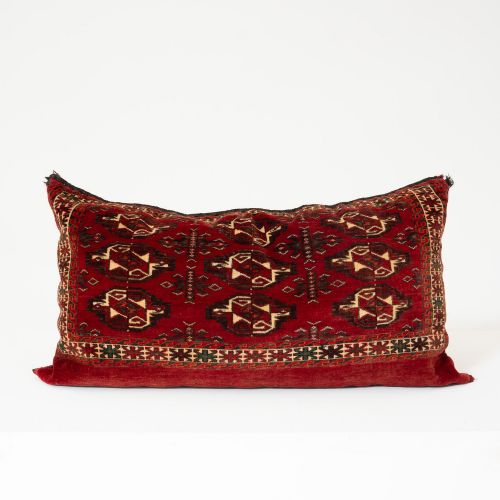
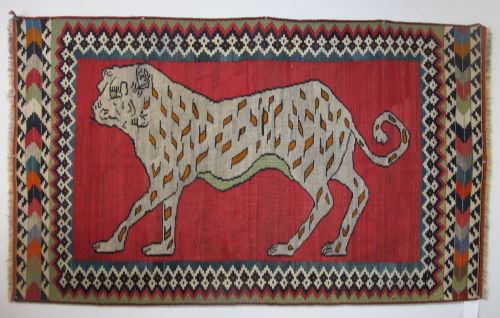
The selection reflects tribal output primarily from the late nineteenth and early twentieth centuries. Pieces originate from diverse groups including the Qashqa'i, Afshar, Bakhtiari, Baluch, and Yomut Turkmen.
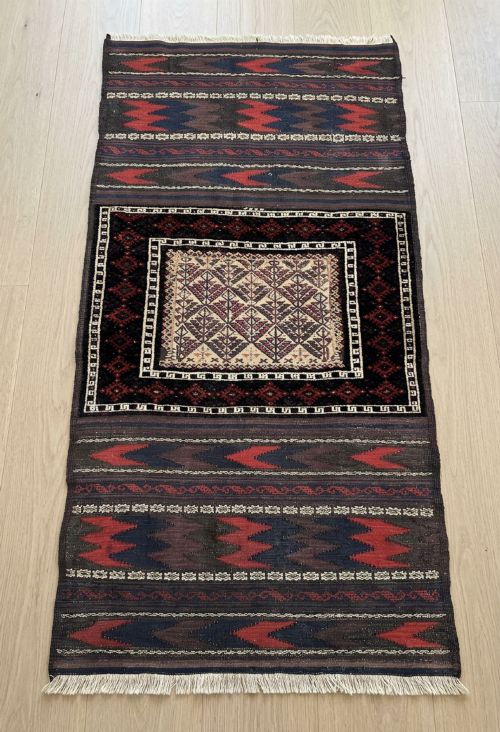
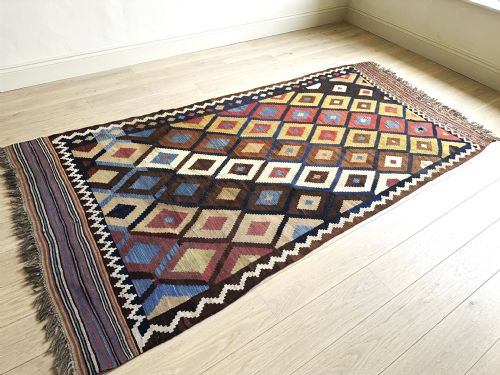
Forms vary from large carpets and runners to smaller bag faces, cushions, and panels. Each piece carries the distinct geometric vocabulary of its maker's region and heritage.
Materials and construction methods
Weavers utilise wool, hand-spun wool, cotton, and occasionally goat hair for structure and pile. Natural dyes provide the palette, yielding rich tones across various flatweave techniques.
Many items incorporate supplementary weft-work or banded designs, structured in single panels or joined strips. Details such as cowrie shells sometimes adorn utilitarian containers and bags.
Nomadic Wool Kilim Retail Price Guide 2026
Typical asking prices for nomadic wool kilim among the pieces listed under this phrase on Sellingantiques today, from the lower quarter to the upper quarter. They describe what is for sale here now, not the wider market.
Some utilitarian grain sacks and storage bags still retain their original cowrie shell adornments, added to ward off the evil eye.
Evaluating quality in tribal flatweaves
Quality rests upon the fineness of the weave, the handling of the wool, and the depth of the natural dyes. Tighter structures and disciplined geometric execution distinguish finer utilitarian items.
The sophistication of the tribal design layout and the integrity of surviving borders or original backs determine desirability. Pieces retaining their structural purpose display exceptional technical skill.
The Nomadic Wool Kilim Glossary
- Kilim
- A flatwoven carpet or textile produced without a pile. These pieces rely on tightly packed horizontal weft threads pulled across vertical warp threads to create patterns.
- Sofreh
- A spread or cloth used for dining, kneading bread, or serving food. These textiles often feature specific regional geometric arrangements.
- Mafrash
- A large storage bag or side panel used in nomadic camps for bedding and belongings. They frequently employ banded flatweave designs.
- Torba
- A small storage bag produced by Turkmen and other tribal groups. These items were traditionally hung inside a tent for possessions.
- Tacheh
- A specific type of grain or baggage sack woven by nomadic groups. They combine utility with distinct tribal motifs.
Nomadic Wool Kilim: Frequently Asked Questions
What is a nomadic wool kilim?
A nomadic wool kilim is a flatwoven textile made by tribal weavers for practical use in camps and settlements. These pieces include floor coverings, bags, and dining cloths.
Unlike pile carpets, kilims are woven by interlocking weft threads over warps, resulting in a lighter, flat structure decorated with tribal geometric patterns.
How were sofreh cloths used?
Sofreh cloths served as clean surfaces placed on the ground for eating meals or preparing bread dough. Families gathered around these textiles for daily communal dining.
Because of this functional purpose, they often feature durable weaves and practical dimensions suited to domestic life.
How do I care for an antique kilim?
Antique flatweaves require gentle treatment, starting with regular light vacuuming without a rotating brush bar. Professional textile cleaning is recommended when necessary.
Keeping pieces out of direct sunlight helps protect natural dyes from fading over time.
How can I tell different tribal designs apart?
Tribal designs depend on the specific group and region of origin, such as the palette of the Afshar or the geometry of the Qashqa'i. Each confederacy utilised distinct motifs, colour combinations, and weaving structures.
Studying the specific border arrangements and structural bands helps identify the Maker or tribe.