



Nomadic Weaving Carpet
When you search for a nomadic weaving carpet, you enter a world of tribal artistry created by pastoral groups across Persia, the Caucasus, and Central Asia.
Nomadic Weaving Carpet
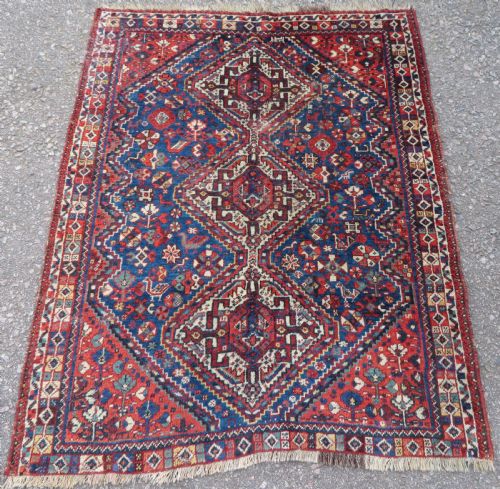
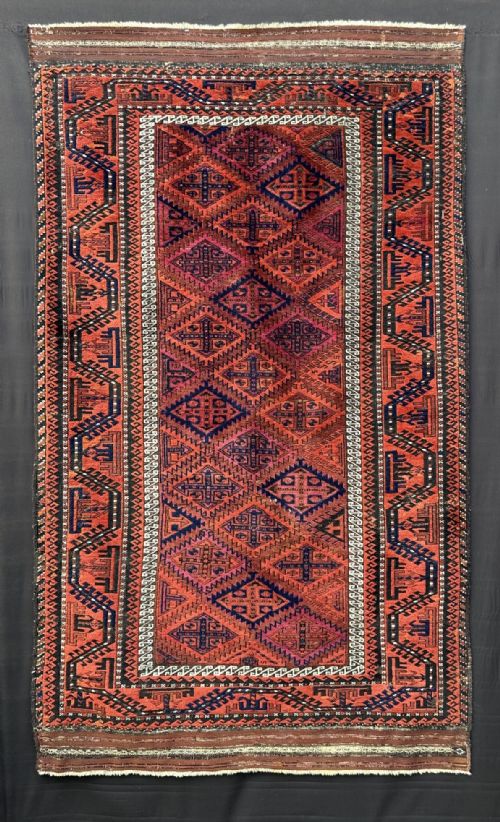
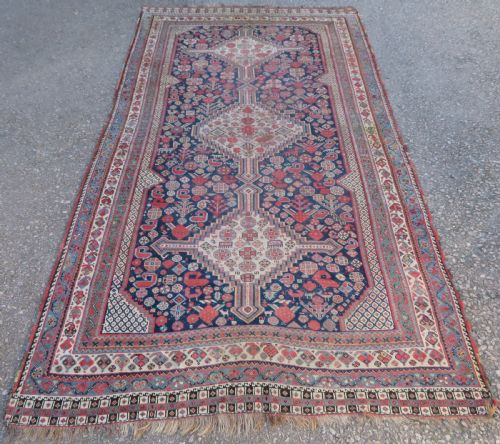
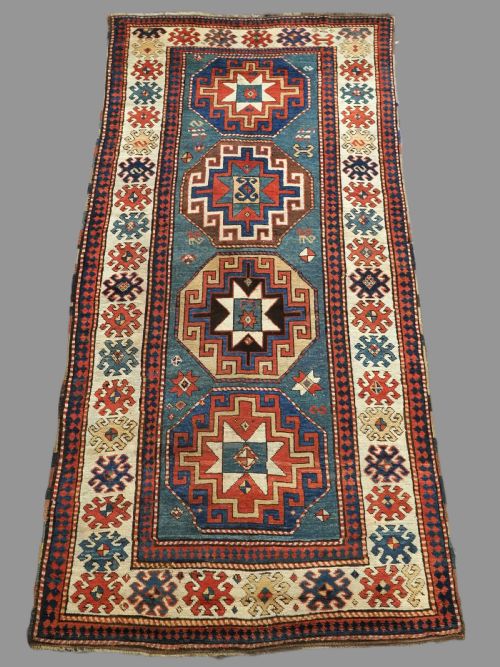
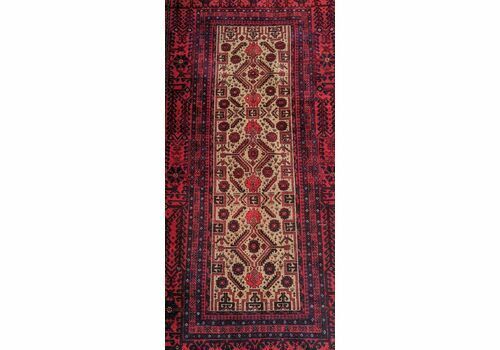
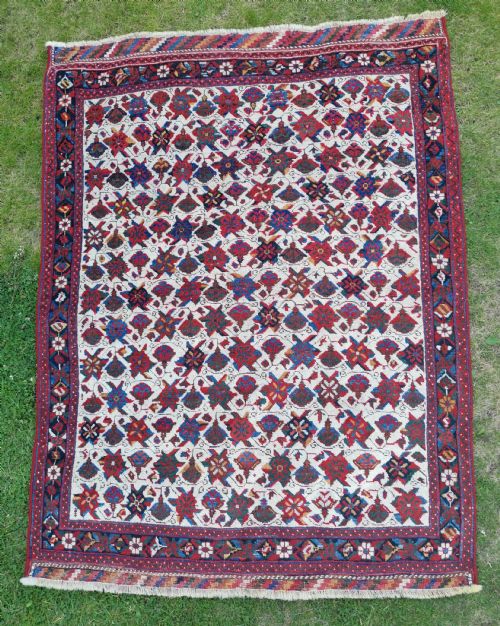
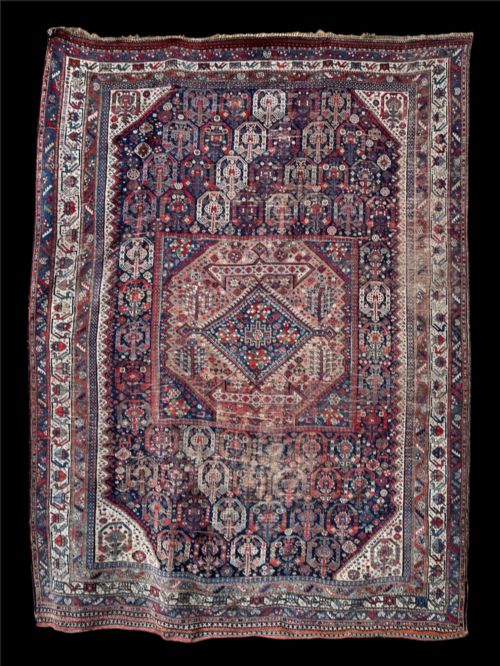
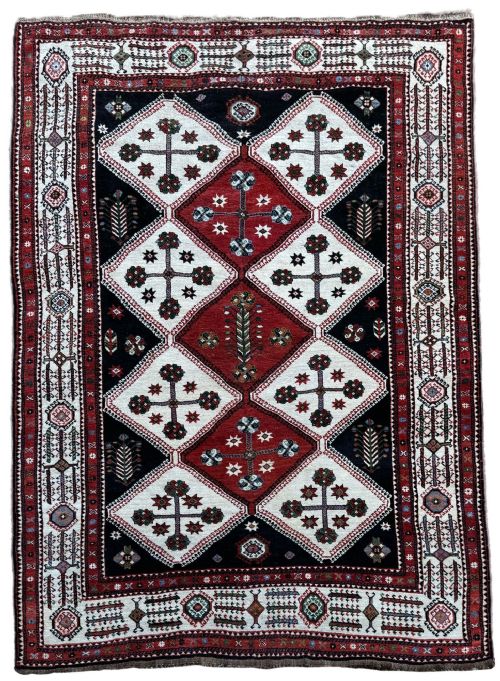
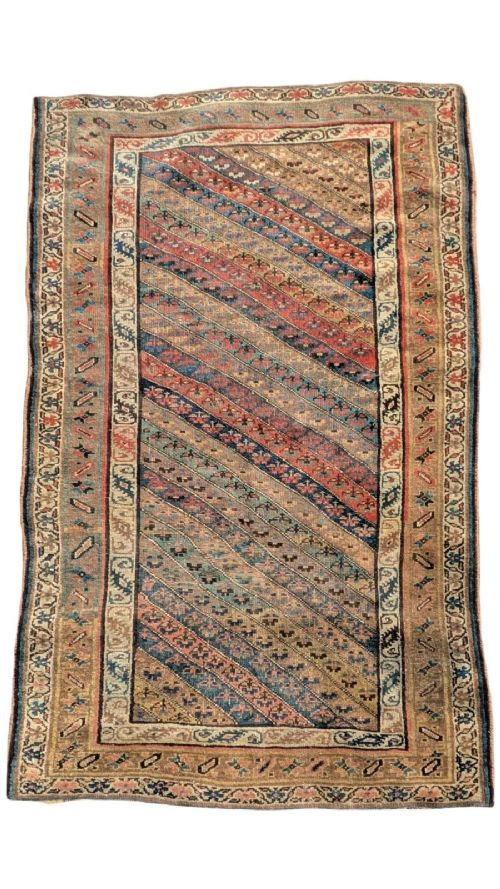
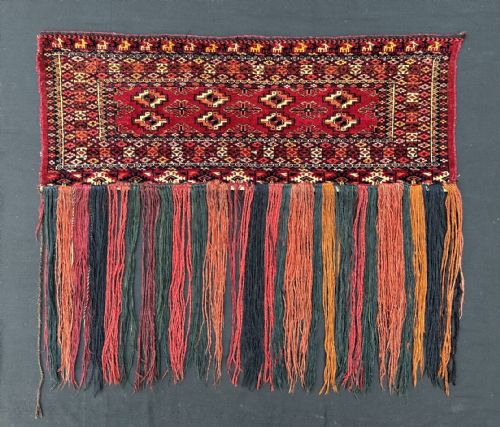
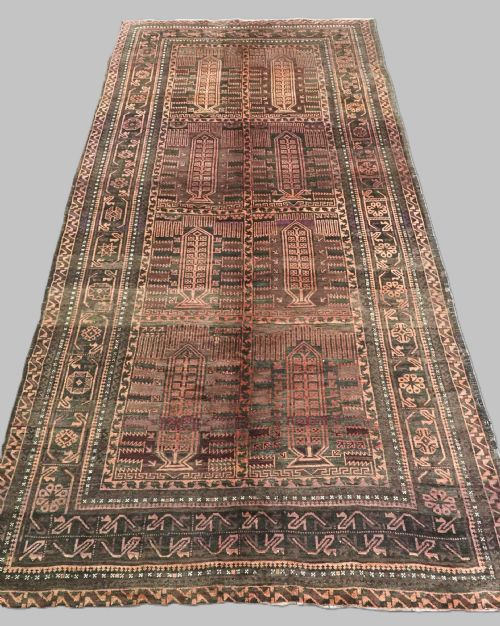
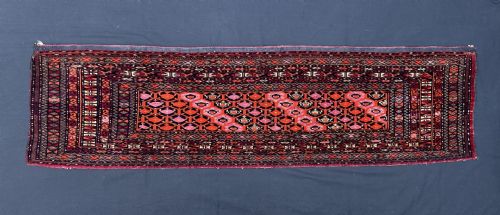
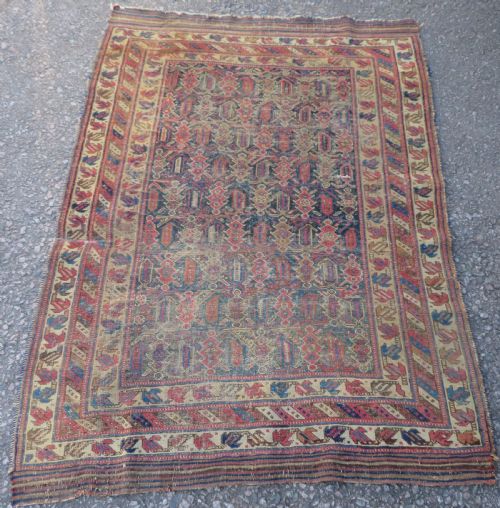
A nomadic weaving carpet encompasses a diverse array of tribal floor coverings, tent furnishings, and smaller utilitarian bags made by nomadic and village groups. When exploring this selection, buyers frequently encounter regional pieces attributed to Khamseh, Afshar, Baluch, Kurdish, and various Turkmen tribes such as the Tekke, Yomut, and Ersari.
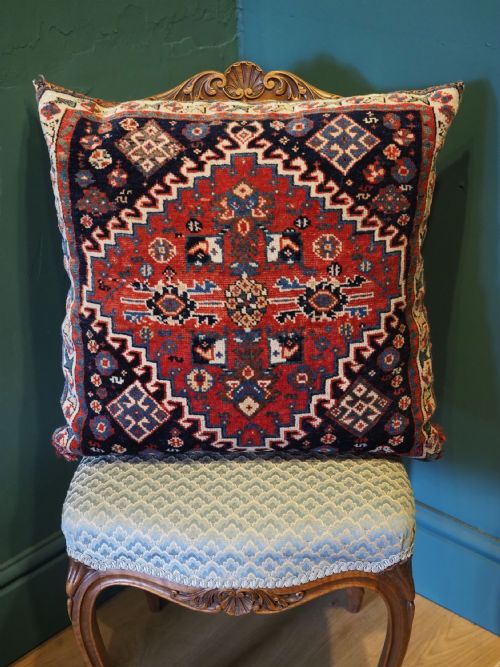
The physical forms vary significantly, ranging from large main carpets and area rugs down to square saddle bags, torba faces, and tent door rugs. These items reflect the specific domestic and nomadic requirements of the weavers who produced them during the nineteenth and early twentieth centuries.
Materials and construction methods
The construction relies heavily on wool, cotton foundations in specific regional types, and hand-spun wool yarns that provide structural durability. Artisans utilised natural dyes to achieve the deep colour palettes observed across tribal and nomadic workshops.
Weaving techniques involve traditional hand-woven knotting and flatweave structures, often combined with original tassels and plain weave backs on utilitarian bags. The integration of hand-spun materials ensures a resilient textile texture suited to daily nomadic life.
Nomadic Weaving Carpet Retail Price Guide 2026
Typical asking prices for nomadic weaving carpet among the pieces listed under this phrase on Sellingantiques today, from the lower quarter to the upper quarter. They describe what is for sale here now, not the wider market.
Listings span the nineteenth and early twentieth centuries, featuring wool, cotton, and natural dyes across Persian, Caucasian, and Turkmen tribal traditions.
Quality variations in tribal carpets
Distinctions in quality often rest upon the fineness of the weave and the clarity of traditional tribal motifs, such as specific gul patterns or pencil box designs. Tighter knot density and precision in execution separate standard utilitarian items from finer tribal weaving.
The vibrancy and depth of the natural dyes also dictate overall quality, alongside the preservation of original structural elements like borders, tassels, and complete backs. Condition plays a role, though natural wear often accompanies genuine historical utility.
Teke Tribes Merv Oasis·Sariq Tribe Yolatan Oasis·Yomut Tribes Trans-Caspian·Afshar Tribes of Bardsir
The Nomadic Weaving Carpet Glossary
- Gul
- A primary medallion or repeating motif characteristic of Turkmen and Central Asian tribal weaving. These geometric emblems often identify the specific tribe or clan that produced the carpet.
- Torba
- A small storage bag or wall hanging produced by Turkmen groups. They typically feature detailed geometric designs and were utilised inside nomadic tents.
- Kapunuk
- A decorative tent door rug placed around the entrance frame of a nomadic dwelling. These items display distinctive architectural proportions and specialised tribal symbols.
- Chuval
- A large face or storage sack created by tribal weavers for household organisation. They frequently showcase repeating principal gul motifs across the field.
- Gabbeh
- A traditional tribal rug characterised by a simpler, more abstract design layout and a thicker pile. These pieces were originally made for personal domestic use by nomadic families.
Nomadic Weaving Carpet: Frequently Asked Questions
What is a nomadic weaving carpet?
A nomadic weaving carpet is a textile created by pastoral and tribal communities for practical use in tents, transport, and flooring. These pieces display distinct regional patterns tied to specific groups.
They incorporate hand-spun wool and natural dyes, reflecting the traditional lifestyles and artistic heritage of weavers from Persia, the Caucasus, and Central Asia.
How were tribal bags used?
Tribal bags such as torbas, chuvals, and salt-bags served as essential storage containers inside nomadic tents. They held personal belongings, household items, and provisions during migrations.
Many survived as decorative panels or rug fragments because their intricate face designs held high cultural and aesthetic value for the weavers.
How do I style a tribal rug?
Tribal rugs function well as floor coverings in living spaces or as wall hangings to highlight their geometric patterns and textile structure. Their rich colour palettes complement both traditional and modern interiors.
Placing smaller items like saddle bags or cushion covers on furniture or benches provides an accent of texture and history without dominating a room.
How do I tell different tribes apart?
Distinguishing between tribes involves examining the specific geometric motifs, colour combinations, and structural formats used in the weave. Turkmen pieces often feature distinct gul patterns, while Persian tribal rugs like Afshar or Khamseh display characteristic field arrangements.
Materials and border styles also offer clues to the geographical origin and specific confederacy responsible for the textile.