




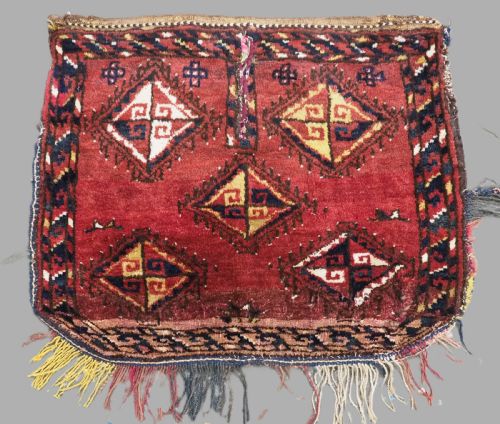
Nomadic Weaving Bag
A nomadic weaving bag brings tactile history into a room through tribal textiles made for daily life.
Nomadic Weaving Bag
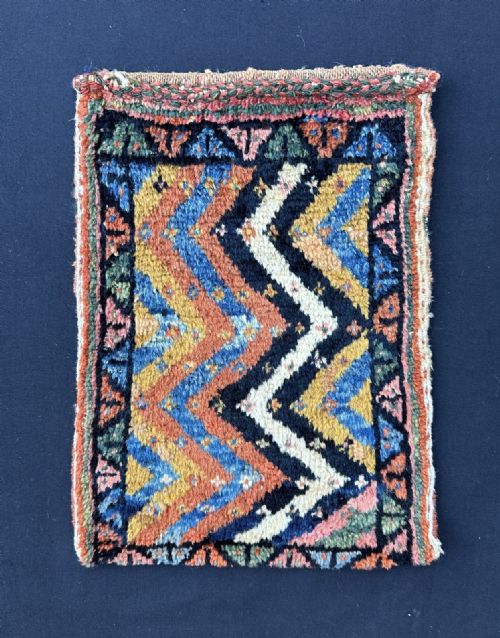
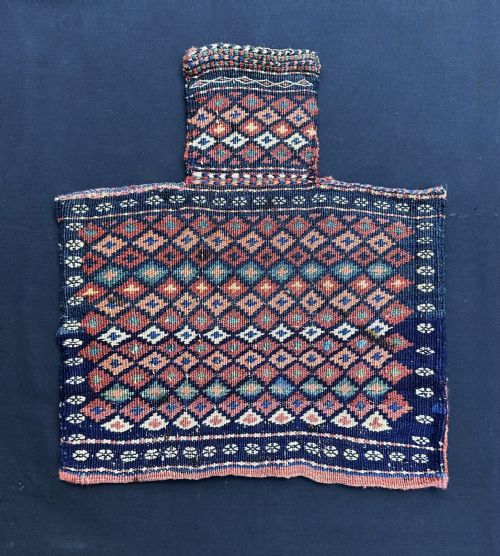
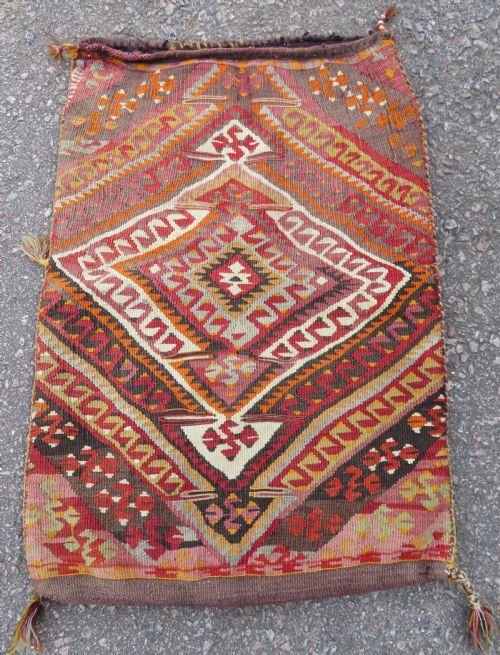
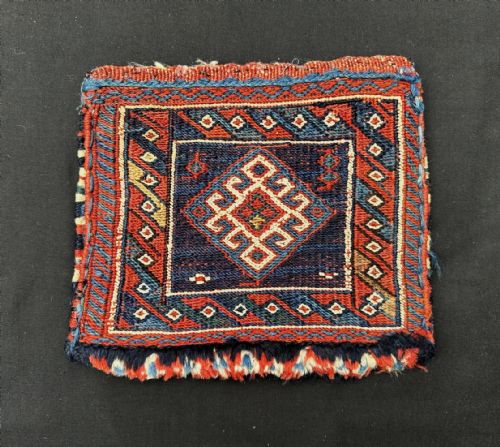
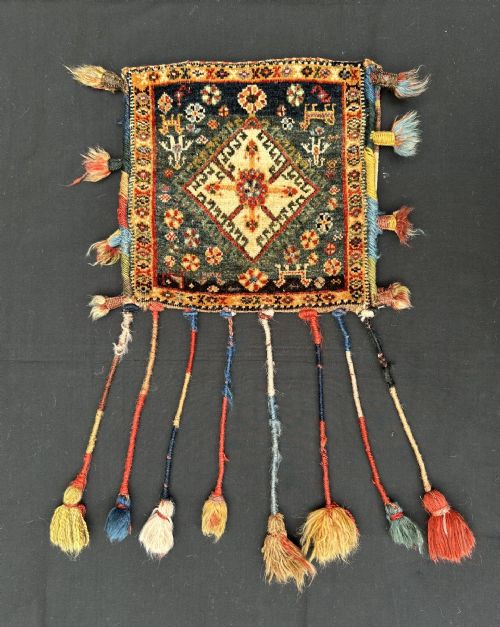
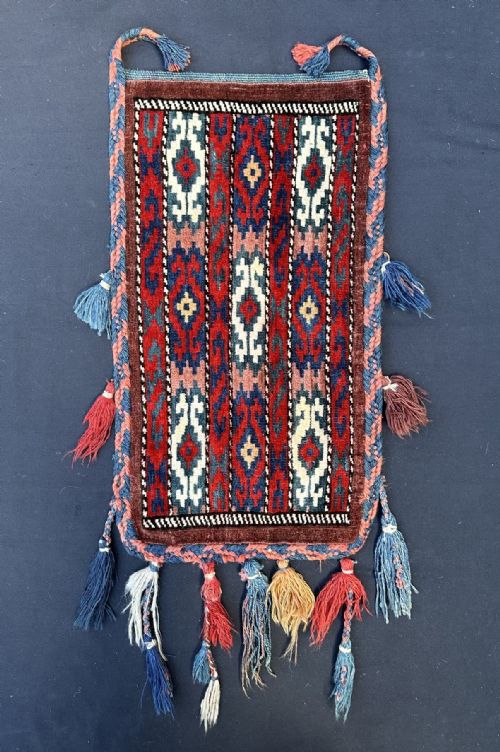
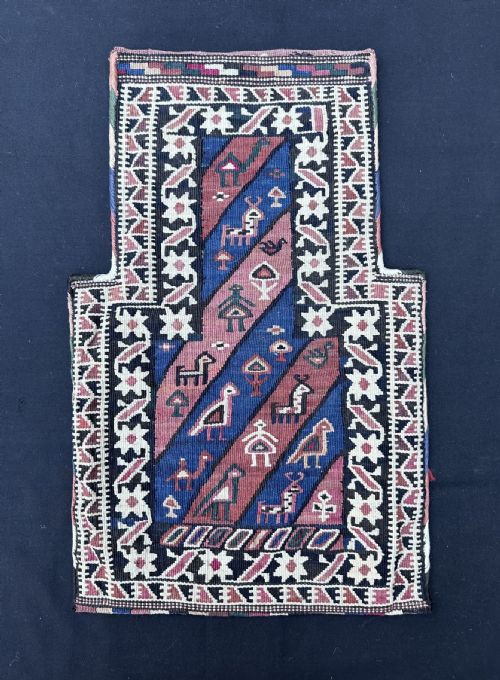
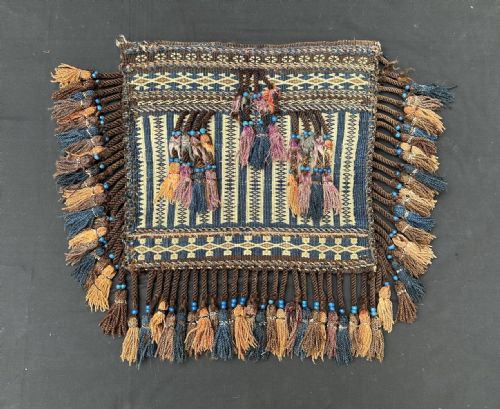
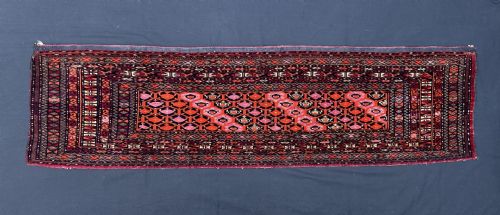
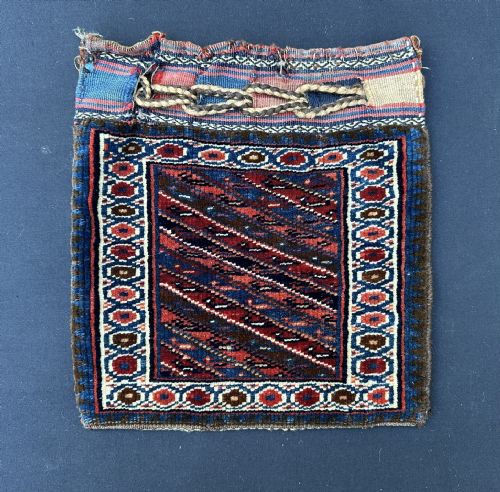
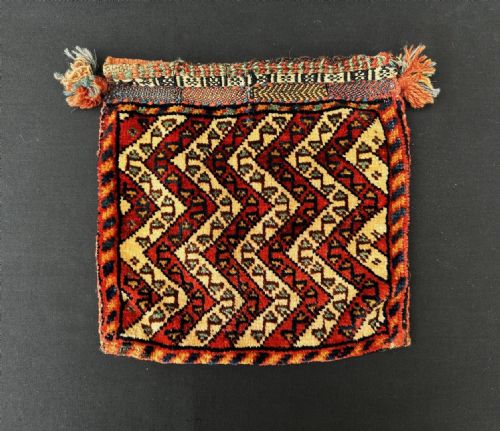
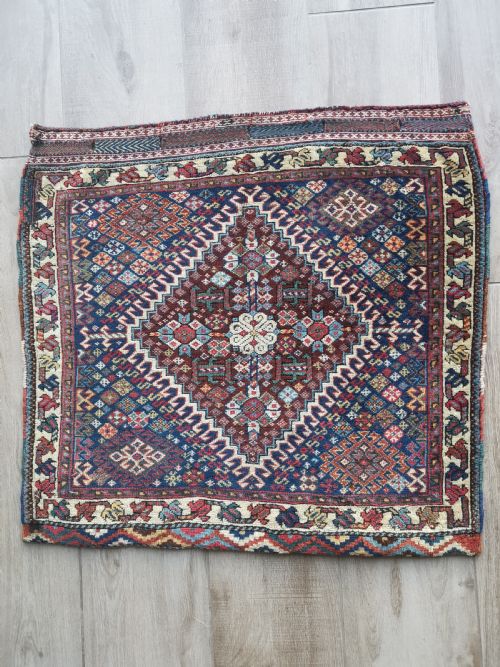
A nomadic weaving bag encompasses various utilitarian containers created by tribal and nomadic groups across Persia, Central Asia, and surrounding regions during the nineteenth and early twentieth centuries. These pieces take specific functional forms such as vanity bags, salt bags, saddle bags, storage sacks, and spindle bags.
The most common examples encountered on this page originate from tribal confederacies and groups including the Qashqa'i, Turkmen, Bakhtiari, Afshar, and Baluch. Each group utilised distinct regional designs, formats, and structural layouts tailored to their migratory existence.
Materials and construction
These textiles rely predominantly on hand-spun wool foundations and pile, combined with cotton structural elements and natural dyes derived from botanical and mineral sources. Artisans occasionally integrated silk highlights, glass beads, and cowrie shells to embellish specific functional areas.
Weaving techniques vary between pile knotting and flatweave structures such as kilim, depending on whether the item required the plush density of a face piece or the durable flexibility of a utilitarian sack back.
Nomadic Weaving Bag Retail Price Guide 2026
Typical asking prices for nomadic weaving bag among the pieces listed under this phrase on Sellingantiques today, from the lower quarter to the upper quarter. They describe what is for sale here now, not the wider market.
Several salt bags carry cowrie shells intended to ward off the evil eye.
Judging quality in tribal bags
Quality rests upon the handled integrity of the wool, the saturation and complexity of the natural dye palette, and the precision of tribal motifs. Finer knotting and well-preserved structural completeness distinguish superior weaving.
The presence of original plain weave backs and intact side finishes elevates a piece above fragments, reflecting the comprehensive survival of the object from its original migratory context.
The Nomadic Weaving Bag Glossary
- Kap
- A Turkmen storage bag used inside the felt tent for bedding or household goods. These pieces typically display structured gul medallions.
- Torba
- A smaller Turkmen tent bag wider than it is tall, frequently hung against the lattice walls of a yurt. They often feature repeating primary gull motifs.
- Chanteh
- A small Persian tribal vanity or carrying bag used for personal possessions. These portable containers often exhibit sophisticated miniature tribal designs.
- Khorjin
- A double saddle bag designed for transport over pack animals during tribal migrations. Surviving examples frequently survive as single faces or intact pairs.
- Gul
- A repeating primary medallion or octagonal motif central to Turkmen and related tribal weaving traditions. Each design variation identifies specific tribal lineages.
Nomadic Weaving Bag: Frequently Asked Questions
What were nomadic bags used for?
Nomadic groups utilised these woven bags to transport and store personal belongings, salt, grain, vanity items, and bedding during seasonal migrations. Their portable formats suited tent living and animal transport.
Over time, these utility objects became canvases for tribal identity, displaying specific regional patterns that marked out family groups and confederacies.
How do I care for a tribal bag?
Keep these textiles out of direct sunlight to prevent natural dyes from fading over the years. Gentle vacuuming through a mesh screen removes dust without damaging the wool pile.
Avoid hanging heavy bags by their upper edges alone to distribute weight evenly across the textile structure.
How are different tribal bags identified?
Attribution relies on structural characteristics, colour palettes, and specific motif geometries unique to regions like Fars, Khorassan, or Turkmenistan. Tribal groups such as the Qashqai or Yomut maintained distinct visual vocabularies.
Examining the weave density and back construction provides further clues to the specific nomadic workshop or territory of origin.
What is the difference between a bag face and a complete bag?
A bag face is the decorative pile or flatweave front section separated from its utilitarian plain weave back over decades of use. Complete bags retain both the ornate front and the original back panel.
Complete examples offer a fuller record of the original object's construction and historical function.