

Nomadic Tribal Hanging
When searching for a nomadic tribal hanging, you encounter woven and embroidered textiles originating from the tents and settlements of Central Asian and Persian tribal groups.
Nomadic Tribal Hanging
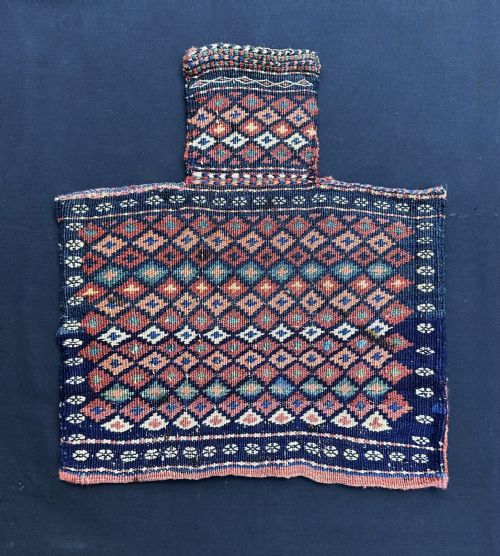
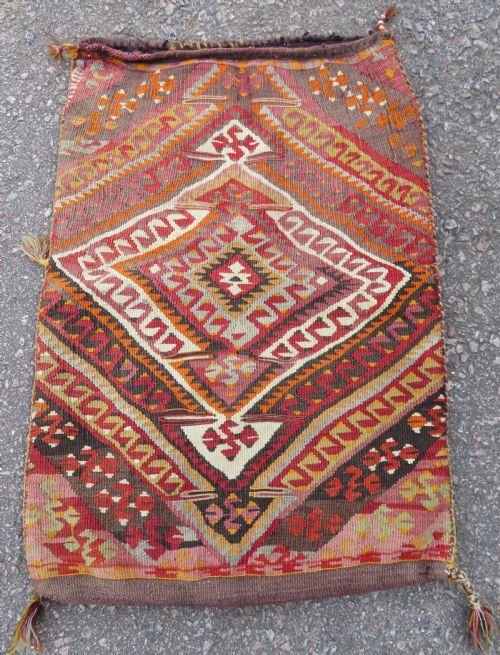
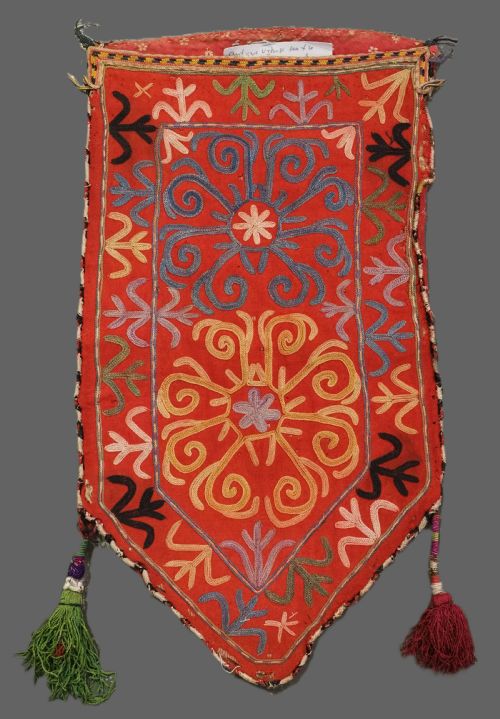
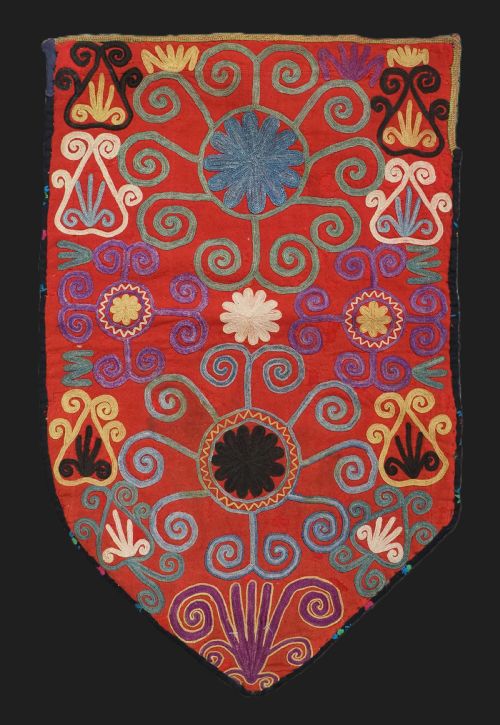
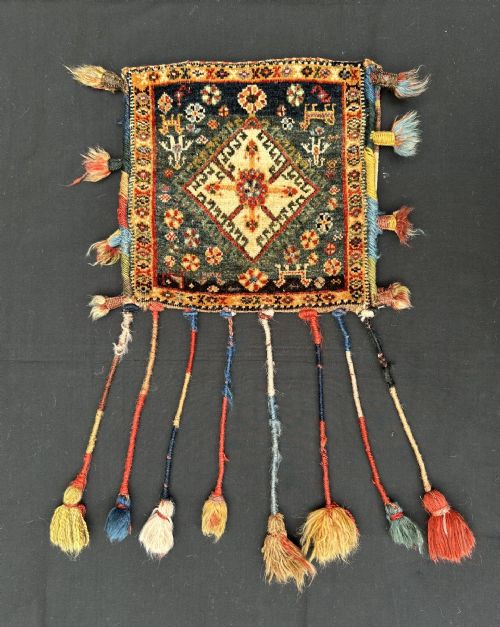
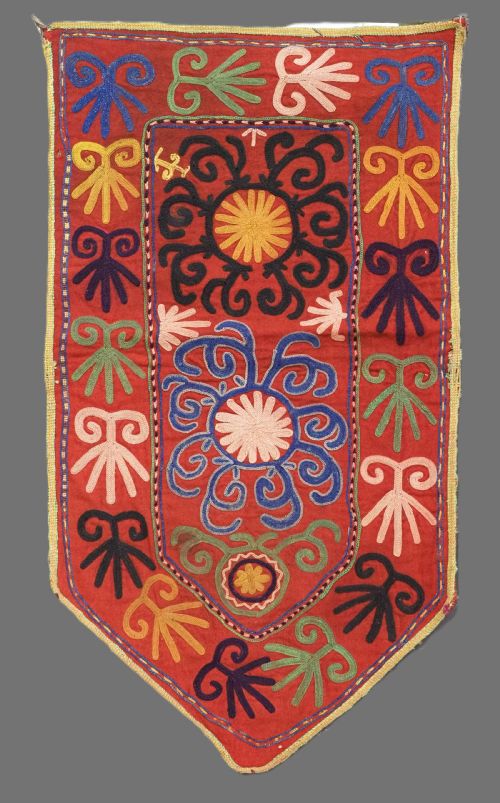
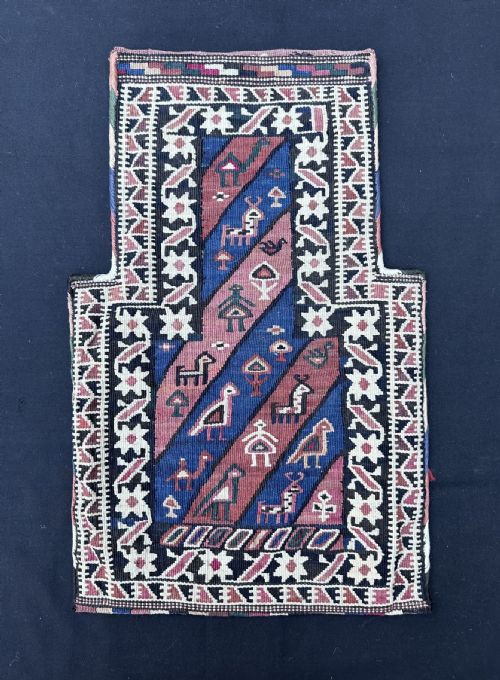
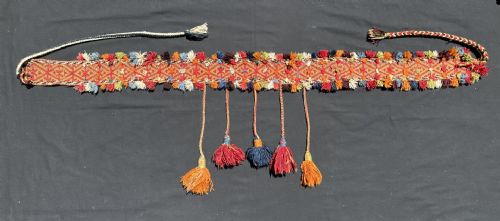
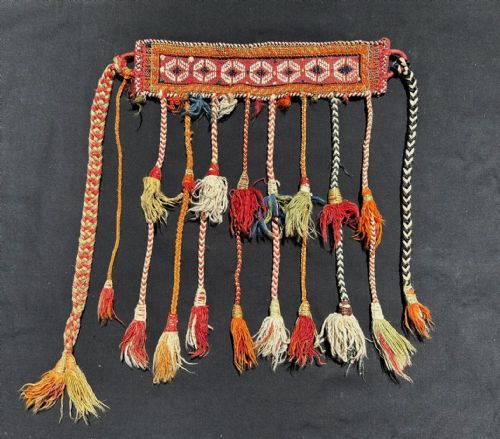
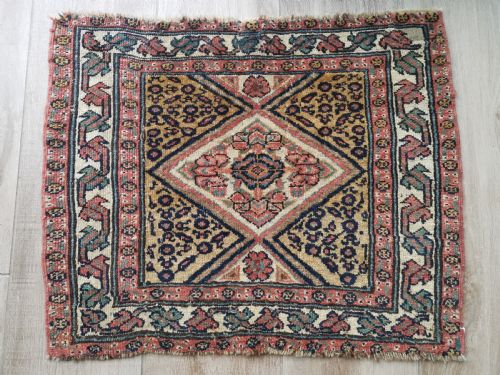
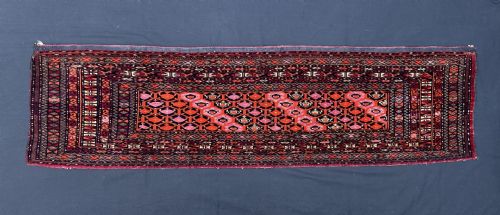
A nomadic tribal hanging encompasses various functional objects adapted for vertical display, including dowry embroideries, storage bags, and tent trappings. These pieces originate from nineteenth-century nomadic and semi-nomadic groups such as the Yomut, Tekke, Ersary, Qashqa'i, and Uzbek Lakai tribes.
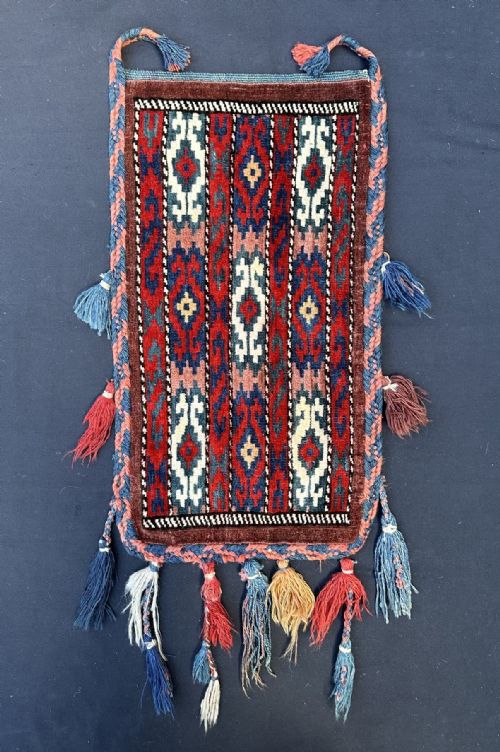
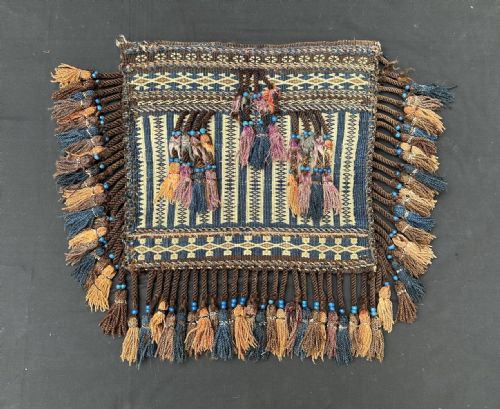
The selections on this page frequently include utilitarian items like grain sacks, animal trappings, and storage bags repurposed for wall display. Their origins span across Persia, Afghanistan, and Turkmenistan, reflecting the distinct cultural motifs of each weaving confederation.
Materials and construction methods
Weavers utilised hand-spun wool, cotton thread, and felted wool as foundational materials for these textiles. Natural dyes provide the underlying palette, interacting with the wool fibres to produce rich tones across the surface.
Techniques range from flat-woven kilim structures and pile knots to dense silk or cotton embroideries on wool and felt grounds. Many examples incorporate specialised stitching to reinforce edges and attach functional elements like tassels.
Nomadic Tribal Hanging Retail Price Guide 2026
Typical asking prices for nomadic tribal hanging among the pieces listed under this phrase on Sellingantiques today, from the lower quarter to the upper quarter. They describe what is for sale here now, not the wider market.
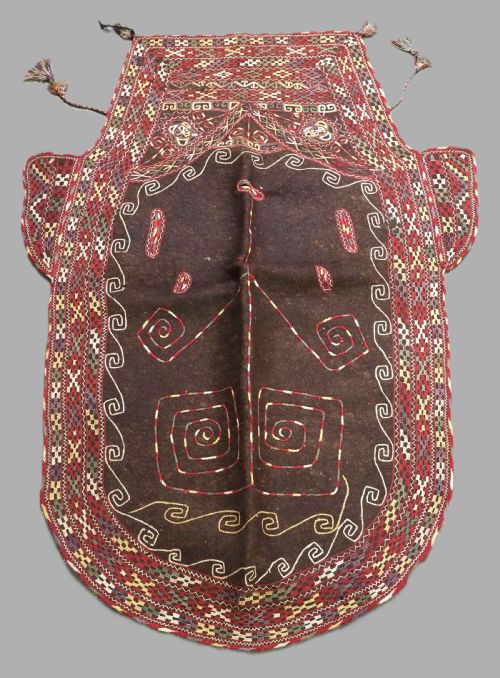
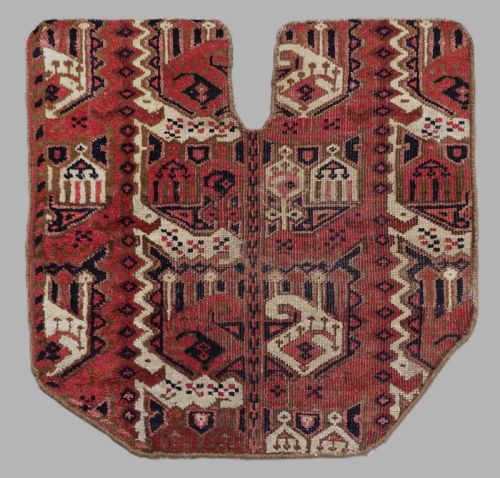
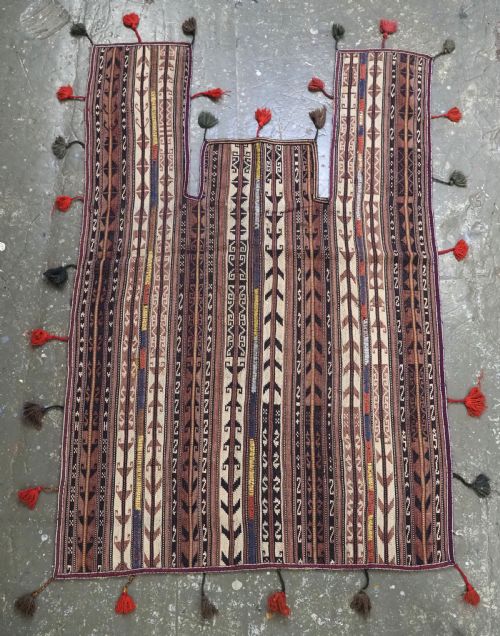
Several horse blankets and animal trappings preserve the tactile evidence of actual nomadic travel across Central Asian steppes.
Distinctions in quality and execution
Quality depends upon the tightness of the weave or density of the embroidery, alongside the clarity of the tribal motifs. Finer examples display precise execution in geometric layouts and a balanced distribution of natural dye colours.
The integrity of the structural fibres and the retention of original elements, such as borders, backings, and tassels, influence the character of each piece. Superior pieces demonstrate consistent tension throughout the textile ground and deliberate placement of secondary ornaments.
The Nomadic Tribal Hanging Glossary
- Ilgich
- An Uzbek dowry embroidery created for use as a wall hanging in the yurt. These textiles typically feature energetic geometric or figurative motifs stitched in silk or cotton onto a fabric ground.
- Asmalyk
- A ceremonial pentagonal trapping produced by Turkmen groups, historically mounted on the flanks of a bridal camel during wedding processions. They display complex Gull motifs and protective symbols.
- Jollar
- A Turkmen tent bag utilised for storage within the dwelling. These wide horizontal pieces feature characteristic gul patterns arranged across the face.
- Sofreh
- A flat-woven spread used for kneading dough or sharing meals within nomadic households. They often present minimalist geometric compositions dictated by their utilitarian function.
- Torba
- A smaller storage bag made by Turkmen and Baluch tribes for domestic organisation inside the tent. They frequently serve as decorative wall hangings in contemporary collections.
Nomadic Tribal Hanging: Frequently Asked Questions
What is a nomadic tribal hanging?
These items are woven or embroidered textiles created by pastoral groups in Central Asia and Persia. They served practical roles in daily camp life before being preserved as decorative art.
Many examples began as storage containers, animal decorations, or ceremonial dowry pieces rather than dedicated wall art. Their survival reflects the durability of traditional tribal materials and techniques.
How do I hang a textile safely?
Mounting requires weight to be distributed evenly across the top edge without puncturing the fabric. Conservation-grade Velcro or a custom-stitched sleeve provides adequate support for heavier woolen pieces.
Direct sunlight causes natural dyes to fade over time, so placement away from windows is essential. Periodic inspection ensures the hanging mechanism exerts no strain on individual threads.
How are different tribes identified?
Tribal attribution relies on specific structural formats, palette choices, and recurring geometric motifs unique to each weaving group. Yomut, Tekke, and Ersary pieces display distinct variations of traditional gul medallions.
Fringe styles, border arrangements, and regional spinning methods offer further clues to geographic origin. Comparing known examples from specific regions helps clarify uncertain attributions.
What distinguishes felt from woven pieces?
Felted wool is produced by matting and condensing animal fibres using moisture and pressure rather than interlacing warp and weft threads. Nomadic groups utilised felt for insulation and durable items like horse blankets.
Woven textiles involve vertical warp threads crossed by horizontal weft yarns on portable ground looms. Embroidered pieces apply surface stitching over an existing woven or felt backing.