


Nomadic Tribal Bag
When you search for a nomadic tribal bag, you encounter utilitarian textiles woven by pastoral groups across Persia, Central Asia, and Anatolia for daily tent storage and transport.
Nomadic Tribal Bag
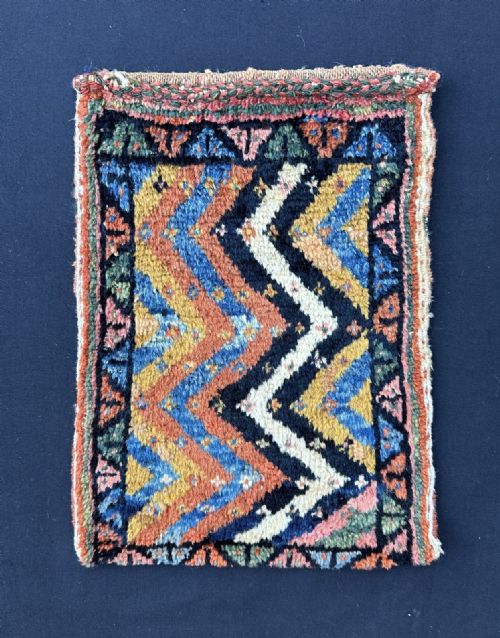
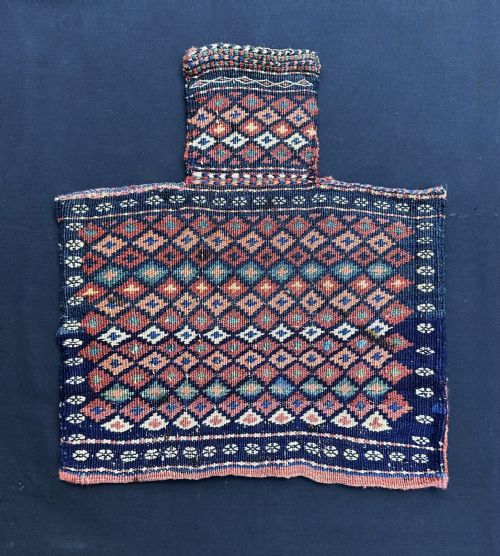
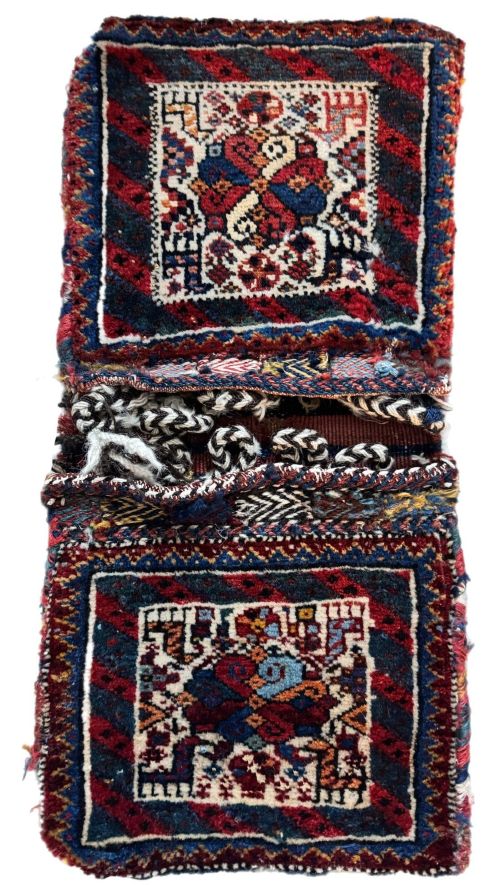
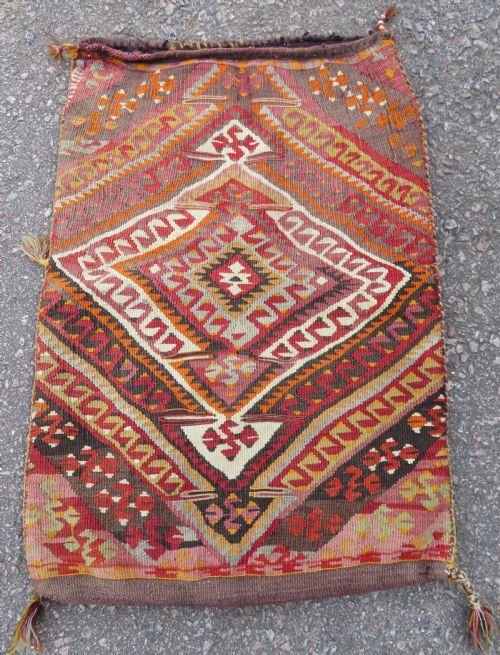
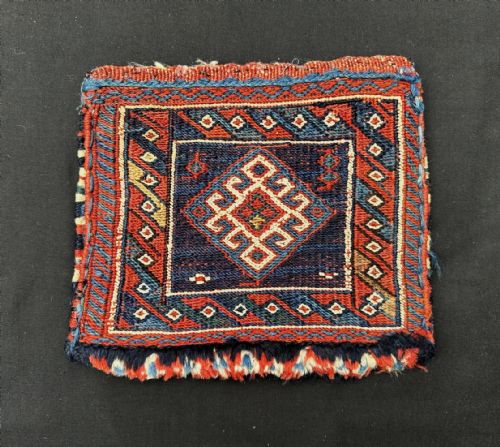
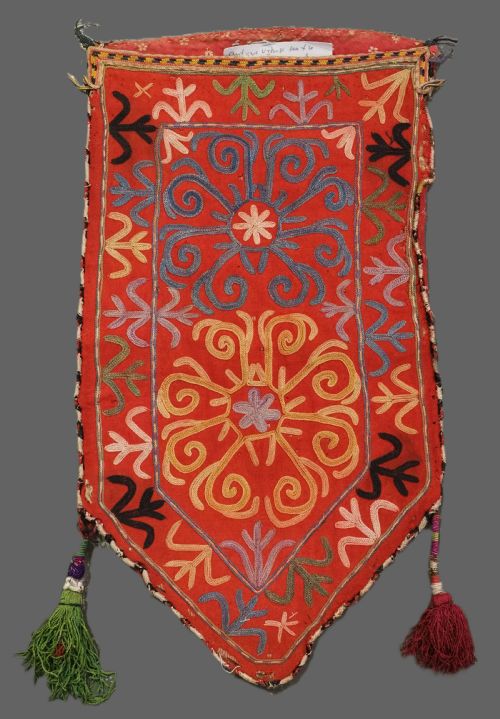
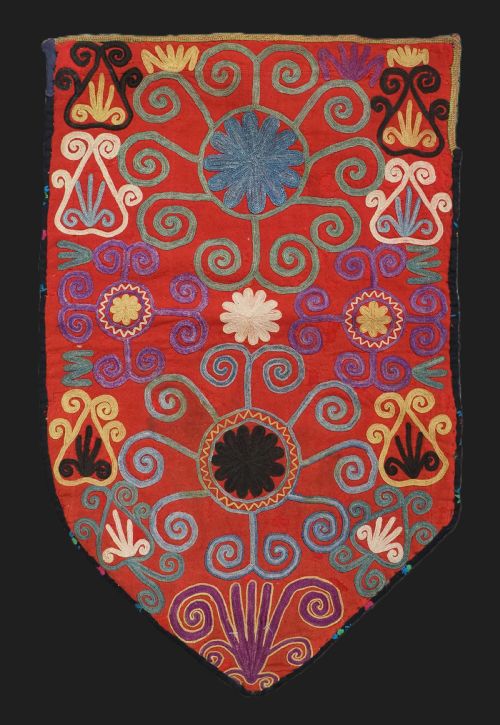
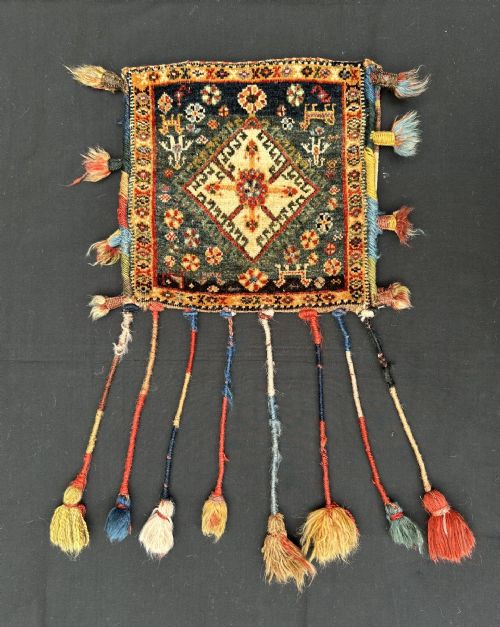
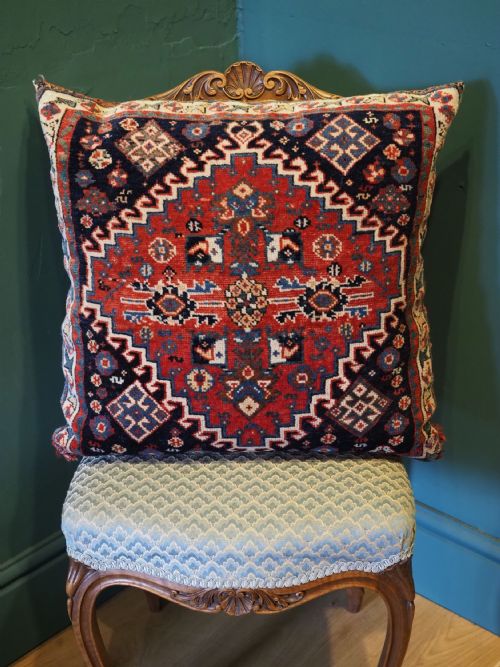
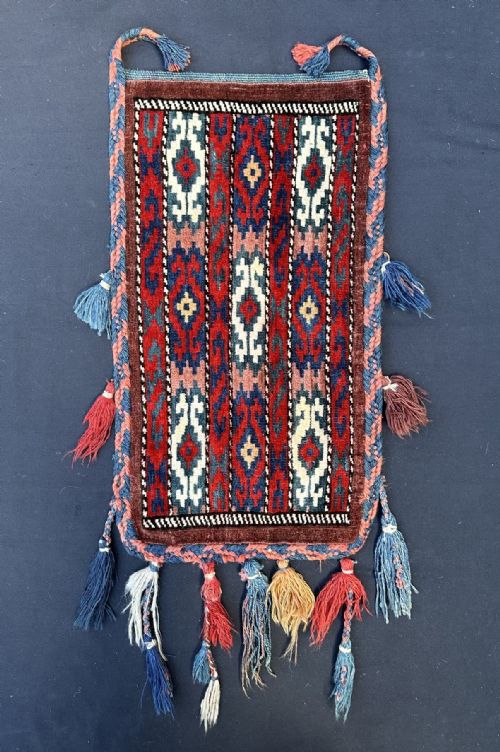
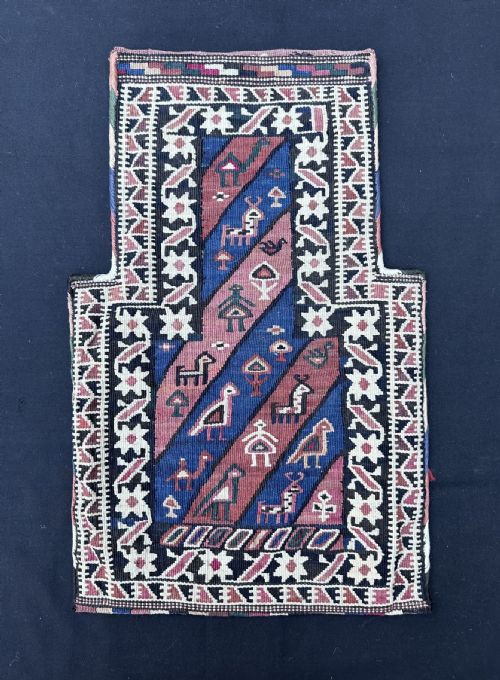
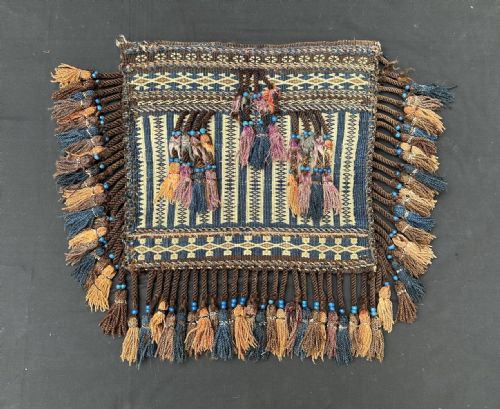
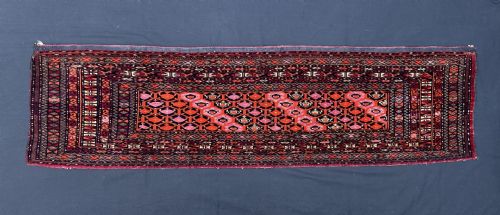
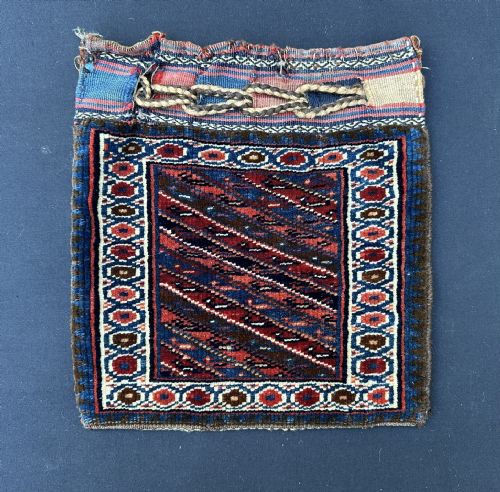
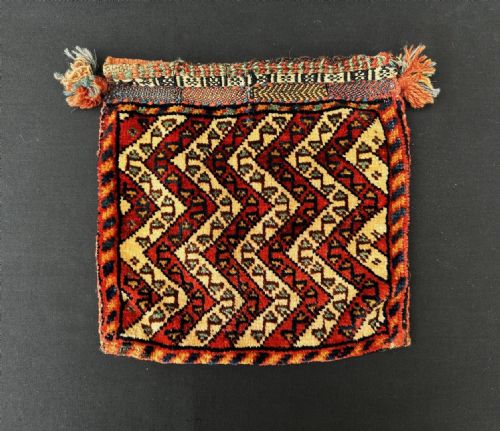
A nomadic tribal bag encompasses a diverse array of woven containers utilised by pastoral and tribal groups, including vanity bags, salt bags, saddle bags, and storage sacks. When exploring this category, you primarily encounter examples originating from Persian confederacies, Turkmen tribes, and Uzbek groups produced during the nineteenth and early twentieth centuries.
These functional pieces served specific domestic and nomadic purposes within tent life, ranging from grain storage to personal carriage. Formats vary from small chantehs and pillow faces to large horse covers and tent bags, each retaining the distinct structural identity of its weaving origin.
Materials and Construction
Makers utilised hand-spun wool for durability and warmth, often combining it with cotton foundations and occasional silk highlights. Natural dyes derived from local plants and minerals provided the rich palette characteristic of these textiles.
Weaving techniques involved warp-faced plain weave, pile knotting, and intricate supplementary weft substitution. Artisans frequently integrated utilitarian embellishments such as cowrie shells, glass beads, and braided tassels directly into the structural weave.
Nomadic Tribal Bag Retail Price Guide 2026
Typical asking prices for nomadic tribal bag among the pieces listed under this phrase on Sellingantiques today, from the lower quarter to the upper quarter. They describe what is for sale here now, not the wider market.
Nomads frequently attached cowrie shells and glass beads to these bags to ward off the evil eye while travelling across remote steppes.
Assessing Quality and Execution
The density of the weave and the precision of the knotting differentiate standard utilitarian examples from finer presentation pieces. Superior execution reveals itself in the crispness of geometric motifs and the careful balance of the natural dye palette across the surface.
The integrity of the remaining structure, including original plain-weave backs and side cords, significantly influences the standing of a piece. Finer examples retain their original closures, suspension loops, and complete structural borders without extensive modern restoration.
The Nomadic Tribal Bag Glossary
- Chanteh
- A small tribal bag or vanity pouch used by nomads for carrying personal items. These portable containers often feature intricate pile or flat-weave face designs.
- Chuval
- A large Turkmen storage bag utilised inside the felt tent for bedding and household possessions. They frequently display characteristic gul medallions.
- Torba
- A smaller horizontal storage bag produced by Turkmen tribes, often hung against the tent wall. They share design motifs with larger chuvals but serve more compact storage roles.
- Jollar
- A Turkmen tent bag designed specifically for transport on camel flanks during migration. These elongated pieces display repeating tribal patterns along the face.
- Khorjin
- A double-sided saddle bag joined by a central slit weave, used for transporting goods on horses or donkeys. One half often remains plain while the face shows decorative knotting.
Nomadic Tribal Bag: Frequently Asked Questions
What were nomadic tribal bags used for?
Nomadic groups utilised these woven containers for practical storage and transport during seasonal migrations across Persia and Central Asia. Families packed them with salt, grain, personal items, and bedding inside traditional tents.
Smaller formats functioned as personal vanity bags or saddle containers for riding animals. Every bag served an active role in daily pastoral survival rather than acting as a static decorative object.
How do you display a tribal bag at home?
Collectors typically mount flat bags on neutral walls using non-invasive textile display methods or specialised hanging sleeves. Smaller pouches and pillow faces sit effectively on shelves or inside display cabinets.
Support the interior of soft storage bags with custom padding to maintain their original three-dimensional form. Avoid hanging textiles in direct sunlight to protect the natural dyes from fading.
How do you tell different tribal groups apart?
Tribal attribution relies on specific structural formats, wool quality, and characteristic colour palettes unique to each region. Turkmen groups utilised deep madder reds and distinct octagonal gul motifs.
Persian confederacies such as the Qashqai and Afshar incorporated indigo blues, vibrant greens, and intricate animal or human figures. Examining the weave structure and edge finishing provides further clues to tribal origin.
Are these bags made with natural dyes?
Nineteenth-century nomadic weavers relied exclusively on natural dye sources harvested from local plants, roots, and insects. Madder root provided deep reds, while indigo yielded rich blues and greens.
These natural colorants produce a subtle variation in tone known as abrash, adding depth to the surface. Synthetic dyes began appearing toward the end of the nineteenth century as commercial trade expanded.