





Nomadic Oriental Carpet
A nomadic oriental carpet brings the rich visual language of tribal weavers into a room through geometric motifs and deep wool tones.
Nomadic Oriental Carpet
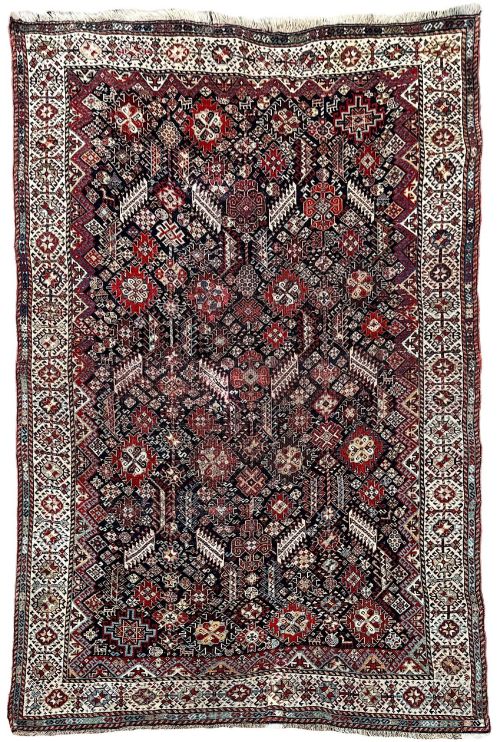
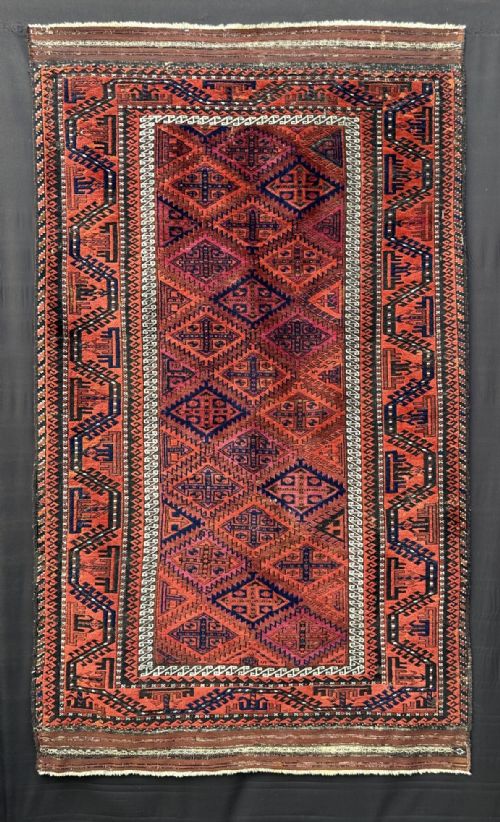
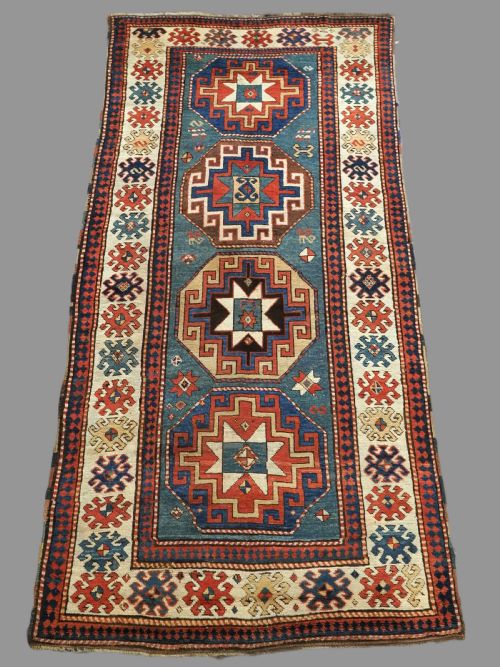
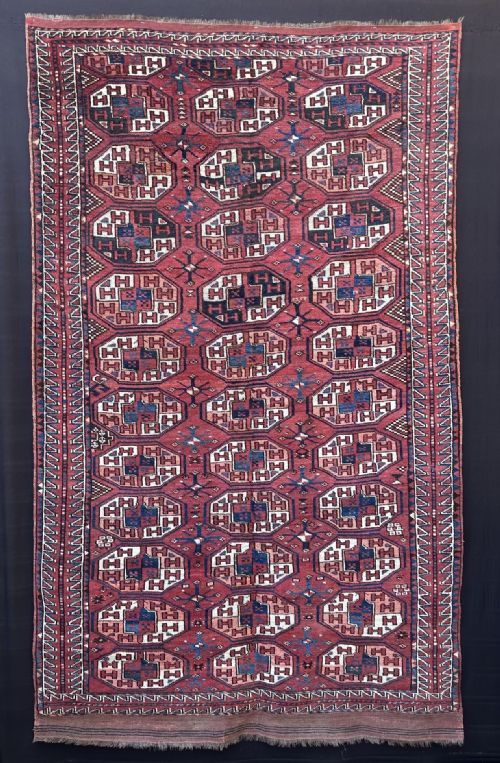
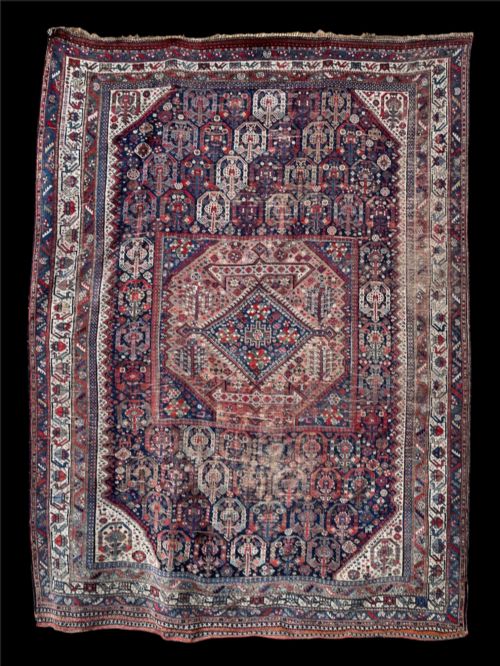
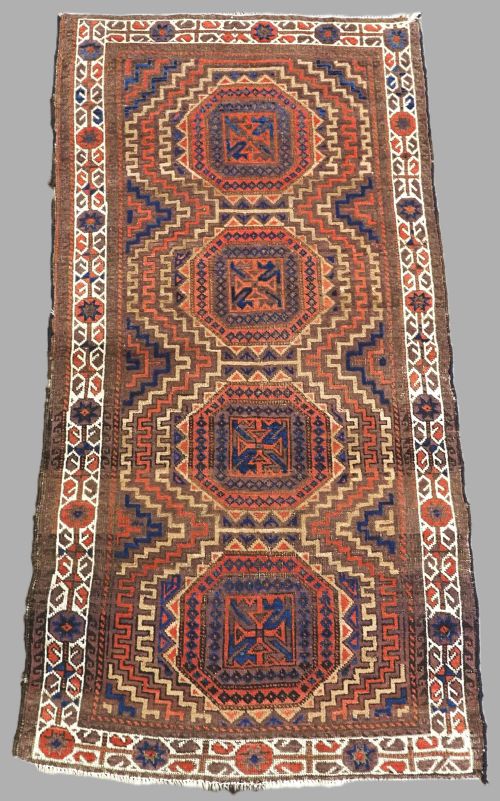
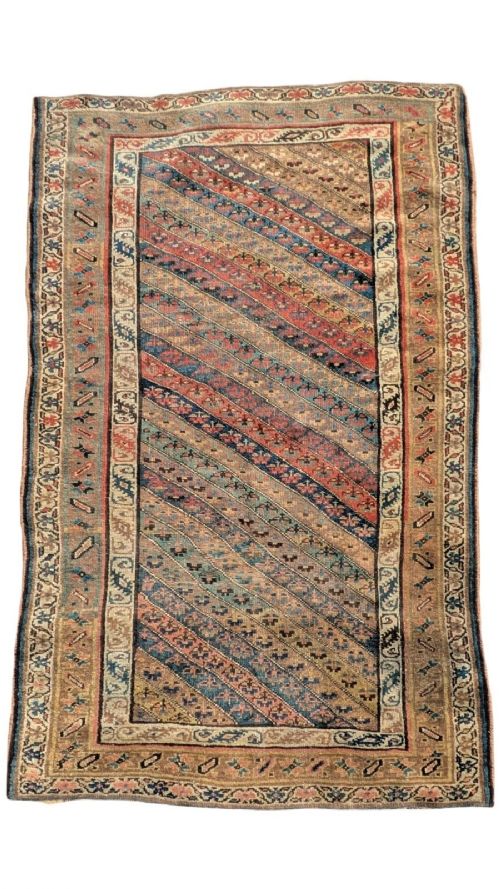
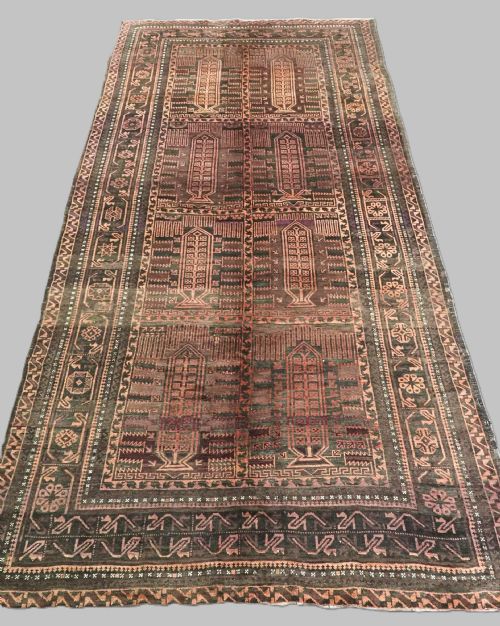
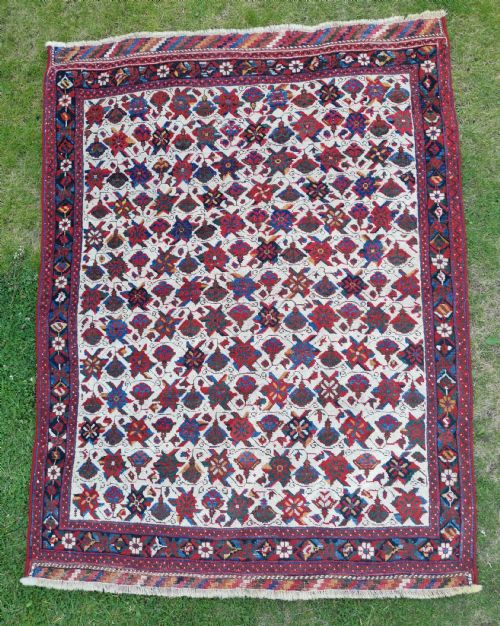
A nomadic oriental carpet embodies the handiwork of tribal groups across Persia, the Caucasus, Anatolia, and Central Asia, including Baluch, Turkmen, Khamseh, and Kurdish makers. These pieces span from the mid-nineteenth century into the early decades of the twentieth century, taking the form of large carpets, room-size rugs, long runners, and smaller utility objects like saddle bags and tent door rugs.
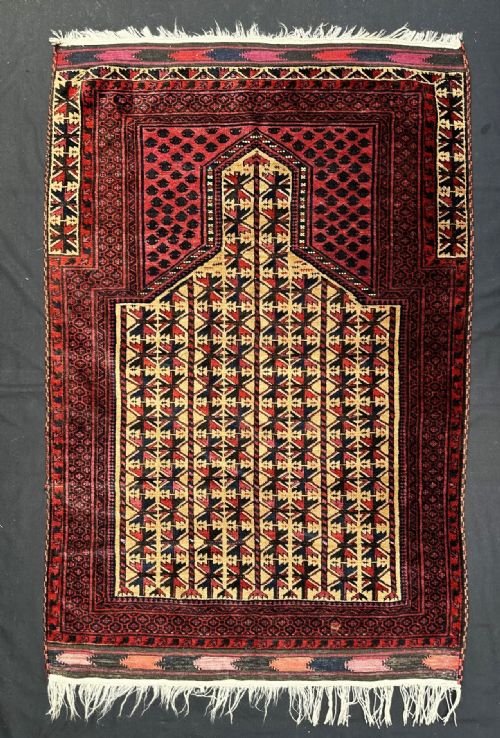
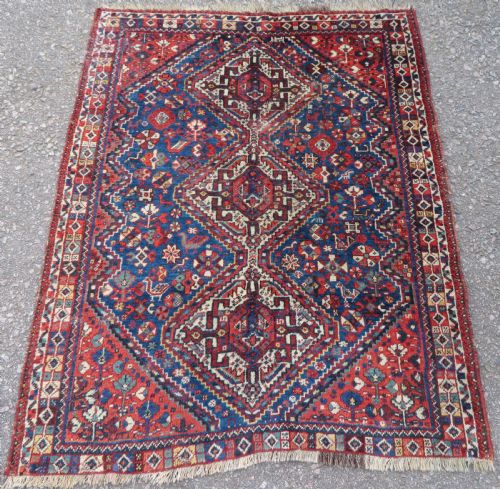
The version a buyer meets most frequently on this page is a room rug or main carpet produced by Persian tribal confederacies or Turkmen groups, often displaying traditional medallions, repeating guls, or prayer mihrabs. Smaller formats such as torbas, kapsing rugs, and cushions also appear regularly, offering compact examples of nomadic design.
The regional variety is wide, shifting from the deep reds of Turkmen weavings to the intricate geometric fields associated with Caucasian Kazaks and South Persian Qashqai or Afshar pieces. Each style carries distinct structural markers that connect the textile directly to its nomadic or village origin.
Materials and construction
These textiles rely on hand-spun wool for the pile and structure, frequently paired with cotton foundations in specific regional traditions. The wool itself provides the durable, resilient surface that allows these older pieces to survive decades of use while retaining their tactile depth.
Natural dyes dictate the palette across these works, producing varied saturations of madder red, indigo blue, and earthy yellows that mellow gracefully over time. The interaction between hand-spun fibres and natural dyestuffs creates the characteristic abrash, where subtle tonal shifts ripple across the colour field.
Nomadic Oriental Carpet Retail Price Guide 2026
Typical asking prices for nomadic oriental carpet among the pieces listed under this phrase on Sellingantiques today, from the lower quarter to the upper quarter. They describe what is for sale here now, not the wider market.
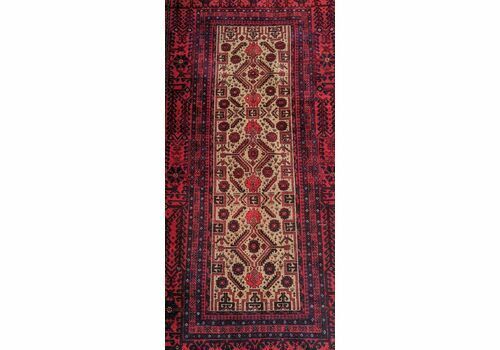
The inventory includes various utilitarian forms, ranging from large main carpets and runner formats down to smaller saddle bags, torbas, and cushions.
Understanding quality
Quality rests in the precision of the tribal knotting and the integrity of the original wool, which together determine how crisply the geometric patterns render against the field. A finer knot density allows complex motifs like guls and prayer arches to hold their definition rather than blurring into the surrounding weave.
The purity and depth of the natural dyes separate standard examples from superior ones, as skilled dyers achieve richer hues that retain their vibrancy and depth. Additionally, the completeness of the original borders and the structural stability of the selvedges contribute significantly to the standing of any given piece.
The Nomadic Oriental Carpet Glossary
- Gul
- A primary repeating octagonal medallion used frequently by Turkmen and Baluch weavers. These motifs often act as clan emblems across different tribal groups.
- Mihrab
- A arched architectural niche design commonly found on prayer rugs. This shape points toward Mecca during Islamic daily worship.
- Abrash
- A natural variation in colour depth within a single field of wool. It results from different dye batches or changes in hand-spun yarn.
- Torba
- A small wall-hanging bag or storage sack produced by Turkmen tribes. They feature flatweave backs and pile-woven faces decorated with tribal motifs.
- Selvedge
- The tightly bound outer edge of a rug that prevents the side cords from unravelling. Original and intact selvedges indicate careful preservation.
Nomadic Oriental Carpet: Frequently Asked Questions
How do I date an antique nomadic carpet?
Dating relies on assessing the wool quality, the chemical nature of the dyes, and the structural conventions typical of nineteenth and early twentieth-century production. Stylistic markers such as specific tribal guls and weave density help narrow down the period.
Changes in palette also offer clues, as pieces made before the widespread adoption of synthetic aniline dyes in the late nineteenth century display distinct natural tones and softer weathering patterns.
What is the difference between a rug and a main carpet?
Main carpets are larger textiles traditionally woven for primary floor use within a tent or dwelling, often requiring substantial time and multiple weavers. Rugs cover smaller formats, including scatter rugs and utility pieces.
Runners and specific formats like tent door rugs serve particular architectural or functional roles within nomadic living spaces, altering the scale of the design.
How should I care for an old wool carpet?
Keep the carpet out of direct, intense sunlight to protect the natural dyes from fading over the decades. Regular, gentle vacuuming without a rotating power brush removes embedded dust safely.
Allowing the wool to breathe and using a quality breathable underlay prevents moisture accumulation beneath the foundation fibres.