


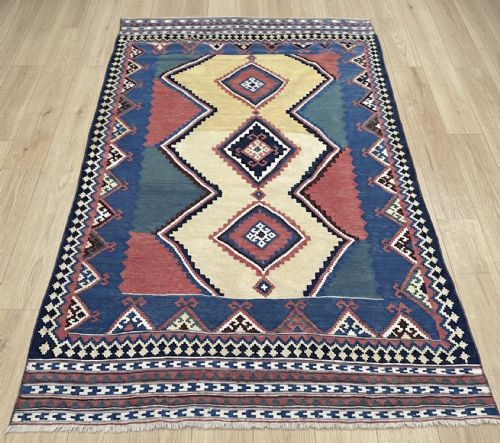
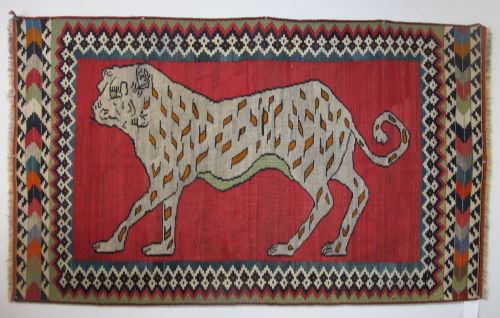
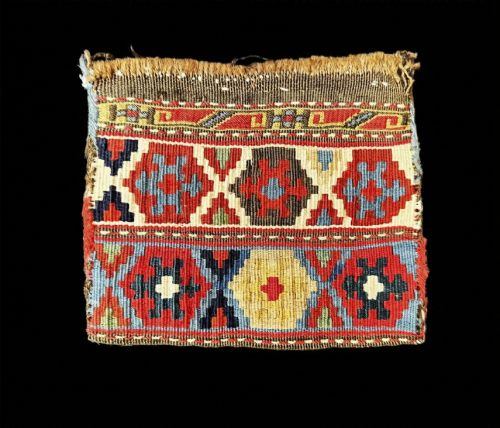
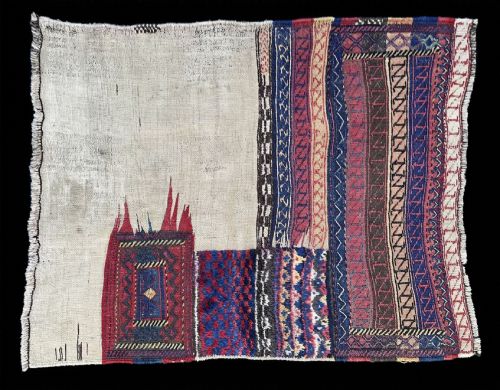
Nomadic Kilim Rug
A nomadic kilim rug brings the hand-woven geometry of tribal life into a modern interior through flatweave textiles created across Persia, Anatolia, and Central Asia.
Nomadic Kilim Rug
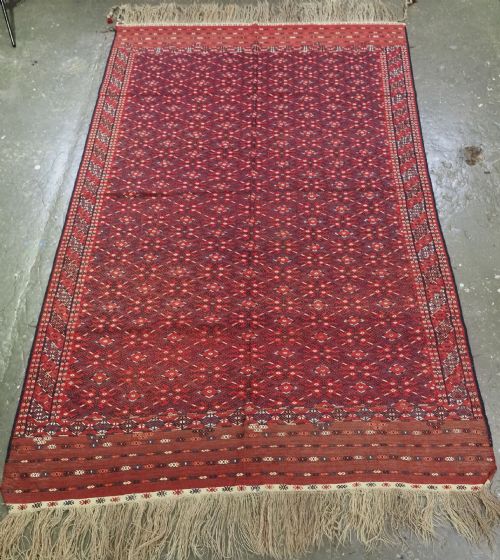
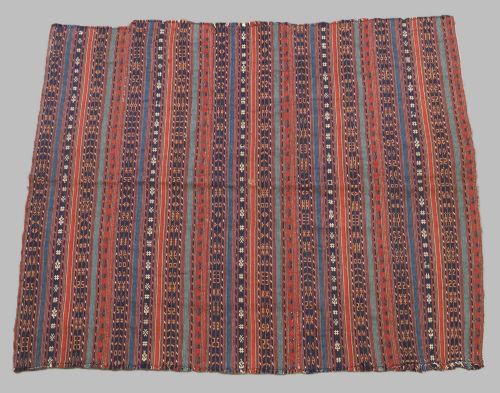
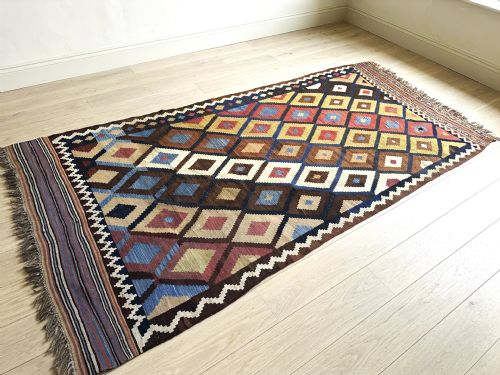
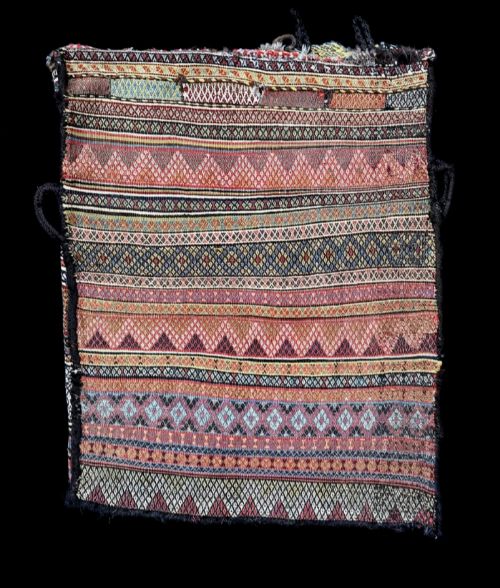
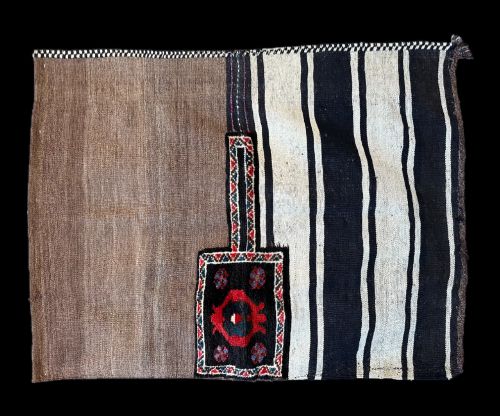
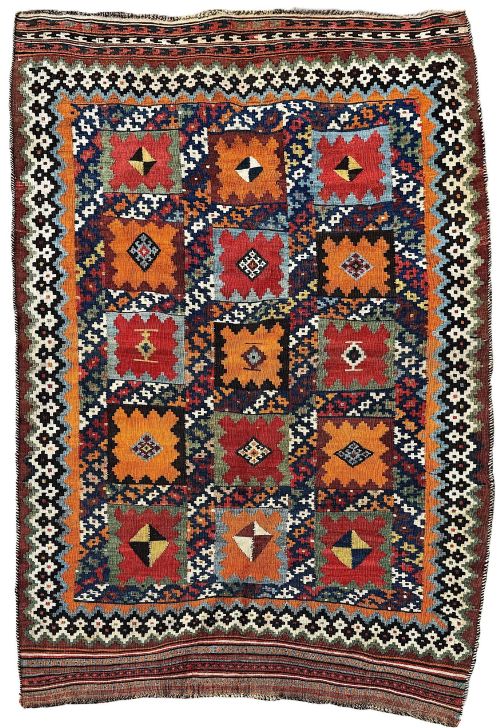
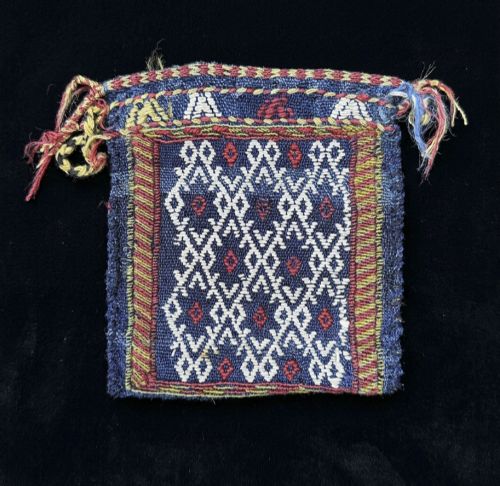
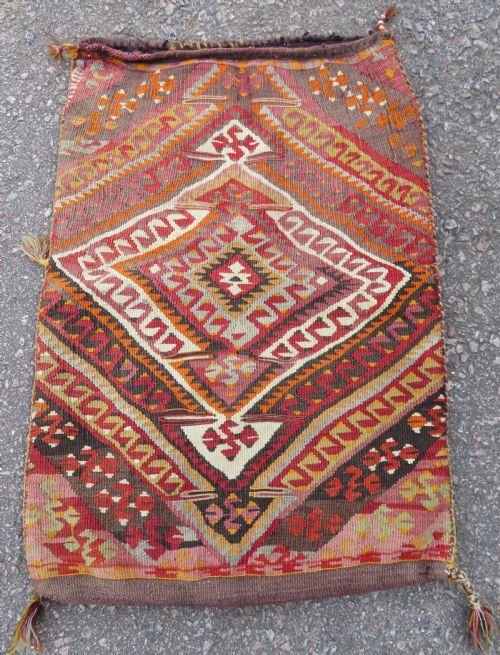
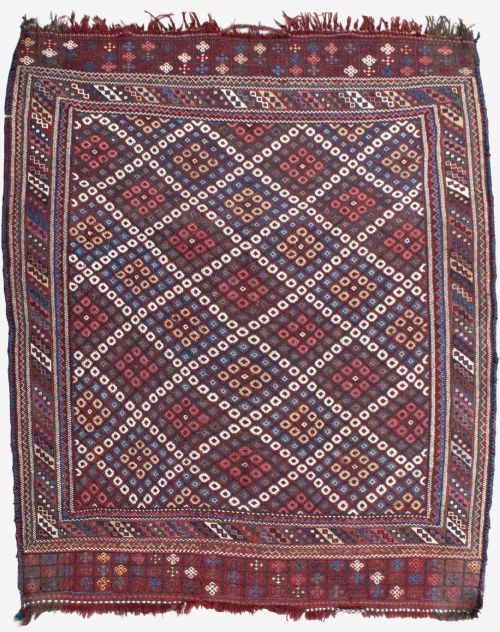
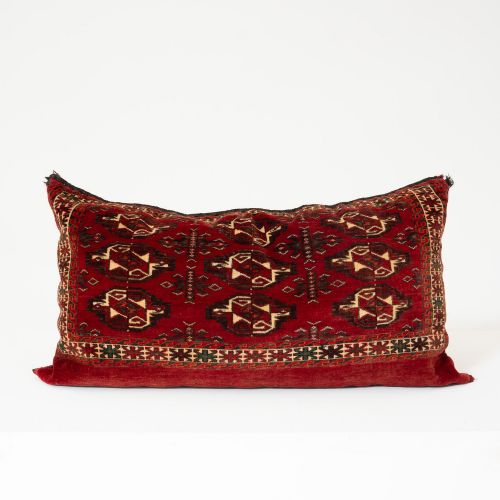
A nomadic kilim rug encompasses functional tribal weavings, including grain sacks, bread sofreh cloths, storage bags, and floor carpets produced by regional groups such as the Qashqai, Afshar, and Yomut Turkmen.
The objects on this page span the period from the mid-nineteenth century to the early twentieth century, reflecting the utilitarian needs of pastoral communities who wove for domestic use rather than export markets.
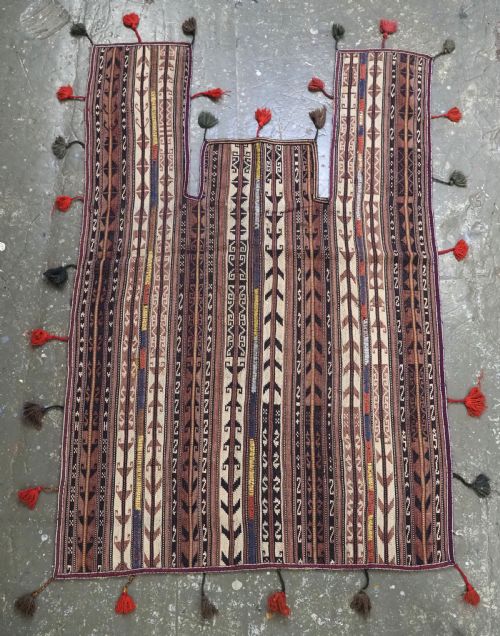
Many items originate as specific household articles, such as animal covers, saddlebags, and dining cloths, which are subsequently adapted or preserved in their original flatweave construction.
Evaluating Quality and Construction
Quality depends upon the tightness of the weave, the crispness of the geometric design, and the integrity of the natural dye palette across the textile.
Examples that retain their original structural edges, complete formats like functional sofreh cloths, and intact wool pile or flatweave backs demonstrate superior preservation.
Nomadic Kilim Rug Retail Price Guide 2026
Typical asking prices for nomadic kilim rug among the pieces listed under this phrase on Sellingantiques today, from the lower quarter to the upper quarter. They describe what is for sale here now, not the wider market.
The inventory records diverse tribal origins, including Baluch, Shahsevan, Bakhtiari, and Uzbek communities across Central Asia and Persia.
The Nomadic Kilim Rug Glossary
- Kilim
- A flatweave textile produced without a pile by tightly interweaving warp and weft threads. This technique creates a lightweight rug with identical patterns visible on both sides.
- Sofreh
- A woven spread or cloth used traditionally for sharing meals or preparing bread dough within nomadic households. These items frequently display striking minimalist geometry.
- Mafrash
- A large rectangular storage bag or travel chest face woven by nomadic groups to transport household goods. Panels from these containers are often repurposed into smaller flatweave rugs.
- Warp
- The stationary vertical threads stretched lengthwise on a loom before weaving begins. The weft is passed horizontally over and under these foundational threads.
- Weft
- The horizontal strands passed through the warp threads to build the pattern and colour blocks of the textile. Tightly packed wefts completely obscure the underlying warp.
Nomadic Kilim Rug: Frequently Asked Questions
What is a nomadic kilim rug?
A nomadic kilim rug is a flatweave textile made by pastoral tribal groups in regions such as Persia, Anatolia, and Central Asia. These pieces were woven for everyday utility rather than formal decoration.
They encompass diverse domestic objects, including grain sacks, bread cloths, and horse blankets, all constructed without a pile using hand-spun wool and natural dyes.
How were kilims used originally?
Nomads utilised these flatweaves for practical domestic and transport functions within daily camp life. Sofreh cloths served as clean surfaces for rolling bread dough and sharing communal meals.
Other items functioned as saddlebags, storage containers, and animal covers, designed to withstand rigorous movement and heavy handling across seasonal migrations.
How do I care for an antique kilim?
Care requires gentle handling, regular low-suction vacuuming without a rotating brush, and professional textile cleaning when necessary. Keeping the textile out of direct sunlight prevents natural dye fading.
Using a breathable underlay helps hold the flatweave securely in place on hard floors while reducing friction during everyday foot traffic.
How are tribal regions identified?
Tribal origins are determined by examining specific structural traits, dye palettes, and characteristic geometric motifs associated with groups like the Qashqai, Afshar, or Yomut Turkmen. Regional weaving centres and confederations often imparted distinct design signatures.
Comparing border arrangements and wool preparation techniques helps specialists connect individual flatweaves to specific geographical areas and nomadic communities.