
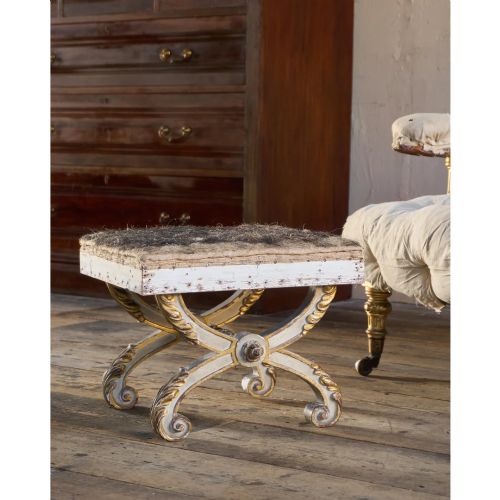
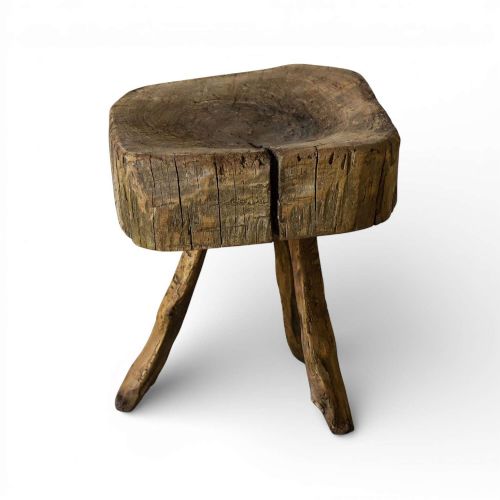
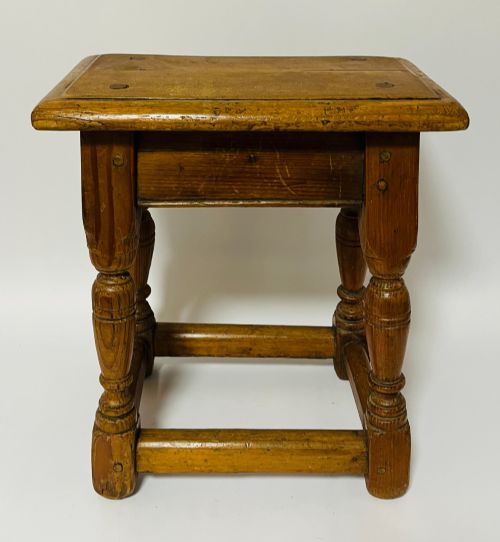
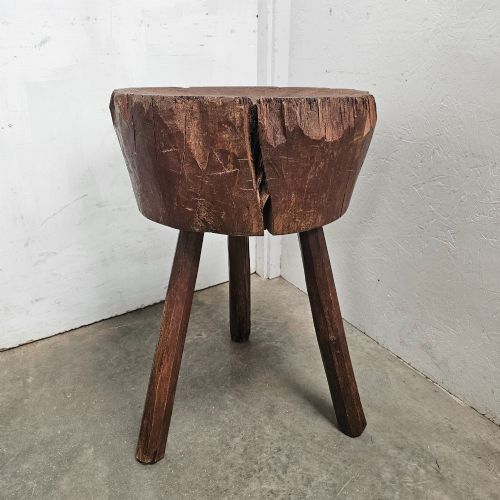
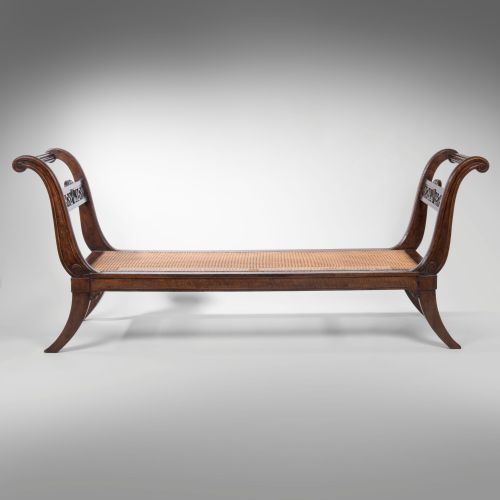


Nineteenth Century Wooden Stool
A nineteenth century wooden stool brings genuine period character to a room, offering practical seating or a surface with honest history.
Nineteenth Century Wooden Stool
A nineteenth century wooden stool encompasses a diverse group of seating and low surfaces, ranging from vernacular elm country pieces to formal mahogany window seats. Buyers searching for a nineteenth century wooden stool encounter everything from rustic chopping blocks and joint stools to revolving piano stools and upholstered ottomans.
The selection reflects both refined domestic interiors and utilitarian workshops, spanning styles from Regency and Victorian to vernacular rural and Anglo-Indian. Forms vary significantly, including footstools, bedsteps, and benches shaped by their specific original functions in the home or workplace.
How they were made
Cabinet makers and rural artisans utilised dense timbers such as mahogany, rosewood, elm, beech, and walnut, often combining structural hardwoods with softer pine or fruitwood elements. Joinery methods relied on traditional techniques like mortise and tenon joints, hand-carving, and sturdy turning to ensure daily utility.
Upholstered examples integrate original or period-appropriate fabric coverings, webbing, and stuffing materials, while utilitarian blocks rely on solid, unadorned sections of timber mounted on robust legs.
Several items double as game blocks and chopping blocks, proving nineteenth-century furniture worked just as hard in the kitchen as the parlour.
What varies in quality
The standard of a nineteenth century wooden stool rests primarily on the integrity of its timber and the precision of its construction. Pieces fashioned from choice hardwoods like rosewood or finely figured mahogany display superior cabinet-making compared to more utilitarian pine or beech workshop items.
Originality of surface finish and mechanism functionality also define the upper tier. Adjustable piano stools and revolving seats that retain their original mechanical components command greater interest than those altered or repaired over time.
Miles & Edwards
The Nineteenth Century Wooden Stool Glossary
- Joint stool
- An early form of wooden stool constructed using mortise and tenon joints held together with wooden pins. These sturdy pieces predate more complex upholstered seating.
- Bedsteps
- A set of small steps used to reach high historical beds, often incorporating clever internal storage compartments or leather-lined treads.
- Sgabello
- A light, portable wooden chair or stool featuring a distinctive high back and solid trestle-like supports instead of traditional legs. Originating in the Renaissance, later iterations appeared in the nineteenth century.
- Curule stool
- A seat featuring intersecting X-frame supports, historically denoting authority and adopting classical Roman forms. Nineteenth-century interpretations often utilise mahogany or rosewood with upholstered seats.
Nineteenth Century Wooden Stool: Frequently Asked Questions
How do I clean a wooden stool?
Dust the timber regularly with a soft, dry cloth to prevent dirt accumulation. Avoid modern chemical sprays that can damage historical wax or polish finishes.
Apply a traditional beeswax sparingly when the wood appears dry, buffing it gently to maintain a natural lustre.
Can I use these stools daily?
Most nineteenth century wooden stools were built for rigorous daily use and remain structurally robust. Solid timber and traditional joinery ensure they handle regular weight without issue.
Upholstered or adjustable pieces benefit from mindful handling to preserve delicate mechanisms and historical fabrics.
How do I identify the wood type?
Examine the grain patterns, colour variations, and weight of the timber. Mahogany and rosewood exhibit deep reddish-brown tones and heavy densities, whereas elm displays a distinctive interlocking grain.
Comparing the texture and patina against known examples helps distinguish between domestic hardwoods and exotic imports.
Are piano stools adjustable?
Many nineteenth century piano stools feature a revolving mechanism that allows the user to alter the seating height by turning the top. Metal screws and wooden threads beneath the seat facilitate this movement.
Care should be taken not to force the screw past its natural stopping point during adjustment.