
Nineteenth Century Wood Carving
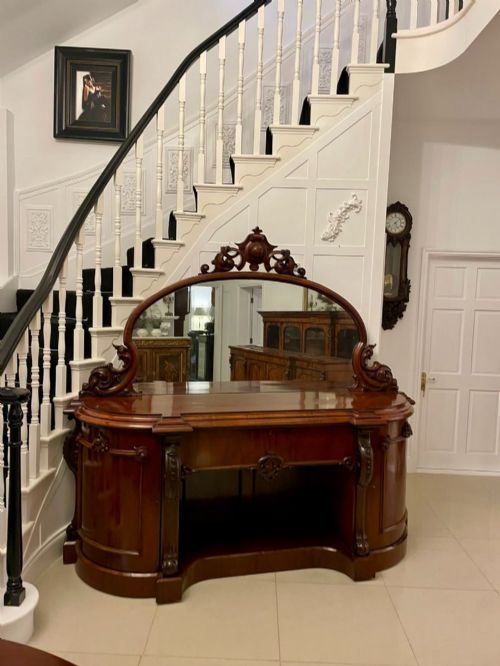
Nineteenth century wood carving brings substance and sculptural form into a room through mirrors, seating, and occasional tables shaped by hand.
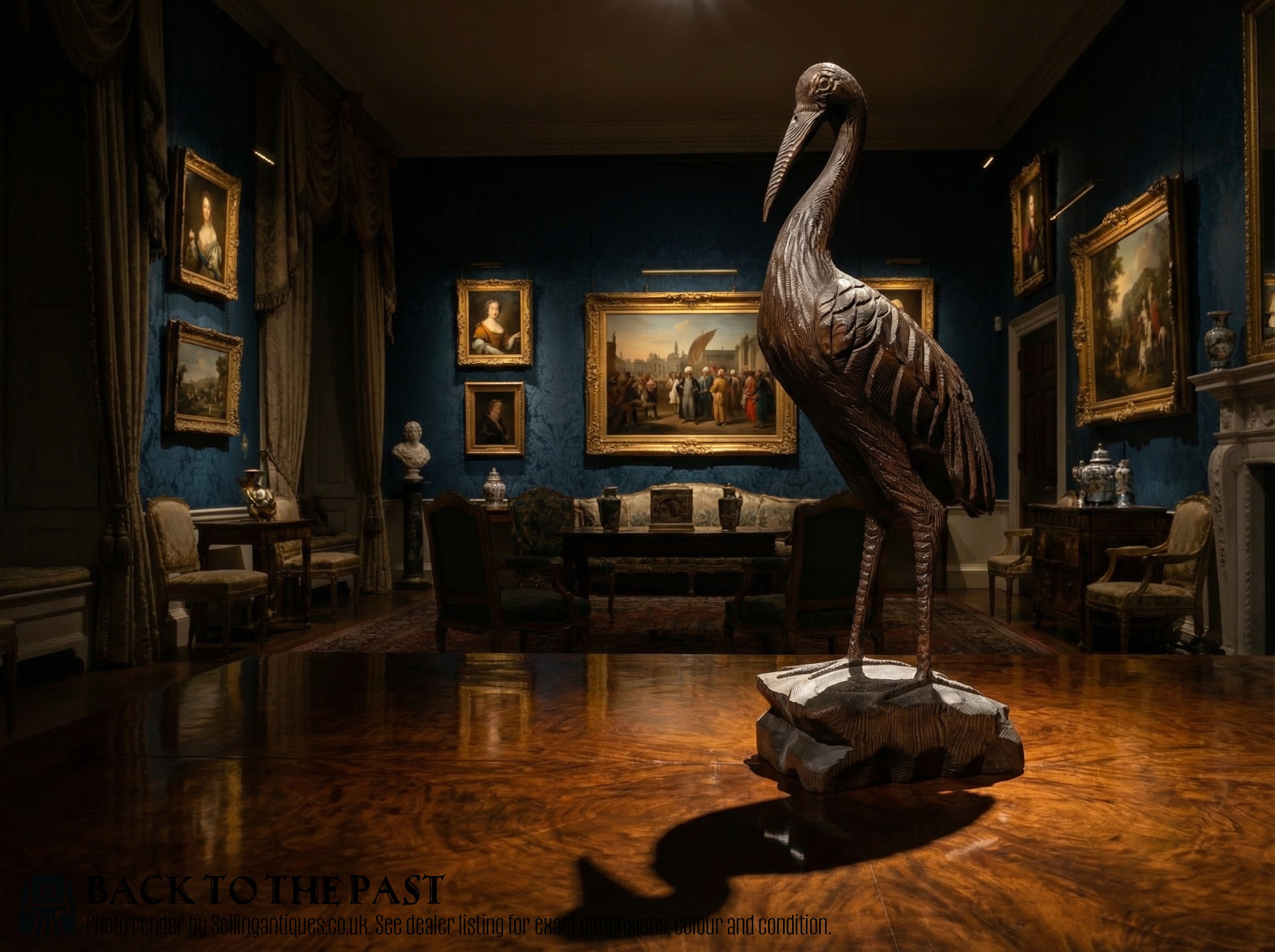
Nineteenth Century Wood Carving
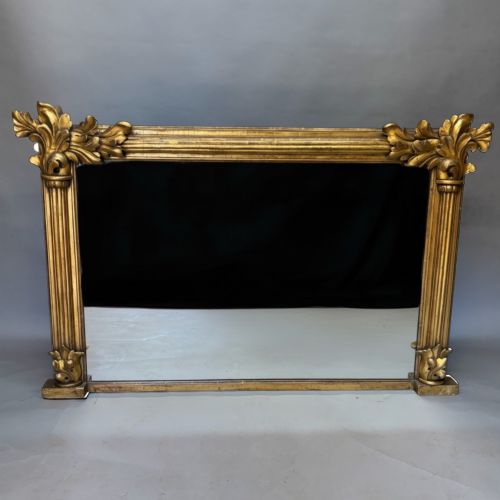
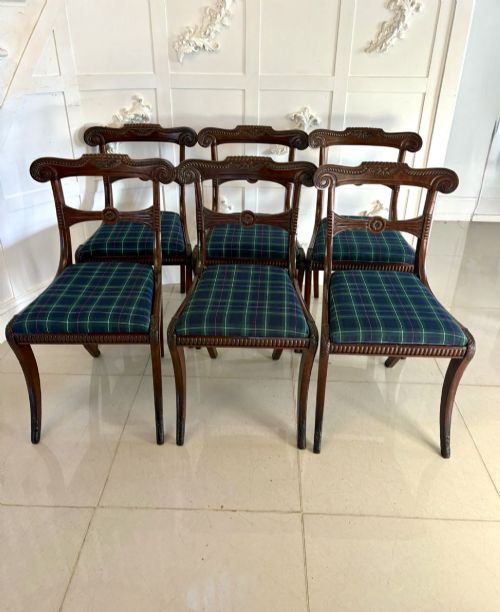
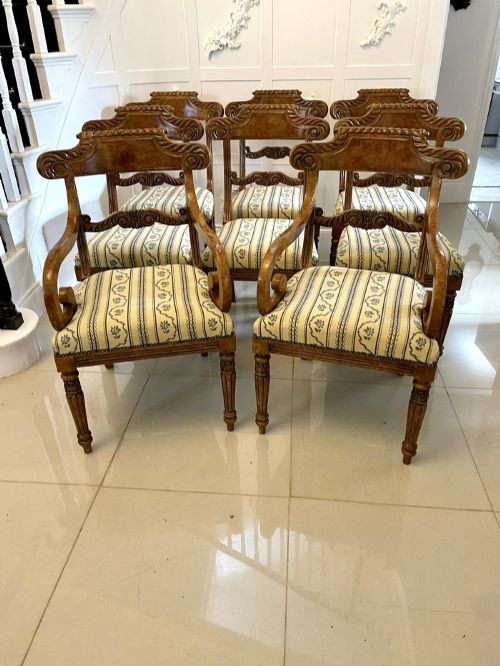
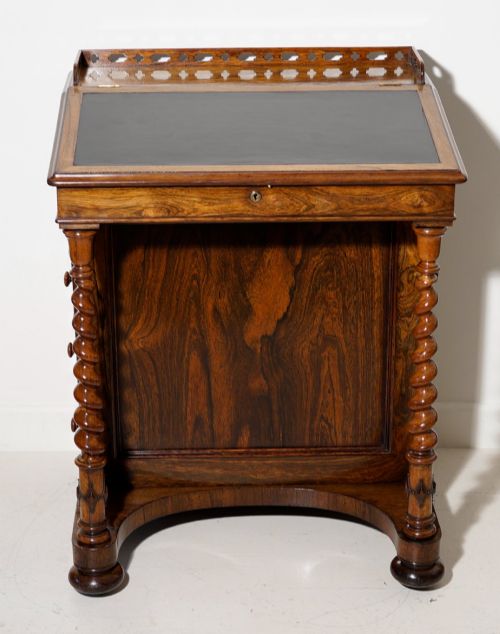
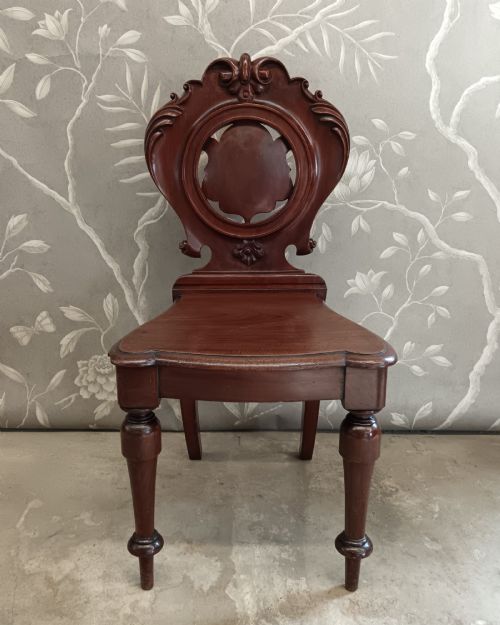
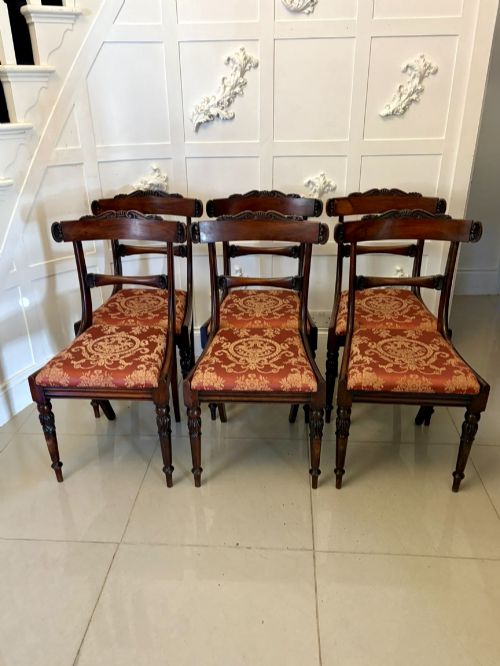
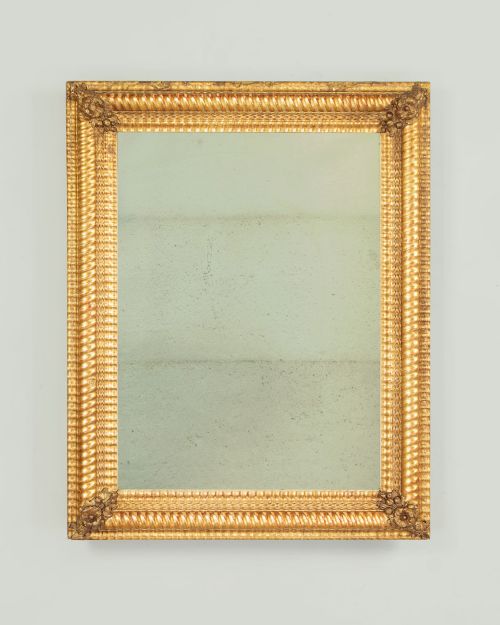
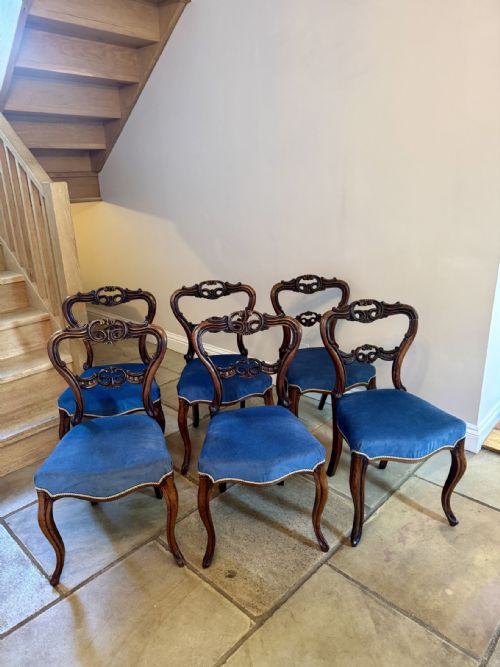
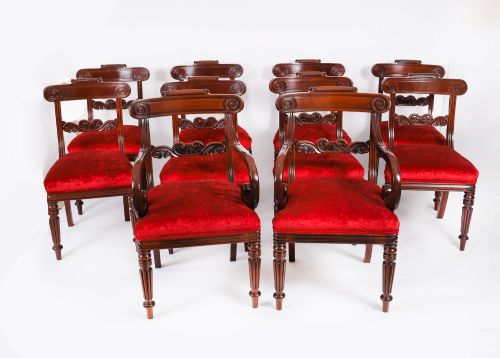
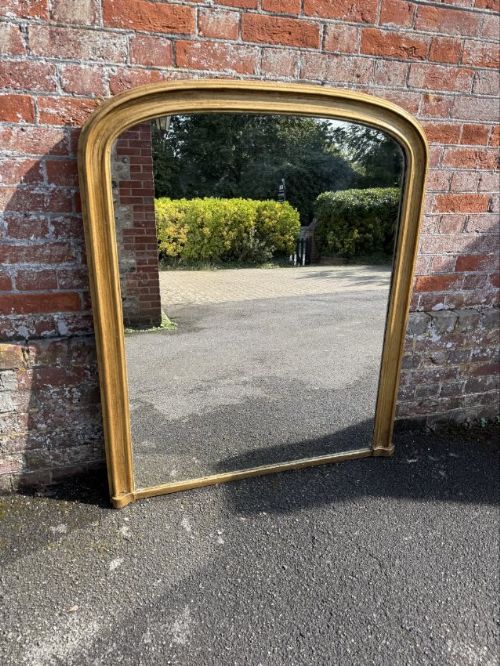
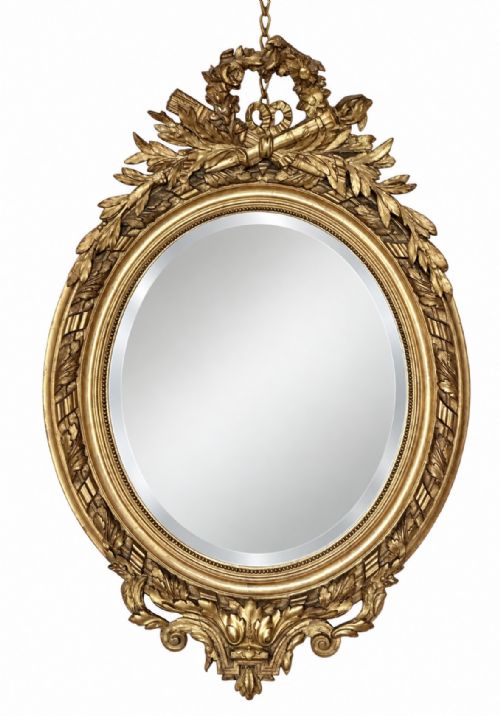
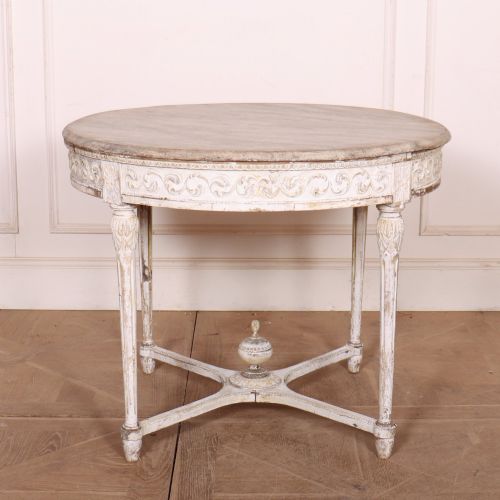
Buyers seeking nineteenth century wood carving encounter a diverse mix of furnishings and decorative objects spanning the decades from Regency to late Victorian. The selection on this page centres heavily on large giltwood overmantel mirrors, dining chairs in mahogany and rosewood, and small functional items such as card tables and lap desks. English and French origins dominate, alongside specific continental and Asian pieces reflecting historical revival styles.
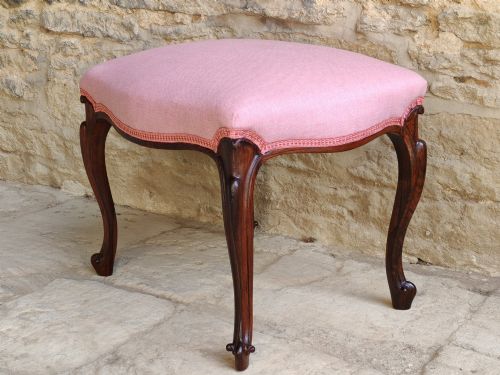
Beyond large furniture, the evidence reveals smaller domestic carvings including pier glasses, display cabinets, footstools, and curious utilitarian items like match dispensers and knitting sheaths. These objects range from restrained Regency designs to ornate Victorian folk art and Gothic Revival interpretations. Each piece demonstrates how hand shaping was applied to both grand architectural fittings and modest household companions.
Materials and construction methods
Makers of nineteenth century wood carving relied primarily on dense hardwoods like mahogany, rosewood, oak, and walnut as structural bases for furniture and smaller decorative figures. Giltwood and gesso surfaces appear frequently on mirrors and frames, where plaster was built up over a wooden substrate before applying gold leaf. Inlays of brass and secondary woods add geometric contrast to rosewood tabletops and cabinets.
Cabinetmakers and carvers utilised traditional joinery combined with hand chiselling to achieve deep relief work, acanthus leaf decoration, and figurative details. Surfaces were finished with oils, polishes, or gilt layers that patinated with age, preserving tool marks and the natural grain of fruitwood and hardwood alike.
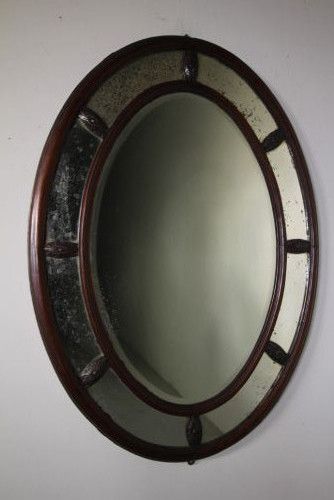
Listings incorporate dining chairs, console tables, and display cabinets alongside wall mirrors fashioned from mahogany, rosewood, oak, and giltwood.
Judging the quality of carving
Quality in nineteenth century wood carving rests primarily on the crispness and depth of the hand tool work rather than the mere presence of decoration. Superior examples display sharp undercutting, balanced symmetry in architectural motifs, and sensitive detailing in figurative subjects such as animals or human figures. Softer, rounded edges on acanthus leaves or heavy, uniform machine shaping indicate lower grade production.
The choice of timber and the integrity of the underlying construction further separate standard items from exceptional ones. Solid mahogany and figured rosewood with well-matched grain command greater respect than secondary woods hastily masked by thick finishes. Original gilding surfaces that retain their burnished highlights without heavy modern overpainting also mark a superior surviving object.
The Nineteenth Century Wood Carving Glossary
- Gesso
- A plaster mix applied to wood frames or mirror backs to create a smooth, mouldable base for gilding. It allows carvers to achieve sharp relief details before applying gold leaf.
- Overmantel mirror
- A large wall glass designed to hang directly above a fireplace mantelpiece. These pieces often feature heavily carved wooden frames and arched tops.
- Gueridon
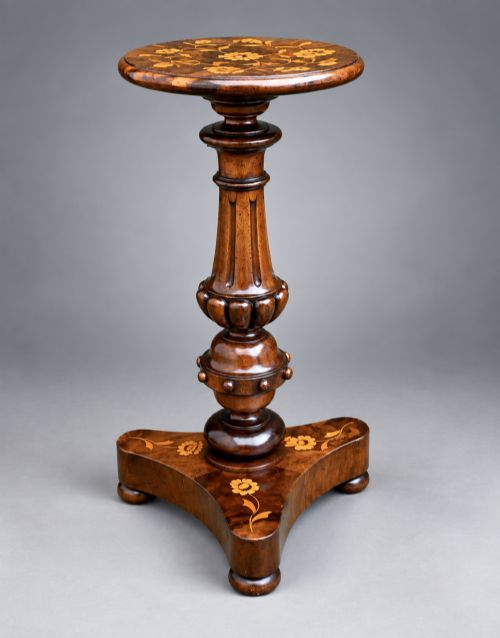
- A small, circular occasional table supported by a single central column or figural standard. Originating in France, these tables utilise decorative wood veneers and carved pedestals.
- Treen
- Small, functional wooden household objects made by turning or carving. Items like knitting sheaths and match dispensers fall into this category of domestic folk art.
Nineteenth Century Wood Carving: Frequently Asked Questions
What periods do these carvings cover?
The listings span the entire nineteenth century, encompassing Regency, William IV, mid-Victorian, and late Victorian eras. Stylistic influences range from Gothic Revival to French Louis XV taste.
Dates specified in titles often reference particular decades such as eighteen fifty or eighteen seventy, reflecting the prevailing design trends of those specific years.
How do I identify a giltwood mirror frame?
A genuine antique giltwood frame consists of real gold leaf applied over a prepared gesso layer on top of a carved wooden base. Close inspection reveals subtle seams in the leaf and natural wear where the underlying red bole or bare wood shows through.
Mass-produced later alternatives often use modern metallic paints that lack the depth and variable reflectivity of genuine nineteenth century gilding.
Where were these wooden pieces made?
The pieces originate predominantly from English and French workshops, reflecting major centres of nineteenth century furniture production and decorative arts. Additional items hail from Swedish, Italian, and Asian makers.
Regional differences appear in the choice of primary timbers, such as Cuban mahogany in English tables and bleached walnut in continental pieces.
How should I care for antique carved wood?
Antique carved wood requires stable indoor humidity and protection from direct sunlight to prevent the timber from drying out and splitting. Dusting gently with a dry, soft brush helps clear debris from deep recesses without wearing down delicate edges.
Avoid liquid polishes containing silicone, relying instead on traditional microcrystalline waxes sparingly applied to nourish the historic surface.