

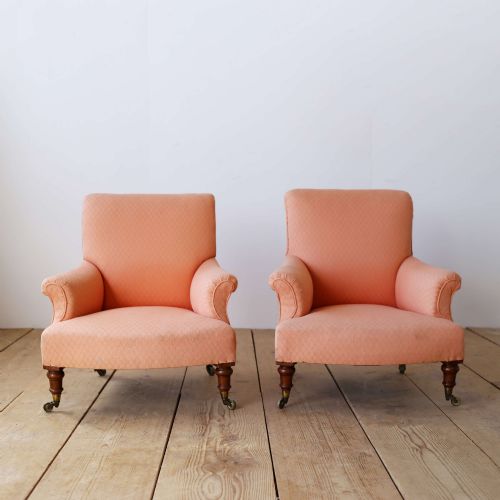
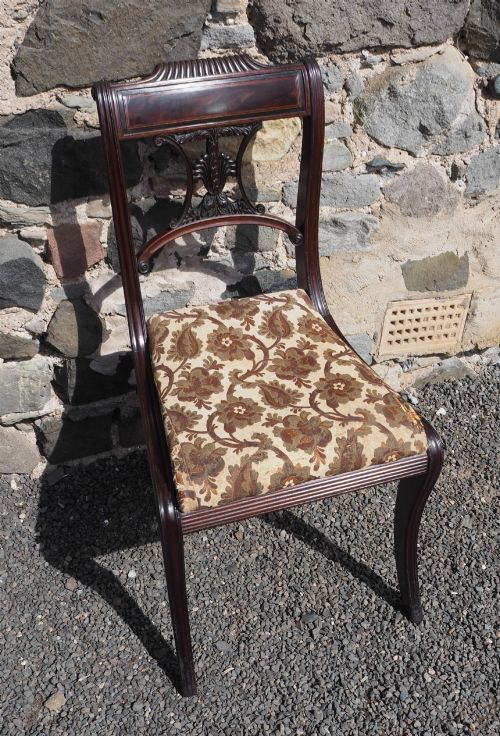
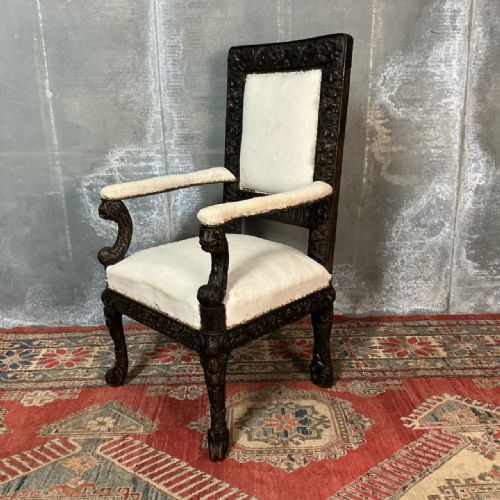

Nineteenth Century Upholstered Chair
A nineteenth century upholstered chair brings tactile warmth and period design to a room, offering diverse forms from nursing chairs to library armchairs.
Nineteenth Century Upholstered Chair
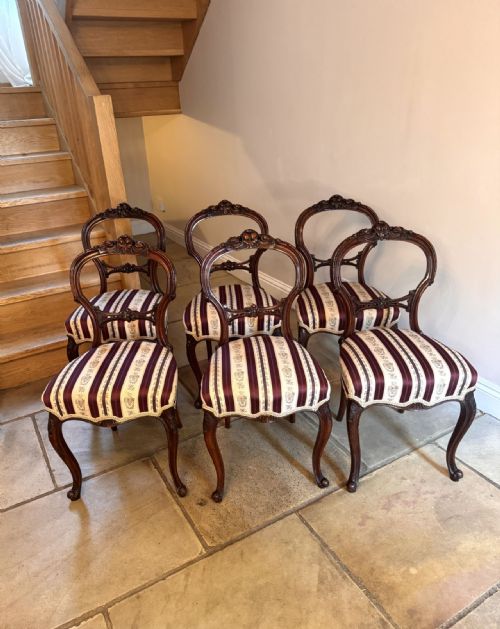
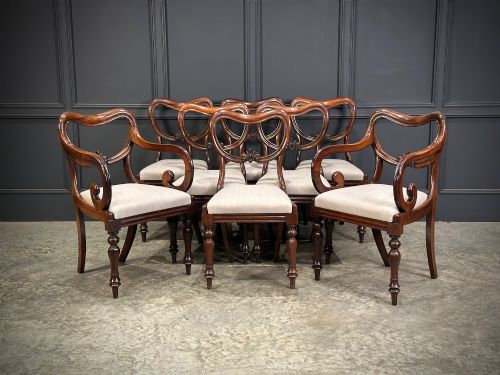
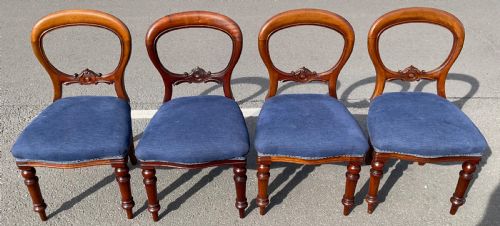
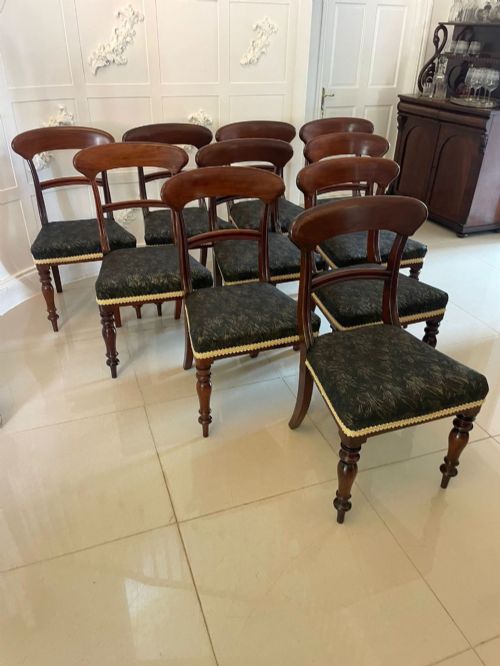
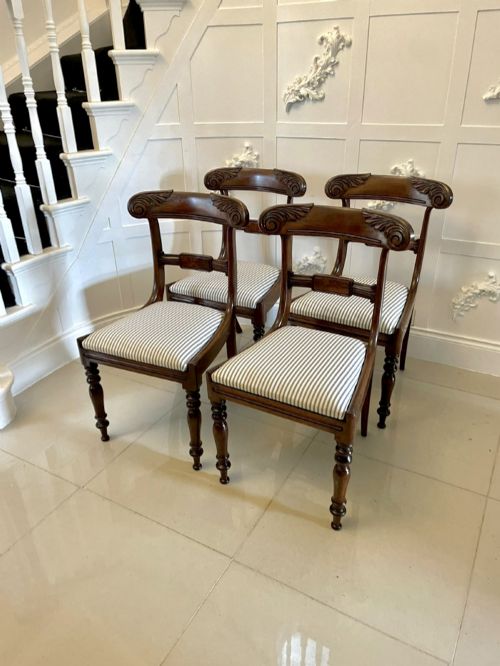
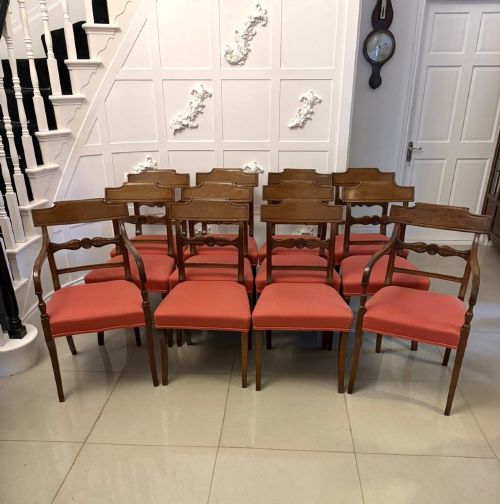
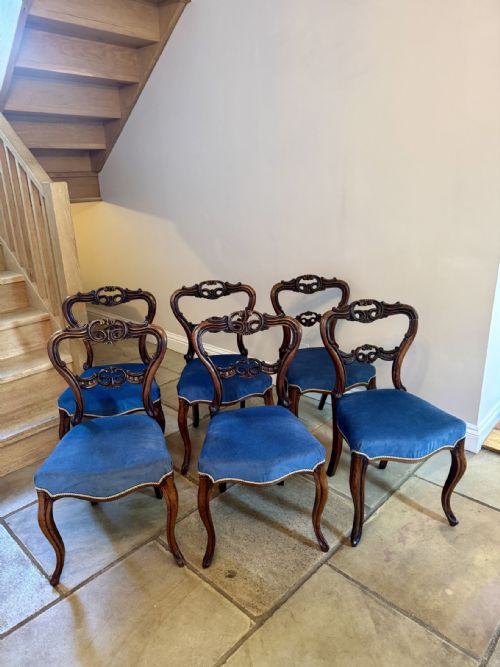
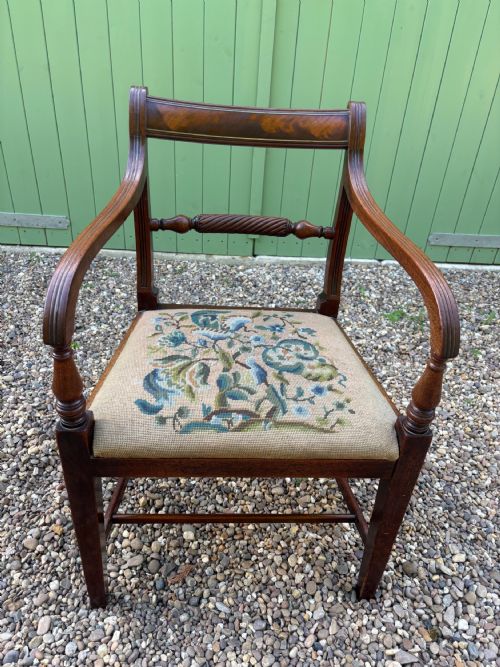
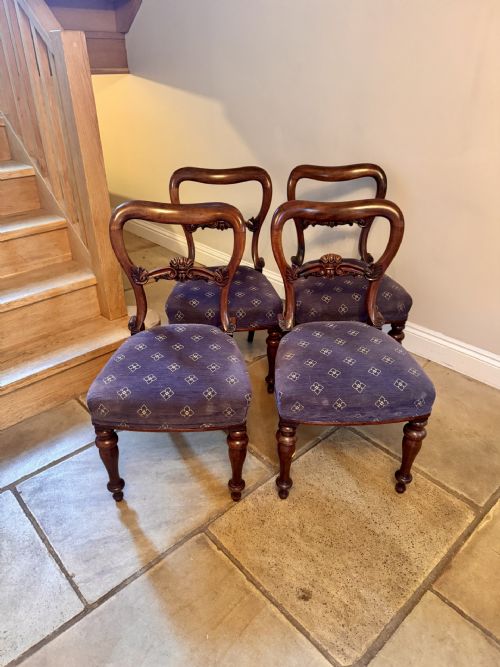
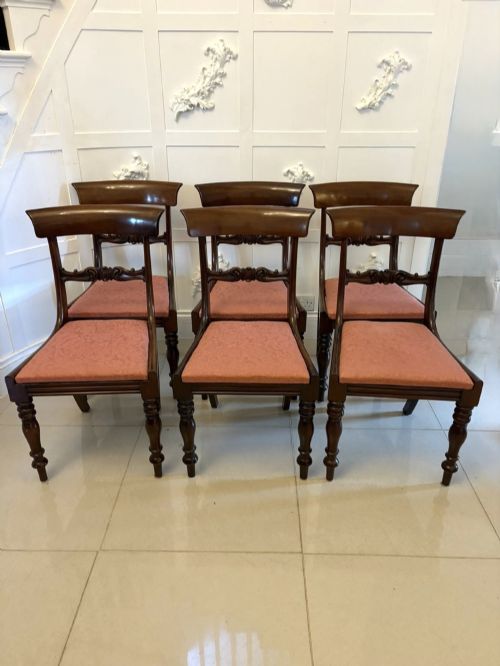
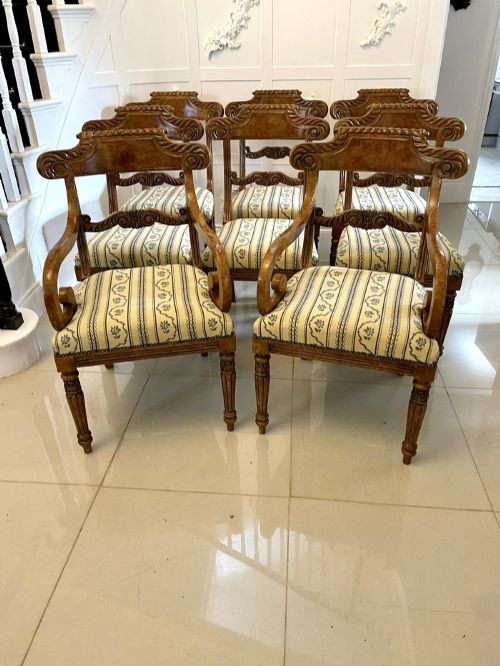
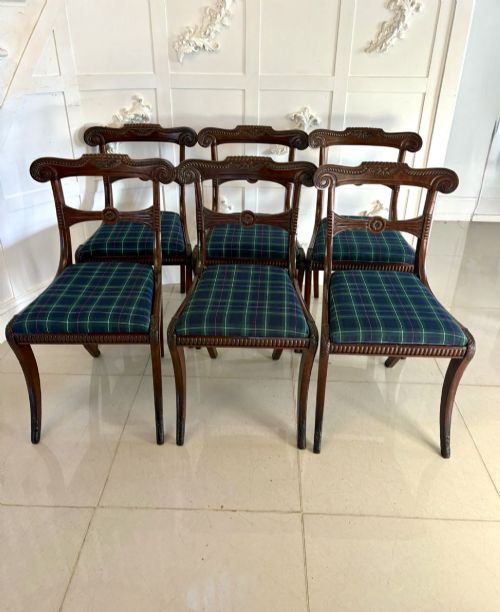
A nineteenth century upholstered chair encompasses a wide variety of seating forms, ranging from dining chairs and nursing chairs to substantial library armchairs and chaise longues. Buyers searching for a nineteenth century upholstered chair will encounter numerous Victorian and Regency examples suited for parlours, bedrooms, and studies.
The selection frequently includes mahogany and walnut dining sets alongside individual parlour chairs, slipper chairs, and specialised reading armchairs. These pieces reflect the evolving domestic comfort and stylistic preferences spanning from the early eighteen hundreds through to the end of the century.
Origin and form dictate the specific character of each piece, with English walnut and mahogany frames appearing alongside French salon designs. Whether seeking a low-seated nursing chair or a pair of button-backed armchairs, buyers find substantial variation in timber and upholstery.
Materials and construction methods
Makers utilised dense hardwoods such as mahogany, walnut, rosewood, and oak for structural frames, often employing brass inlay or delicate turning techniques like barley twists. These timbers provided the necessary strength to support upholstered elements while displaying rich grain patterns.
Textiles played a central role in the final construction, utilising fabrics such as velvet and traditional upholstery materials over supportive internal stuffing. Skilled cabinetmakers combined robust wooden joinery with layered textile work to create durable seating.
Surface treatments ranged from ebonised finishes and simulated rosewood to polished satin birch and standard French polishing. Such methods enhanced the visual appeal of the timber frames supporting the padded seats and backs.
Nineteenth Century Upholstered Chair Retail Price Guide 2026
Typical asking prices for nineteenth century upholstered chair among the pieces listed under this phrase on Sellingantiques today, from the lower quarter to the upper quarter. They describe what is for sale here now, not the wider market.
Folding campaign chairs allowed nineteenth century officers to sit in comfort while maintaining absolute portability across rugged terrain.
Factors determining quality
The refinement of the timber carving and the integrity of the underlying wooden frame set superior examples apart from standard production pieces. Dense hardwoods with precise joinery and sophisticated decorative elements like brass inlay indicate higher workshop standards.
The pedigree of the maker and the originality of the structural components heavily influence the standing of any given piece. Well-documented makers and intact frames retain greater historical integrity than heavily altered or reconstructed items.
Proportion and execution in the style, whether Regency elegance or Victorian robustness, dictate the visual success of the chair. Balanced forms and careful attention to detail distinguish finer parlour and dining seating.
Howard and Sons·C. Hindley and Sons·James Shoolbred
The Nineteenth Century Upholstered Chair Glossary
- Barley twist
- A type of decorative wood turning resembling a twisted rope, commonly found on Victorian chair legs and stretchers. This technique added textural detail to structural supports.
- Nursing chair
- A low-seated armchair designed to allow comfortable holding and tending of infants near a fire. They typically feature generous upholstery and lowered seats.
- Prie dieu
- A devotional chair featuring a narrow shelf or rest at the top for kneeling and prayer. These Victorian pieces often utilised rich textiles and turned wooden frames.
- Slipper chair
- A low, upholstered bedroom chair originally used by ladies while putting on shoes or slippers. Their compact height and comfortable padding made them practical bedroom furniture.
Nineteenth Century Upholstered Chair: Frequently Asked Questions
What defines a Victorian nursing chair?
A Victorian nursing chair is characterised by a noticeably lower seat height, designed originally to make tending to infants more comfortable by the hearth. These chairs often feature generous upholstery and sprung seats.
They frequently appear in bedroom or parlour settings, displaying walnut or mahogany frames with various revival styles.
How do Regency chairs differ from Victorian ones?
Regency chairs generally display lighter proportions, drawing inspiration from classical Greek and Roman designs with sabre legs and subtle brass inlay. Timbers like Cuban mahogany and rosewood are typical for this period.
Victorian chairs tend to be heavier and more robust, often featuring darker woods, button tufting, and elaborate carving such as barley twists.
Where were nineteenth century armchairs used?
Nineteenth century armchairs served various domestic functions depending on their specific form, from libraries and studies to drawing rooms and bedrooms. Library armchairs provided sturdy support for reading and working.
Smaller parlour chairs and salon seating offered flexible placement for entertaining guests and relaxing in formal rooms.
How should I care for antique upholstery fabric?
Care for antique upholstery involves gentle vacuuming with a soft brush attachment to remove dust without stressing fragile historical textiles. Direct sunlight should be avoided to prevent fading of velvet and woven fabrics.
Professional cleaning is recommended for delicate materials to preserve the integrity of the original stuffing and outer covering.