



Nineteenth Century Tiered Table
A nineteenth century tiered table brings multiple display surfaces into a room, offering practical tiers for books, plants or service.
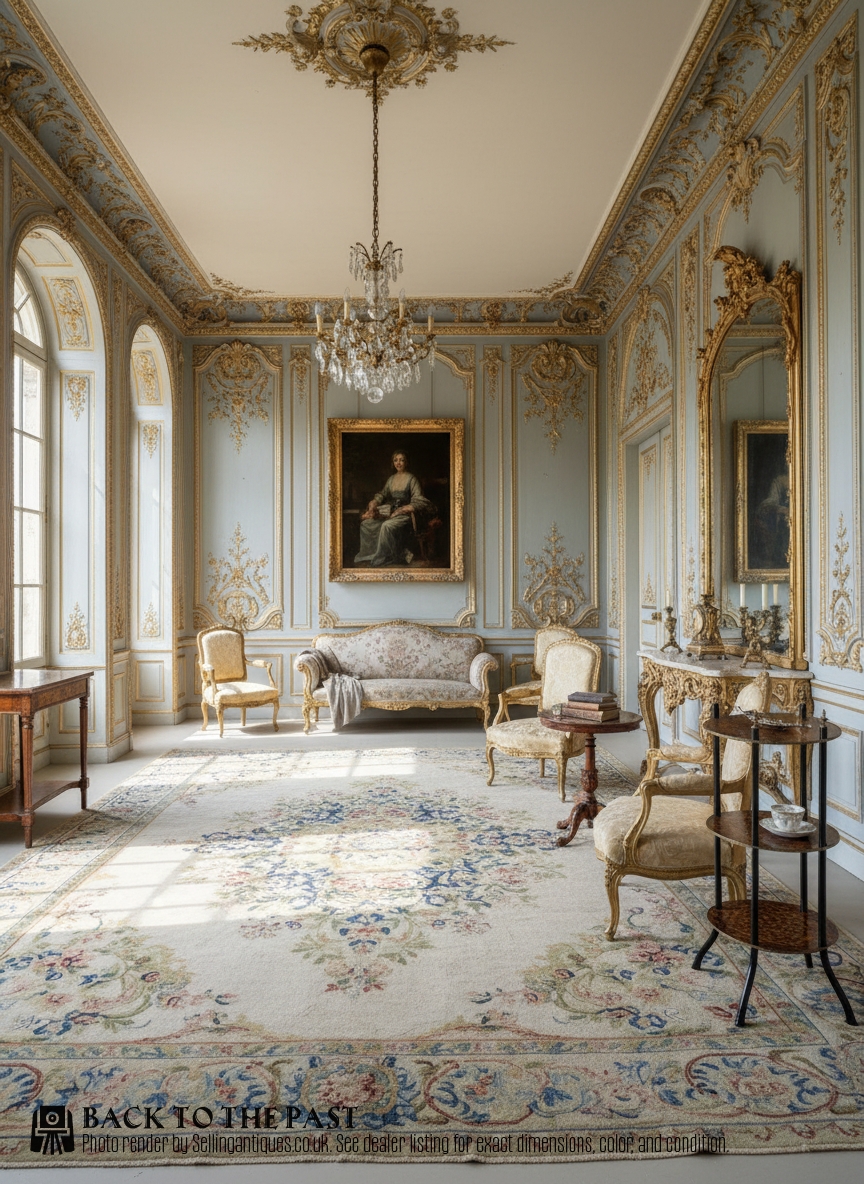
Nineteenth Century Tiered Table
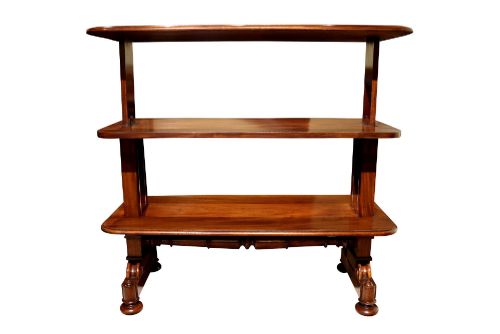
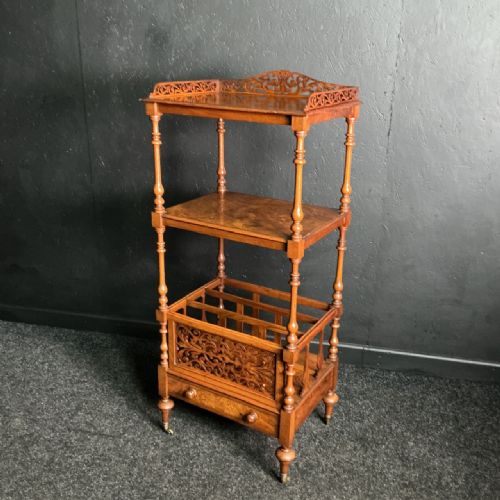
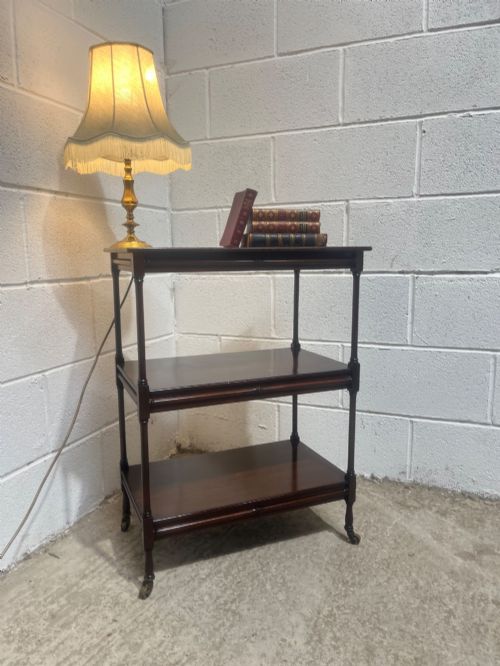
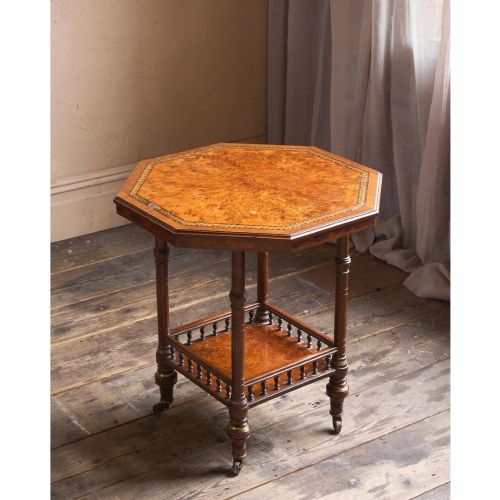
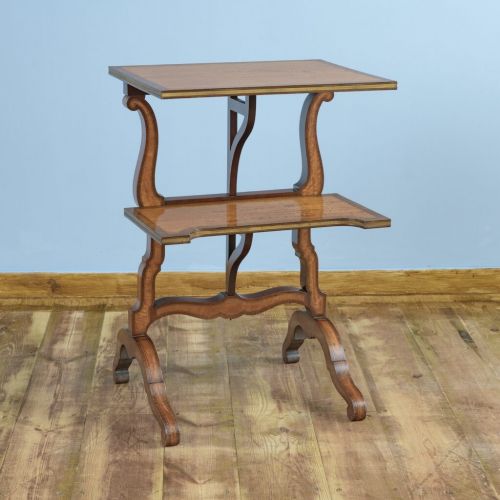
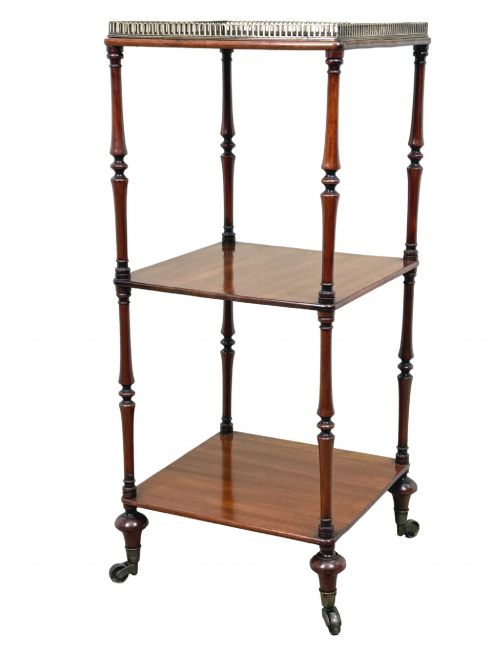
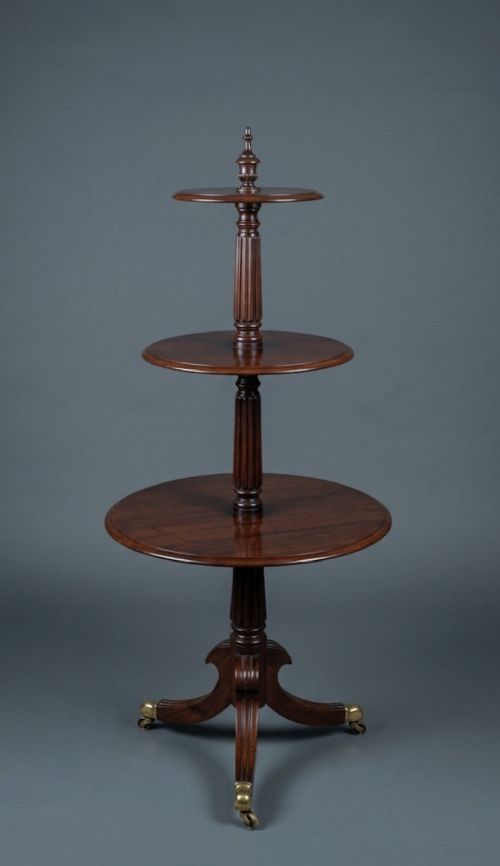
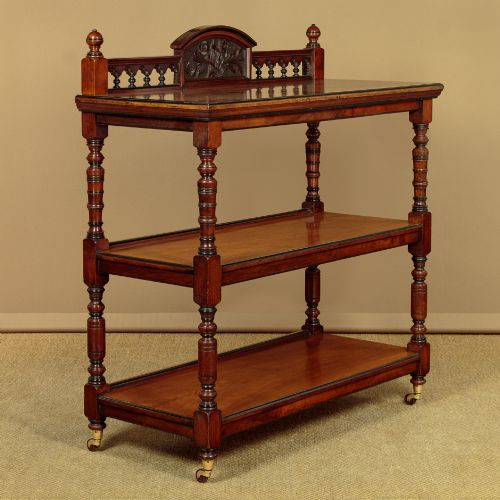
A nineteenth century tiered table is typically encountered as a whatnot, étagère, dumb waiter or occasional table offering multiple levels for display or service. These multi-tiered pieces emerge across the nineteenth century in various stylistic interpretations from English Regency designs to Victorian and Aesthetic Movement variants.
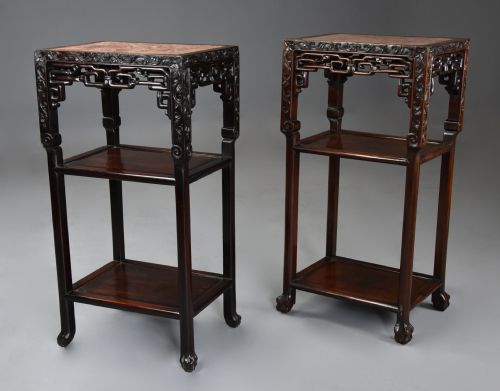
The selection ranges from mahogany and walnut whatnots with delicate turned supports to larger buffet servers and freestanding Chinese hardwood pot stands. Form follows function closely, with lower tiers providing structural stability while upper shelves display ornaments, books or serving vessels.
How they were made
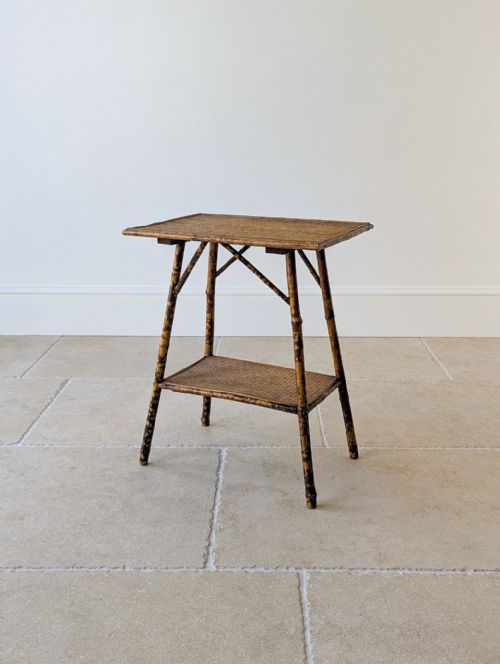
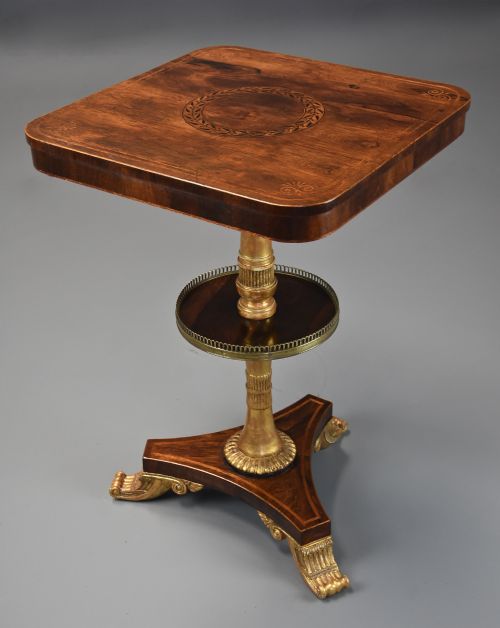
Cabinet makers utilised dense timbers such as mahogany, walnut, burr walnut and rosewood, often enhanced with marquetry inlay, satinwood banding or parcel gilt details. Structural elements frequently incorporate turned wooden columns, brass mounts and occasional bamboo or ebonised wood frames.
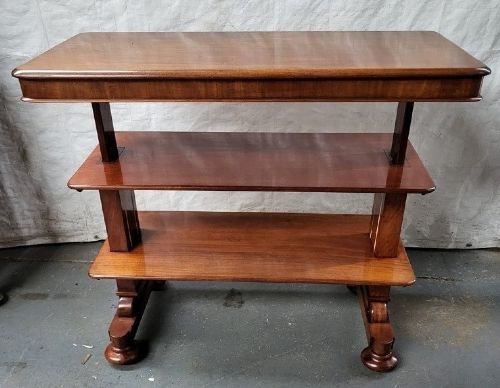
Joinery techniques reflect the period of manufacture, utilising sturdy peg and slot construction for utilitarian dumb waiters alongside precise veneering and marquetry for exhibition quality Victorian and French étagères.
What varies in quality
Quality rests upon the selection of timber veneers, the crispness of carved details and the integration of secondary materials like ormolu mounts, marble inserts or brass galleries. Superior pieces demonstrate meticulous attention to grain alignment in burr walnut or mahogany and robust framing that prevents tier wobble.
Attribution to known makers or distinctive design movements elevates certain examples, separating standard utilitarian furniture from exceptional exhibition pieces with refined marquetry or specialised mechanisms such as rise and fall actions.
Gillows·Maison Giroux·George Bullock·Francois Linke·H Ogden of Manchester
The Nineteenth Century Tiered Table Glossary
- Étagère
- A French tiered piece of furniture with open shelves for displaying small objects or ornaments. It functions similarly to the English whatnot.
- Whatnot
- A piece of furniture consisting of a set of open shelves supported by pillars, used for displaying curiosities or books.
- Dumb waiter
- A tiered piece designed to hold food, glassware or tableware, often featuring circular shelves or a rising mechanism.
- Marquetry
- Decorative inlay work using various tinted wood veneers to create pictorial or geometric patterns on the surface.
- Ormolu
- Gilded bronze ornamentation applied to furniture mounts, feet and galleries, characteristic of fine French pieces.
Nineteenth Century Tiered Table: Frequently Asked Questions
What is a nineteenth century tiered table used for?
These pieces function primarily as display surfaces for ornaments, books and collections, or as serving tables in dining settings.
Depending on the specific form, such as a dumb waiter or étagère, they provide accessible tiered storage that maximises floor space.
How do I distinguish a whatnot from an étagère?
While both describe open-shelved tiered furniture, whatnot is traditionally the English term for multi-shelf display stands.
Étagère often refers to lighter, more decorative French or French-influenced pieces featuring refined marquetry and ormolu mounts.
Where should I place a tiered table at home?
Freestanding examples suit corners or central living room spaces where objects can be viewed from multiple angles.
Smaller occasional tables and bamboo stands fit beside seating areas or against walls to hold lamps and small items.
How do I identify the period of a tiered table?
Dating relies on observing primary woods like rosewood and burr walnut alongside stylistic indicators such as Aesthetic Movement geometry or Regency reeded supports.
Construction methods and hardware, including brass mounts and turned columns, also help narrow down the decade of production.