

Nineteenth Century Storage Box
A nineteenth century storage box is a practical container built to carry valuables, linens or provisions, offering robust utility and period craftsmanship.
Nineteenth Century Storage Box
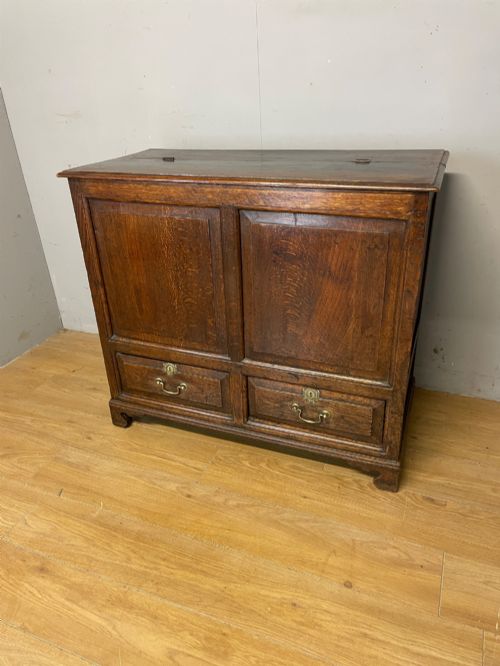
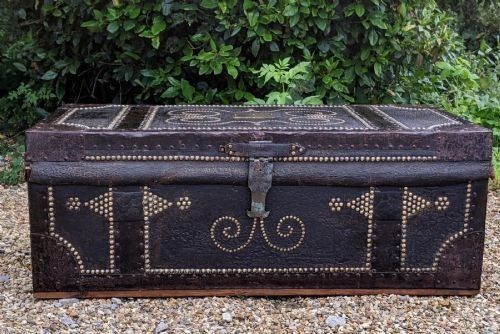
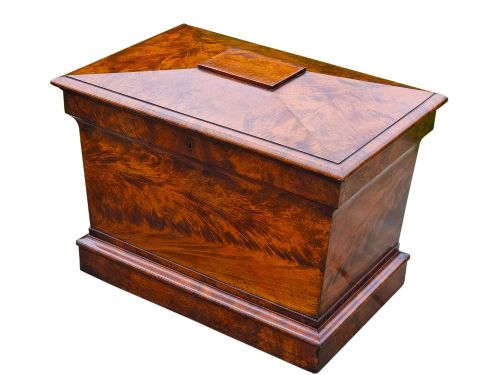
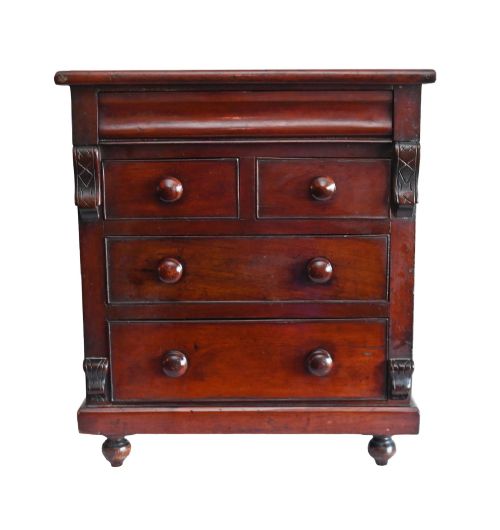
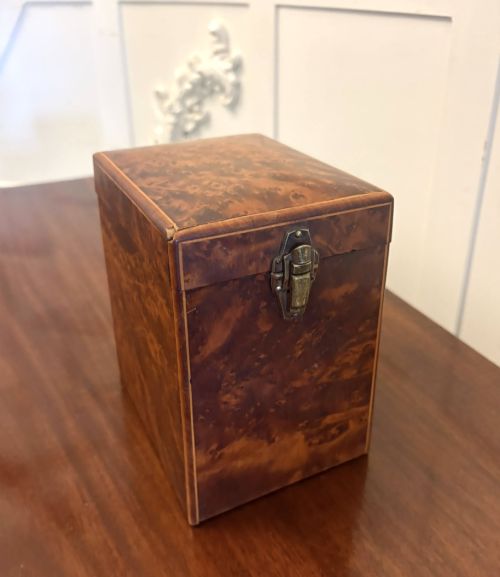
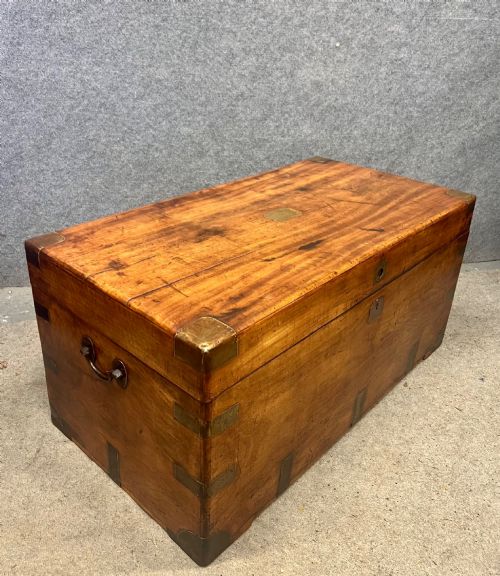
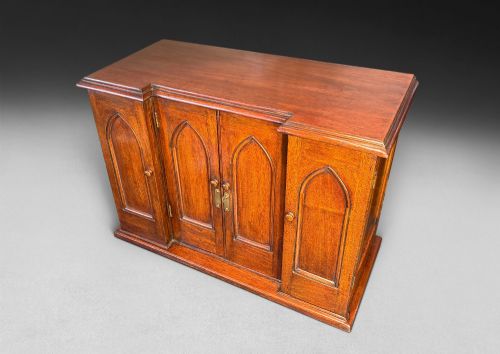
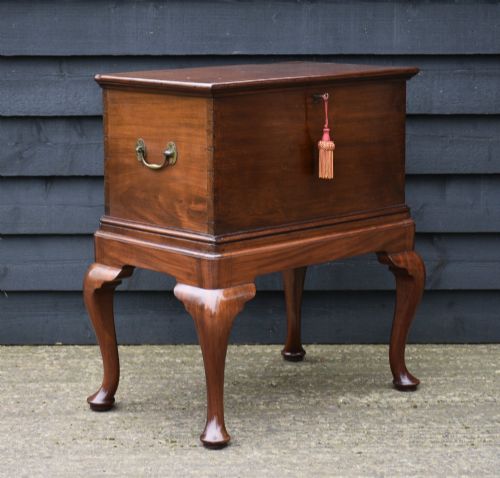
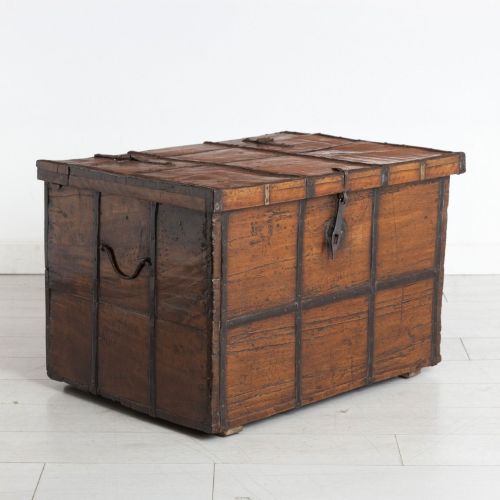
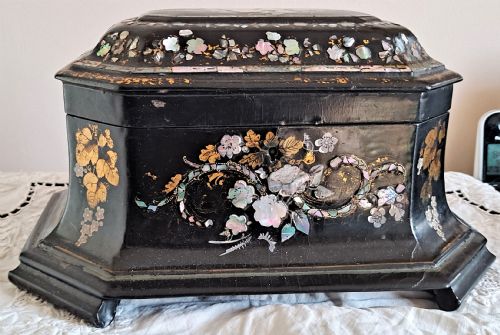
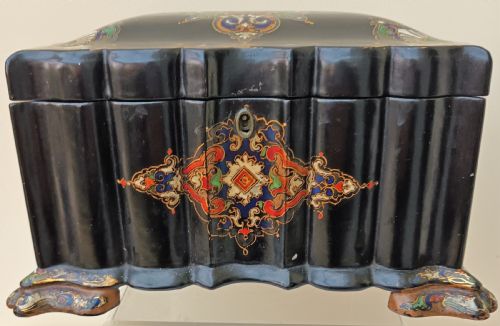
A nineteenth century storage box encompasses a wide variety of practical containers designed for domestic use, travel, or specialised collections during the 19th Century, Regency, and Victorian periods. Buyers seeking these items encounter forms ranging from heavy mahogany and camphorwood campaign trunks to delicate papier-mâché tea caddies and miniature chests.
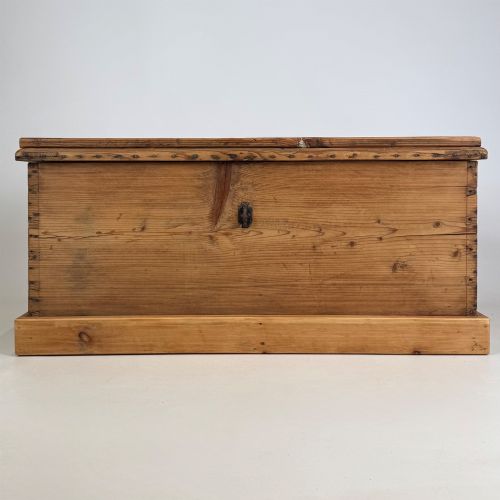
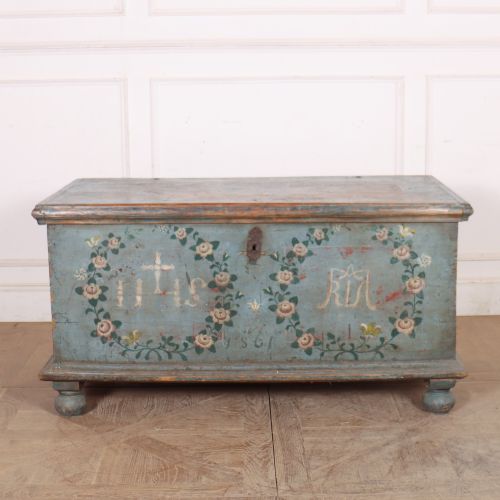
Origins vary widely across the inventory, reflecting both British craftsmanship and international trade routes. Pieces include Anglo-Indian campaign trunks, Swedish pine marriage chests, and Burmese specimen boxes alongside traditional English mahogany writing slopes.
Materials and construction methods
Cabinet makers and joiners utilised a mix of dense hardwoods and durable softwoods, frequently employing mahogany, rosewood, camphorwood, and pine. Iron bindings, brass corners, and flush handles reinforced travelling trunks and military campaign chests for harsh conditions.
Decorative surface techniques defined smaller domestic boxes, utilising mother of pearl inlay on papier-mâché, amboyna veneer, burr yew-wood, and scumbled paint finishes. Leather tooling and hide bindings added protective and ornamental layers to writing slopes and travelling trunks.
Nineteenth Century Storage Box Retail Price Guide 2026
Typical asking prices for nineteenth century storage box among the pieces listed under this phrase on Sellingantiques today, from the lower quarter to the upper quarter. They describe what is for sale here now, not the wider market.
Listings feature robust woods including mahogany, camphorwood, rosewood, and pine alongside decorative papier-mâché.
Distinguishing quality in period boxes
The standard of a nineteenth century storage box depends on the integrity of its timber, the precision of its joinery, and the retention of original interior fittings. Superior examples maintain intact compartments, working locks with original keys, and uncompromised surface veneers.
Functional hardware marks the distinction between everyday utility items and high-end pieces, with heavy brass mountings, dovetailed joints, and robust iron binding indicating superior workshop origin. Decorative finesse, such as delicate mother of pearl inlay or finely figured burr yew, separates standard receptacles from exceptional ones.
Holtzapffel and Co·Seabrook of St.Pauls·W.E Hill
The Nineteenth Century Storage Box Glossary
- Campaign trunk
- A portable storage box designed for military officers on active service, typically fitted with recessed brass handles and sectional construction for ease of transport.
- Tea caddy
- A lidded container specifically built to store dry tea leaves safely, often featuring internal compartments and a lock to protect an expensive eighteenth and nineteenth century commodity.
- Writing slope
- A portable slant-topped desk that opens to reveal a writing surface, inkwell compartments, and storage space for stationery and correspondence.
- Scumbled paint
- A decorative surface finish created by dragging a translucent glaze over a base coat to imitate the natural grain of more expensive timber.
Nineteenth Century Storage Box: Frequently Asked Questions
What is a tea poy?
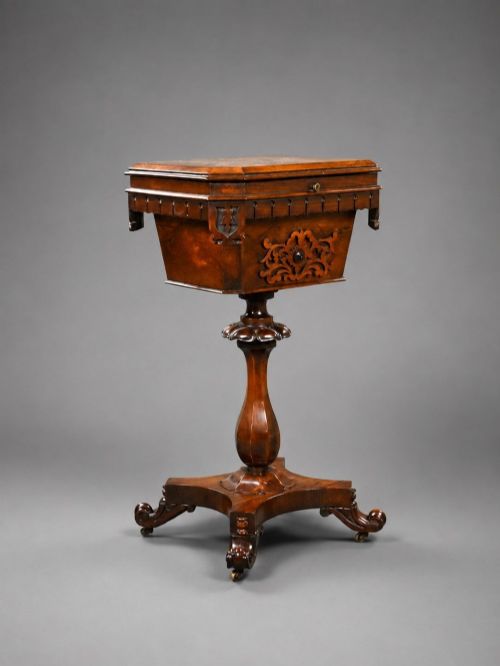
A tea poy is a small pedestal table or box designed specifically for storing and serving tea in the drawing room during the Regency and Victorian periods.
These pieces typically feature internal compartments for different tea varieties and sometimes include mixing bowls or lockable lids.
How do I care for a camphorwood trunk?
Camphorwood trunks require gentle cleaning with a dry or slightly damp cloth to preserve the natural oils and distinct aroma of the timber. Avoid placing them in direct sunlight or near intense heat sources to prevent the wood from drying out and splitting.
Regular polishing with a suitable wax maintains the surface sheen without damaging the grain of the camphor.
What distinguishes a campaign chest from a regular chest?
A campaign chest is engineered for portability and military travel, constructed in two or more stackable sections with flush brass handles and protective corner brackets. Regular chests are built as single stationary units meant for permanent domestic placement.
The modular design of campaign furniture allowed officers to pack and transport their belongings easily across campaigns.
Where were miniature chests used?
Miniature chests served primarily as apprentice pieces to showcase a craftsman's skill or as decorative tabletop storage for jewellery and small valuables in Victorian homes.
They replicate the exact joinery and proportions of full-sized furniture on a reduced scale.