

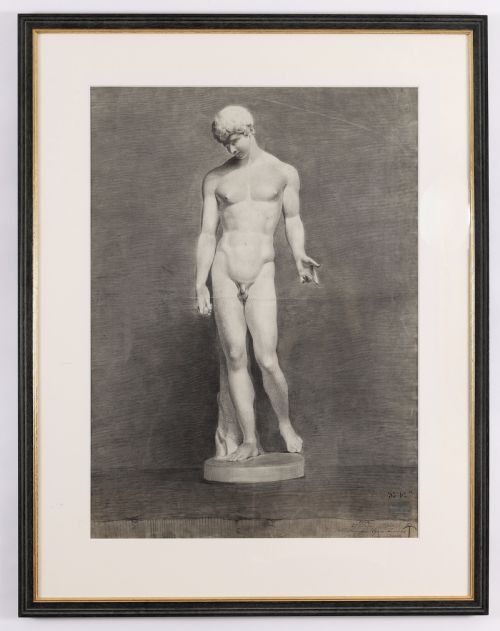


Nineteenth Century Sketch
A nineteenth century sketch captures the direct hand of the artist before any commercial reduction.
Nineteenth Century Sketch
A nineteenth century sketch offers an immediate window into the working methods of artists across the decades, ranging from rapid compositional studies to finished academic exercises. Buyers seeking a nineteenth century sketch will find works executed on paper using media such as charcoal, graphite, ink, wash, and gouache.
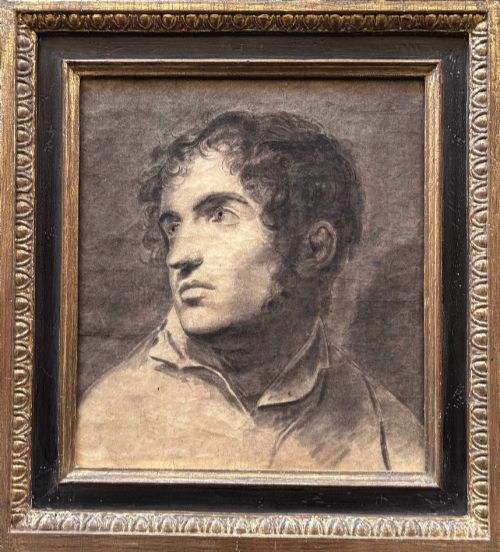
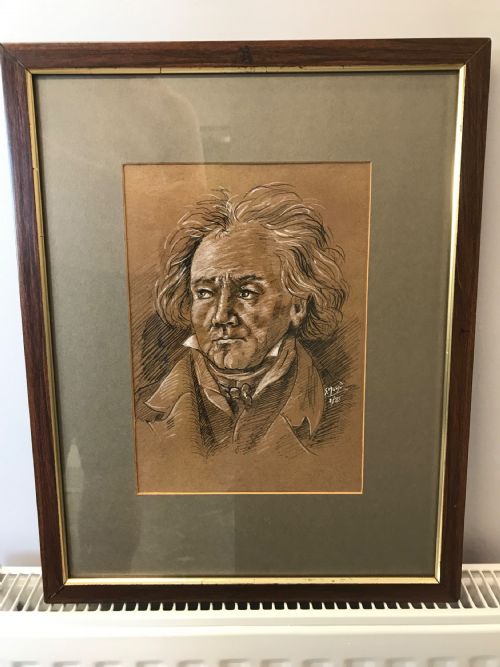
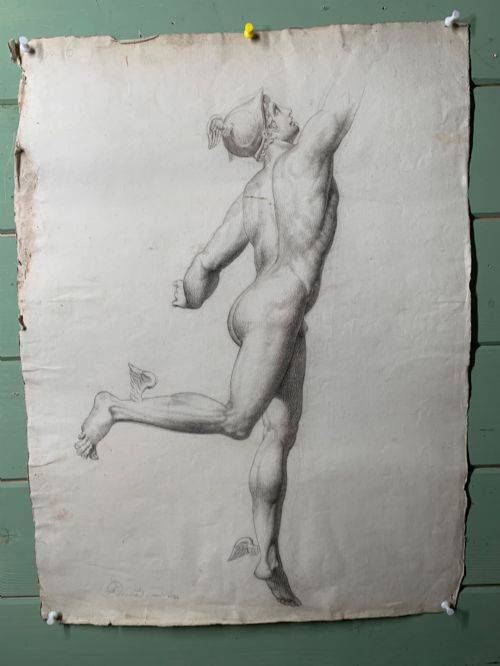
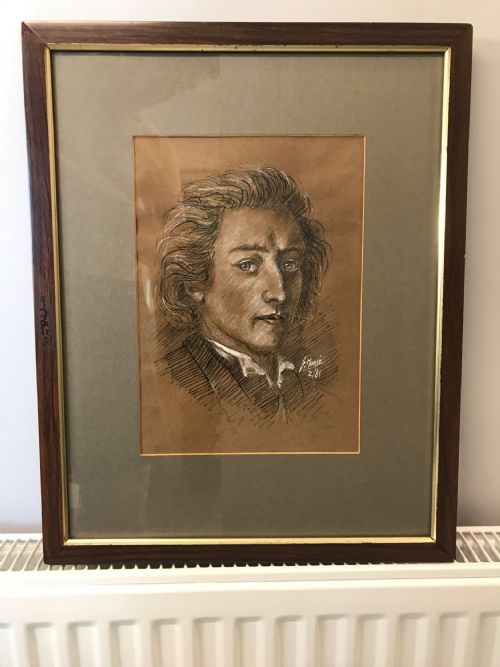
The selections available here include portraits of figures such as the composer Frédéric Chopin and the god Hermes, architectural studies of Selby Abbey and York, and landscapes by named hands like Thomas Bush Hardy and Tom Dudley. These pieces frequently arrive framed in giltwood or ebonised wood, preserving the original presentation of the drawing.
Most examples originate from the nineteenth century itself, spanning Georgian, Victorian, and Neoclassical movements, alongside French School works. Collectors also encounter later homages and interpretations created in subsequent decades, including pieces dated to 1930 and the mid twentieth century.
Materials and techniques
Draftsmen relied on paper as the primary support, applying charcoal, graphite, and pen and ink to build form through line and shadow. Washes of ink and touches of gouache added depth and tone, creating atmospheric effects in portraits and architectural views alike.
Watercolour pigments provided colour and fluidity for topographical scenes and coastal views. These works were housed in timber frames, frequently finished in giltwood or ebonised wood to complement the monochrome or muted palettes of the drawings.
Nineteenth Century Sketch Retail Price Guide 2026
Typical asking prices for nineteenth century sketch among the pieces listed under this phrase on Sellingantiques today, from the lower quarter to the upper quarter. They describe what is for sale here now, not the wider market.
Materials recorded across the inventory include charcoal, gouache, ink, wood, glass, and giltwood.
Factors of quality
The strength of the draftsmanship dictates the success of any sketch, separating confident anatomical and architectural rendering from hesitant execution. Academic exercises, such as life drawings of classical sculpture, demonstrate strict adherence to proportion and line.
The integration of medium contributes to visual depth, where ink washes and gouache highlights elevate a simple pencil study into a balanced composition. Provenance and attribution to specific regional schools or documented artists further distinguish individual sheets.
Sir Edwin Landseer RA·Tom Dudley·Thomas Bush Hardy·Pierre-Paul Prud'hon
The Nineteenth Century Sketch Glossary
- Gouache
- An opaque water-based paint that provides solid areas of colour and highlights. It is frequently combined with ink wash in nineteenth century works.
- Ebonised wood
- Timber treated to imitate ebony, producing a dark, smooth surface. Frames of this material are common on period works on paper.
- Giltwood
- Wood carved and covered with a thin layer of gold leaf. This finish frames many formal portrait and architectural drawings.
- Charcoal
- A dry drawing medium made from burnt organic material, producing rich blacks and soft tonal gradations. Artists utilise it for atmospheric portraiture.
- Wash
- A diluted solution of ink or watercolour applied with a brush to create tonal depth. It supports linear work in detailed compositional studies.
Nineteenth Century Sketch: Frequently Asked Questions
What is a nineteenth century sketch?
A nineteenth century sketch is an original work on paper created by an artist using media such as pencil, charcoal, ink, or watercolour. These works range from quick preparatory studies to finished portraits and topographical views.
They record the direct observations and academic training of artists working within various regional schools and stylistic movements of the period.
How do I hang a drawing?
Works on paper require protection from direct sunlight to prevent fading of inks, watercolours, and the paper support itself. Position drawings away from heat sources and damp environments to maintain the integrity of the frame and backing.
Ensure the frame is securely fixed to the wall using appropriate fixings suited to the weight of the giltwood or timber moulding.
How do I identify periods?
Stylistic clues such as Neoclassical severity, Victorian sentimentality, or Gothic Revival architectural focus help indicate the era of execution. Materials, framing methods, and any accompanying inscriptions or dates provide further historical context.
Examining the watermark on the paper or the specific type of drawing implement can also narrow down the date range.
Were these sketches meant to be framed?
Many nineteenth century sketches began life in artist portfolios as working studies, academic exercises, or preliminary drafts for larger paintings. Later framing preserved these sheets as independent works of art for domestic display.
Some finished watercolours and presentation drawings were intended for display from the outset, housed in period giltwood frames.