



Nineteenth Century Sign
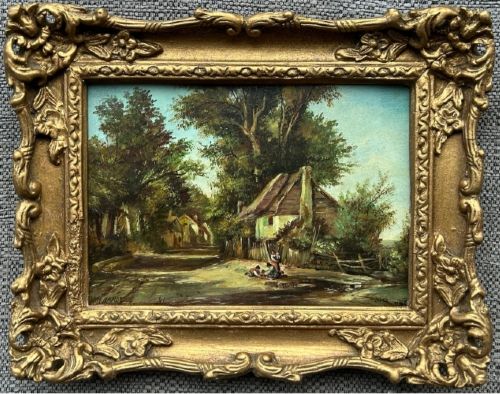
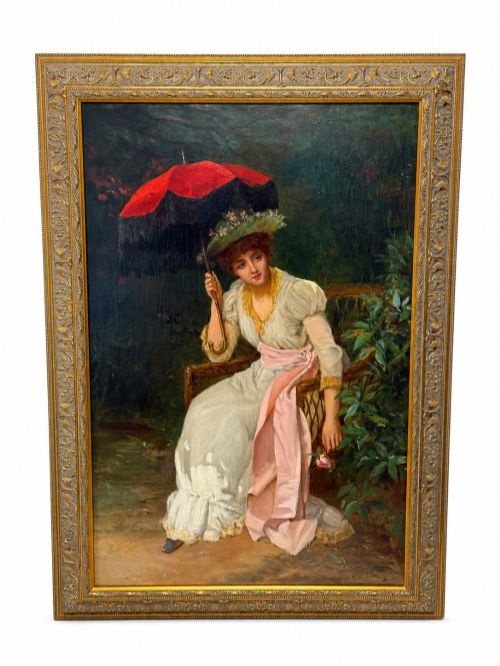
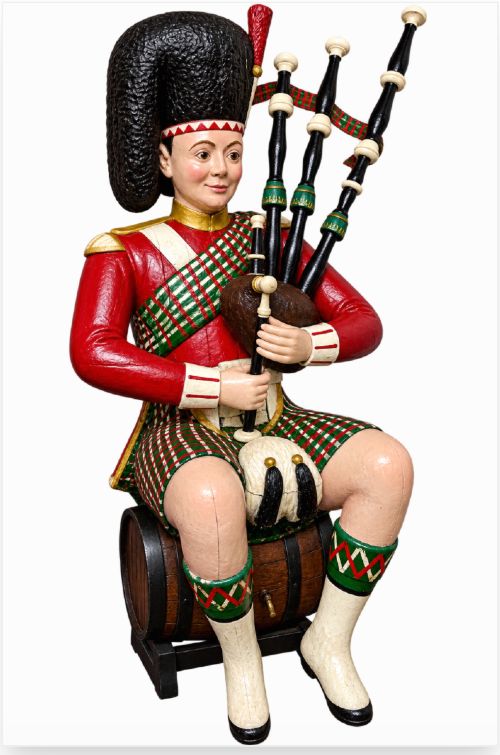
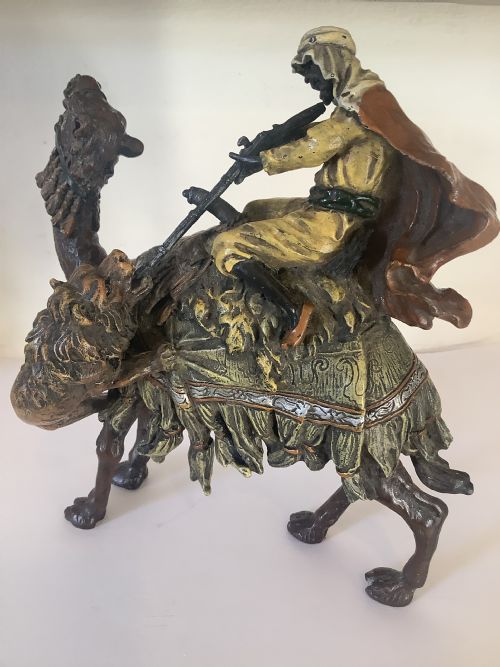
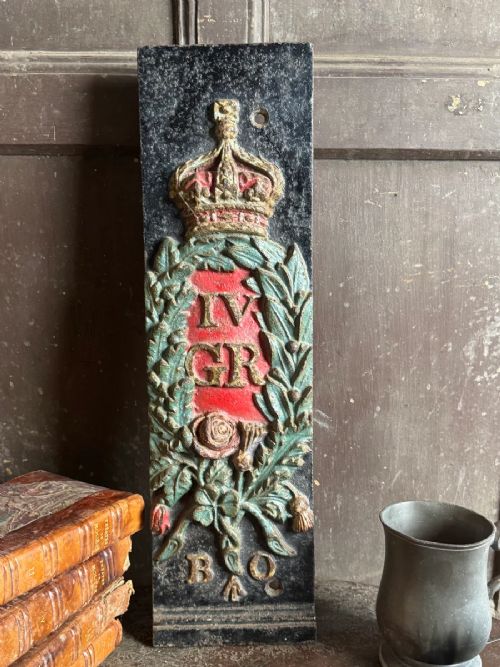
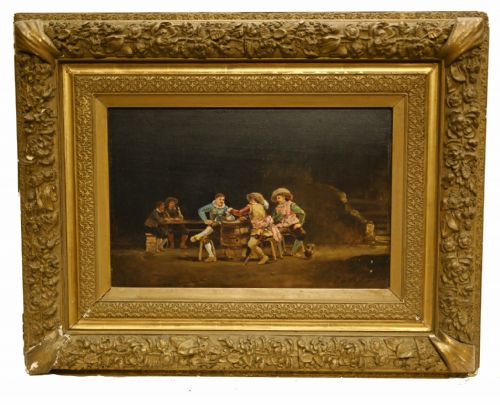
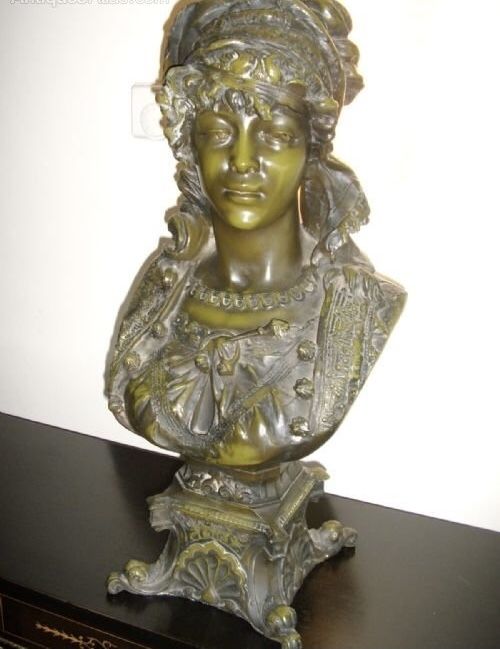
These nineteenth century sign examples capture the hand-painted and trade history of an earlier era.
Nineteenth Century Sign
The items found within this category reflect the commercial and mercantile history of the Victorian period and surrounding decades. Buyers encounter both painted surfaces and structural trade pieces designed for public business use.
Materials and construction
Makers utilised traditional ground materials including glass and prepared wood panels for painted commercial boards. Pigments were applied by hand to create durable lettering and pictorial trade symbols.
Reverse painting techniques required artists to apply paint to the back of glass panels so the final image appeared correctly from the front. This method produced a glossy protective surface over the underlying artwork.
Nineteenth Century Sign Retail Price Guide 2026
Typical asking prices for nineteenth century sign among the pieces listed under this phrase on Sellingantiques today, from the lower quarter to the upper quarter. They describe what is for sale here now, not the wider market.
The listings show nineteenth century sign examples executed in reverse painted glass and traditional painted wood.
Assessing quality and craftsmanship
The distinction between standard commercial boards and superior examples lies in the precision of the brushwork and the complexity of the lettering. Skilled signwriters achieved clean lines and balanced proportions that elevate utilitarian objects into folk art.
Preservation of the original paint layer and surface glass directly affects the desirability of each piece. Minimal restoration and stable underlying materials indicate a well-preserved survivor of the period.
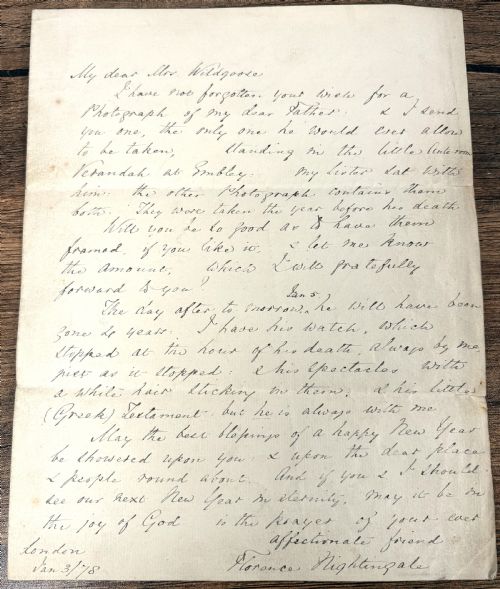
William Howard Hardy·Robert Heinrich·William Oliver·Henry Wissen Senior·Bergman·J De Ninville·Florence Nightingale·Basil Nightingale·Charles Anfrie·Franz Bergman·Frederick Frith·Robert John Hammond·Kinkozan Kyoto·C.E. Howson·Messina Roma·Louis Auguste Moreau·McCabe London·F George·J Lavergne·Thomas Swift Hutton·Geza Vastagh·Denise Delavigne·Thomas Pritchard·William Greaves·Etty Horton
The Nineteenth Century Sign Glossary
- Reverse painting
- A technique where paint is applied to the reverse side of a glass sheet to be viewed through the front. This method protects the pigment from atmospheric wear.
- Ship's chandler
- A specialised dealer who supplied equipment and provisions to ships. Their business boards often indicated maritime services.
- Instrument maker
- A craftsman who produced scientific or navigational tools. Associated trade boards denoted precision trade premises.
- Victorian
- The period spanning the reign of Queen Victoria from eighteen thirty-seven to nineteen hundred and one. Many surviving commercial boards date to this era.
Nineteenth Century Sign: Frequently Asked Questions
How were glass trade boards made?
Makers painted designs in reverse directly onto the back of glass panels so the finished composition was viewed through the clear front.
This technique shielded the pigments from environmental damage while giving the surface a reflective finish.
Where were these trade markers displayed?
Shopkeepers hung these boards outside storefronts, above doorways, or inside mercantile interiors to advertise specific trades and crafts.
Maritime suppliers and scientific instrument makers relied on them to guide customers to their specific workshops.
How do I care for antique painted boards?
Keep painted wooden and glass boards away from direct sunlight and high humidity to prevent pigment fading and flaking.
Dust the surface gently with a dry, soft cloth without applying liquid cleaning solutions that might damage aged finishes.