
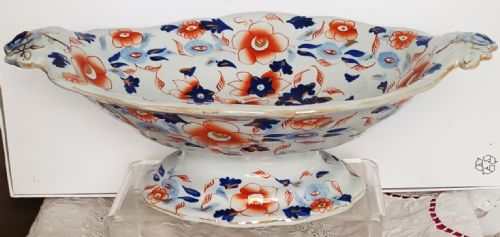
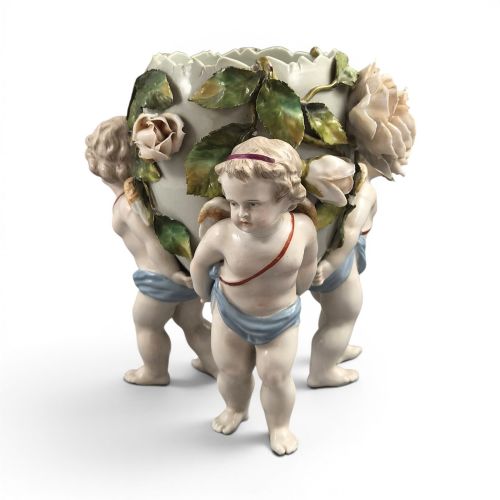


Nineteenth Century Porcelain Bowl
A nineteenth century porcelain bowl brings the height of period craftsmanship to a table, offering both decorative presence and historic utility.
Nineteenth Century Porcelain Bowl
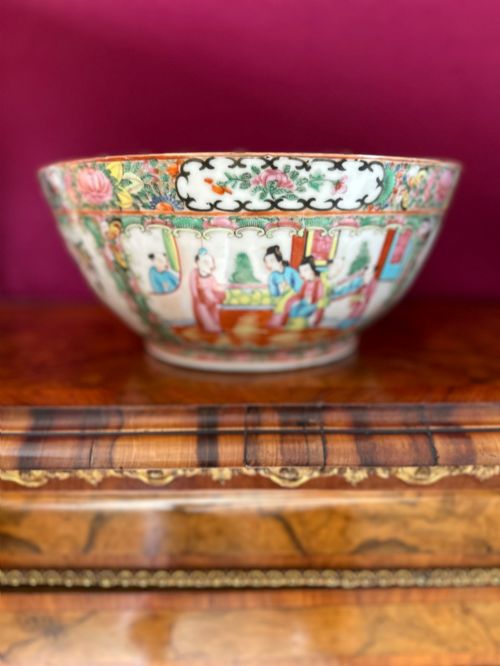
A nineteenth century porcelain bowl encompasses a diverse group of vessels created across European and Asian kilns during the 1800s. These pieces range from delicate sugar bowls and sucriers to large decorative jardinières, centrepieces, and traditional bowls.
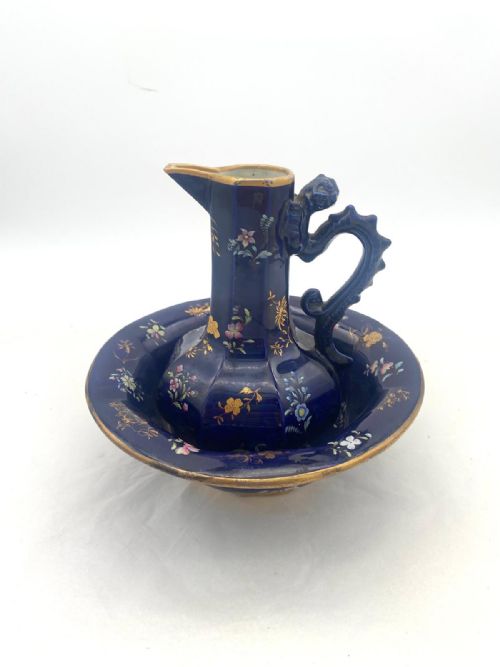
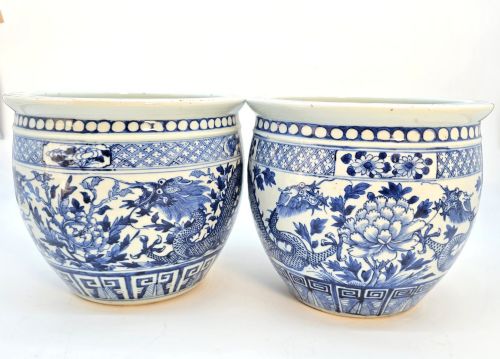
The pieces appearing on this page bridge domestic utility and high-status display, originating from English factories like Spode and Masons alongside continental European workshops and Japanese export studios. Buyers encounter forms decorated with botanical motifs, traditional Chinese export scenes, and intricate gilt bronze mounts.
Makers utilised various material bodies including traditional porcelain, ironstone, and pearlware to fashion these items. Stylistic influences span from Regency and Rococo Revival to Chinese Qing Dynasty aesthetics and Japanese Meiji period designs.
How they were made
Potters shaped porcelain, ironstone, and pearlware bodies through throwing or moulding before applying detailed hand-painted or transfer-printed decoration. Artisans then enriched many designs with enamel colours and gold leaf applied over the glaze.
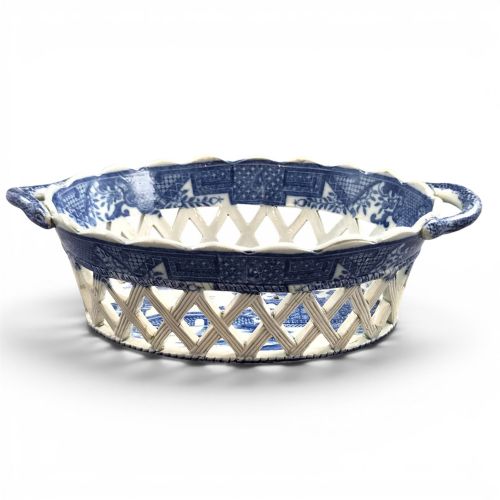
Some ambitious forms combined fired porcelain with cast gilt bronze mounts or incorporated reticulated openwork baskets. Kiln workers fired these pieces at high temperatures to achieve durable vitrified bodies suitable for daily use or ornamental display.
Listings feature porcelain, ironstone, and pearlware objects spanning the Regency, Victorian, and Meiji periods.
What varies in quality
The standard of a nineteenth century porcelain bowl depends upon the crispness of the moulded details, the precision of the hand-painted enamels, and the application of gold leaf or gilt highlights. Finer examples display meticulous brushwork and unblemished glazes that reflect the skill of the original factory.
Integration of secondary materials such as gilt bronze mounts or complex reticulated basketry distinguishes higher-tier centrepieces and decorative vessels from standard domestic wares. The prestige of the originating maker, from European houses to specialised Japanese kilns, also elevates the standing of a piece.
Masons Ironstone·Spode·Sitzendorf Porcelain·C G Schierholz and Sohn·Ridgway·Louis Pierre Malpass·Kinkozan Kyoto
The Nineteenth Century Porcelain Bowl Glossary
- Ironstone
- A durable type of heavy earthenware patented in the nineteenth century that mimics the strength of porcelain. It resists chipping and took enamel and transfer-print patterns exceptionally well.
- Pearlware
- A refined earthenware developed in the late eighteenth century featuring a subtle bluish glaze that pools in crevices to create the illusion of true porcelain. It served as a popular canvas for botanical and orientalist designs.
- Sucrier
- A dedicated covered sugar bowl used on the tea table during the Georgian and Regency periods. These often match tea service jugs and basins.
- Reticulated
- Describes ceramic work featuring an openwork lattice pattern cut into the clay before firing. This technique created lightweight ornamental baskets and chestnut containers.
- Gilt Bronze
- An alloy of copper and zinc finished with a layer of gold, commonly used to mount nineteenth century porcelain centerpieces and garnitures. It added architectural stability and rich metallic contrast to the ceramic body.
Nineteenth Century Porcelain Bowl: Frequently Asked Questions
What is a nineteenth century porcelain bowl used for?
These vessels served various functions ranging from practical dining table service as sugar boxes and sauce tureens to purely decorative roles as centrepieces and jardinières.
Today, collectors utilise them for display on sideboards or tables, continuing their long tradition of ornamenting domestic interiors.
How do I identify the period of a bowl?
Dating relies upon examining the underlying ceramic material, such as ironstone or pearlware, alongside factory marks and stylistic clues like Regency or Rococo Revival shaping.
Detailed hand-painting, cobalt blue patterns, and maker signatures provide further chronological markers pointing to specific decades within the 1800s.
Are these bowls safe for food use?
While many nineteenth century pieces were originally made for dining or holding sugar, historic glazes and enamel decorations can react poorly to modern dishwashers and acidic foods.
Most collectors choose to treat antique porcelain and ironstone as decorative objects rather than utility tableware to preserve the surface.
How should I care for an antique centrepiece?
Maintenance requires gentle dusting with a soft, dry cloth and avoiding harsh chemical cleaners that might strip delicate gold leaf or enamel colours.
Pieces with gilt bronze mounts or delicate reticulated handles need careful handling during movement to prevent accidental damage.
What is the difference between porcelain and ironstone?
Porcelain is a vitrified ceramic fired at high temperatures until translucent and non-porous, whereas ironstone is a dense, opaque earthenware developed for durability.
Both materials appear frequently across nineteenth century tableware, though ironstone typically offers a heavier and sturdier body.