

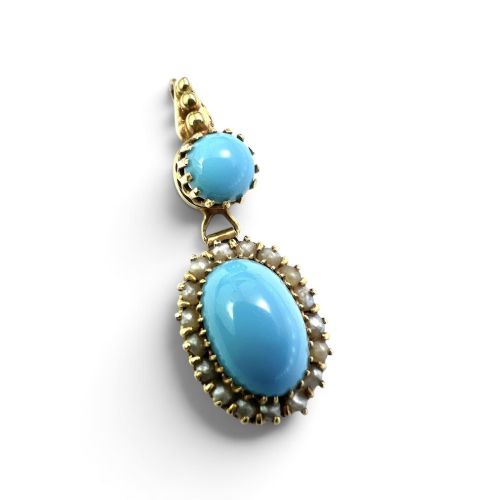


Nineteenth Century Pearl Jewellery
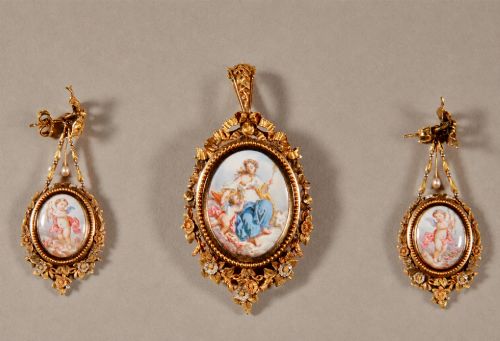
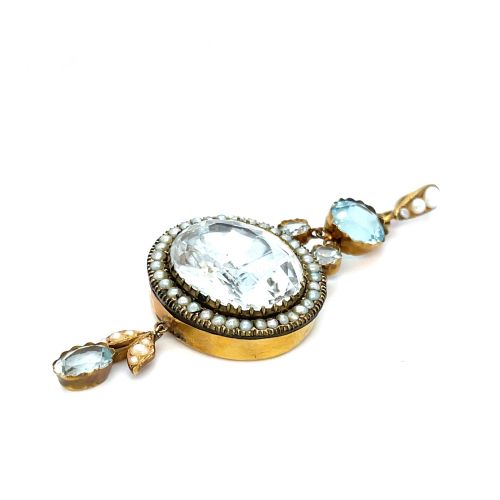
Nineteenth century pearl jewellery brings together lustrous natural treasures and period gold or silver work that you will want to wear every day.
Nineteenth Century Pearl Jewellery
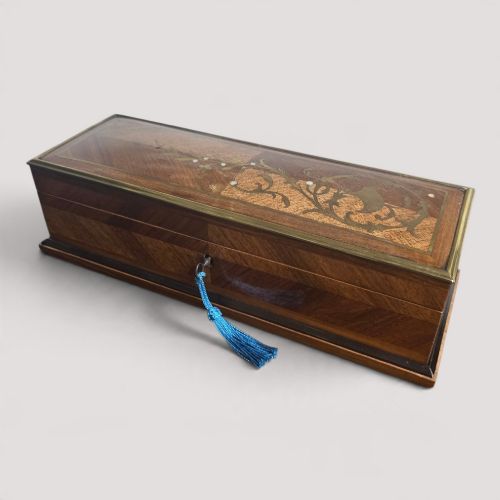
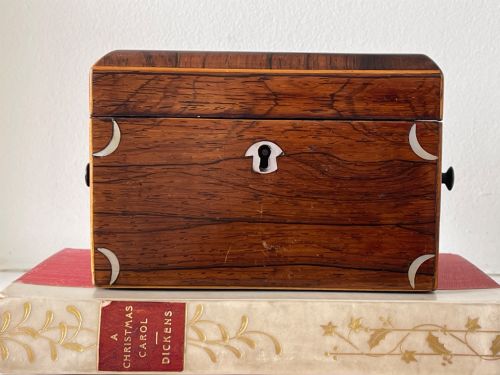
Beyond personal adornment, the selection extends to objects associated with nineteenth century needlework and collecting. Rosewood and thuya wood workboxes and collectors boxes inlaid with mother of pearl and silver sit alongside the wearable pieces.
How nineteenth century pearl jewellery was made
Maker's hands combined pearls with various grades of gold, including nine carat and twelve carat, as well as silver and diamond settings. Gemstones like turquoise and amethyst were secured within metalwork alongside natural pearls.
Woodworking techniques defined the larger decorative boxes in the evidence. Rosewood and thuya wood were shaped into workboxes and collectors boxes, then detailed with mother of pearl inlay and silver stringing.
Nineteenth Century Pearl Jewellery Retail Price Guide 2026
Typical asking prices for nineteenth century pearl jewellery among the pieces listed under this phrase on Sellingantiques today, from the lower quarter to the upper quarter. They describe what is for sale here now, not the wider market.
What varies in quality
Quality reveals itself in the precision of the setting work and the harmony of the materials chosen. Pieces that combine natural pearls with carefully matched diamonds and gold show superior craftsmanship compared to simpler arrangements.
The intricacy of the inlay work marks the distinction in the decorative boxes. Rosewood and thuya wood boxes featuring detailed mother of pearl patterns and silver stringing represent the finer end of period manufacture.
The Nineteenth Century Pearl Jewellery Glossary
- Pearl
- A hard, lustrous object produced within the soft tissue of a shelled mollusc. Natural pearls form the central decorative element in many period rings, earrings, and pendants.
- Turquoise
- An opaque, blue-to-green mineral that was frequently set alongside pearls in Victorian jewellery. This gemstone appears in cluster rings, lucky horseshoe earrings, and halo pendants.
- Workbox
- A decorative container designed to hold sewing implements and threads during the nineteenth century. These items were often fashioned from rosewood with silk linings and mother of pearl inlay.
- Cluster
- A jewellery arrangement where a central stone is surrounded by a ring of smaller gems. In this collection, pearls frequently encircle turquoise, diamonds, or amethyst in cluster earrings and rings.
Nineteenth Century Pearl Jewellery: Frequently Asked Questions
How do I care for nineteenth century pearl jewellery?
Pearls are organic gems that require gentle handling and protection from harsh chemicals, perfumes, and cosmetics. Wipe them softly with a clean cloth after wearing to maintain their natural lustre.
Store your pearl items separately from harder gemstones to prevent scratching the surface. Regular checks by a specialist ensure the settings remain secure.
What is the difference between Victorian and Regency pieces?
Regency items date from the early nineteenth century and often reflect classical revival styles with refined wood and mother of pearl work. Victorian pieces span a broader mid-to-late century period known for sentimental designs and gemstone clusters.
Both eras utilise natural materials, but Victorian pieces in this collection more frequently incorporate turquoise and diamonds alongside gold settings.
Were workboxes used only for sewing?
Workboxes served primarily as containers for needles, threads, and textile tools during the nineteenth century. Their compartmentalised interiors kept delicate sewing supplies organised.
Many of these rosewood and thuya wood boxes also doubled as elegant display pieces for the dressing table, featuring silk linings and intricate mother of pearl inlay.
Can I wear antique pearl rings daily?
Antique pearl rings can be worn regularly provided you take sensible precautions against knocks and moisture. Because pearls are softer than diamonds, removing them before heavy manual tasks is advisable.
Selecting sturdy settings like gold or silver helps protect the pearl, but periodic inspection by a jeweller ensures the stone stays firmly in place.