
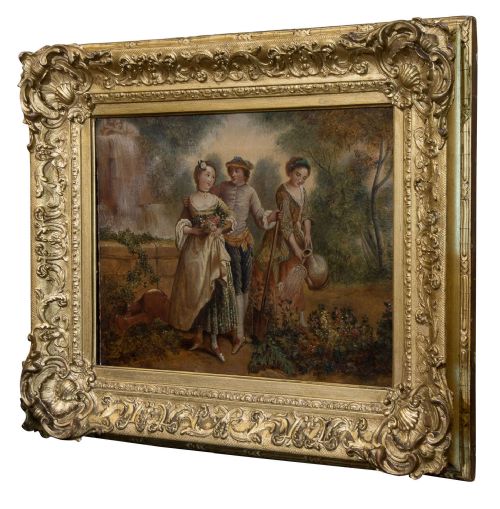


Nineteenth Century Pastoral Oil
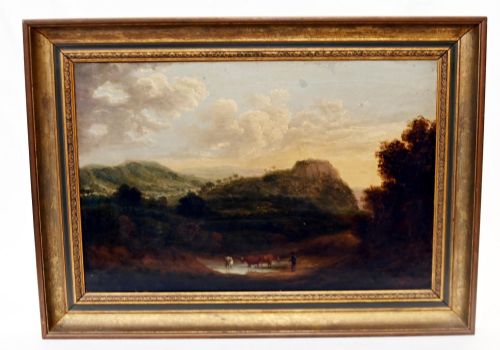
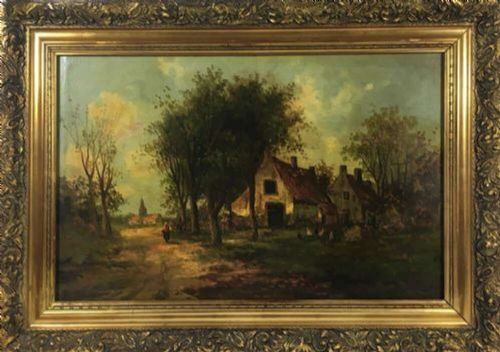
These nineteenth century pastoral oil paintings bring rustic landscapes and rural farm life directly into the room with layered brushwork.
Nineteenth Century Pastoral Oil
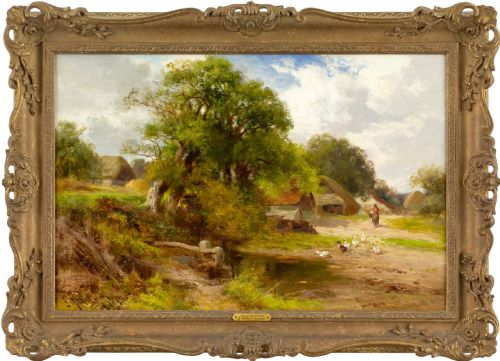
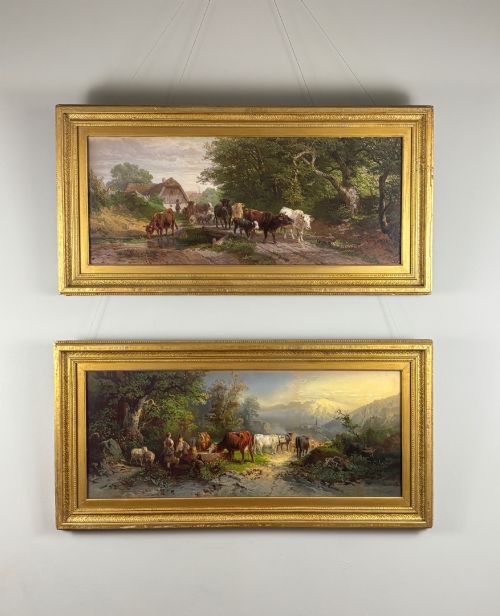
A nineteenth century pastoral oil depicts rural scenes, farmyard landscapes, grazing cattle, and quiet country rivers. You will frequently encounter works attributed to the Victorian British School alongside French and German examples.
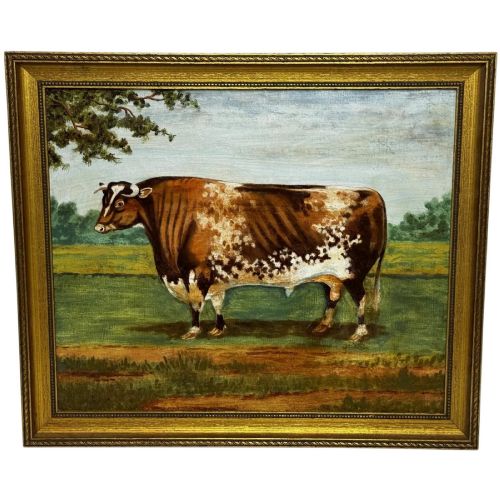
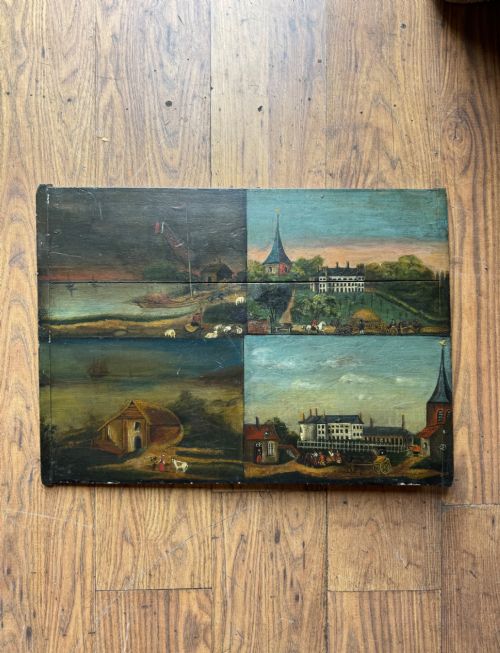
The selection ranges from detailed realistic portrayals of livestock to provincial naive folk art. Many pieces arrive housed in their original giltwood and gesso frames.
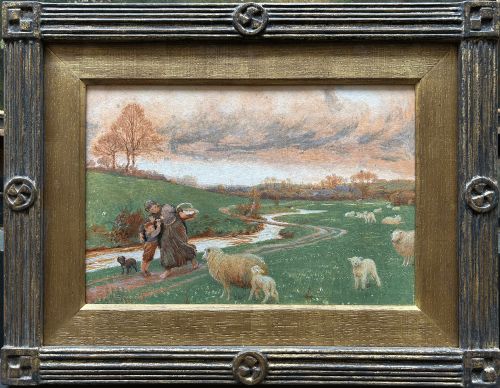
Subjects often focus on herdsmen, sheep grazing, and rustic waterways that capture the rhythm of nineteenth century country life.
Assessing Quality
Quality rests in the handling of light and the anatomical accuracy of the animals or figures within the landscape. Masterful brushwork breathes life into pastoral scenes, distinguishing accomplished artists from provincial hands.
The preservation of the original canvas and the integrity of the giltwood frame significantly influence the standing of a piece. Intricate frames that retain their original gilding elevate the overall presentation.
Several canvases faithfully record the specific prized expressions of nineteenth century shorthorn bulls and grazing sheep.
John Horace Hooper·Frederick Walker·Johann Friedrich Voltz·Sidney Richard Percy·Heinrich Harder
The Nineteenth Century Pastoral Oil Glossary
- Barbizon School
- A group of French painters who championed naturalistic landscape painting during the mid nineteenth century. Their work emphasised atmospheric effects and rural realism.
- Gesso
- A plaster mixture applied to wood frames before gilding to provide a smooth surface for gold leaf. It allows for crisp, intricate moulding details.
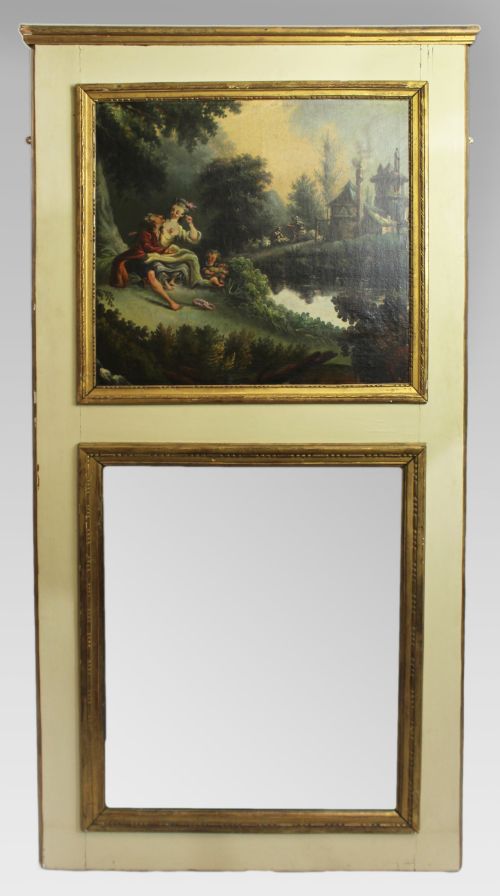
- Trumeau Mirror
- An architectural wall mirror incorporating a painted panel above the glass. Pastoral oils sometimes appear inset within these decorative French wall fixtures.
- Naive Folk Art
- Art produced by self taught painters working outside academic traditions. These pieces prioritise direct storytelling and charm over strict perspective.
Nineteenth Century Pastoral Oil: Frequently Asked Questions
Where should I hang a pastoral oil painting?
Choose an interior wall away from direct sunlight and sudden temperature shifts to protect the canvas. Stable indoor conditions prevent the oil paint and wood stretcher from warping.
Ensure the wall supports the weight of the heavy giltwood frame securely. Positioning the artwork at eye level creates the best visual balance in a room.
Are these paintings signed by the artist?
Many works bear visible signatures or monograms applied by the artist within the composition. Some pieces also carry inscriptions on the reverse stretcher bars or frame.
Provincial and naive works frequently remain unsigned. Attribution for these pieces relies on stylistic analysis and period characteristics.
What is the difference between British and French pastoral works?
British pastoral paintings often focus on specific regional landscapes, farm animals, and identifiable rivers. They lean towards descriptive realism of domestic rural life.
French works, particularly those influenced by the Barbizon tradition, place greater emphasis on mood, atmospheric skies, and softer tonal harmony.