



Nineteenth Century French Candelabra
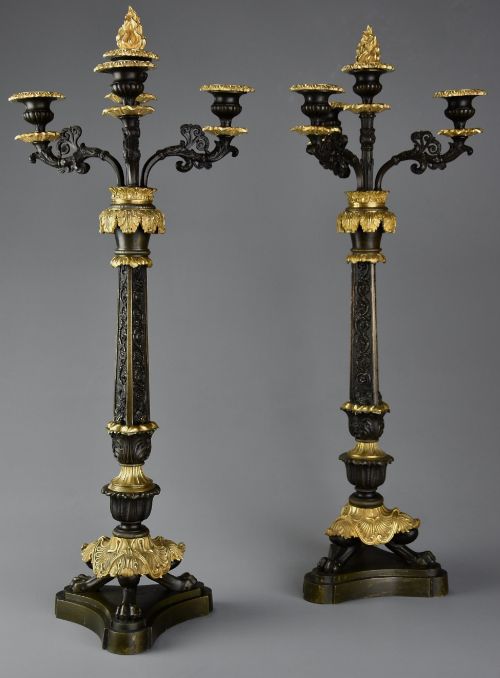
Nineteenth century french candelabra bring glowing warmth and polished metalwork to a mantelpiece, usually appearing in pairs crafted from bronze and ormolu.
Nineteenth Century French Candelabra
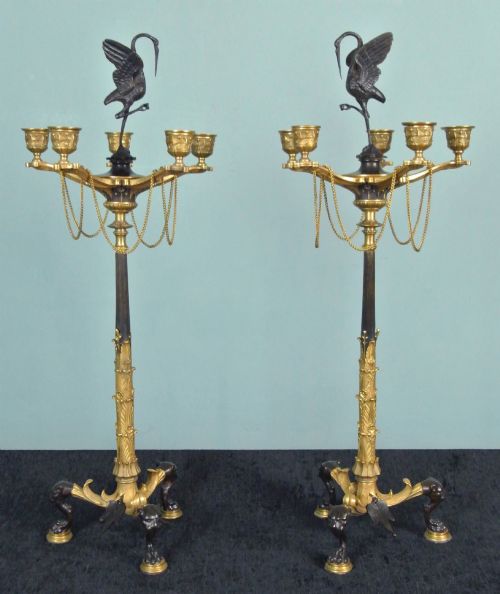
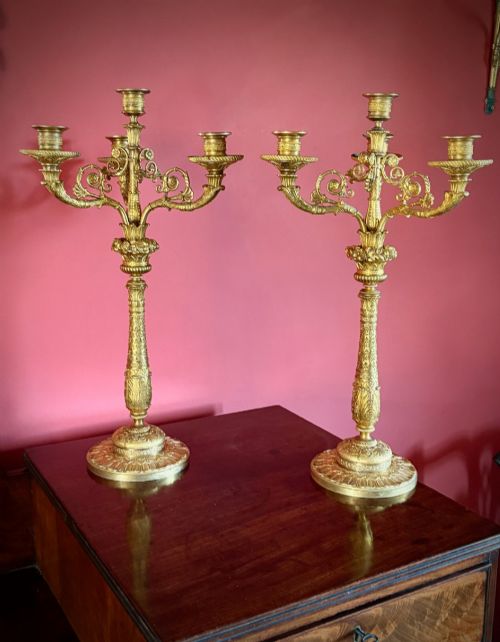
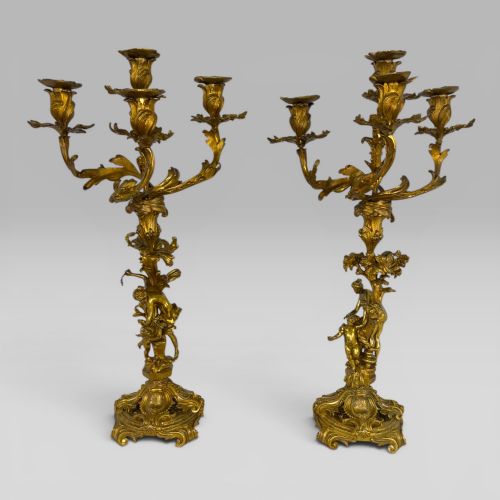
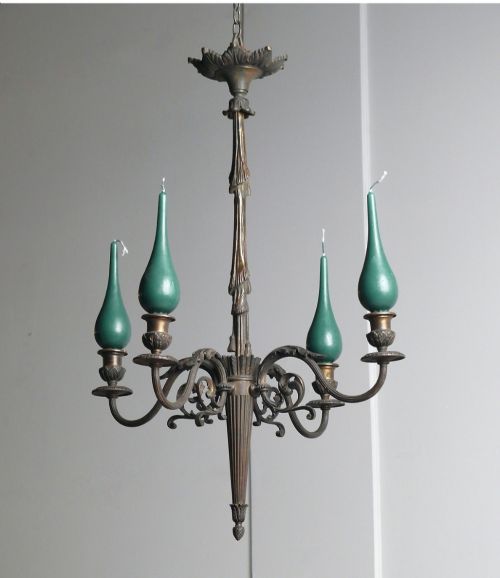
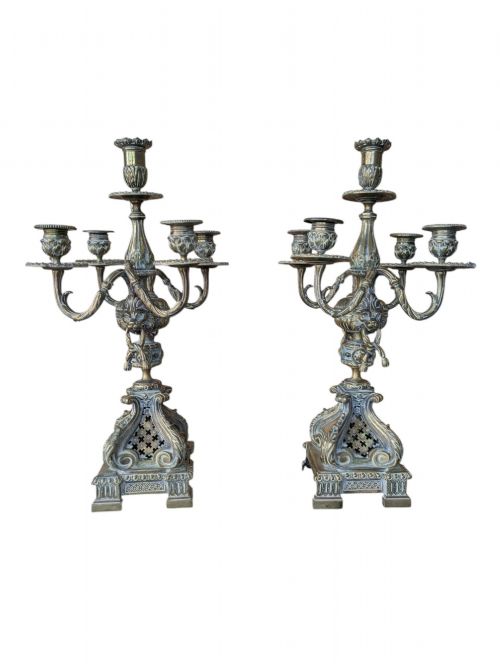
Nineteenth century french candelabra include pairs of multi-branch candle holders designed for dining tables and mantelpieces. These decorative objects emerge in various revivals including Louis XVI, Rococo, and French Empire styles.
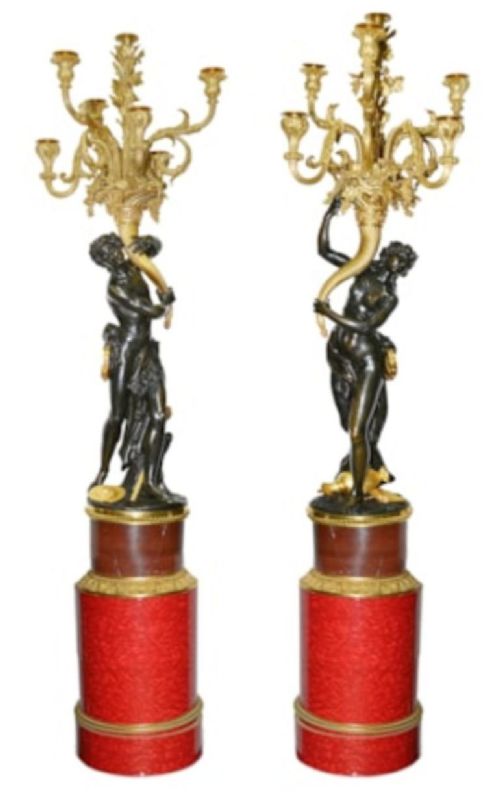
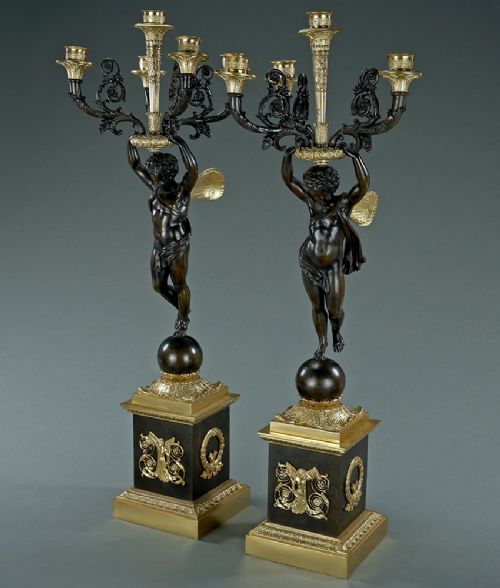
The most common pieces on this page are matched pairs of three-branch or five-branch candelabra. They often incorporate figural elements such as cherubs alongside classical architectural motifs.
How they were made
Maker workshops combined cast bronze and brass with mercurial gilding to create ormolu surfaces. Patinated dark bronze provided a striking visual contrast against the brilliant gold sections.
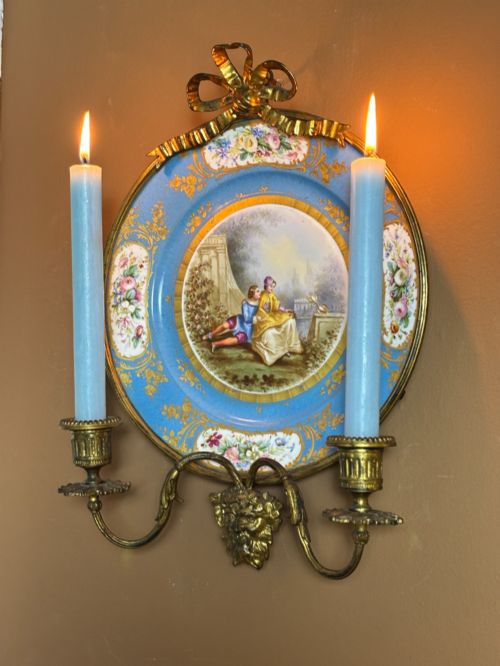
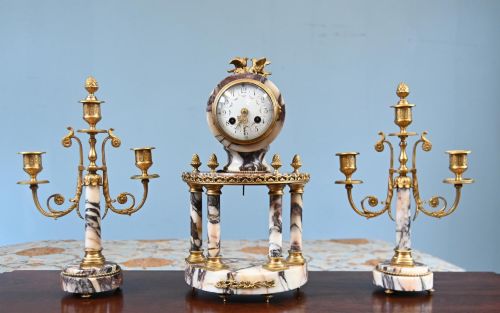
Many examples integrate white marble, slate, or onyx bases, occasionally embellished with enamel or porcelain panels. Complex multi-branch forms were assembled from individually cast and chased components.
Nineteenth Century French Candelabra Retail Price Guide 2026
Typical asking prices for nineteenth century french candelabra among the pieces listed under this phrase on Sellingantiques today, from the lower quarter to the upper quarter. They describe what is for sale here now, not the wider market.
Plump little cherubs frequently cling to the stems of these candelabra, forever frozen in mid-climb.
What varies in quality
The crispness of the chasing on the bronze casting separates standard production from superior workshops. Sharp details in figural drapery and acanthus leaves indicate careful hand-finishing.
The depth and preservation of the original fire gilding determine the visual richness of ormolu surfaces. Substantial weight in the metal components and marble bases points to higher material quality.
Barbedienne Bronze·H Luppens Paris
The Nineteenth Century French Candelabra Glossary
- Ormolu
- Gilt bronze created by applying a mercury and gold amalgam to a bronze base and heating it. This technique produces a durable, rich golden finish.
- Patinated bronze
- Bronze treated with chemicals to produce a deep brown or dark green surface colour. This dark tone contrasts effectively with bright ormolu mountings.
- Garniture
- A set of decorative objects for a mantelpiece, typically consisting of a central clock flanked by a pair of candelabra or vases. These matched sets unify interior decorative schemes.
- Chasing
- The manual process of refining a metal casting with punches and hammers to sharpen surface details. Skilled chasing defines the texture of hair, drapery, and foliage.
Nineteenth Century French Candelabra: Frequently Asked Questions
What is a nineteenth century french candelabra?
These pieces are branched metal candle holders produced in France during the 1800s. They incorporate materials such as bronze, ormolu, and marble.
They served both a practical lighting function and a decorative role in grand interiors. Most survivors are matched pairs designed for display.
How do I clean nineteenth century french candelabra?
Dust metal components gently with a soft dry brush to prevent accumulation. Avoid aggressive commercial polishes that can strip delicate ormolu gilding.
Marble bases benefit from careful wiping with a damp cloth followed by immediate drying. Protect the stone from acidic substances and abrasive cleaning agents.
How were nineteenth century french candelabra used?
Households placed them on dining tables, sideboards, and mantelpieces to illuminate evening rooms. Reflected candlelight enhanced the polished gold and bronze surfaces.
They frequently formed part of a clock garniture set placed centrally on a fireplace. Some versions include adjustable arms for directing light.
Can I convert nineteenth century french candelabra to electricity?
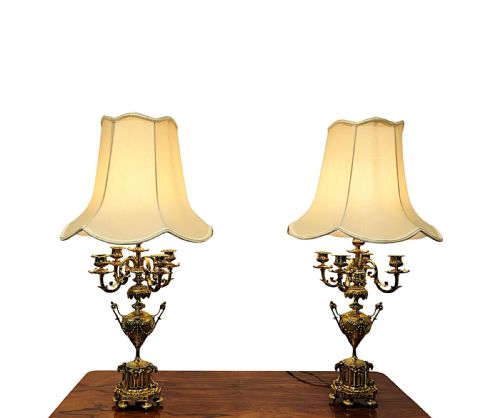
Many examples are found with past conversions to table lamps. Purists often prefer untouched candle configurations, while others appreciate electrified functionality.
Professional rewiring preserves the antique metal structure without causing permanent damage. Consult a specialist to ensure safe wiring through narrow bronze stems.