





Nineteenth Century Female Portrait
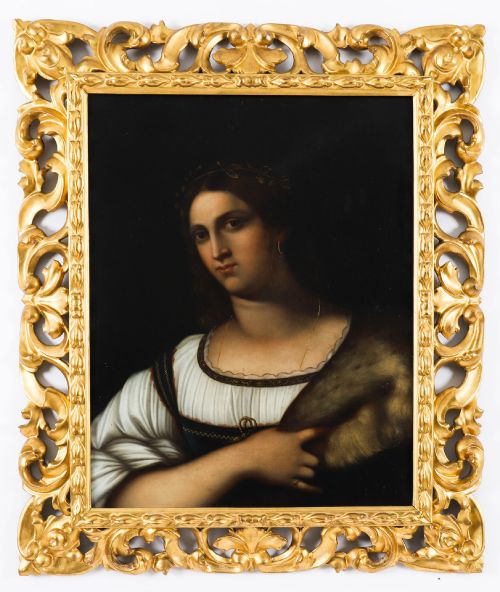
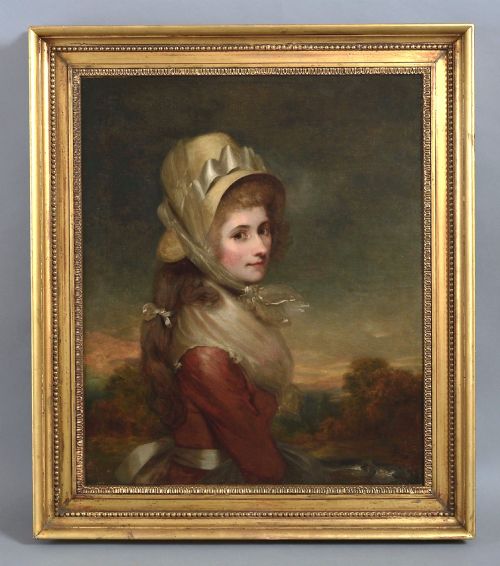
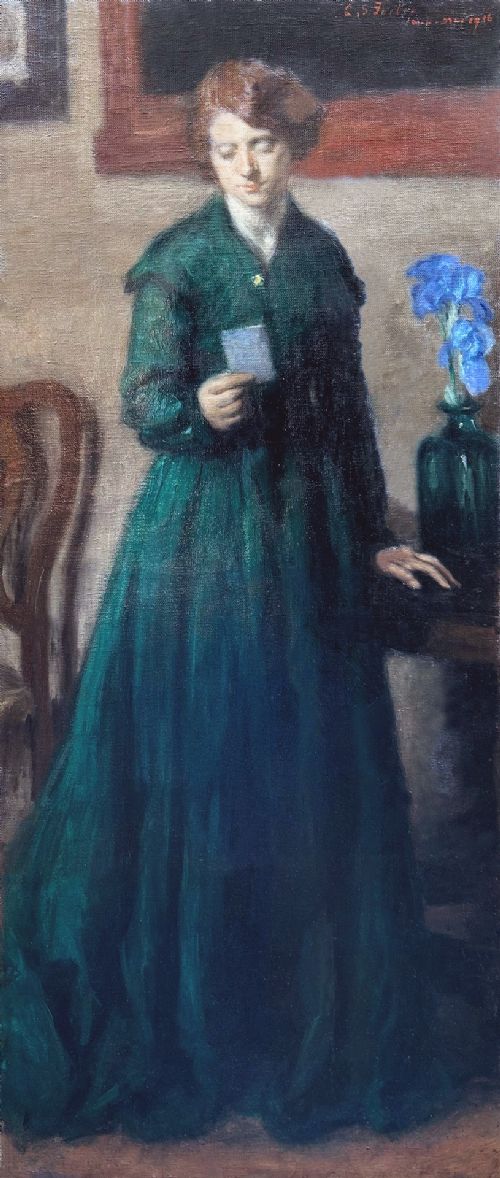
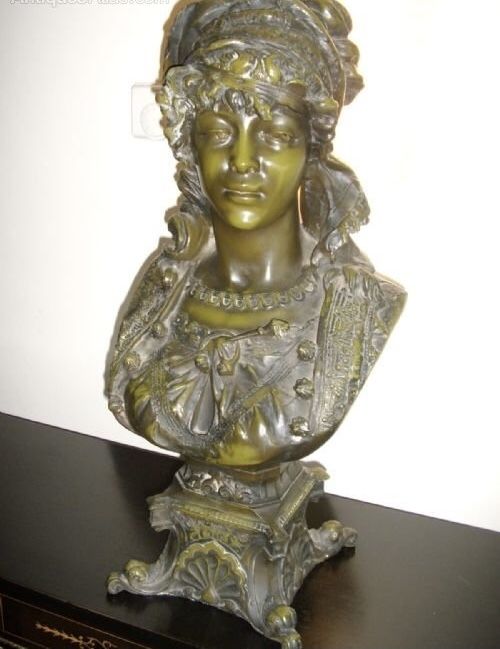
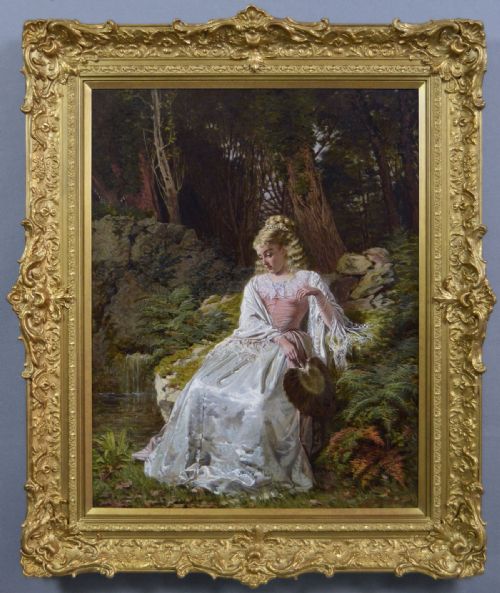
A nineteenth century female portrait captures character and technique, offering a tangible connection to historical subjects through oil on canvas, marble, or bronze.
Nineteenth Century Female Portrait
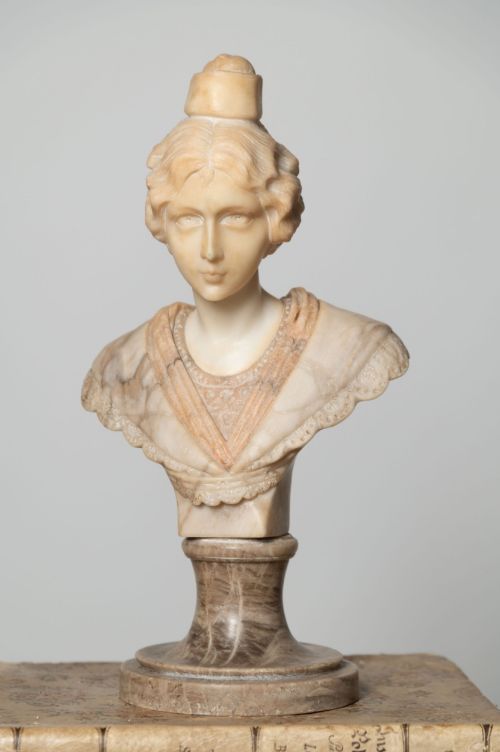
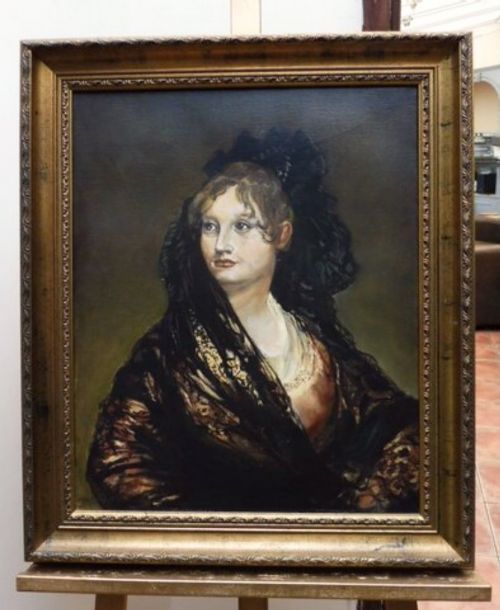
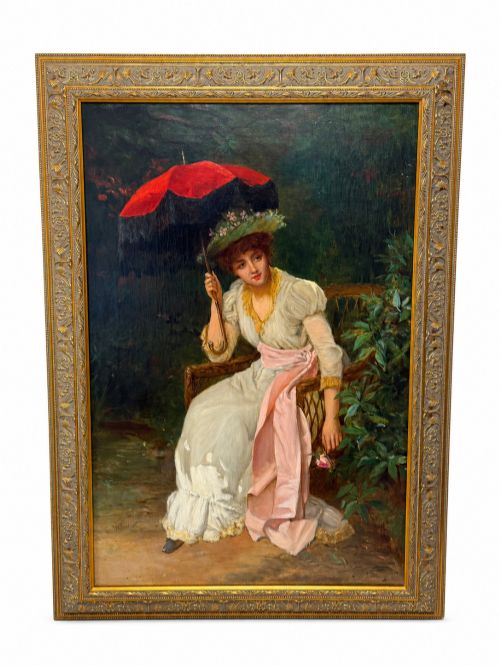
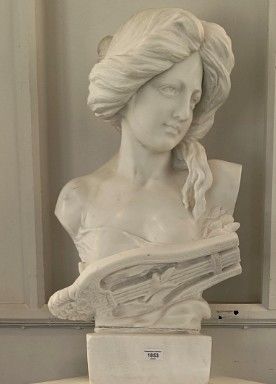
A nineteenth century female portrait encompasses diverse artistic expressions ranging from intimate miniatures to large-scale oil paintings and sculptural busts. Collectors searching this phrase encounter depictions of named sitters, mythological figures, and anonymous subjects framed by academic, Victorian, or Art Nouveau movements.
The selections on this page rely heavily on oil on canvas paintings and three-dimensional busts cast in bronze, marble, or terracotta. These mediums reflect the varied output of British, French, and continental European artists working across the Victorian era and adjacent periods.
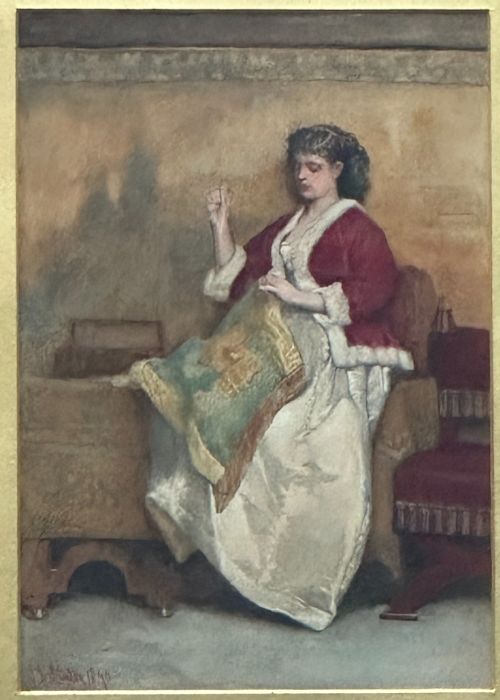
Subjects appear in formal attire, domestic settings, or classical garb, demonstrating how artists of the epoch recorded feminine identity, status, and myth. The diversity of forms ensures that every variation offers a distinct perspective on nineteenth-century portraiture.
Materials and construction
Painters of the period utilised oil on canvas, pastel on paper, and watercolour on ivory, layering pigments to achieve depth in garments and flesh tones. Canvases are frequently housed in original giltwood or gilded wood frames that complement the painting style.
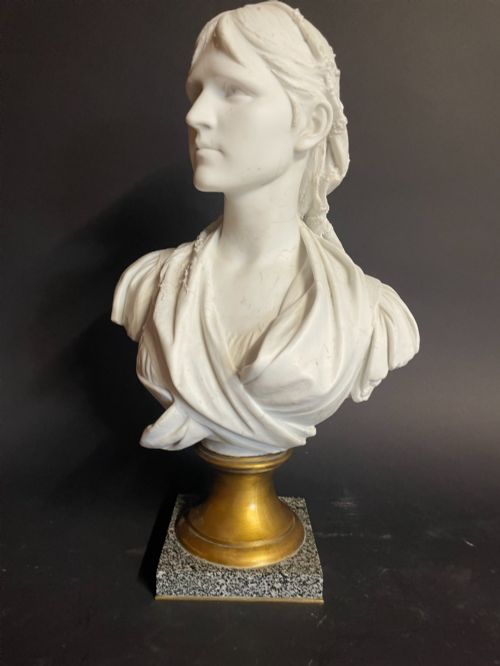
Sculptural works demonstrate mastery in carving marble and casting metals such as bronze and spelter, often pairing the bust with contrasting bases like Vert de Mer marble. Terracotta and ceramic bodies also appear, finished with patination or glazes characteristic of Art Nouveau ateliers.
Nineteenth Century Female Portrait Retail Price Guide 2026
Typical asking prices for nineteenth century female portrait among the pieces listed under this phrase on Sellingantiques today, from the lower quarter to the upper quarter. They describe what is for sale here now, not the wider market.
Listings feature oil on canvas paintings, marble busts, and bronze sculptures spanning the Victorian and Art Nouveau periods.
Assessing quality and execution
In sculptural pieces, the crispness of the casting and the refinement of hand-finished details determine the overall merit. Superior marbles and bronzes show sharp definition in hair, drapery, and expression, elevating the presence of the subject.
Sir Martin Archer Shee·Sir James Dromgole Linton·Francisco Jose de Goya y Lucientes·Charles Stuart Forbes·William Oliver·Henry Wissen Senior·Thomas Edward Roberts·Emile Laporte·Alexander Maclean·George Van Der Straeten·Sir Thomas Lawrence·William Joseph Carroll·Ernst Whaliss·Emmanuel Villanis·William Owen·Alfred Seifert
The Nineteenth Century Female Portrait Glossary
- Bust
- A sculpted or cast representation of a person from the chest up. These figures are commonly rendered in marble, bronze, or terracotta.
- Giltwood
- Wood that has been treated with a thin layer of gold leaf or gold paint. It frequently appears on traditional nineteenth-century picture frames.
- Patina
- The surface appearance or sheen developed on bronze, metal, or wood over time through age and handling. A pleasing patina adds visual depth to sculptures.
- Miniature
- A small-scale portrait painted with meticulous detail, often executed on ivory, vellum, or paper during the period.
- Spelter
- A zinc alloy used as a cost-effective substitute for bronze in decorative figures and busts during the late nineteenth century. It is often given a bronze-like finish.
Nineteenth Century Female Portrait: Frequently Asked Questions
What is a nineteenth century female portrait?
A nineteenth century female portrait is a painting, drawing, or sculpture depicting a woman from that specific artistic era. These artworks capture the fashion, social standing, and aesthetic ideals of the time.
They range from formal oil paintings on canvas to delicate miniatures and detailed bronze or marble busts. Each piece serves as a visual record of historical portraiture traditions.
How should I display a marble bust?
A marble bust requires a sturdy surface such as a dedicated column, heavy sideboard, or strong mantelpiece to support its significant weight. Placement away from direct sunlight and heat sources protects the stone and any underlying wooden bases from damage.
Ensuring adequate clearance allows the sculptural details and varied textures of the marble to be appreciated from multiple angles within a room.
How do I care for antique oil paintings?
Antique oil paintings should be kept in environments with stable humidity and temperature to prevent the canvas from warping or the paint from cracking. Dusting must be done gently with a soft, dry brush, avoiding any liquids or chemical cleaners on the painted surface.
Consulting a professional conservator is recommended for cleaning or repairing aged canvases and their original giltwood frames.
Are portrait miniatures painted on ivory?
Many nineteenth-century portrait miniatures are indeed painted on thin slices of ivory, which provided a luminous surface that enhanced skin tones. Watercolour and gouache were typically applied in delicate, stippled strokes to achieve remarkable detail on a small scale.
These pieces were usually housed behind glass within protective cases or lockets to preserve the fragile pigments.