




Italian Style Portrait Painting
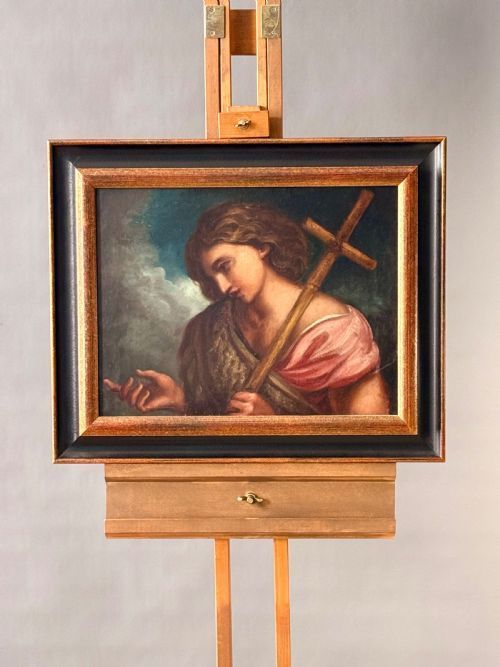
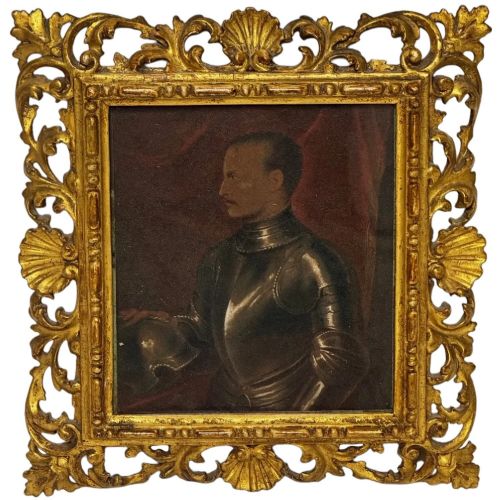
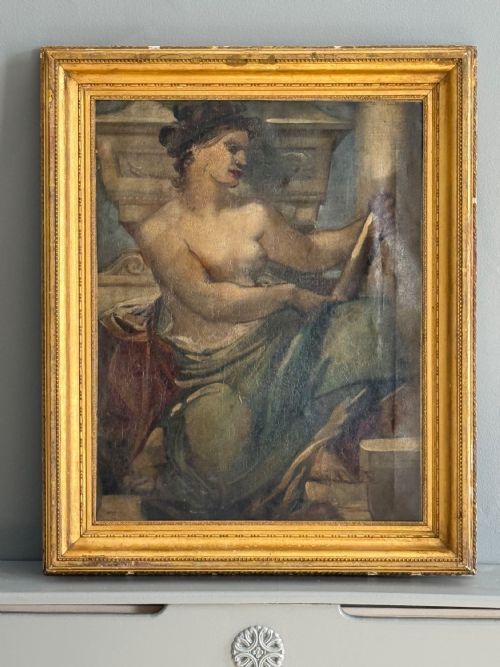
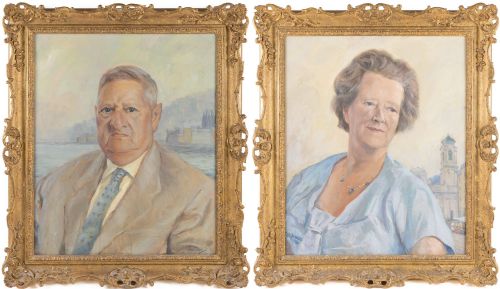
An italian style portrait painting brings classical elegance and historical gravity into a room, drawing the eye with rich oil pigments and traditional subjects.
Italian Style Portrait Painting
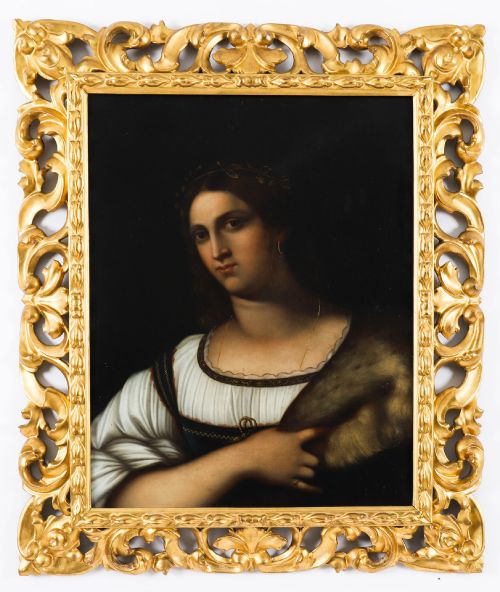
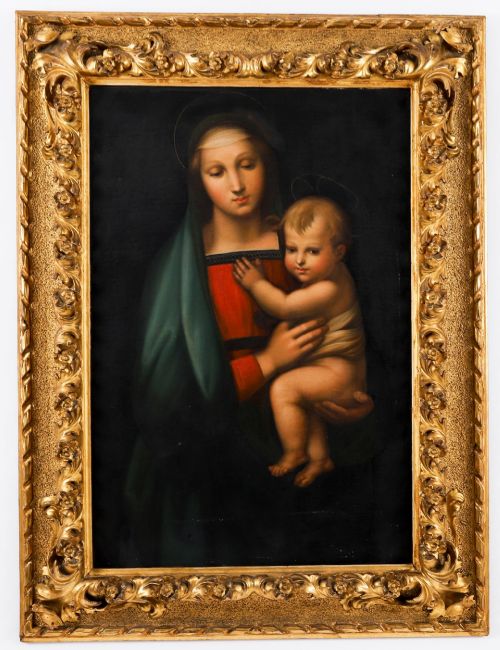
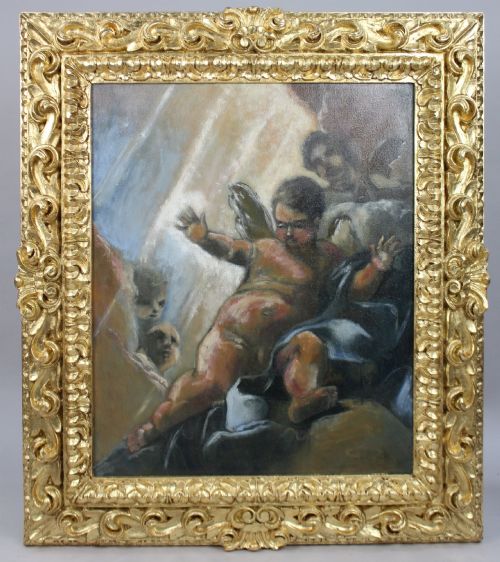
When you search for an italian style portrait painting, you encounter works that range from grand sixteenth-century religious compositions to later nineteenth-century academic interpretations and mid-century revivals. The form takes inspiration from Renaissance masters, Baroque drama, and classical Venetian portraiture.
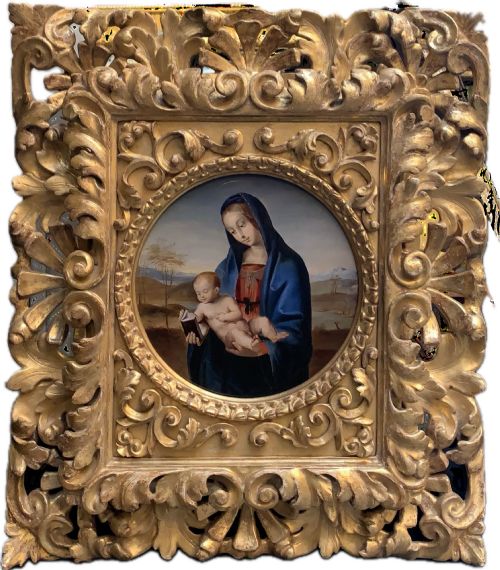
The version you are most likely to meet on this page is an oil on canvas depicting a noble figure, religious icon, or historical genre scene, frequently set inside a carved giltwood or swept frame.
Materials and Methods
These works rely on oil paint applied to canvas or wood panels, building up layers of pigment to achieve depth in garments and facial expressions.
Frames play an integral role in the physical structure, utilising wood, gilded wood, and gold leaf to complement the rich tones of the painted surface.
Italian Style Portrait Painting Retail Price Guide 2026
Typical asking prices for italian style portrait painting among the pieces listed under this phrase on Sellingantiques today, from the lower quarter to the upper quarter. They describe what is for sale here now, not the wider market.
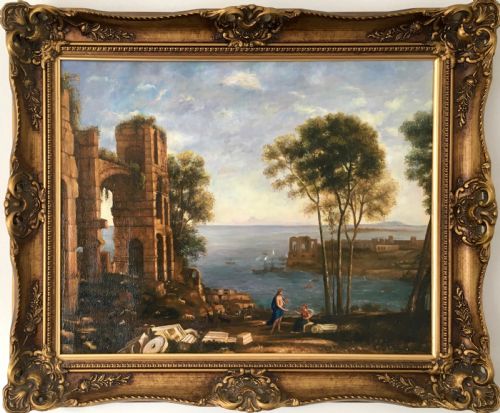
Subject matter ranges from depictions of the Madonna and Child to Venetian noblewomen, saints, and Mediterranean landscapes.
Assessing Quality
The distinction between ordinary and exceptional pieces rests in the handling of light, shadow, and anatomy, where masterly brushwork creates lifelike texture in fabrics and skin.
The integrity of the supporting frame, whether carved giltwood or simple wood, matches the importance of the canvas itself in determining the overall visual presence.
Dumini Leopoldo·Francesco Solimena·Luca Postiglione·Willem Johannes Martens
The Italian Style Portrait Painting Glossary
- Oil on Canvas
- A traditional painting medium where pigments suspended in drying oils are applied to stretched fabric. This method allows for subtle blending and rich colour depth.
- Giltwood
- Wood that has been coated with a thin layer of gold leaf or gold paint. It frequently surrounds classical portraits to enhance their visual weight.
- Renaissance Revival
- A nineteenth-century style that imitates the artistic forms and humanist themes of the fifteenth and sixteenth centuries. Works in this vein emulate master painters from earlier eras.
- Baroque
- An artistic style characterised by exaggerated motion and clear detail used to produce drama, tension, and grandeur. It appears often in seventeenth-century Italian works.
- Capriccio
- An architectural fantasy placing together different buildings, ruins, and other architectural elements in a fictional combination. Painters used this format to depict picturesque Mediterranean landscapes.
Italian Style Portrait Painting: Frequently Asked Questions
What periods do these paintings cover?
The works span from the sixteenth century through the seventeenth and eighteenth centuries up to nineteenth-century revivals and mid-century interpretations. Each era brings distinct techniques and stylistic priorities to the canvas.
Earlier pieces often reflect religious or classical traditions, while later items frequently adopt academic or revivalist approaches.
How were these portraits historically displayed?
Owners typically hung these large canvases in formal rooms, drawing rooms, or private galleries to signal taste and education. They served as focal points within domestic interiors.
Ornate giltwood frames were chosen to project status and catch the ambient light of oil lamps or tall windows.
Are these works original or copies?
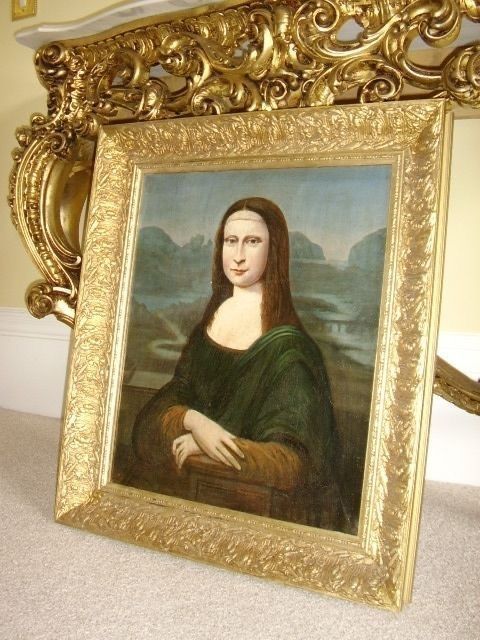
Many listings feature works executed after famous masters such as Raphael, Titian, or Leonardo da Vinci, created either by later followers or during the Grand Tour. These interpretations formed an established part of artistic training and elite collecting.
Original compositions by period artists also appear alongside these studio pieces and later copies.
How do I care for an oil painting on canvas?
Keep the canvas away from direct sunlight, high humidity, and rapid temperature fluctuations to prevent the oil paint and wood stretcher from warping. Dust the surface gently with a soft, dry brush.
Avoid using water or liquid cleaners on the paint or the giltwood frame, as moisture damages traditional gesso and gold leaf.