



Nineteenth Century Double Bed
These nineteenth century double bed frames offer enduring sleeping quarters, combining period craftsmanship with solid proportions.
Nineteenth Century Double Bed
A nineteenth century double bed provides a substantial sleeping frame originating from the Victorian era, alongside French and Empire designs. These pieces span timber and metal constructions, reflecting the diverse domestic tastes of the period.
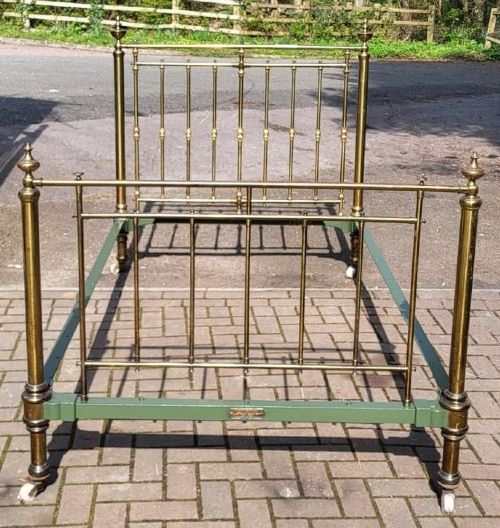
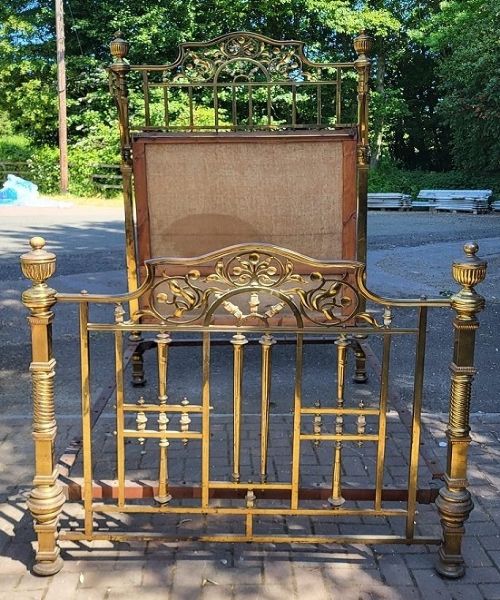
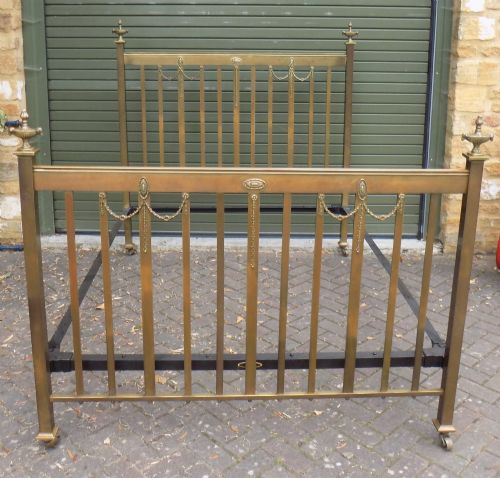
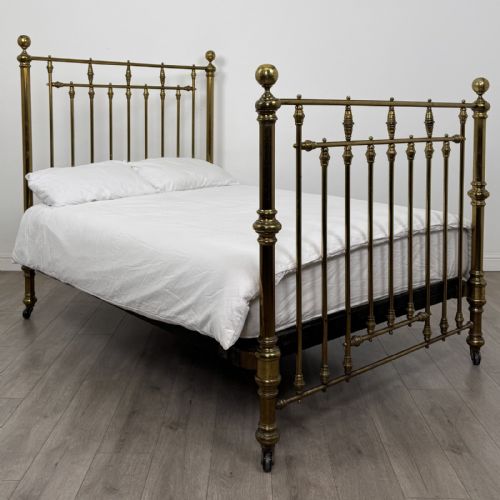
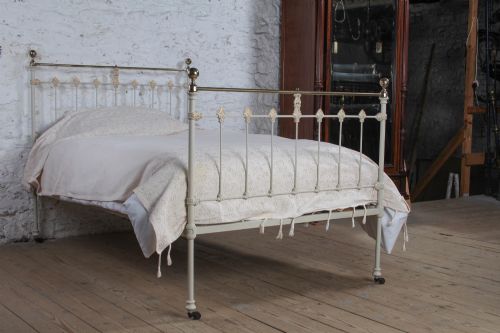
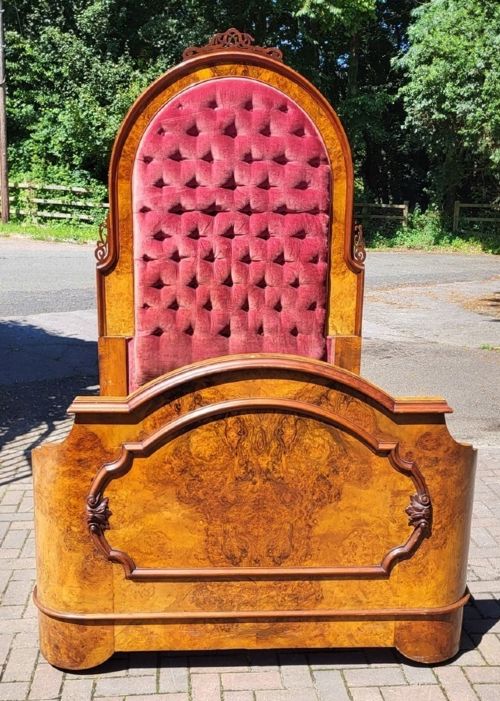
Buyers most frequently encounter Victorian brass and iron bedsteads on this page, often incorporating decorative metalwork or upholstered headboards. Wooden variants in burr walnut, flame mahogany, rosewood, and Hungarian ash also appear regularly among the listings.
Bedsteads from this era were constructed to accommodate standard domestic spaces while offering decorative presence through carved wood or polished metal. The selection includes half tester frames, high button back upholstered designs, and distinct Art Nouveau framing.
How they were made
Makers utilised solid brass, cast iron, and wrought iron to construct durable metal bedsteads, frequently combining brass fittings with black or painted iron frames. Metal components were cast and joined to provide structural longevity alongside decorative appeal.
Timber frames relied on cabinetmaking traditions, employing hardwoods like flame mahogany, burr walnut, rosewood, and Hungarian ash. Craftsmen applied these decorative veneers and solid timbers to headboards and footboards, occasionally incorporating ormolu details.
Nineteenth Century Double Bed Retail Price Guide 2026
Typical asking prices for nineteenth century double bed among the pieces listed under this phrase on Sellingantiques today, from the lower quarter to the upper quarter. They describe what is for sale here now, not the wider market.
Some Victorian iron beds were built with such indestructible resolve they have outlived several generations of floorboards.
What varies in quality
The refinement of the casting and the purity of the metal separate standard iron frames from exhibition quality solid brass pieces. Heavier gauge metals and intricate detailing indicate superior workshop standards during production.
Woodwork varies according to the selection of veneer and the crispness of carved or applied ornament. Superior timber examples display carefully matched grain patterns in burr walnut or flame mahogany alongside precise joinery.
The Nineteenth Century Double Bed Glossary
- Bedstead
- The framework of a bed, comprising the headboard, footboard, and side rails designed to support a mattress. These structures are constructed from timber or metal.
- Half tester
- A bed with a partial canopy extending from the headboard over the upper portion of the sleeping surface. This canopy is typically supported by brackets or columns attached to the frame.
- Ormolu
- Gilded bronze or brass applied as decorative mounts onto furniture and bedframes. This technique adds metallic ornamentation to timber surfaces, particularly in Empire style pieces.
- Side rails
- Long horizontal timbers or iron bars connecting the headboard and footboard of a bedstead. They maintain the structural rigidity of the frame.
- Button back
- An upholstery style where depressions are formed in the padding by pulling buttons or tufts through the fabric. This method secures the filling and creates a patterned surface on headboards.
Nineteenth Century Double Bed: Frequently Asked Questions
Will a nineteenth century double bed fit modern mattresses?
Many nineteenth century double beds conform to older sizing standards rather than modern metric dimensions. Buyers should check the internal length and width measurements of the side rails carefully.
Custom or adapted mattress bases may be required to fit historic frames securely while maintaining proper support for daily use.
How do I assemble an antique metal bed?
Most antique metal bedsteads utilise wedge-fitting side rails that slot directly into the corner posts of the headboard and footboard. Gravity and the weight of the mattress lock these joints firmly into place during setup.
Care should be taken to align the irons correctly without forcing cast components, ensuring the frame remains square and stable.
What is the difference between brass and iron beds?
Brass beds feature either solid brass construction or a brass plating over iron cores, offering a bright metallic finish that reflects Victorian decorative tastes. Iron frames utilise cast or wrought iron, often painted or blackened, providing a heavier and more industrial structure.
Many examples combine both materials, pairing iron structural supports with decorative brass tubing and finials.
How do I care for polished brass frames?
Polished brass requires regular dusting with a soft cloth to prevent the accumulation of surface dirt and moisture. Abrasive cleaners should be avoided to preserve any protective lacquer applied to the metal.
Unlacquered brass may develop a natural patina over time, which many collectors prefer to maintain without excessive polishing.