





Nineteenth Century Copper
Nineteenth century copper offers robust utility and warm metallic lustre, bringing tactile history and practical vessels directly into modern rooms.
Nineteenth Century Copper
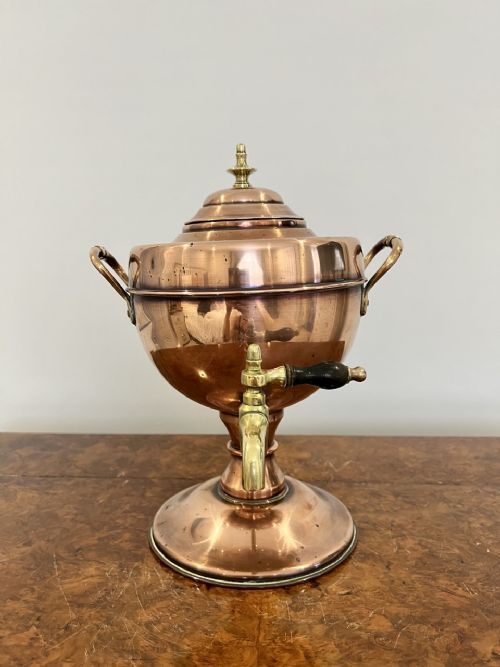
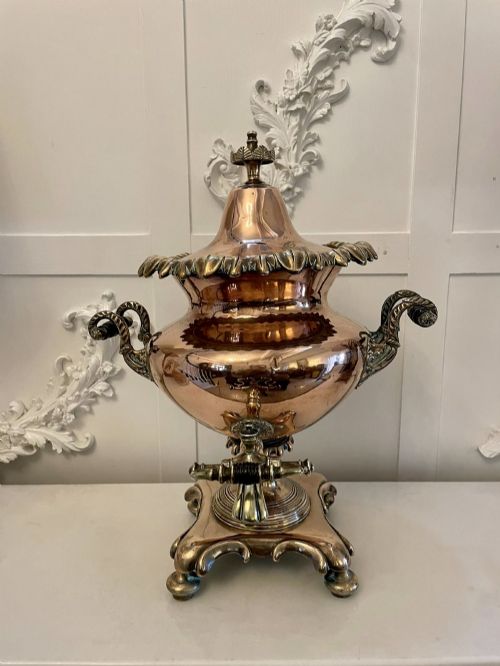
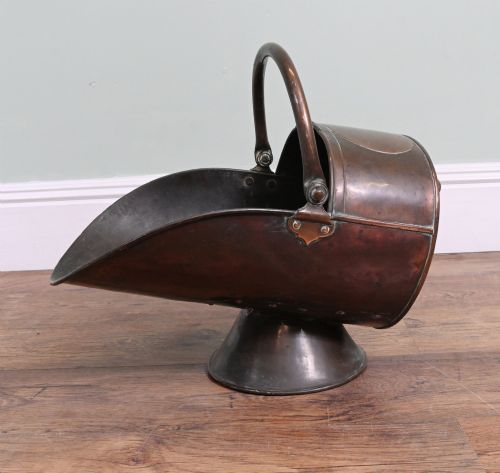
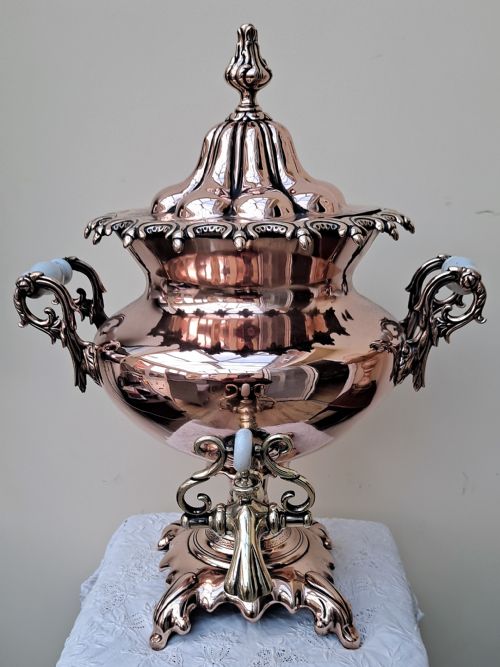
Nineteenth century copper encompasses a diverse range of domestic and decorative objects, from utilitarian kitchen pans and water barrels to elaborate display pieces. Buyers frequently encounter substantial vessels intended for hearth and dining use, such as coal scuttles, samovars, kettles, and large storage pots.
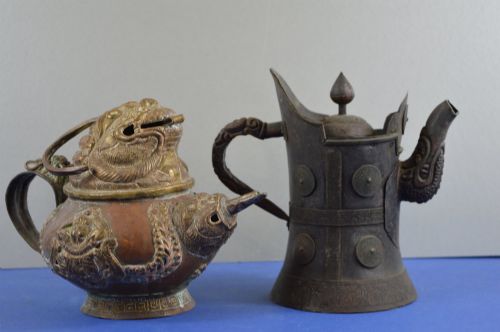
The selections span various distinct aesthetics and cultural origins, including British Victorian country house items, Japanese cloisonne enamel chargers and bowls, Tibetan ceremonial ewers, and Swedish water barrels. Pieces emerge from specific historical movements like the Arts and Crafts style, Empire Revival, and Meiji period craftsmanship.
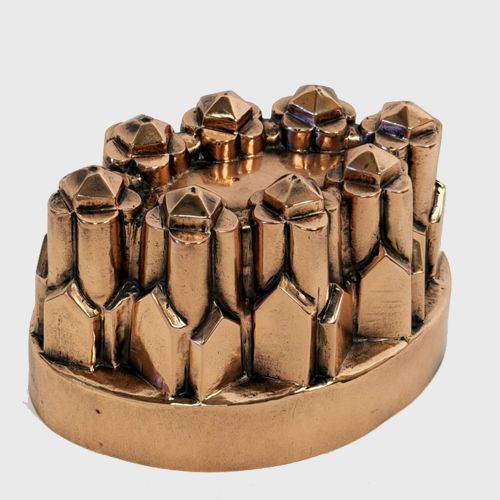
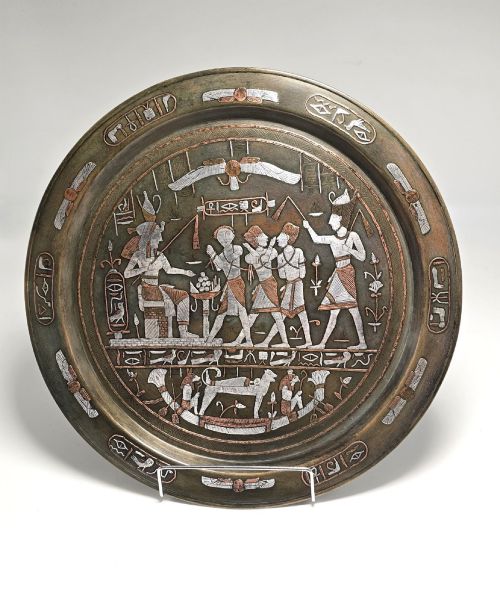
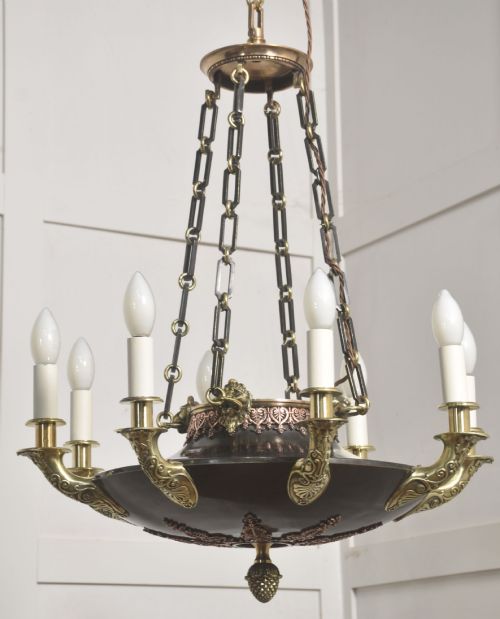
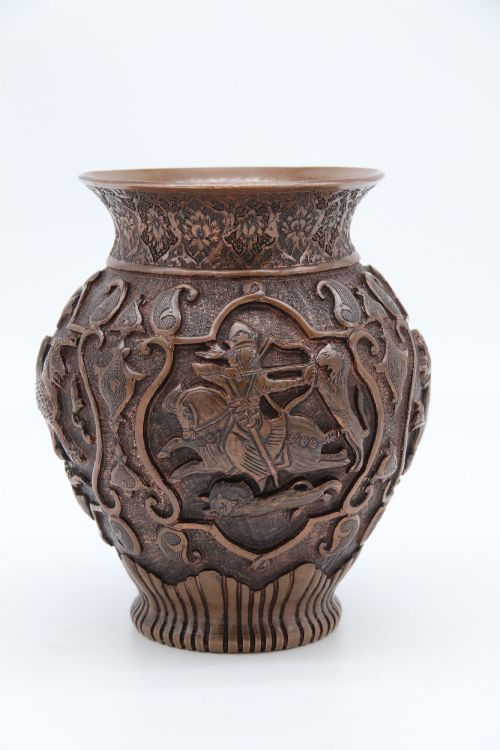
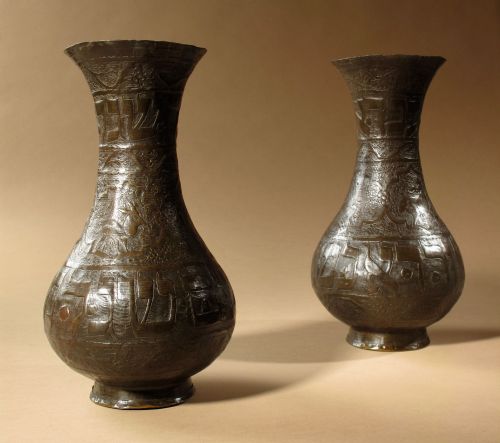
Vessels on display range from simple jam preserve pans and food warmers to intricate repoussé vases, lanterns, and chandeliers combining copper with brass and iron. This variety reflects both everyday utilitarian manufacture and specialised artistic production across international workshops.
Materials and Technique
Makers utilised solid copper alongside contrasting metals such as brass fittings, iron handles, and tin linings to build durable, functional items. Surface ornamentation frequently involved repoussé work, where designs were hammered from the reverse to create raised motifs on vases and coal purdoniums.
Enamelling techniques appear on Japanese decorative trays and chargers, integrating cloisonne enamel with metallic bases to display detailed imagery of owls, dragons, and landscapes. Other objects incorporate glass, wood, and earthenware elements to complete functional hardware and display wares.
Nineteenth Century Copper Retail Price Guide 2026
Typical asking prices for nineteenth century copper among the pieces listed under this phrase on Sellingantiques today, from the lower quarter to the upper quarter. They describe what is for sale here now, not the wider market.
Listings combine utilitarian kitchenware and coal scuttles with decorative Japanese cloisonne enamel vessels and Tibetan ceremonial ewers.
Distinctions in Execution
The upper tier of nineteenth century copper is distinguished by deliberate weight, substantial gauge metal, and rigorous structural integrity in handles, seams, and mountings. Masterful surface execution, whether through precise repoussé embossing or intricate cloisonne enamel work, elevates standard utility items into accomplished decorative arts.
Construction methods reveal the hand of the maker through dovetail joints, hand-beaten hammer marks, and secure riveting rather than mass-produced uniformity. Pieces retaining original patination and uncompromised structural components demonstrate superior survival and enduring material honesty.
Livesley Powell And Co
The Nineteenth Century Copper Glossary
- Repoussé
- A metalworking technique where the artisan hammers a design from the reverse side to create a raised relief on the front. This method appears frequently on decorative vases and vessels.
- Samovar
- A heated metal container traditionally used to boil water for tea in domestic settings. Examples often combine heavy copper and brass construction with spigots.
- Cloisonne
- An enamelling method where thin metal wires form compartments on a metallic base, which are then filled with coloured paste and fired. Japanese pieces utilise this to depict intricate flora and fauna.
- Purdonium
- A specialised decorative box or bin designed specifically for storing coal near a domestic fireplace. These containers often feature robust iron handles and brass accents.
Nineteenth Century Copper: Frequently Asked Questions
How do I clean nineteenth century copper?
Maintenance depends entirely on whether you prefer a bright polished shine or the deep, dark patination accumulated over decades of existence. Gentle washing with mild soap and warm water removes surface dust without stripping historical character.
Avoid harsh abrasive compounds that scratch the soft metallic surface and erase subtle hand-beaten marks. Many collectors choose to leave the natural oxidation untouched to preserve the authentic age of the material.
Were these items meant for daily use?
Many objects on this page served heavy domestic or industrial roles in nineteenth century households, workshops, and streets. Jam pans, kettles, water barrels, and coal scuttles were built strictly for hard practical labour.
Other items like Tibetan ceremonial ewers, Japanese enamel chargers, and intricate chandeliers served decorative or ritual functions. Understanding the original context helps determine how a piece was fabricated and handled.
How do I spot an Arts and Crafts piece?
Arts and crafts copper objects emphasise visible artisan handiwork, honest construction, and simple, functional forms over excessive industrial ornamentation. Look for prominent hand-beaten hammer textures, exposed rivets, and sturdy iron or brass hardware.
These items often date from the late nineteenth century and reflect a philosophical shift toward individual craftsmanship. They generally avoid the elaborate revival styles popular earlier in the Victorian era.
Can I use old copper cookware for cooking?
Most antique copper vessels feature interior linings of tin or other metals to prevent direct contact between food and toxic copper reactions. Over long periods, these protective linings wear thin or disappear entirely through heavy use and cleaning.
Inspect the interior carefully before attempting any culinary preparation, as unlined copper requires professional re-tinning before safely touching consumable ingredients. Many collectors restrict historical kitchenware to decorative display only.