





Nineteenth Century Cheval Glass
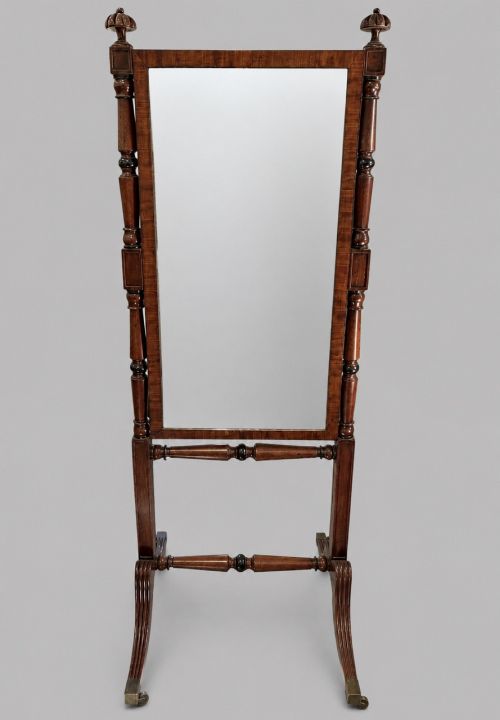
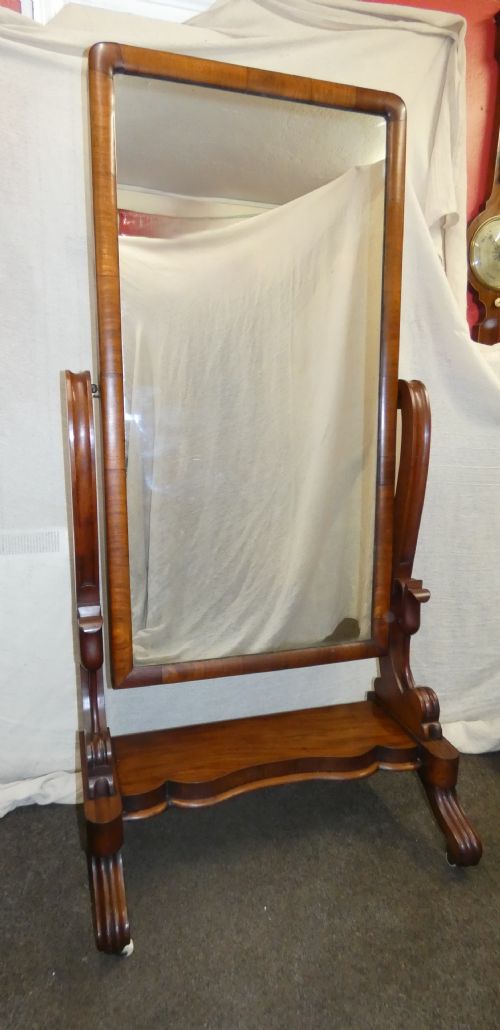
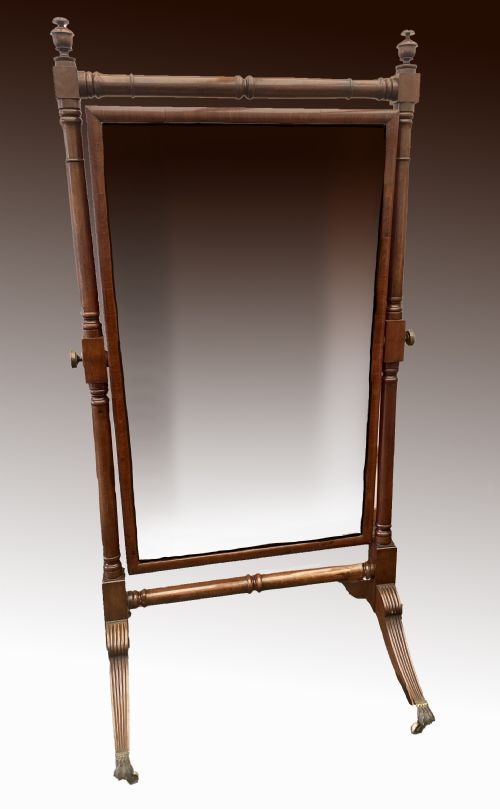
A nineteenth century cheval glass is a full-length swinging mirror that stands independently on its own frame, offering the clear reflection every dressing room requires.
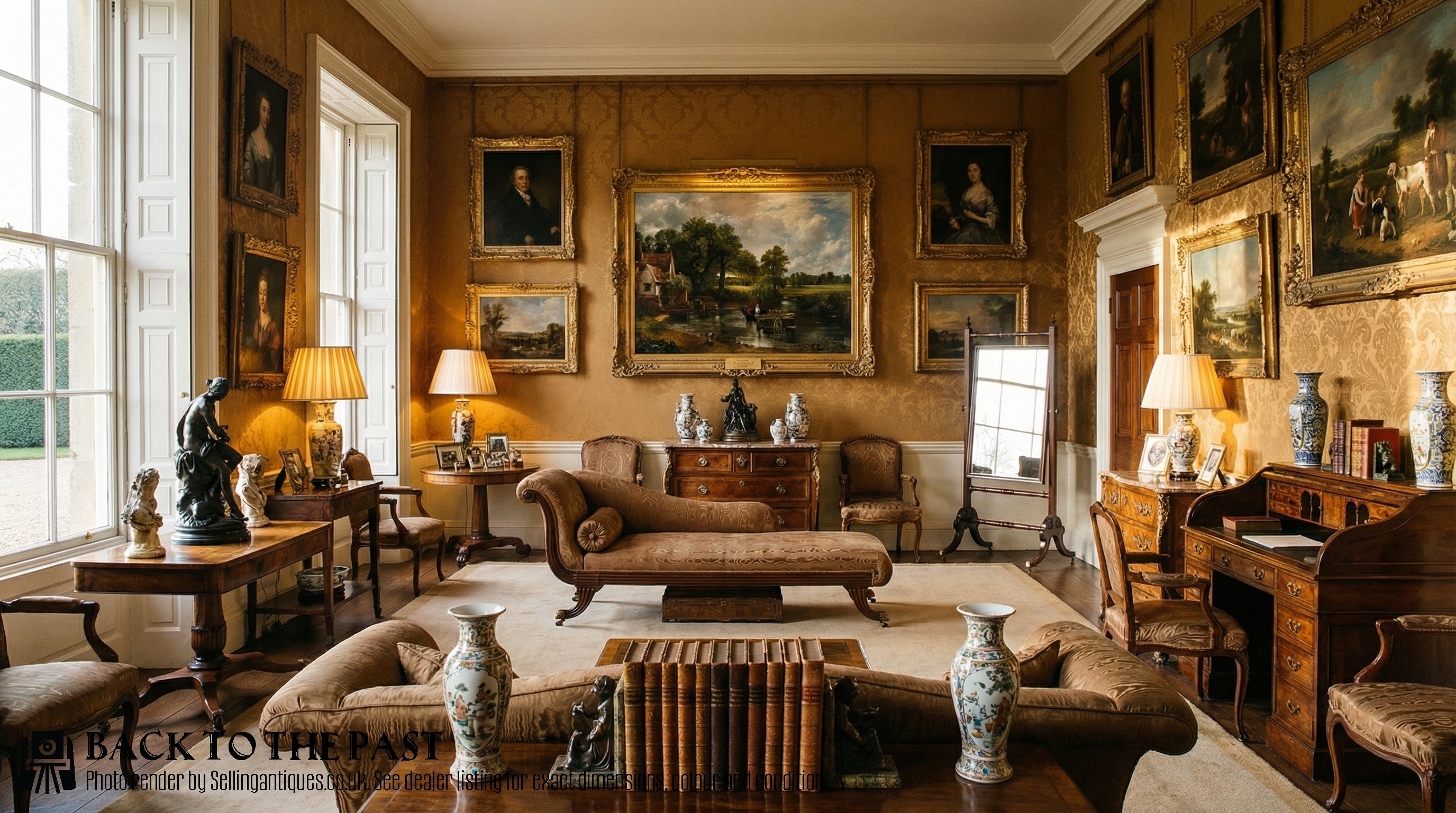
Nineteenth Century Cheval Glass
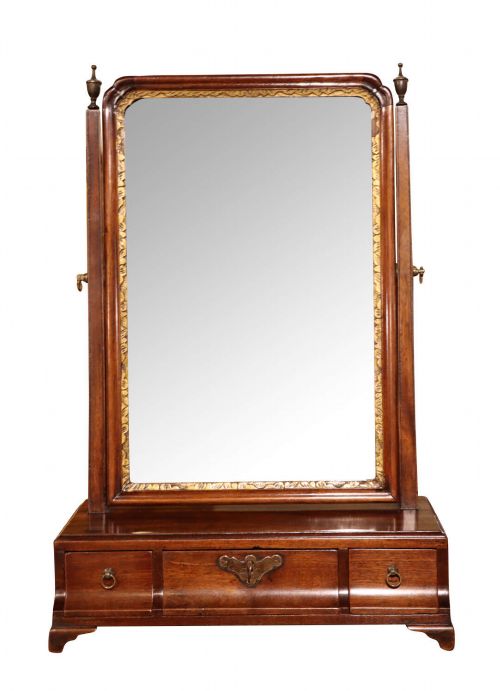
When you search for a nineteenth century cheval glass, you are looking at tall, pivoting looking glasses designed to stand freely on the floor so a person could view their entire outfit. The pieces available here encompass substantial floor-standing cheval mirrors alongside smaller dressing table mirrors.
The examples on this page span the Regency and Victorian periods, with pieces originating from around 1800 up to 1850. You will frequently encounter forms executed in rich mahogany, sometimes enhanced with inlaid details or substantial framing.
While the grand floor-standing cheval glass dominates the primary examples, related dressing mirrors with drawers also appear within the selection. These objects reflect the changing domestic habits of the nineteenth century, moving from bespoke furniture workshops to larger retail showrooms.
How they were made
Cabinet makers constructed these swinging mirrors primarily using solid and veneered mahogany, frequently selecting flame mahogany to create striking grain patterns across the timber surfaces. Frames and mounts incorporate brass fittings and occasional ormolu accents to support the pivoting mirror plate.
Specialist techniques of the period included fine satinwood inlay and Dutch marquetry work applied to the wooden frames and dressing table bases. The mirror glass itself was housed within adjustable wooden frames suspended between two upright vertical posts.
Nineteenth Century Cheval Glass Retail Price Guide 2026
Typical asking prices for nineteenth century cheval glass among the pieces listed under this phrase on Sellingantiques today, from the lower quarter to the upper quarter. They describe what is for sale here now, not the wider market.
Early morning dress checks relied entirely on these pivoting mirrors catching the weak light of a nineteenth-century bedroom.
What varies in quality
The distinction between standard production pieces and the finest examples rests upon the selection of timber veneers and the intricacy of the decorative inlay. Superior items display careful attention to the figure of the mahogany and the crispness of any brass or ormolu mounts.
Construction methods also separate the workshops, visible in the stability of the pivoting mechanism and the quality of joinery in associated drawers. Pieces bearing the attribution of renowned makers demonstrate a higher tier of design and execution.
Gillows
The Nineteenth Century Cheval Glass Glossary
- Cheval glass
- A large, full-length mirror hung in a frame that allows it to swing or tilt. The term derives from the French word for horse, referring to the four-legged frame.
- Regency
- An English stylistic period spanning from roughly 1811 to 1820, characterised by classical restraint and inspiration from ancient Greece and Rome. Pieces from this era often feature clean lines and dark timbers.
- Victorian
- The period spanning the reign of Queen Victoria from 1837 to 1901, encompassing diverse revival styles and robust domestic furniture production. Proportions during this era tended toward the substantial and decorative.
- Ormolu
- Gilded bronze used for decorative mounts and fittings on fine furniture. The technique involves applying a gold amalgam to a bronze base.
Nineteenth Century Cheval Glass: Frequently Asked Questions
What is a cheval glass?
A cheval glass is a tall, freestanding mirror suspended within a wooden frame on pivots, allowing the glass to tilt.
These pieces were designed for bedrooms and dressing rooms to provide a full-length reflection.
How do I date a mirror?
Dating relies on observing the timber species, construction techniques, and stylistic markers such as Regency classicism or Victorian proportions.
Makers often utilised specific veneers and hardware characteristic of their decade of manufacture.
Where were they placed?
These mirrors stood directly on the floor in bedrooms or dressing spaces where natural light helped with dressing.
Smaller variants sat upon chests or dressing tables rather than standing independently on the floor.
How do I care for the wood?
Maintain mahogany frames by keeping them away from direct sunlight and sudden changes in humidity.
Apply traditional wax polish sparingly to nourish the timber surface without building up residue.