
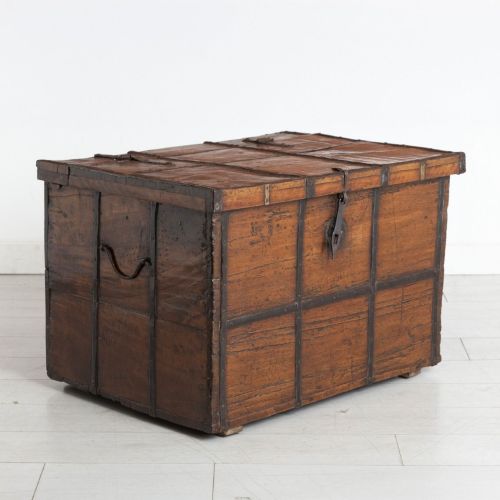
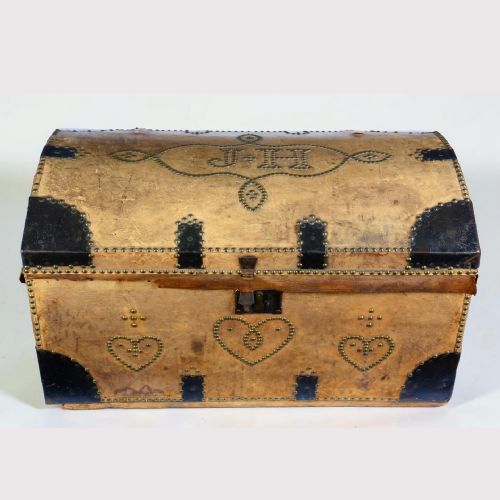




Nineteenth Century Blanket Chest
A nineteenth century blanket chest brings heavy timber and honest storage to a room, built to hold woollens and endure decades of travel.

Nineteenth Century Blanket Chest
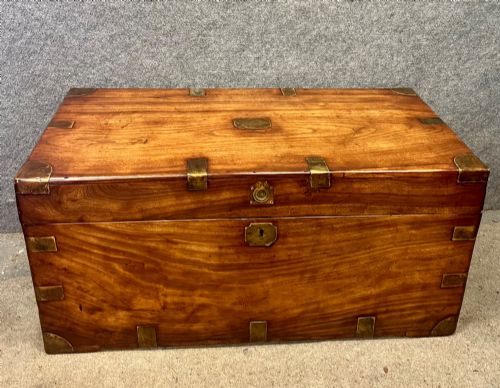
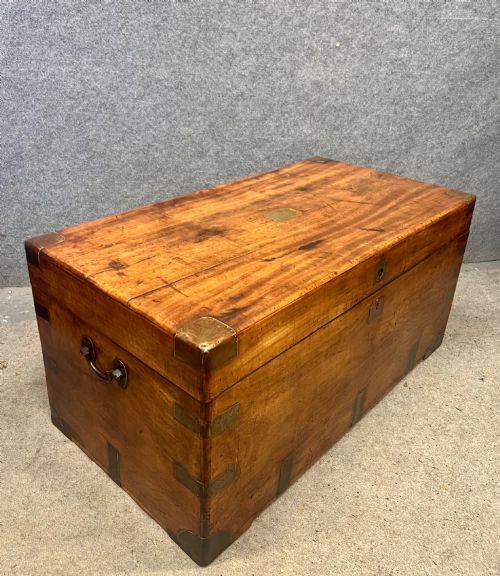
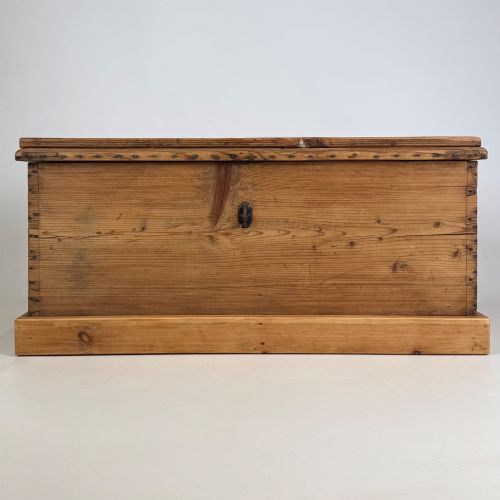
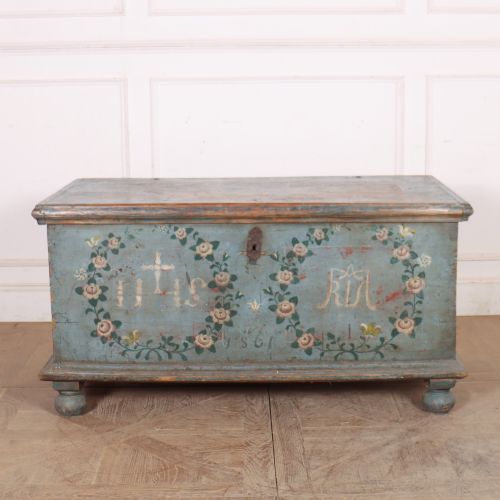
A nineteenth century blanket chest serves as a robust wooden repository for linens and woollens, turning utilitarian storage into a focal point. Buyers searching this phrase meet everything from plain pine boxes to brass bound campaign trunks in mahogany or camphorwood.
The selection ranges from country house painted storage boxes and Swedish marriage chests to travelling trunks bearing the marks of military service. Regional variations bring different timbers to the surface, showing how domestic and travel furniture developed side by side during the period.
How they were made
Carpenters built these pieces using solid pine, mahogany, camphorwood and oak, often joining boards with dovetails for lasting strength. Iron and brass hardware, including strapwork, corners and carrying handles, reinforced the structures for frequent movement.
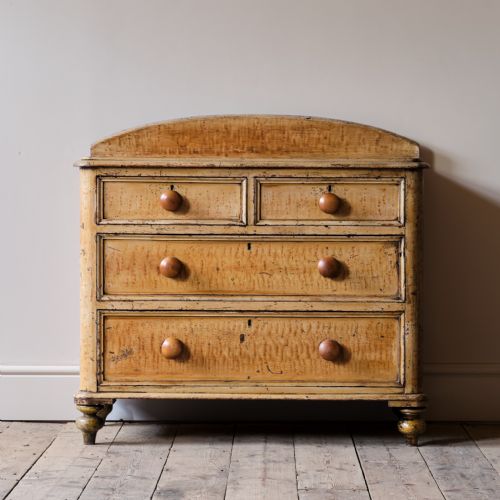
Surfaces received various treatments depending on the intended use, from clear polishing on fine mahogany to scumbled paint, original graining or plain protective coatings on utilitarian pine boxes.
What varies in quality
Quality rests on the selection of timber and the integrity of the original construction rather than decorative excess. Pieces utilising dense camphorwood or well figured mahogany show a higher grade of craftsmanship than everyday utility pine.
The survival of original surfaces, whether scumbled paint or polished hardwood, determines the character of the piece. Integrated brass mounts, dovetailed joints and sound interior compartments separate workshop standard items from simpler boxes.
Arthur Wannop·Seabrook of St Pauls London
The Nineteenth Century Blanket Chest Glossary
- Campaign trunk
- A sectional or reinforced box designed for military officers on the move, typically fitted with recessed brass handles and corner brackets. These pieces use durable timbers like camphorwood or mahogany to withstand long journeys.
- Scumbled paint
- A decorative surface technique where a translucent top layer of paint is manipulated over a lighter base to imitate the grain of richer woods. It was frequently applied to pine furniture during the Victorian period.
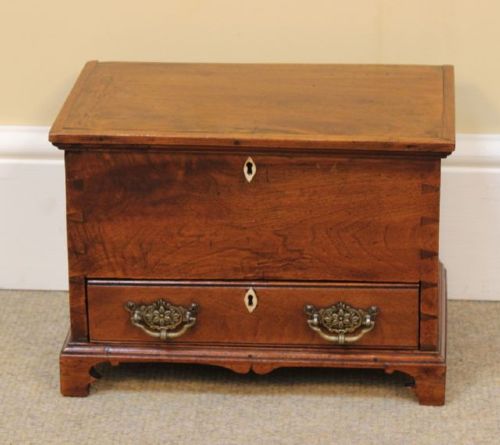
- Mule chest
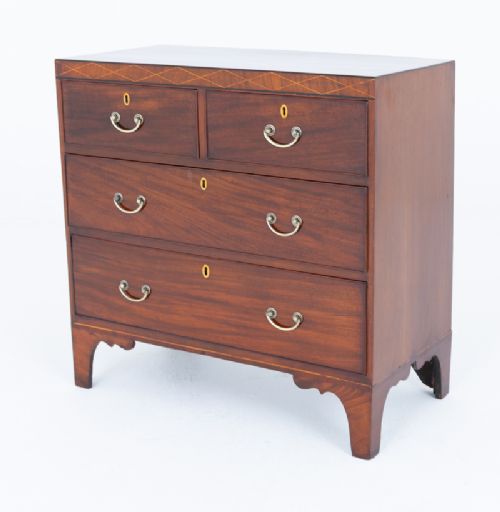
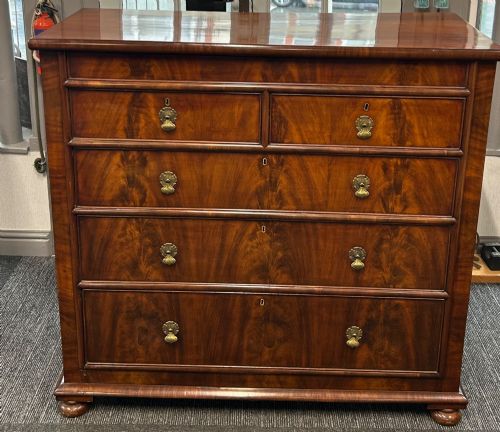
- A traditional form of storage combining a deep trunk compartment above one or more bottom drawers. This hybrid design bridges the gap between the simple blanket chest and the modern chest of drawers.
- Apprentice piece
- A miniature furniture item created by a young craftsman to demonstrate skill and secure trade recognition. These scaled down models display the same joinery techniques as full sized chests.
Nineteenth Century Blanket Chest: Frequently Asked Questions
Where were blanket chests used?
These chests found places at the foot of beds in domestic bedrooms, in hallways for heavy outer garments, and aboard ships or carriages during military campaigns. Their sturdy construction allowed them to double as seating or tables while travelling.
Domestic versions remained stationary in country houses and town homes, while campaign variants accompanied officers across colonies and continents.
How do I care for antique pine?
Keep wooden chests away from direct heat sources and sudden humidity shifts to prevent the timber from splitting or warping. Dust regularly with a dry cloth and occasionally feed unpainted surfaces with appropriate wax.
Avoid harsh chemical cleaners that can strip original paint finishes or damage aged patination on the wood.
What is camphorwood used for?
Camphorwood provided a natural insect repellent property that protected woollens and uniforms from moths during long sea voyages. Its pleasant aroma and resistance to humidity made it the preferred timber for military and colonial trunks.
Chests built from this wood often retain their characteristic scent decades after their manufacture.
How are campaign chests different?
Campaign chests feature recessed brass hardware, reinforced corners, and carrying handles designed to prevent snagging during transport. They often split into modular sections for easier loading onto pack animals or ships.
Unlike stationary domestic furniture, every detail on a campaign piece prioritises durability and portability.