



Nineteenth Century Ash Chairs
Nineteenth century ash chairs are robust vernacular seats shaped by country makers using local timber for everyday domestic comfort.
Nineteenth Century Ash Chairs
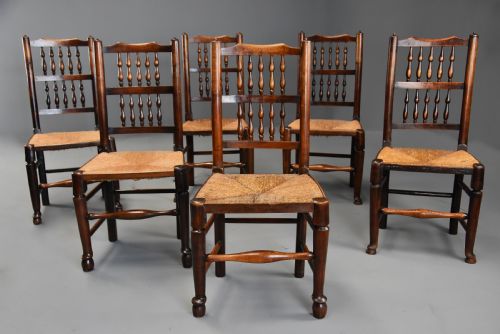
Nineteenth century ash chairs represent the practical tradition of British country seating, built from strong native woods by regional makers. These domestic forms include sets of dining chairs, individual armchairs, and child's chairs designed for hard daily use.
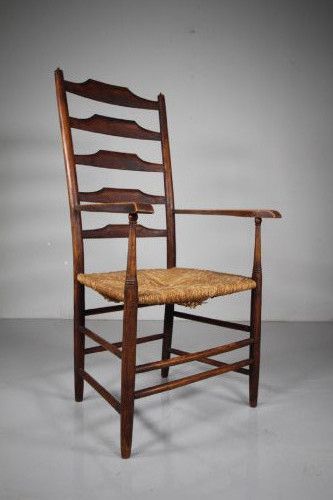
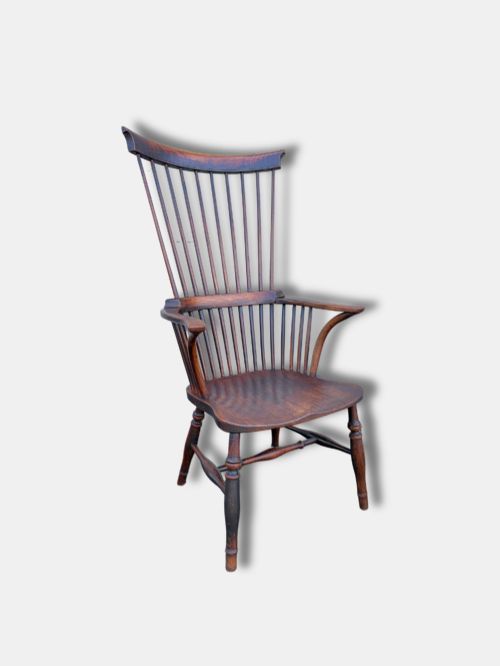
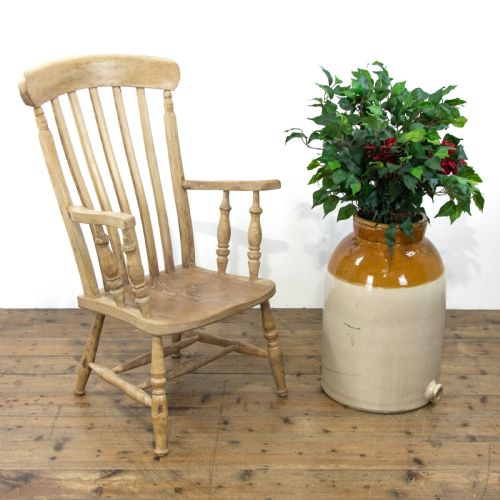
Most examples encountered on this page combine ash with elm, often paired with rush for the seats. Forms range from spindle back and comb back designs to Yorkshire hoop-back windsors and vernacular country armchairs.
The regional variety spans English and Scottish vernacular styles, reflecting local woodworking traditions from places such as Darvel, Irvine Valley, and Ormskirk. Buyers find both single chairs and matched sets dating from the early nineteenth century through to around eighteen eighty.
How they were made
Construction relies on a combination of resilient native timbers, typically utilising ash for the structural frames and spindles alongside elm for solid shaped seats. Some regional sets incorporate alder or natural rush to form woven seating surfaces.
Makers shaped the wood using traditional green woodworking and turning techniques suited to vernacular furniture production. Spindles, bow backs, and legs were turned on lathes and joined to heavy plank seats using simple peg and socket methods.
Nineteenth Century Ash Chairs Retail Price Guide 2026
Typical asking prices for nineteenth century ash chairs among the pieces listed under this phrase on Sellingantiques today, from the lower quarter to the upper quarter. They describe what is for sale here now, not the wider market.
Even the smallest household members needed a seat, as seen in the surviving child's chairs turned from sturdy ash and elm.
What varies in quality
Quality in these rural pieces rests upon the balance of the proportions and the integrity of the construction. Strong joinery and a well-balanced comb or hoop back distinguish a well-made chair from a plain utility seat.
The surface condition and age-related wear contribute greatly to the character of the piece, with a deep patination marking out timber that has aged through handling. The use of specific regional woods and documented attributions add further distinction to individual examples.
Philip Clissett·Duncan McKellar
The Nineteenth Century Ash Chairs Glossary
- Spindle back
- A chair back constructed with a series of turned vertical wooden rods. This light yet strong arrangement was common in nineteenth century country seating.
- Comb back
- A Windsor chair variation where the vertical spindles extend up to a horizontal top rail resembling a hair comb. This style provides high-backed support.
- Rush seat
- A seating surface woven from dried marsh plants, often twisted into cord. It offers a flexible and durable platform for vernacular chairs.
- Windsor chair
- A wooden chair built with a heavy solid seat into which the legs and back sticks are separately inserted. These pieces rely on stick-construction rather than traditional frame-and-panel joinery.
- Vernacular
- Everyday furniture made by local craftsmen for regional use rather than high-style urban workshops. These objects reflect local materials and practical needs.
Nineteenth Century Ash Chairs: Frequently Asked Questions
What woods were used for these chairs?
Makers relied on native timbers suited to structural strength and everyday wear. Ash and elm appear most frequently in the framework and seats.
Additional materials like alder and natural rush also feature in specific regional chair types.
How do I identify a Windsor chair?
A Windsor chair is distinguished by its thick solid wood seat that directly receives the turned legs from below and the back sticks from above. This method of construction creates a sturdy, unified frame.
Variations include high comb backs and hoop backs shaped from bent ash.
Are these chairs suitable for daily use?
These nineteenth century pieces were originally built for heavy domestic service and remain durable when treated with care. Their solid timber construction handles normal seating well.
Placing them away from extreme heat and sudden humidity changes helps protect the aged wood.
What is a vernacular country chair?
Vernacular chairs are regional designs created by local country craftsmen to serve practical household purposes. They lack the formal ornament of urban furniture.
Instead, their design follows local workshop traditions and the available native materials.