



Nineteenth Century Animal Art
Nineteenth century animal art captures beasts and birds through oil, bronze, and carved wood, bringing character and domestic history directly into your rooms.
Nineteenth Century Animal Art
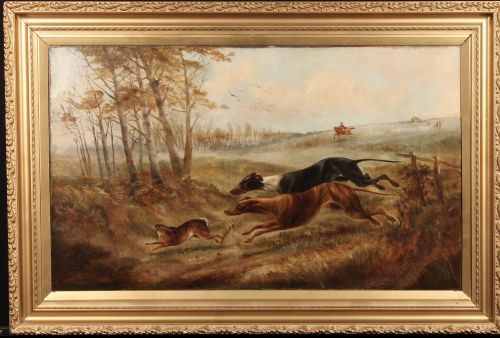
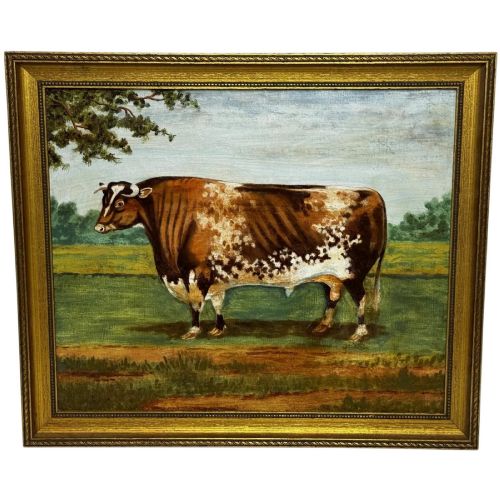
Nineteenth century animal art encompasses oils on canvas, bronze sculptures, and carved wooden figures depicting dogs, livestock, and wild beasts. Buyers examining this selection encounter everything from grand sporting canvases to charming ceramic and metal sculptures.
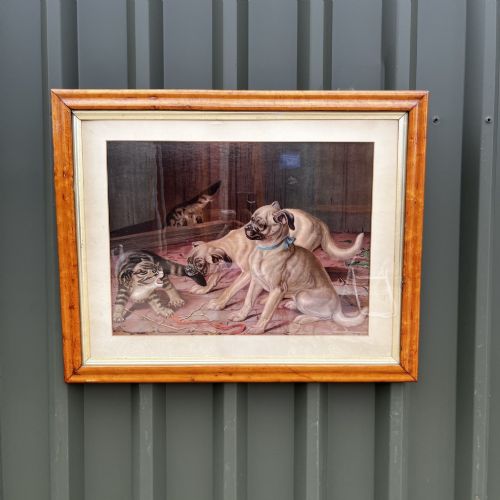
The material range spans oil paint on canvas or panel, framed prints, carved hardwood, ceramic, and bronze. Domestic pets like spaniels and pugs sit alongside farmyard subjects and exotic creatures.
Victorian sporting art and realism dominate the pictorial works, while sculptural objects feature French folk art and Asian bronzes. These pieces reflect a period fascination with natural history, agricultural pride, and domestic companionship.
Materials and construction methods
Painters utilised oil on canvas or wood panel, applying pigment to capture the texture of fur and feather within giltwood frames. Charcoal and chromolithography also appear among the works on paper.
Sculptors shaped bronze, ceramic, and hardwood, often casting metals through foundry methods or carving fine details into wood and stone. Giltwood accents frequently complete the framing of paintings and mirrors.
Nineteenth Century Animal Art Retail Price Guide 2026
Typical asking prices for nineteenth century animal art among the pieces listed under this phrase on Sellingantiques today, from the lower quarter to the upper quarter. They describe what is for sale here now, not the wider market.
A cheerful French carousel pig stands ready to gallop away from the farmyard paintings and into your hallway.
Distinctions in quality
Anatomy and expression separate standard decorative works from master creations, where the rendering of musculature and gaze reveals deep observation of the animal. Finer brushwork or precise metal chasing elevates a piece beyond simple representation.
The integration of the subject within its landscape or setting distinguishes accomplished compositions from stiff portrayals. Original framing, artist signatures, and foundry stamps further anchor the standing of individual works.
George Armfield·Edgar Hunt·Horatio Henry Couldrey·William Barraud·Sir Edwin Landseer RA·Jules Chardigny·Claude Cardon·Georges Gardet·Geza Vastagh·Louis Marie Dominique Robbe·Cuthbert Edmund Swan
The Nineteenth Century Animal Art Glossary
- Chromolithography
- A planographic colour printing technique used to produce multi-coloured prints. This method allowed mass reproduction of detailed artwork during the period.
- Okimono
- A Japanese decorative freestanding sculpture typically displayed in an alcove. These small carvings often depict animals or figures with high naturalistic detail.
- Sporting Art
- A genre of painting and sculpture dedicated to rural sports, hunting, and prized livestock. Such works celebrated horses, hounds, and agricultural achievements.
- Giltwood
- Wood that has been coated with gold leaf or gilt powder for decorative effect. It frequently frames Victorian oil paintings.
- Bronze casting
- A metalworking process where molten bronze is poured into a mould. Foundries utilised this technique to produce durable animal sculptures.
Nineteenth Century Animal Art: Frequently Asked Questions
What animals appear most often in nineteenth century animal art?
Dogs dominate the paintings, particularly spaniels, terriers, and sporting hounds depicted in landscapes or barns.
Farm animals like prize bulls, sheep, and calves also feature alongside exotic creatures such as lions, leopards, and panthers.
How should I hang or display these framed paintings?
Oil paintings benefit from stable indoor humidity and indirect sunlight to protect the canvas and giltwood frames.
Pairing smaller framed works with sculptural bronzes or carved animals creates a balanced display across a room.
How do I distinguish between an original oil painting and a print?
Close inspection reveals the raised texture of dried oil paint and brushstrokes on canvas or panel.
Prints and chromolithographs display a flat surface under magnification, sometimes showing dot patterns or fine paper grain.
What distinguishes bronze sculptures from ceramic figures?
Bronzes offer metal durability and detailed foundry casting, often marked by foundry stamps and patinated surfaces.
Ceramics provide fired clay forms with glazed finishes, originating from regional workshops such as those in Normandy.