



Neoclassical Wall Hanging
These neoclassical wall hanging pieces bring classical symmetry and refined motifs to an interior, offering period elegance through mirrors, plaques, and clocks.

Neoclassical Wall Hanging
A neoclassical wall hanging comprises decorative objects designed for display on vertical surfaces, drawing upon ancient Greek and Roman vocabulary. Buyers encounter wall mirrors, wall plaques, decorative panels, and wall clocks spanning the Georgian, Regency, and Victorian periods.
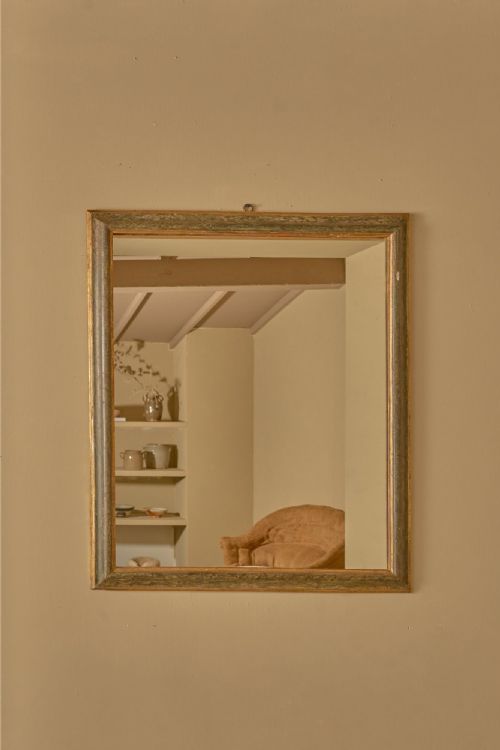
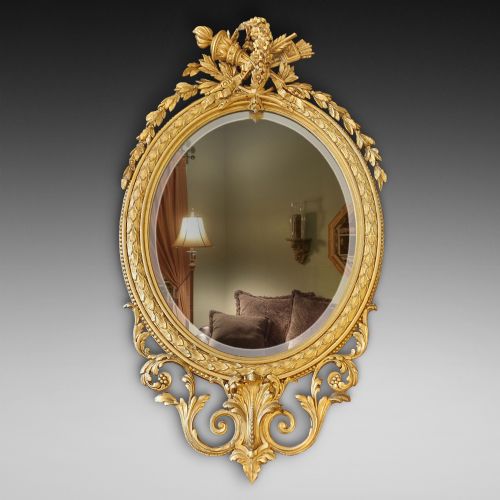
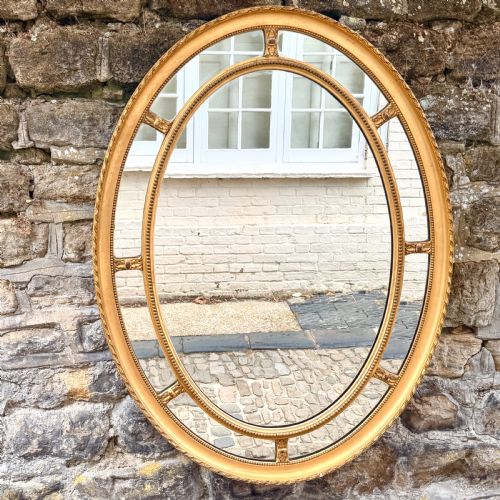
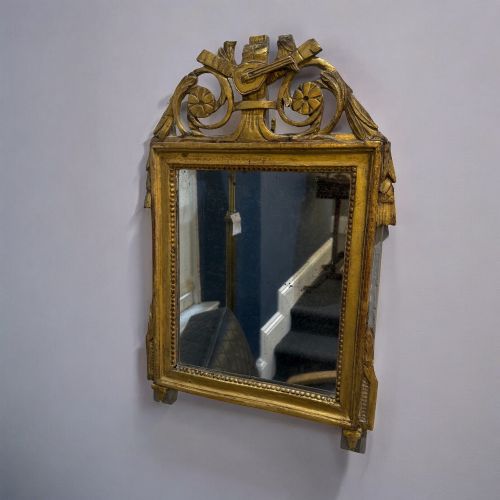
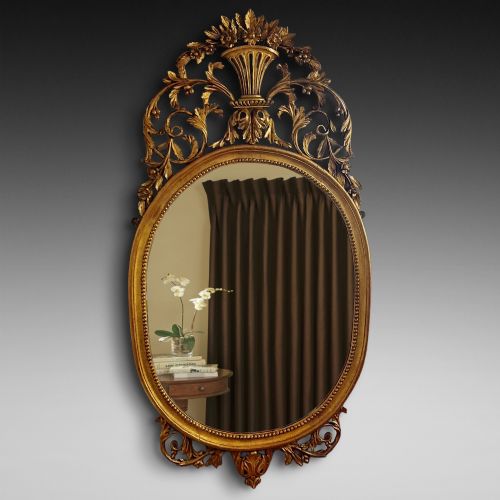
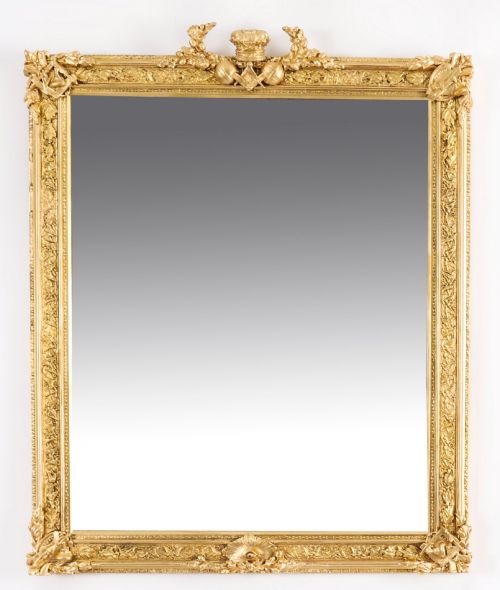
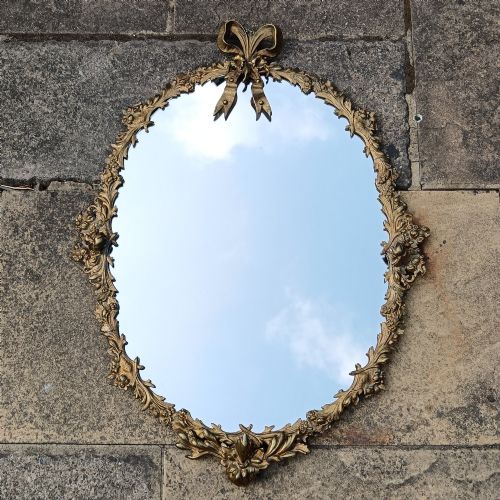
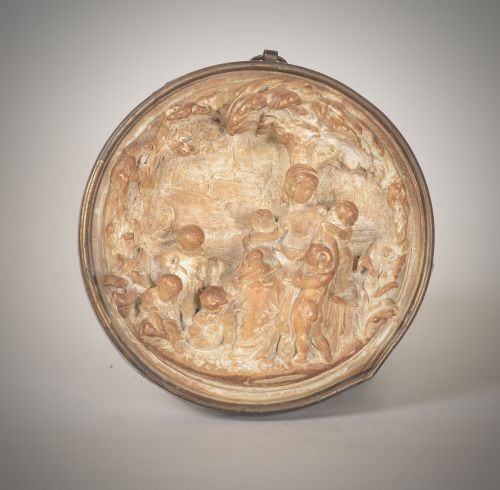
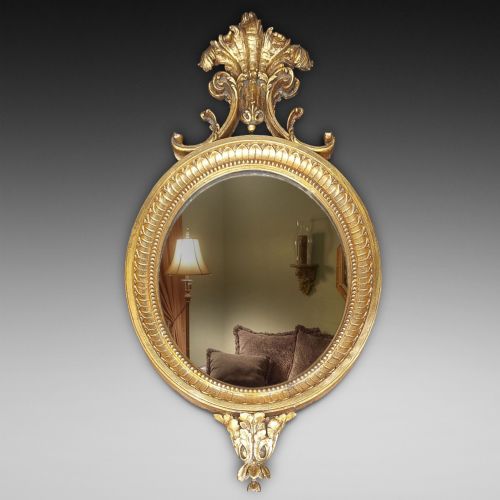
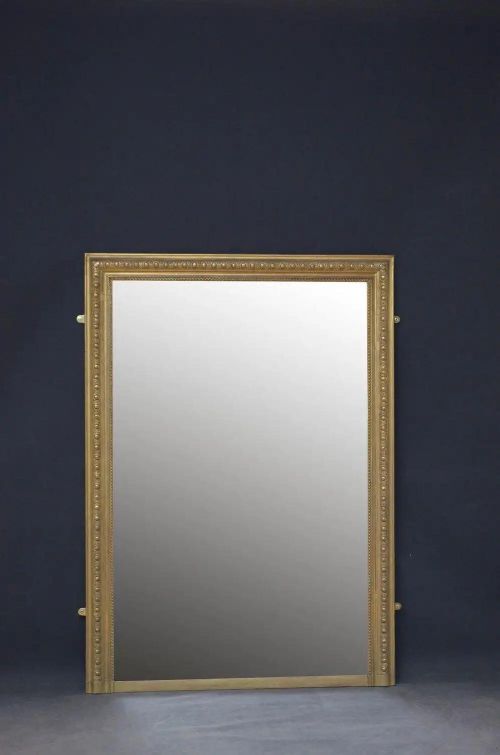
Mirrors form the most common form on this page, often framed in carved giltwood and gesso with oval or rectangular proportions. Alongside these appear plaster reliefs, portrait miniatures, and brass wall mirrors executed in Adam Revival and Louis XVI styles.
How they were made
Carved giltwood and gesso provide the primary structural foundation for the mirrors, utilising timber substrates finished with applied plaster ornaments and gold leaf. Brass and bronze casting appear in later revival pieces, yielding sharp relief details such as rams' heads and classical foliage.
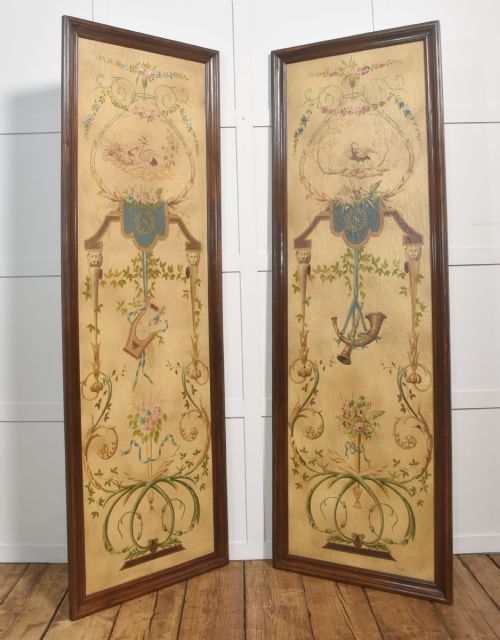
Plaster and glass composition techniques shape the wall plaques and portrait miniatures, including pressed white glass paste cameos framed in timber. Painted decorative panels employ wood supports finished with pigments to simulate classical decorative schemes.
Neoclassical Wall Hanging Retail Price Guide 2026
Typical asking prices for neoclassical wall hanging among the pieces listed under this phrase on Sellingantiques today, from the lower quarter to the upper quarter. They describe what is for sale here now, not the wider market.
Materials span giltwood, gesso, brass, composition, and mirrored glass across various wall-hung formats.
What varies in quality
The refinement of the carved ornament dictates the distinction between standard production and superior examples. Crisp hand-carving in wood and well-defined gesso moulding show a maker's command, whereas soft, shallow cast compo lacks the same shadow and depth.
Original mercury silvering on mirror glass and intact fire gilding on metal components elevate an object's standing. The harmony of the proportions within the classical design framework determines the visual success of the piece on the wall.
Carlhian and Corbiere London·Wetterstrands
The Neoclassical Wall Hanging Glossary
- Gesso
- A plaster-like mixture applied to wood surfaces as a base for gilding. It accepts fine carving and moulding before gold leaf is laid down.
- Giltwood
- Timber, typically pine or softwood, carved and coated with gold leaf. It is the defining frame material for neoclassical wall mirrors.
- Adam Style
- A neoclassical design style popularised by the Adam brothers in Britain. It incorporates delicate swags, urns, and classical symmetry.
- Cartel Clock
- A wall-hung clock enclosed in an ornate frame matching the decorative scheme of the room. They frequently feature gilt bronze or wood cases.
- Overmantel Mirror
- A wide wall mirror designed specifically to hang above a fireplace mantel. These often repeat classical motifs across an extended horizontal format.
Neoclassical Wall Hanging: Frequently Asked Questions
What periods do these wall hangings cover?
The listings span from the late eighteenth century through the Georgian and Regency eras into the Victorian period and later twentieth-century revivals. Georgian and Regency pieces represent the earlier end of the selection.
Later Victorian and Edwardian examples demonstrate a sustained interest in Adam Revival and Louis XVI styles. Each era adapts classical vocabulary slightly differently.
How do I hang a heavy giltwood mirror?
Heavy giltwood frames require secure fastening directly into wall studs or appropriate masonry fixings. The substantial weight of wood, gesso, and glass demands professional hardware.
Ensure the hanging wire or integrated brackets match the total mass of the object. Weight distribution across multiple points prevents structural strain on the antique frame.
What is the difference between Adam style and Regency?
Adam style reflects the lighter, refined neoclassical taste of the late eighteenth century with delicate plasterwork and urn motifs. Regency pieces often incorporate bolder, heavier classical elements influenced by French Empire design.
Both draw on antiquity, but Regency pieces frequently display more pronounced architectural framing and military or classical symbolism.
Are these pieces suitable for bathrooms?
Antique mirrors with original silvering and gesso frames tolerate dry interior environments best. High humidity causes moisture penetration behind the glass and softens traditional gesso.
Placement in hallways, living rooms, and dining spaces preserves the delicate gilt surfaces and original backing materials.