



Antique Classical Head Mask
These antique classical head mask pieces bring sculptural antiquity into domestic interiors through bronze, plaster and marble.

Antique Classical Head Mask
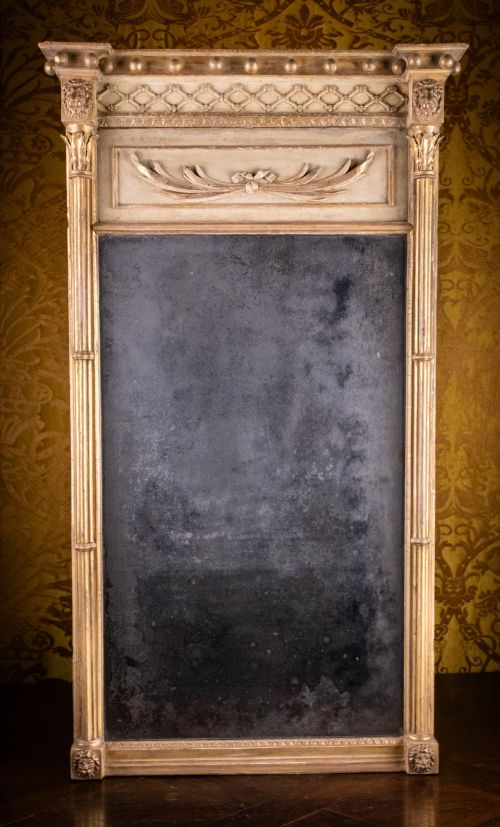
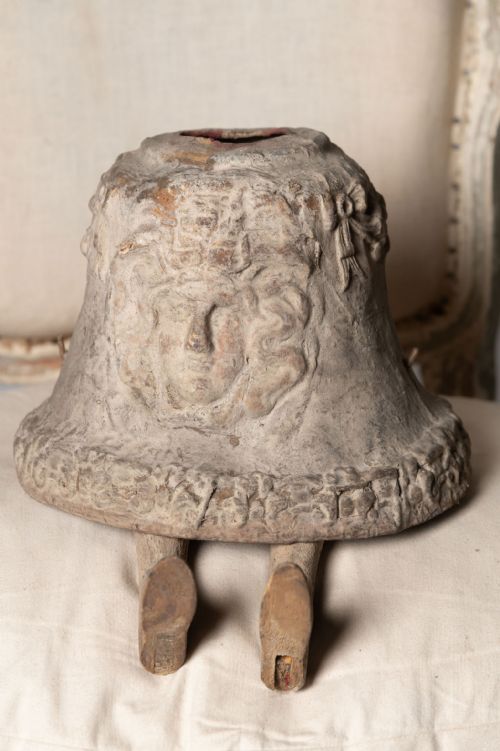
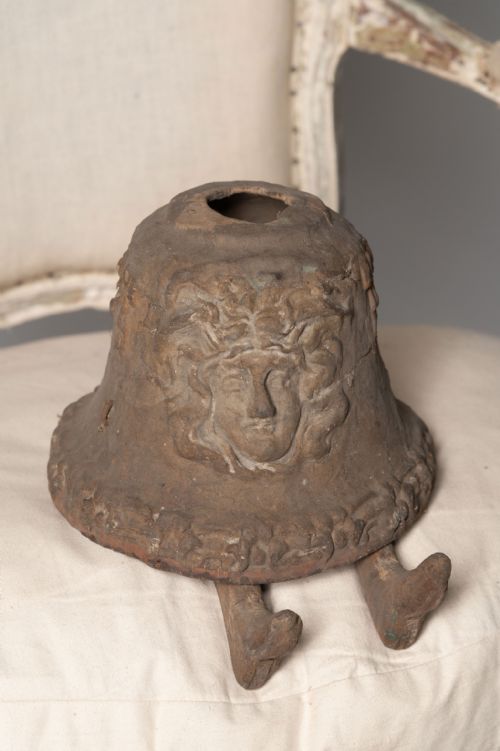
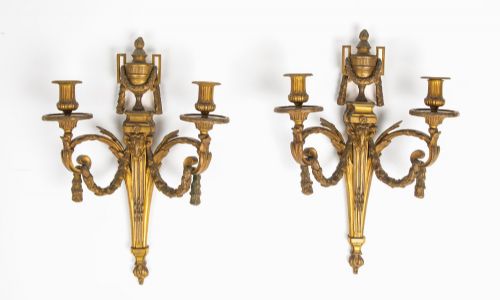
When you search for an antique classical head mask, you encounter sculptural objects and architectural elements drawing directly on ancient Greek and Roman motifs. The selection on this page ranges from theatrical props and wall plaques to sconces, mirrors and console tables incorporating cast metal or plaster heads.
The pieces most frequently met here span the nineteenth century, including Victorian interpretations and Grand Tour souvenirs. Artisans of these periods utilised classical vocabulary to ornament everyday decorative objects, blending theatrical function with neoclassical aesthetics.
How they were made
Maker workshops produced these items using casting techniques in bronze, ormolu, brass and plaster, often finished with gesso or gilding. Detail was achieved through meticulous mould work, capturing the sharp profiles and stylised hair associated with ancient sculpture.
Composites such as papier-mache and scagliola also appear, mimicking the weight and finish of carved stone. Structural elements combine these cast mask ornaments with carved wood, marble tops and heavy metals to form functional furnishings.
Antique Classical Head Mask Retail Price Guide 2026
Typical asking prices for classical head mask among the pieces listed under this phrase on Sellingantiques today, from the lower quarter to the upper quarter. They describe what is for sale here now, not the wider market.
Listings feature items spanning the 19th century and early 20th century, utilising bronze, plaster, marble and wood.
What varies in quality
The integrity of the materials further distinguishes the range. Heavy cast bronze and genuine marble command greater presence than lightweight plaster or composite alternatives, while original gilding and patination elevate the visual depth.
The Antique Classical Head Mask Glossary
- Ormolu
- Gilded bronze, widely utilised in French decorative arts to mount furniture and frame wall lights. It provides a bright metallic finish that mimics solid gold.
- Scagliola
- A composite material made from selenite, glue and pigments, mimicking marble and other stones. Artisans apply it to create smooth, durable ornamental surfaces.
- Grand Tour
- A traditional trip of Europe undertaken by upper-class young European men of means in the 18th and 19th centuries to absorb the cultural legacy of classical antiquity. Souvenirs from these journeys heavily influenced Victorian design.
- Gesso
- A plaster mix used as a base for painting or gilding on wood and canvas. It allows for intricate, low-relief moulding before finishing.
- Classical Revival
- The architectural and decorative style originating in the mid-18th century and extending through the Victorian era, drawing inspiration from the classical art of ancient Greece and Rome.
Antique Classical Head Mask: Frequently Asked Questions
How were head masks used?
In period interiors, these masks functioned primarily as decorative embellishments integrated into wall lights, mirrors and console tables. They were designed to catch the eye and add architectural gravity to domestic spaces.
Some items originated as theatrical props or Grand Tour souvenirs, collected to demonstrate classical taste and erudition. Today, they remain decorative focal points on walls or tabletops.
How do I date these pieces?
Dating relies on examining the material composition, casting techniques and stylistic markers. Pieces from the Victorian era often combine cast brass or bronze with nineteenth-century manufacturing methods.
Stylistic shifts, such as the transition from Louis XVI Revival or Baroque motifs to later Grand Tour aesthetics, help narrow down the period. Comparing the patination and wear on the metal or plaster provides further chronological clues.
How do I live with classical masks?
These pieces integrate well into both traditional and contemporary interiors as striking wall mounts or sculptural accents. Because many function as wall sconces or mirrors, they offer practical utility alongside decorative impact.
Display them against neutral walls to highlight the contours of the casting and the depth of the material. Ensure heavy bronze or marble pieces are anchored securely to wall studs or stable surfaces.