

Neoclassical Urn Table
These neoclassical urn tables and related urn-form lighting pieces bring classical proportion and refined metalwork directly into a room.
Neoclassical Urn Table
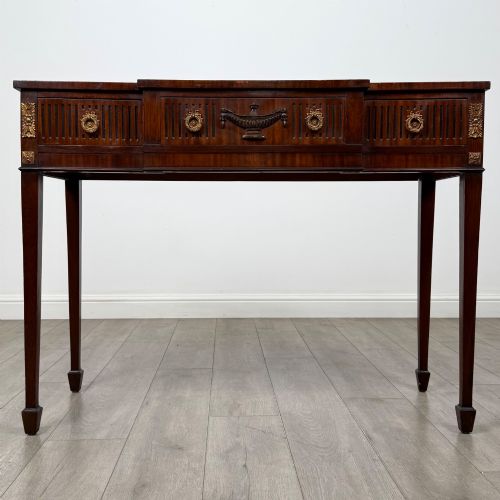
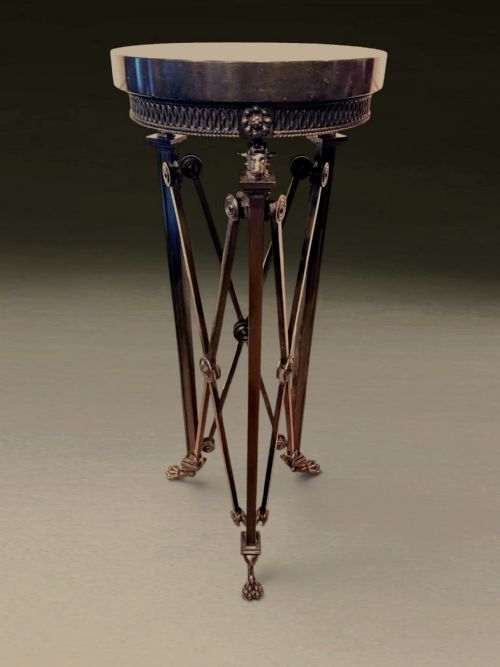
A buyer searching for a neoclassical urn table encounters a diverse selection of furniture forms, side tables, console tables, serving tables, and specifically urn-form lighting or decorative stands.
The objects span from the eighteenth century through the nineteenth century and into the twentieth century, reflecting enduring revivals including Louis XVI style, Adam style, and French Empire designs.
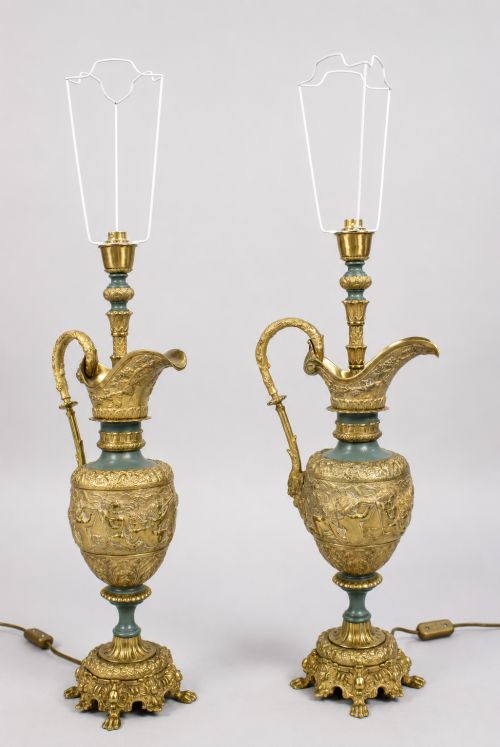
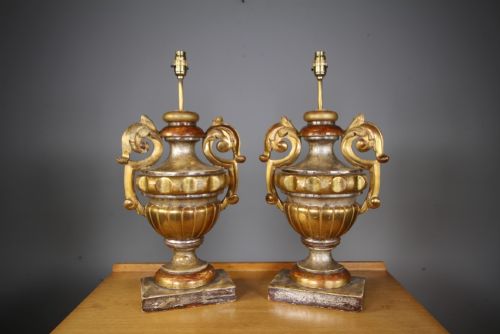
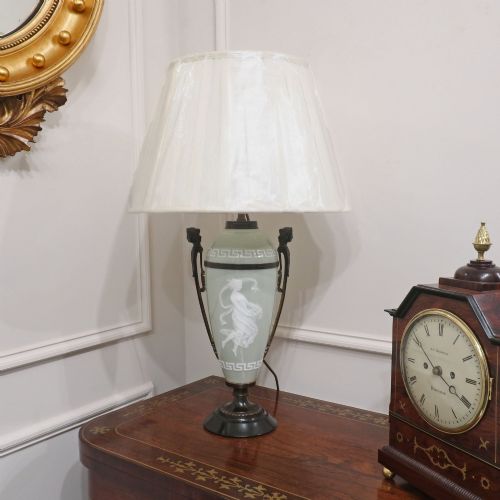
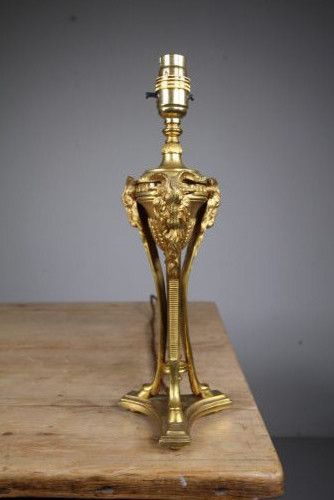
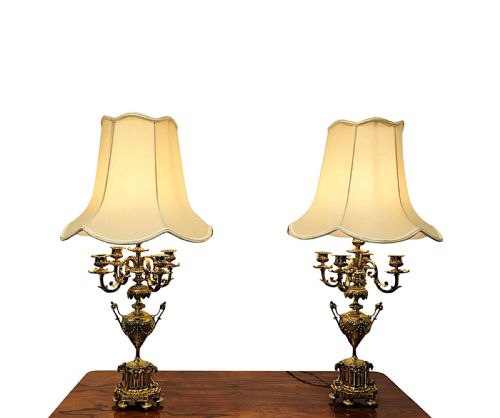
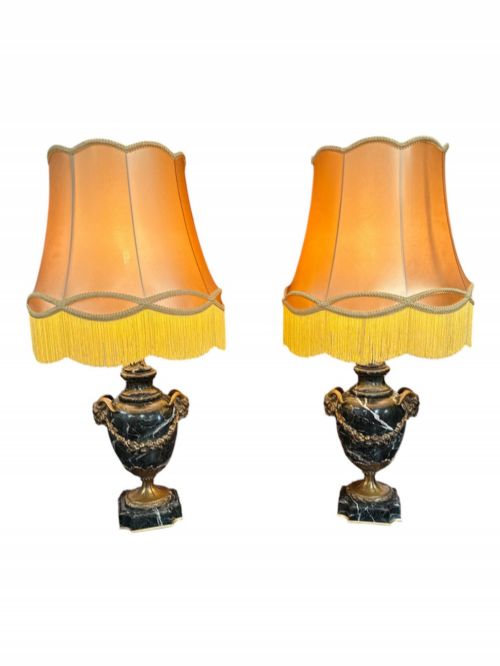
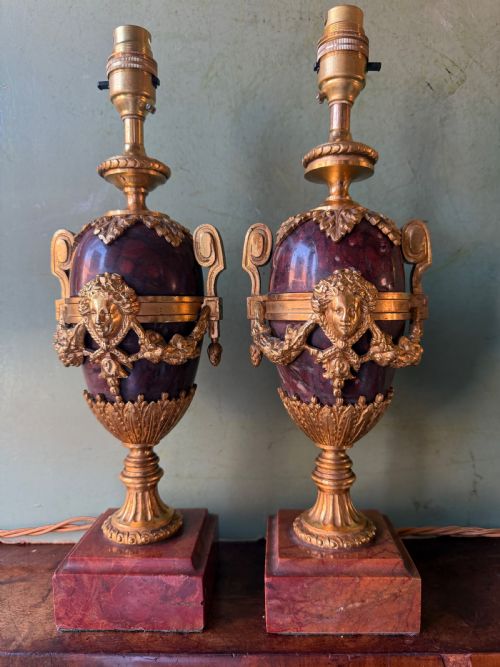
The most frequent items meeting this search are converted urn lamps, candelabra lamps, and marble and ormolu pieces that utilise classical vessel silhouettes as their central form.
Materials and construction methods
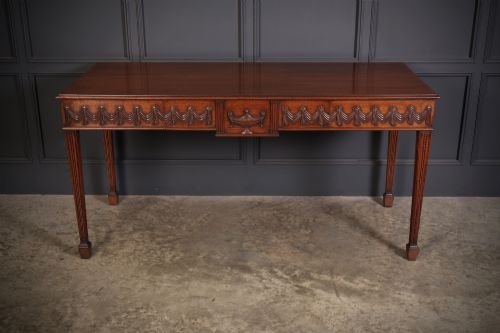
Carpenters and cabinetmakers utilised dense timbers such as mahogany, satinwood, and carved pine for the structural tables, often incorporating inlay and George III or Sheraton stylistic details.
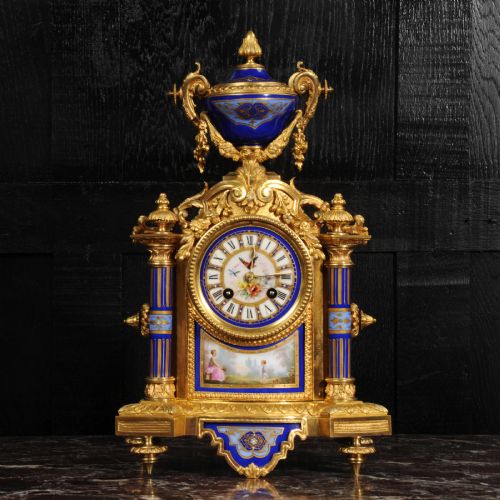
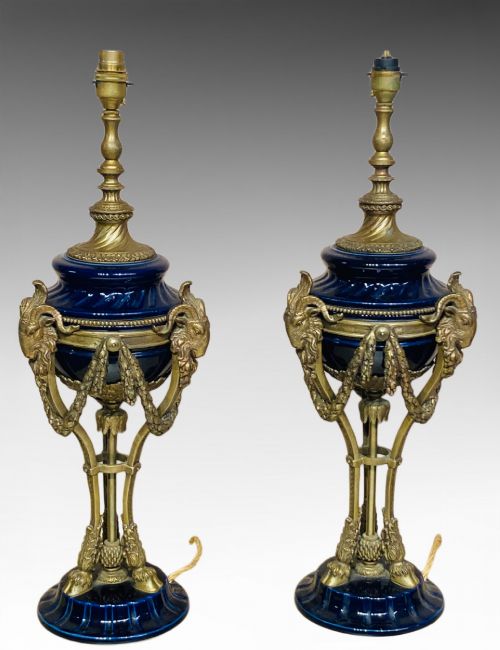
Foundries and metalworkers shaped ormolu, gilt bronze, brass, and gilt metal into mounts, rams heads, and classical handles to adorn stone components.
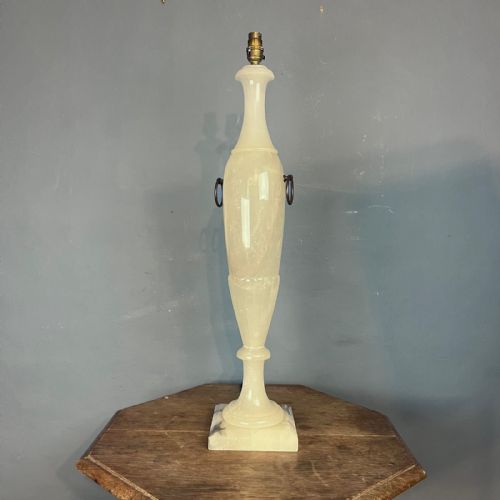
Carvers and masons turned natural materials like marble, alabaster, and rouge marble into solid urns, columns, and cassolettes, frequently pairing them with cast metal bases.
Listings span from the eighteenth century to the twentieth century, encompassing Victorian, Edwardian, and Art Deco eras alongside core neoclassical periods.
Distinguishing quality across the range
The fineness of hand-chiselling on ormolu mounts and the crispness of carved wooden details separate superior examples from simpler production.
The selection of materials dictates distinction, where richly figured rouge marble, translucent alabaster, and heavy gilt bronze elevate an object above standard brass and plaster alternatives.
The integration of classical proportions and the precision of assembly, particularly in pieces adapted later into lamps, determine the overall harmony of the finished piece.
Japy Freres·Louis Goret·Harrison Brothers Howson
The Neoclassical Urn Table Glossary
- Ormolu
- Gilded bronze, typically produced by applying a mercury-gold amalgam to cast brass or bronze. This technique creates a rich, enduring golden surface common on French decorative items.
- Cassolette
- A decorative vessel shaped like an urn, designed with a reversible lid that functions either as a solid cover or a incense burner. They frequently appear in marble and gilt bronze pairs.
- Tazza
- A shallow cup or saucer mounted on a stem and foot, used historically for display or serving. In this context, they appear in carved marble and ormolu compositions.
- Pate Sur Pate
- A ceramic decoration method where wet white relief designs are painted onto a coloured clay body before firing. It translates to paste on paste.
- Adam Style
- An eighteenth-century neoclassical design vocabulary drawing on ancient Roman ruins and architecture. It prioritises light, symmetrical forms and refined classical ornamentation.
Neoclassical Urn Table: Frequently Asked Questions
How do I identify Louis XVI style?
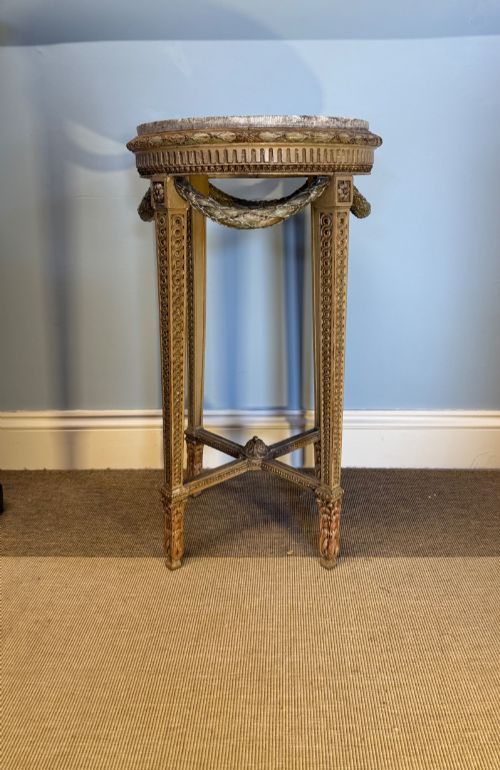
Louis XVI style pieces display straight tapered legs, symmetrical neoclassical geometry, and restrained classical motifs like acanthus leaves and urns.
Makers working in this tradition prioritised architectural order over the asymmetrical curves of earlier periods.
Are these lamps originally electrified?
Many nineteenth-century urn lamps and candelabra were originally designed for candles or oil and converted to electricity later.
Converters often retained the original ormolu and marble bodies while adapting the internal fittings for modern use.
What is alabaster?
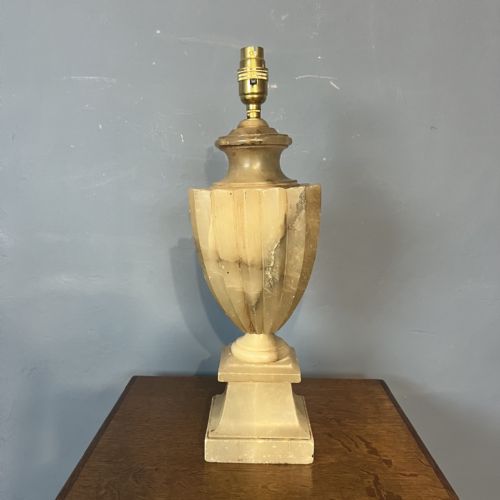
Alabaster is a soft, fine-grained stone, usually white or translucent, used extensively for decorative urns and lighting during the nineteenth and early twentieth centuries.
Its natural translucency allows light to diffuse softly when formed into lamp bases.
How do I care for marble and ormolu?
Marble requires gentle cleaning with a soft cloth and neutral soap, avoiding acidic substances that etch the polished surface.
Ormolu needs only light dusting, as abrasive cleaning agents strip away the historic mercury gilding.