



Neoclassical Tazza
A neoclassical tazza brings ancient classical dignity into a room, serving as a striking focal point on a mantelpiece or side table.
Neoclassical Tazza
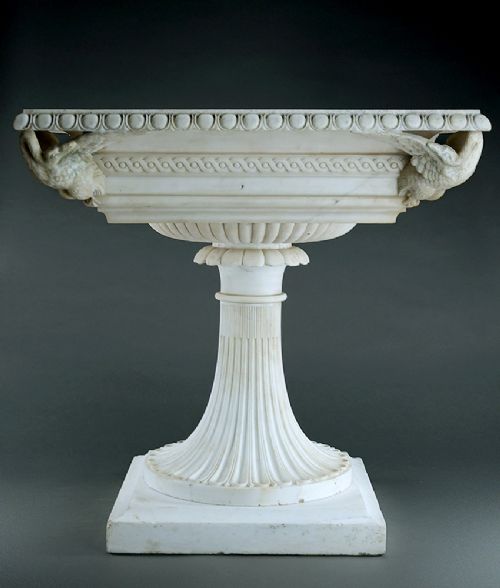
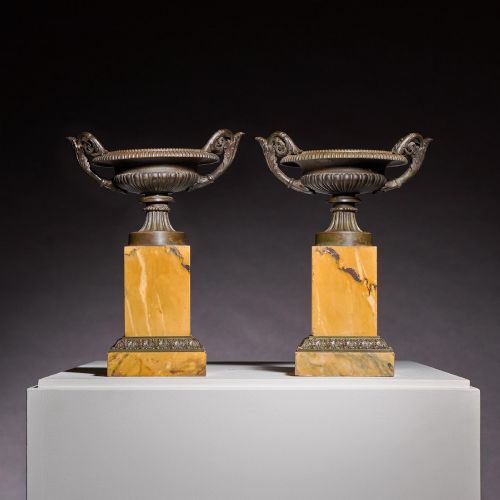
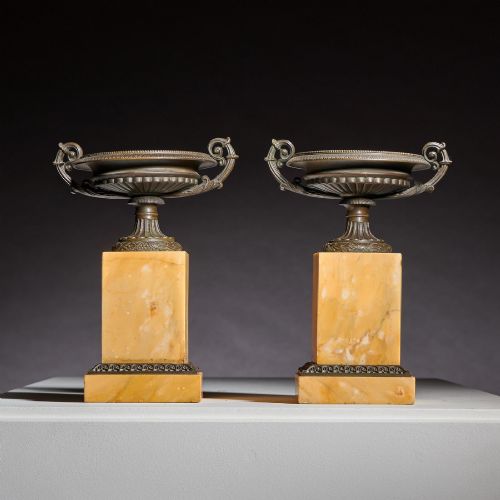
A neoclassical tazza stands as a shallow decorative bowl elevated on a central pedestal and foot, drawing inspiration from classical antiquity. The pieces seen here largely date from the nineteenth century, reflecting the enthusiasm for Grand Tour souvenirs and classical revival styles.
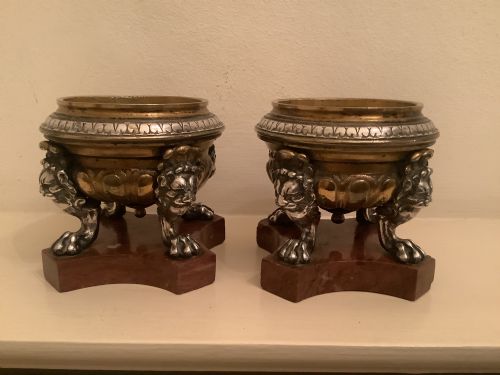
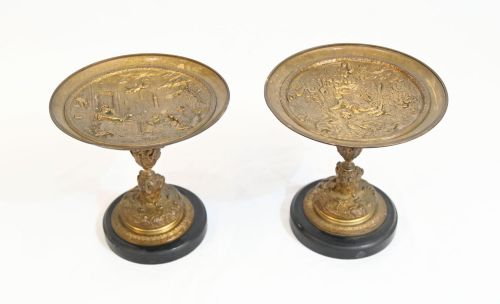
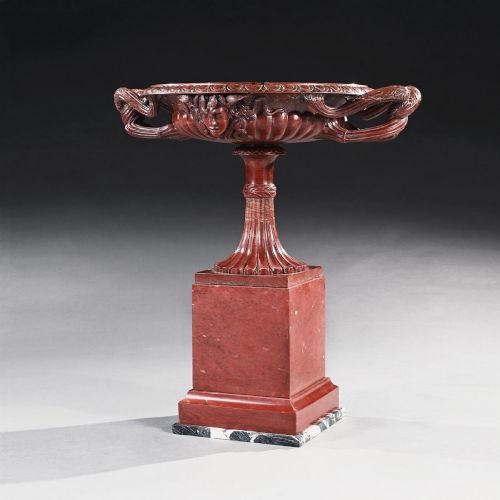
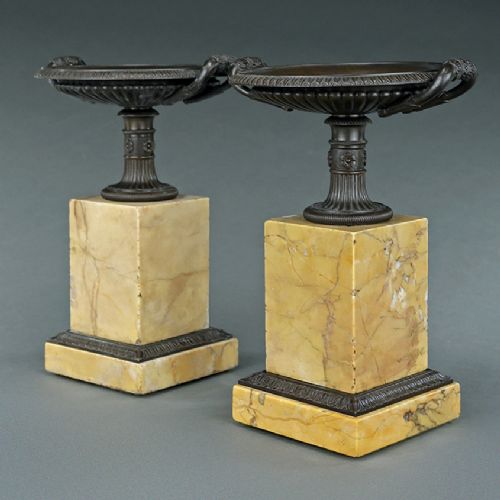
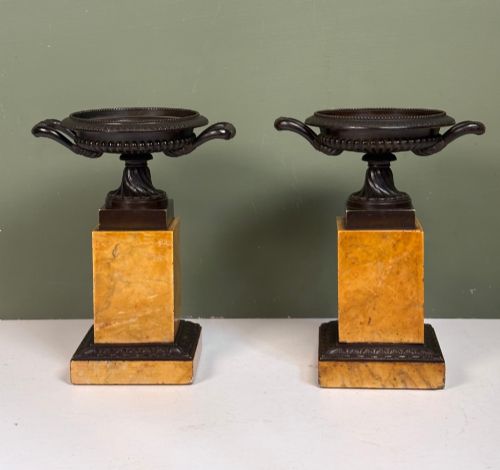
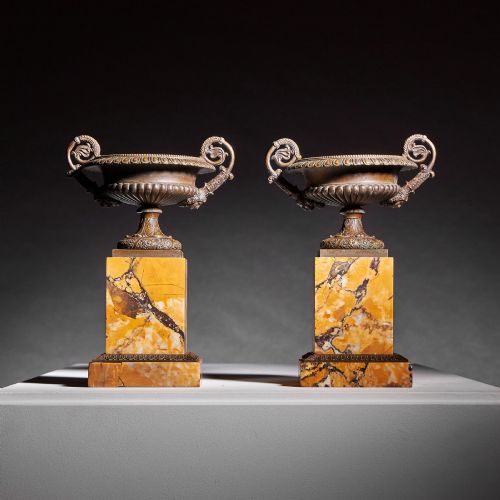
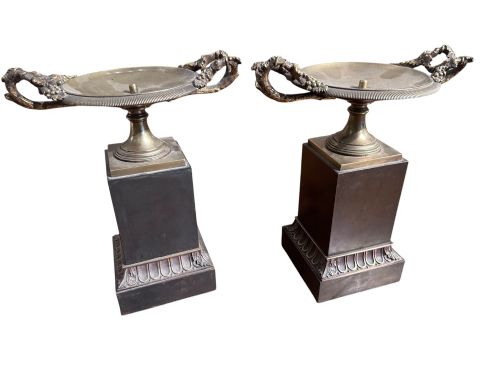
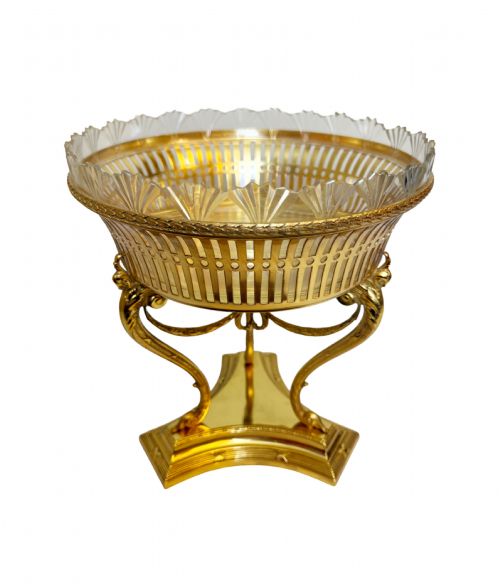
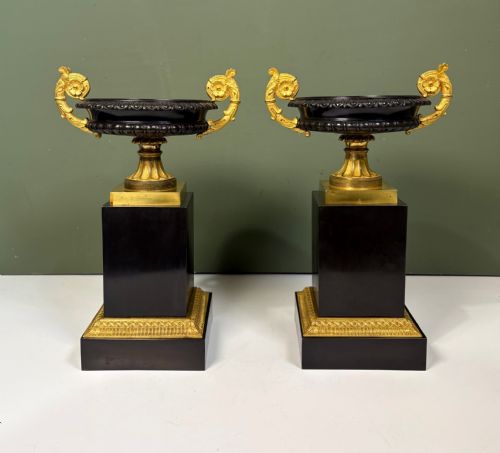
Makers fashioned these vessels primarily as decorative objects, display pieces, or centrepieces rather than for practical domestic service. Examples range from monumental Italian carved marble forms to pairs of French bronze and ormolu tazze resting on contrasting marble bases.
Materials and Craftsmanship
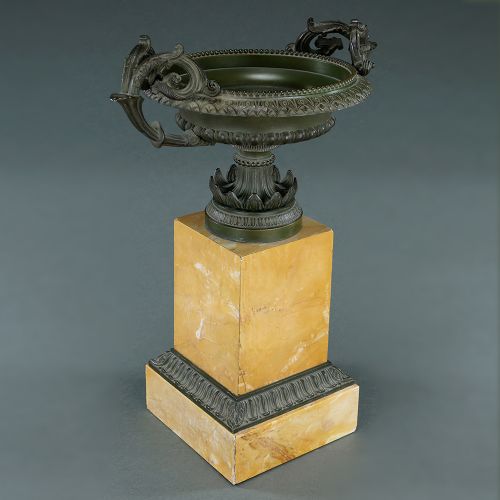
Craftsmen combined cast bronze and gilded ormolu with dense decorative stones such as Siena marble, Rosso Antico, and alabastro egiziano. The heavy stone bases and columns anchor the lighter metallic bowls above, creating a stable and balanced profile.
Foundries cast the metal elements with intricate classical motifs, while stone-turners shaped and polished the marble sections to reveal deep natural figuring. Artisans frequently paired dark patinated bronze with bright gilt mounts to heighten the architectural contrast of the design.
Neoclassical Tazza Retail Price Guide 2026
Typical asking prices for neoclassical tazza among the pieces listed under this phrase on Sellingantiques today, from the lower quarter to the upper quarter. They describe what is for sale here now, not the wider market.
Distinctions in Quality
Quality rests upon the crispness of the bronze chasing and the selection of the marble, where highly figured stones command greater visual presence. Superior examples display precise symmetry in the turned columns and sharp definition in the cast foliate mounts.
Proportion and scale dictate the success of the piece, with balanced pairs matching in both marble grain and bronze patination. Finer productions integrate the metal and stone components seamlessly without visible gaps or coarse joins.
Benedetto Boschetti
The Neoclassical Tazza Glossary
- Tazza
- A shallow bowl mounted on a stem and foot, originating from ancient drinking vessels. These decorative versions serve purely as display objects.
- Grand Tour
- A cultural journey undertaken by wealthy young Europeans to study classical antiquities. Souvenirs from these travels included miniature marble and bronze architectural models and tazze.
- Ormolu
- Gilded bronze produced by applying a mercury-gilding process to cast brass or bronze. This technique creates a rich, enduring golden surface finish.
- Rosso Antico
- A deep red antique marble prized by classical sculptors and nineteenth-century revivalists alike. Its rich colour lends warmth to pedestal bases and bowls.
- Comport
- A large standing dish used for holding fruit or sweetmeats on a dining table. Nineteenth-century examples often mirrored the form of classical tazze.
Neoclassical Tazza: Frequently Asked Questions
What is a neoclassical tazza used for?
These vessels function primarily as decorative centrepieces, mantel ornaments, or cabinet displays. Their elevated bowls provide architectural weight and classical balance to interior spaces.
Historically, nineteenth-century collectors placed them on sideboards and tables to display their refined taste and appreciation for antiquity.
How do I identify a Grand Tour tazza?
Grand Tour tazze typically date from the nineteenth century and combine carved Italian marbles such as Siena or Rosso Antico with cast bronze elements. They frequently replicate ancient monuments or excavations seen by travellers in Rome and Naples.
Look for souvenir markers like turned alabastro egiziano bodies mounted on stepped black marble block bases.
How do I clean bronze and marble tazze?
Dust bronze and ormolu gently with a soft, dry microfibre cloth to protect the patination and gilding. Avoid using chemical polishes or water on the metallic surfaces.
Clean marble sections sparingly with a damp cloth, drying them immediately to prevent moisture absorption into the stone grain.
Are these pieces sold as pairs?
Many nineteenth-century French and Italian tazze survive as matched pairs, particularly those designed for mantelpiece garnitures. Single examples also appear frequently, often representing larger architectural or Grand Tour commissions.
Pairs generally share identical dimensions, marble figuring, and bronze chasing details.