


Neoclassical Table Light
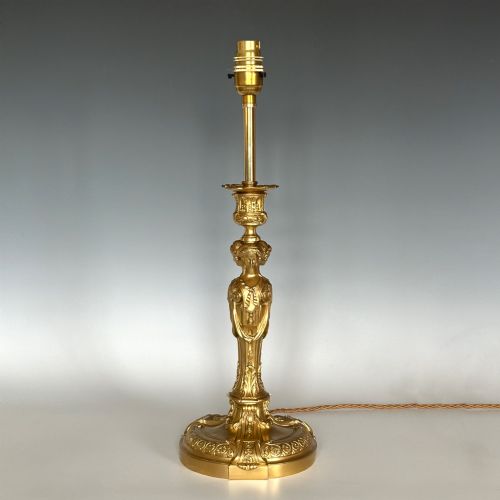
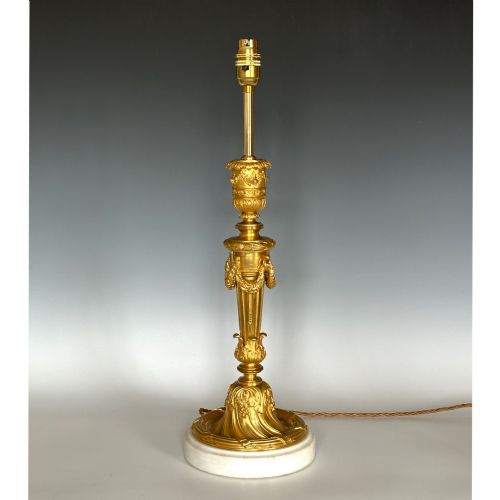
These neoclassical table light selections bring balanced classical symmetry and rich patinated metalwork into a room.
Neoclassical Table Light
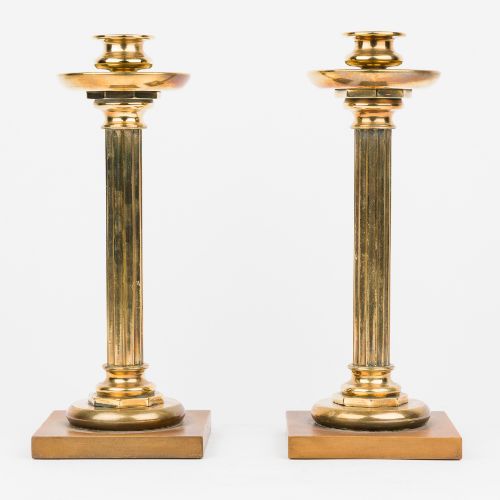
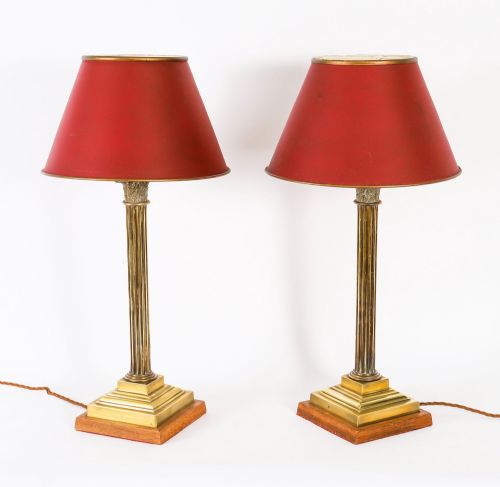
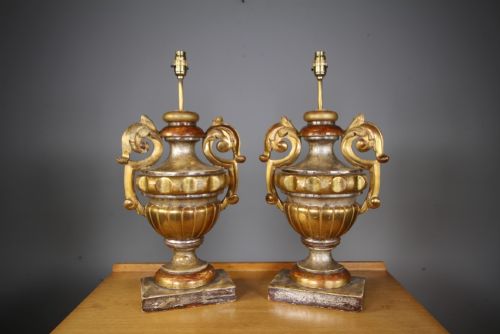
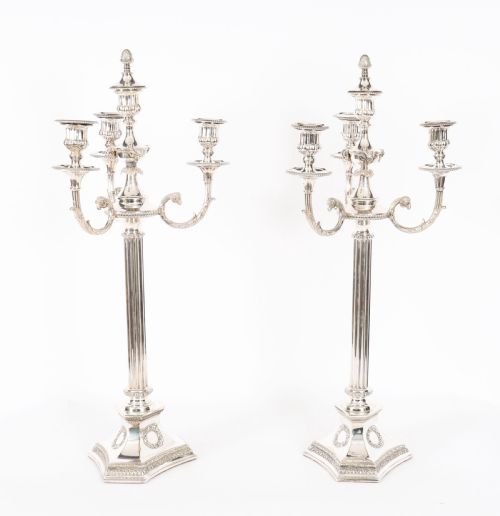
A neoclassical table light draws on ancient Greek and Roman architectural motifs, translating columns, urns and urn-shaped vessels into functional illumination. When handling this search phrase, buyers encounter converted candlesticks, candelabra and purpose-built bases spanning the eighteenth, nineteenth and early twentieth centuries.
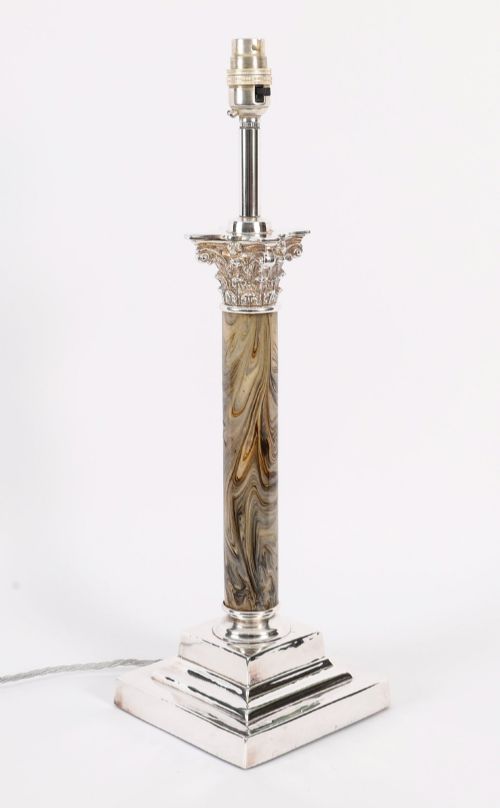
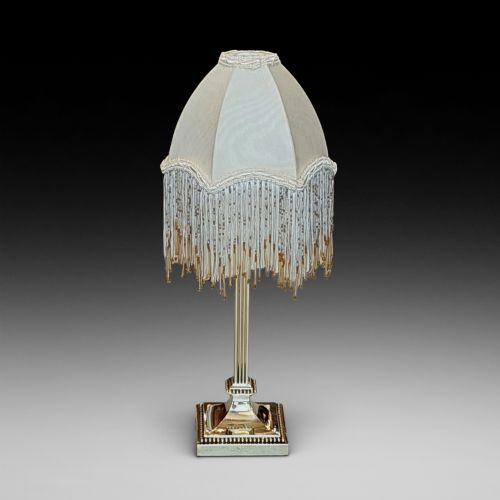
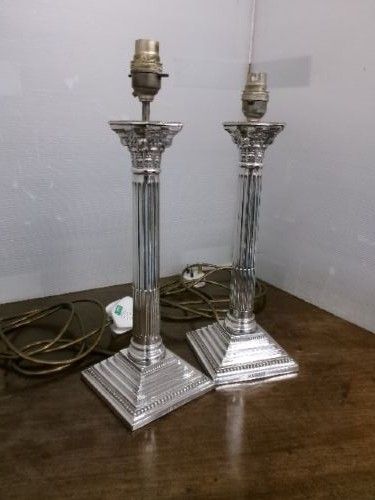
The most common formats on this page are Corinthian column designs in brass or silver plate, alongside French ormolu, marble and carved wood lamp bases. These pieces reflect revival periods such as the Edwardian era, Victorian age and Louis XVI style, retaining traditional proportions.
Many examples originate as oil lamps, candlesticks or candelabra later adapted for electricity, preserving their original metal mounts and stone bodies. Their forms suit formal reception rooms, libraries and studies where architectural formality is desired.
Materials and Construction Techniques
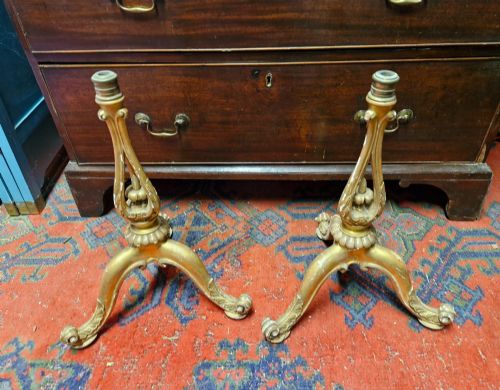
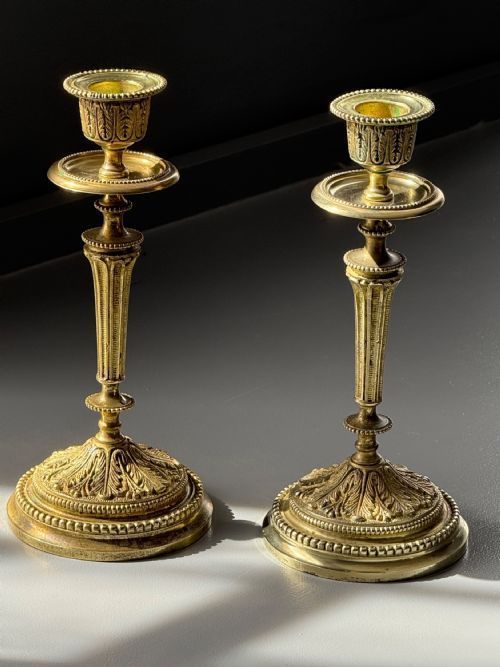
Metalwork forms the backbone of these pieces, utilising cast brass, ormolu, gilt bronze and silver plate shaped into fluted columns, rams' heads and lions' paw feet. Foundries cast these components in sections before chasing the surface details by hand.
Stonework provides substantial weight and contrast, employing white marble, rouge marble, alabaster and onyx turned on lathes or carved to form urn bodies and plinths. Wood elements appear as carved pine, oak and giltwood, finished with applied gesso and gold leaf.
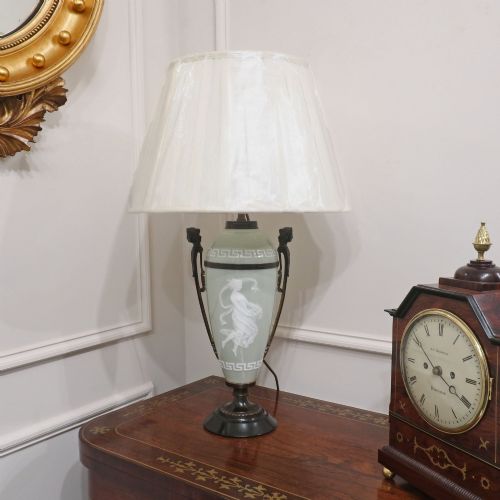
Porcelain and fabric components integrate into later adaptations, combining pate sur pate ceramic bodies with tailored shades to complete the conversion from lighting implement to table lamp.
Sphinx lamp conversions introduce unexpected Egyptian mythological beasts to nineteenth-century drawing rooms.
Distinctions in Quality and Execution
The crispness of the cast ornamentation dictates the standard of metalwork, where finely chased acanthus leaves, bead reels and fluting demonstrate superior foundry work. Lesser examples exhibit soft, blurred surface details resulting from worn production moulds.
Material selection separates standard production from finer pieces, seen in the density of the marble, the depth of the fire-gilt ormolu and the weight of the cast brass columns. Original mounts and unified components carry greater integrity than assembled marriages of disparate parts.
The precision of the conversion process affects the overall composition, with professional wiring channels and secure mountings preserving the balance and vertical alignment of the antique body.
Matthew Boulton
The Neoclassical Table Light Glossary
- Ormolu
- A technique of applying finely ground high-carat gold to a bronze base using a mercury amalgam, producing a rich golden lustre. It defines the decorative mounts of French and English pieces.
- Corinthian Column
- An architectural order featuring an ornate capital decorated with acanthus leaves, frequently utilised for tall brass and silver-plated lamp bases. This form dominates nineteenth-century lighting adaptations.
- Candelabra
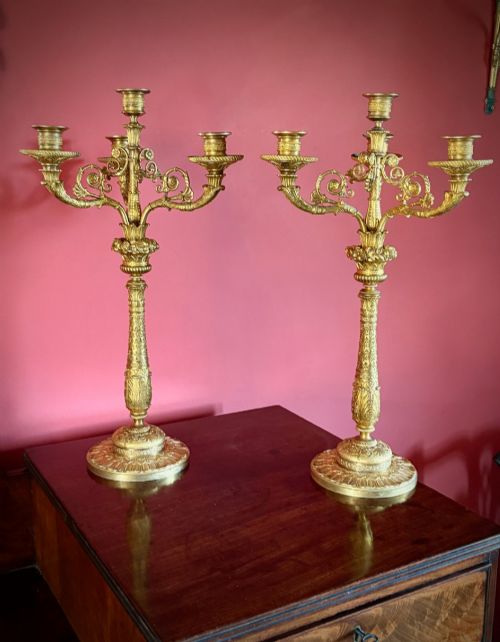
- A multi-branched lighting fixture designed to hold several candles simultaneously. Many are subsequently converted into electric table lamps while retaining their original arms and drip pans.
- Pate Sur Pate
- A ceramic technique where a raised white relief is painted onto a coloured clay body in successive layers before firing. This method appears on decorative porcelain lamp bodies.
- Alabaster
- A fine-grained, translucent stone carved into urns and column sections that diffuse ambient light. It was favoured during the Edwardian period for smooth, pale lamp bases.
Neoclassical Table Light: Frequently Asked Questions
What is a neoclassical table light?
A neoclassical table light is a lighting fixture, often converted from an earlier candlestick or oil lamp, that incorporates classical architectural details like columns, urns and foliate mounts.
These pieces draw inspiration from ancient Greek and Roman design principles, favouring symmetry, proportion and refined ornamentation.
How do I identify a converted candlestick?
Converted candlesticks usually retain their original drip pans, nozzle tops or central sockets that have been carefully adapted to house electrical fittings.
Close inspection often reveals discreet wiring channels or modifications made to the base to accommodate a modern cord without damaging the antique metalwork.
Are these lamps wired for modern use?
Most antique lamps found on the market have been rewired at some stage in their history to meet current safety standards while preserving their outer appearance.
It remains advisable to have a qualified electrician inspect older internal components and fittings before daily use in the home.
How do I care for ormolu and brass?
Ormolu and gilt surfaces require gentle dusting with a soft dry cloth, avoiding abrasive metal polishes that can strip away the delicate gold layer.
Maintaining a stable indoor humidity prevents tarnishing and protects the underlying bronze, marble or wooden structures from degradation.