
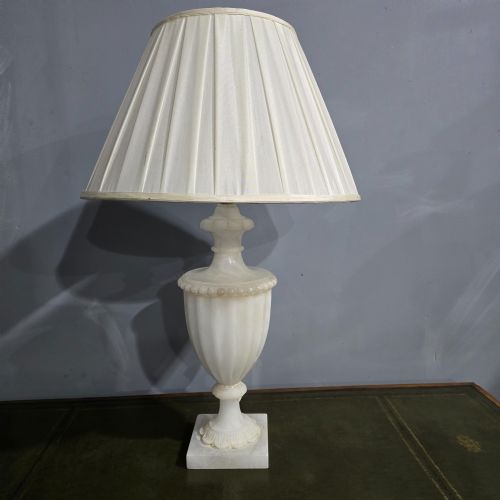


Vintage Stone Lamp
These vintage stone lamp designs bring sculptural weight and warm translucency to an interior, channelling decades of skilled masonry.
Vintage Stone Lamp
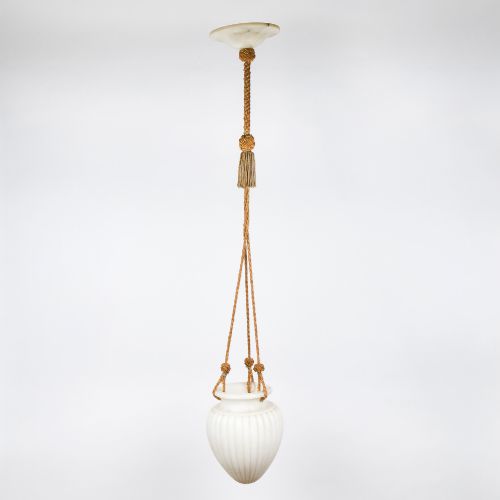
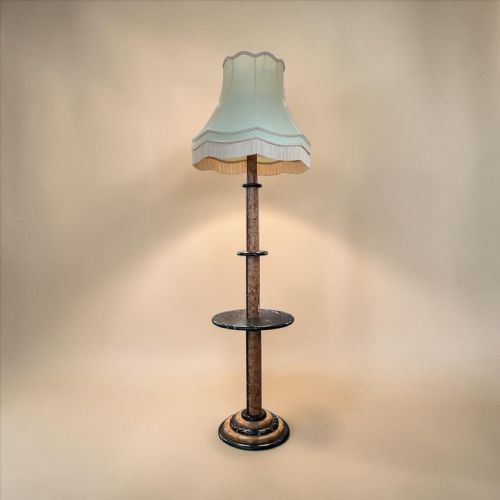
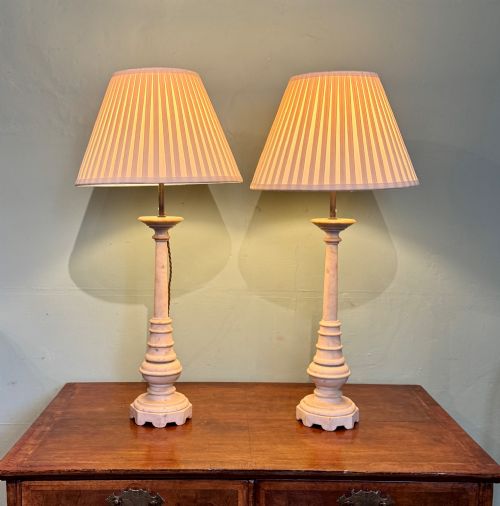
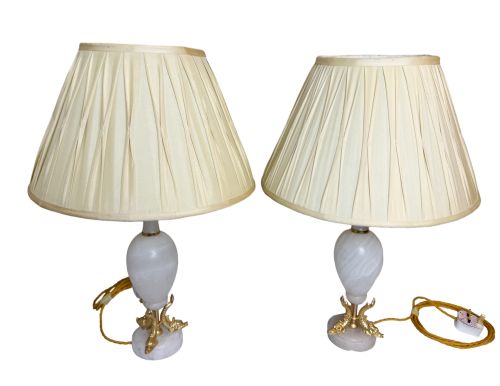
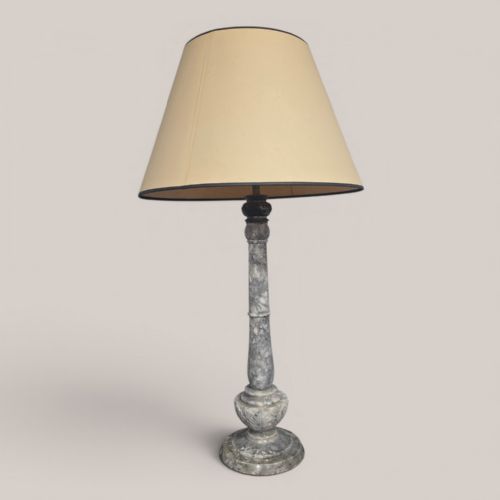
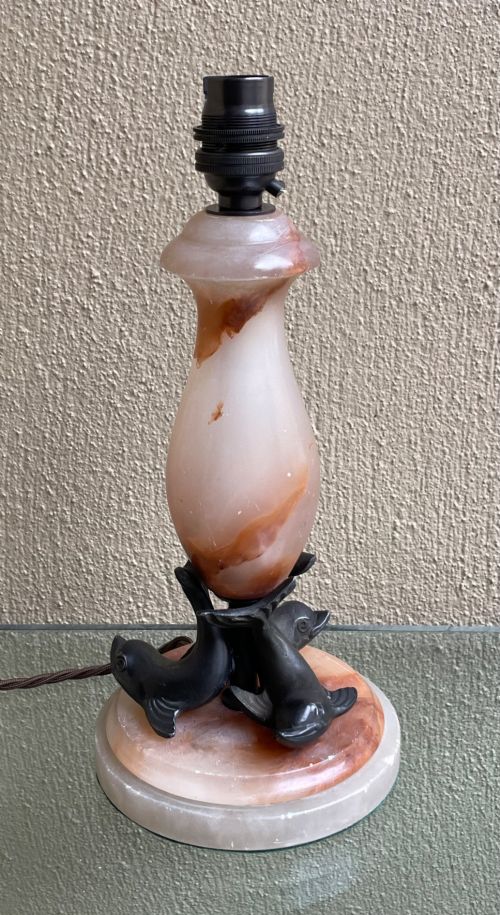
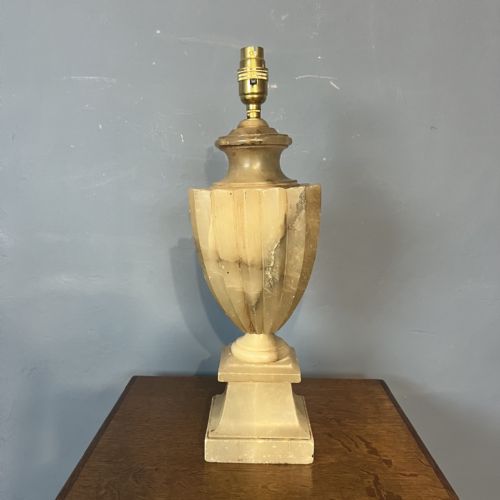
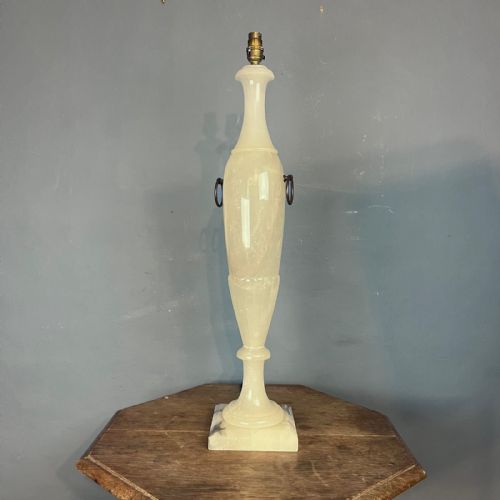
A vintage stone lamp brings substantial presence and natural mineral texture to a room, drawing on forms produced across the nineteenth and twentieth centuries. When you search for a vintage stone lamp, you encounter pieces shaped from alabaster, marble, and onyx, often accented with brass or gilt bronze.
Origins vary from English country houses to French workshops and Italian studios. Many pieces date from the 1920s and 1930s, capturing the geometric and classical revivals of those decades.
How they were made
Masons turned, carved, and polished dense materials like alabaster, white onyx, and solid marble on heavy lathes or shaped them by hand. The resulting bodies often display natural veining and varied translucency that catches light from within or above.
Metal mounts in brass, gilt bronze, or ormolu were cast and fitted to secure the stone components and mount electrical or oil fittings. Fabric shades frequently complete the structure, balancing the heavy mineral bases with softer textures.
Materials span alabaster, marble, onyx, brass, and gilt bronze, reflecting production methods from the Victorian era through the Art Deco period.
What varies in quality
The distinction between ordinary and exceptional pieces lies in the purity of the mineral block and the ambition of the carving. Finely executed items display crisp architectural details, such as fluted columns or integrated dolphin motifs, rather than purely utilitarian turned cylinders.
Hardware integration also separates the tiers of production. Superior examples utilise heavy cast brass or gilt bronze mounts that fit snugly against the stone, whereas simpler iterations rely on minimal stamped metal collars.
The Vintage Stone Lamp Glossary
- Alabaster
- A fine-grained, translucent stone prized for its soft glow when illuminated. It was frequently utilised for carved pendant lights and table lamps during the early twentieth century.
- Onyx
- A banded variety of chalcedony or calcite valued for its layered patterns and polished finish. French makers often paired it with gilt bronze mounts.
- Cassolette
- A decorative vase or urn designed with a reversible lid, sometimes adapted into a table lamp. This form appears in nineteenth-century French pieces.
- Ormolu
- Gilt bronze applied as a decorative mount to stone bodies. It provides a metallic contrast to the smooth marble and onyx surfaces.
- Aesthetic Movement
- A late nineteenth-century design style emphasising visual beauty over narrative content. Pieces from this period often highlight natural materials like Derbyshire fossil marble.
Vintage Stone Lamp: Frequently Asked Questions
How do I clean an alabaster lamp?
Dust the stone gently with a dry, soft cloth to prevent dirt from settling into the porous surface. Avoid using water or chemical cleaners, which can damage the delicate mineral structure.
For stubborn marks, consult a specialist conservator rather than applying domestic solvents. Keeping the lamp away from direct moisture preserves the soft finish.
Are these lamps heavy to place?
Solid marble and onyx bodies carry significant weight, making them exceptionally stable on side tables and desks. Ensure the furniture surface can support the load before positioning the piece.
This heft is a natural consequence of using solid minerals rather than hollow casts. Position the lamp carefully to avoid sliding the heavy stone base across polished wood.
How do I date a stone lamp?
Examine the wiring, mounts, and overall stylistic vocabulary to estimate the period of manufacture. Art Deco pieces from the 1920s and 1930s often feature streamlined or geometric silhouettes, whereas nineteenth-century examples lean towards classical revival columns and ormolu mounts.
Compare the turned profile and the type of stone with documented pieces from similar origins. French and Italian workshops frequently utilised distinct regional marbles during specific decades.
Can I use modern LED bulbs?
Modern low-heat LED bulbs work well with stone lamps, particularly alabaster designs where excess heat from older incandescent bulbs could potentially affect internal components. Ensure the wattage matches the capacity of the original or updated wiring.
Consult a qualified electrician to inspect older fittings and rewiring before regular use. This ensures safe operation while maintaining the structural integrity of the antique base.