



Neoclassical Sculpture Decor
Neoclassical sculpture decor brings classical antiquity into private rooms through figures, reliefs and architectural ornaments.
Neoclassical Sculpture Decor
Neoclassical sculpture decor comprises sculptural objects and ornaments influenced by the art of ancient Greece and Rome, spanning forms from wall plaques to freestanding figures. When searching for neoclassical sculpture decor, buyers encounter pieces that revive antique motifs through the vocabulary of subsequent centuries.
The selections on this page draw predominantly from the nineteenth century, alongside later nineteenth and mid twentieth century examples. Makers utilised historical periods such as Victorian Neoclassical, Italian Neoclassical, Egyptian Revival, and Grand Tour styles to shape these decorative items.
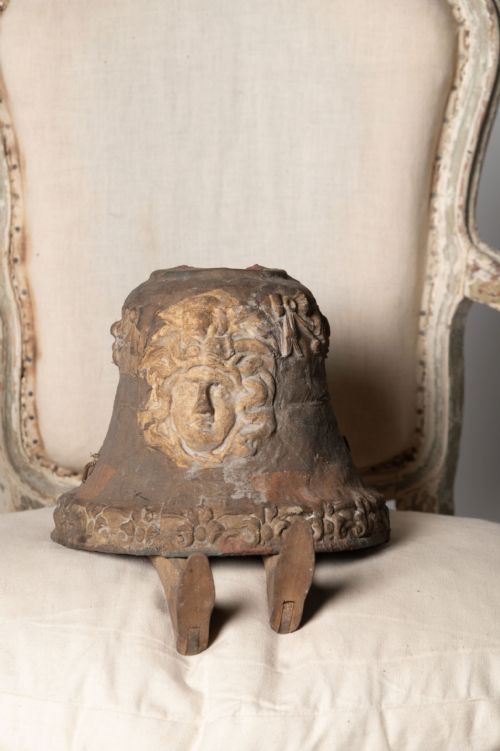
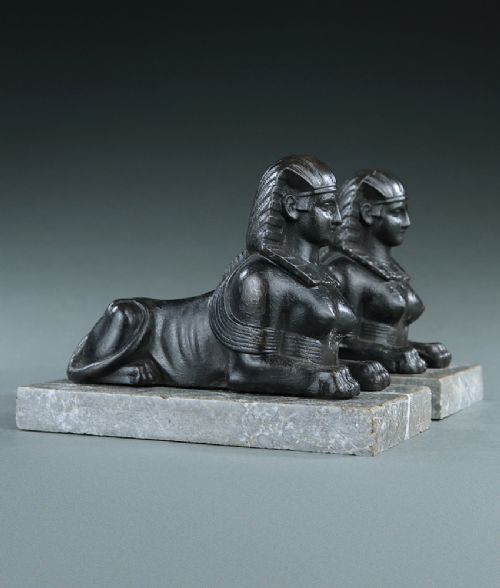
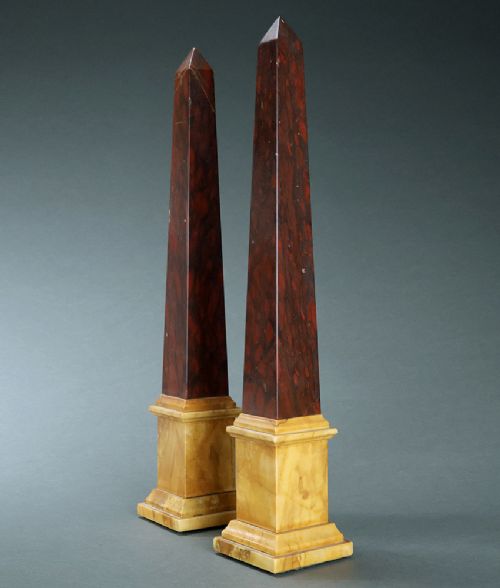
Forms include wall corbels, sphinxes, theatre props, obelisks, griffin sculptures, and gilt bronze horses. Further variations encompass framed plaques, wall masks, porcelain busts, marble groups after sculptors like Joseph Gott, and cast stone or carved lions.
How they were made
Makers fashioned neoclassical sculpture decor from materials including marble, bronze, cast iron, composition, gesso, and plaster. Artisans also employed papier-mache and wood to construct objects such as wall plaques and theatrical props.
Techniques range from carving stone and casting metal to moulding composition and plaster, often finished with ebonising, gilding, or framing. Bronze elements frequently sit upon dedicated wooden bases, while marble appears in both freestanding groups and paired architectural ornaments.
Neoclassical Sculpture Decor Retail Price Guide 2026
Typical asking prices for neoclassical sculpture decor among the pieces listed under this phrase on Sellingantiques today, from the lower quarter to the upper quarter. They describe what is for sale here now, not the wider market.
The listed pieces span the nineteenth century, nineteen hundred, eighteen ninety, nineteen forty, eighteen fifty, and eighteen eighty.
What varies in quality
The choice of medium alters the character of a piece, distinguishing heavy carved stone and cast bronze from lighter compositions like plaster or papier-mache. Provenance and labelling, such as retailer stamps on plaques, add documentary weight to specific works.
Carlhian and Corbiere London·Joseph Gott
The Neoclassical Sculpture Decor Glossary
- Grand Tour
- Nineteenth-century travel souvenirs collected by wealthy Europeans visiting classical sites in Italy. These items often include small marble obelisks or bronze reductions of famous antiquities.
- Putto
- A representation of a chubby male child, often winged, derived from classical art. Sculptors frequently placed putti on wall corbels and architectural brackets.
- Egyptian Revival
- A nineteenth-century design style incorporating motifs from ancient Egypt, such as sphinxes and hieroglyphs. This aesthetic merges classical restraint with exotic monumental forms.
- Ebonisation
- A finishing process that treats wood or other materials to imitate ebony. This dark surface creates high contrast when paired with gilt metal or pale reliefs.
Neoclassical Sculpture Decor: Frequently Asked Questions
What periods do these pieces come from?
The inventory here spans the nineteenth century up to the mid twentieth century, capturing various revivals of classical taste.
Craftsmen across these decades reinterpreted ancient Greek and Roman motifs using contemporary manufacturing methods and materials.
Where were these decorative objects placed?
Many items served specific architectural or decorative functions within period interiors, adorning walls, mantelpieces, and furniture.
Pieces like wall brackets, corbels, and theatre props integrated directly into the structural or theatrical scheme of a room.
How do I care for marble sculpture?
Marble requires gentle dusting with a soft, dry cloth to prevent the accumulation of grit in carved crevices.
Avoid using abrasive cleaning agents or harsh chemicals that can strip the natural finish of the stone.
What is the difference between cast iron and bronze?
Cast iron is a heavier, utilitarian metal that makers frequently painted or finished to simulate other materials for architectural ornaments.
Bronze is an alloy prized for its ability to hold fine detail and accept rich patination, often reserved for higher-end decorative sculptures.