

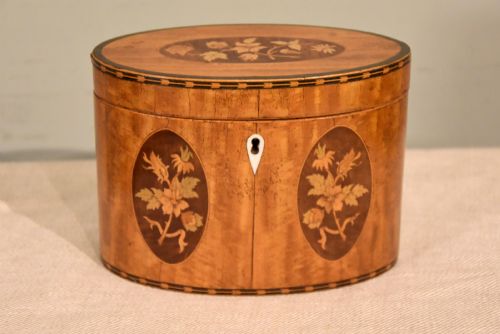


Neoclassical Satinwood Chest
These neoclassical satinwood chests bring refined timber and classical lines into a room, offering both storage and exceptional decorative presence.
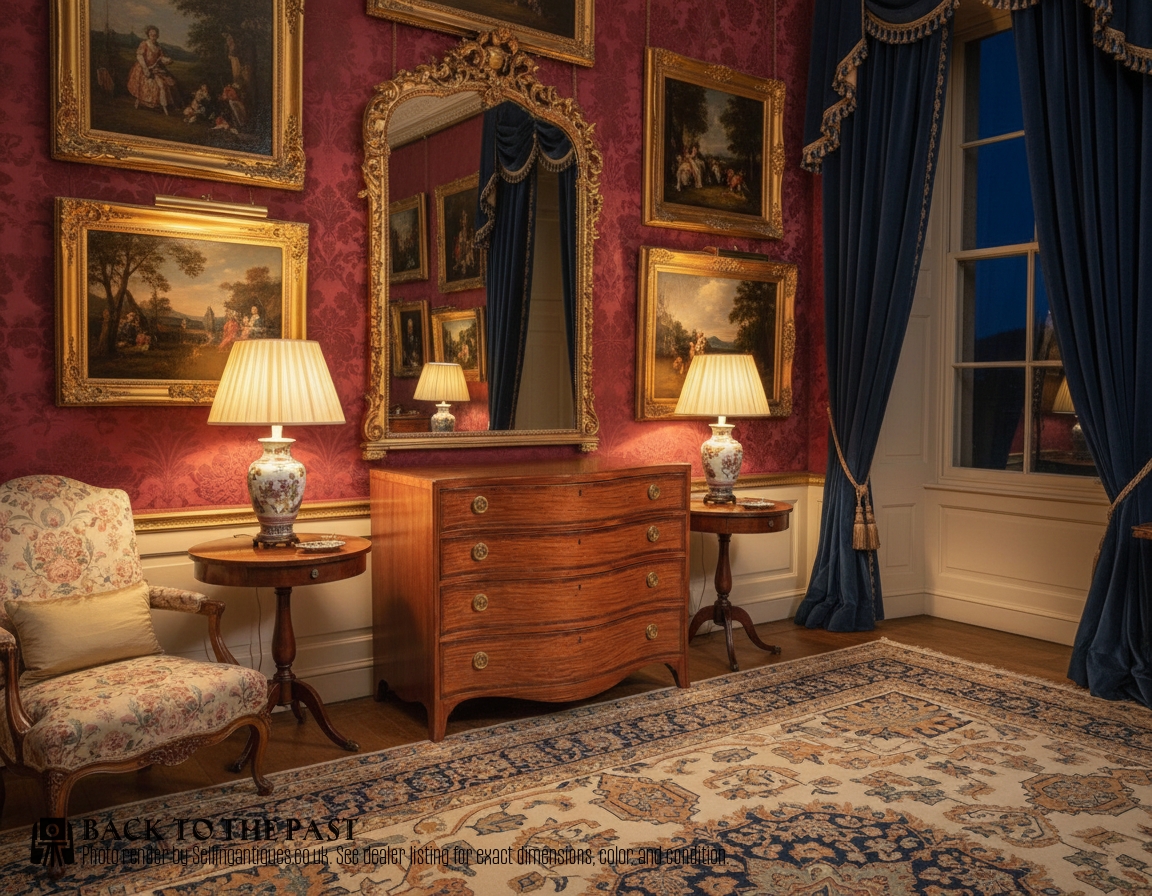
Neoclassical Satinwood Chest
A neoclassical satinwood chest combines balanced classical proportions with light, highly figured timber, spanning periods from the late eighteenth century through the nineteenth century. Buyers searching this phrase encounter several distinct forms, including serpentine commodes, secretaire chests, and gentleman's dressing chests.
The aesthetic relies heavily on symmetry and restrained ornamentation rather than heavy carving. Pieces from this group often display subtle geometric or floral marquetry, reflecting Georgian and French Transitional design influences.
Origin and period vary across the selection, ranging from British George III and Hepplewhite workshops to continental Swedish Biedermeier and French cabinet makers. This variety ensures that collectors find pieces suited to both formal period interiors and more eclectic settings.
Materials and construction
Makers utilised satinwood as the primary visible veneer, prized for its golden sheen and tactile grain. This timber was frequently contrasted with darker woods such as ebony and rosewood, alongside boxwood and bone for fine stringing and inlay.
Structural integrity depended on traditional carcase construction in secondary timbers, veneered with precision to achieve curved serpentine fronts. Metal mounts in brass and ormolu were cast and finished to accent the corners, handles, and key escutcheons.
Neoclassical Satinwood Chest Retail Price Guide 2026
Typical asking prices for neoclassical satinwood chest among the pieces listed under this phrase on Sellingantiques today, from the lower quarter to the upper quarter. They describe what is for sale here now, not the wider market.
The selection spans the eighteenth and nineteenth centuries, incorporating Georgian, Hepplewhite, and French Transitional styles.
Judging the standard
Quality rests in the precision of the timber matching, particularly across curved serpentine drawer fronts where grain direction must flow continuously. Finer examples display meticulous control in contrasting stringing and marquetry details that remain crisp and secure.
The integration of secondary materials dictates the upper tier of execution, such as finely chased brass or ormolu mounts and substantial marble tops. Superior cabinet work ensures that drawers run true and internal carcases retain their structural stability.
The Neoclassical Satinwood Chest Glossary
- Satinwood
- A lustrous tropical hardwood native to Ceylon and the West Indies, used extensively as a veneer in fine eighteenth and nineteenth century furniture. Its distinct golden yellow colour deepens with age and exposure to light.
- Serpentine
- A furniture front or top shaped with a double-curved contour, convex at the centre and concave at the ends. This challenging form requires exceptional skill from the cabinet maker to execute cleanly.
- Ormolu
- Gilded bronze used for decorative mounts, handles, and feet on high-end furniture. The technique involves applying a mercury and gold amalgam to cast bronze before heating.
- Marquetry
- Decorative patterns formed by fitting together thin veneers of various woods, bone, or other materials onto a carcase. It differs from inlay by covering the entire surface rather than being set into recesses.
- Commode
- A low chest of drawers or cabinet developed in France during the seventeenth century and later adopted by British makers. The form prioritises both decorative display and practical storage.
Neoclassical Satinwood Chest: Frequently Asked Questions
How do I care for satinwood?
Keep these pieces away from direct sunlight and excessive heat sources to prevent the light veneer from fading or drying out. Dust regularly with a soft, dry cloth and apply a quality natural wax sparingly when the timber appears dull.
Avoid using modern liquid polishes or silicone-based sprays, as these can penetrate old finishes and attract dirt over time. Gentle handling preserves both the fragile inlay work and the historical patina.
How do I identify a George III piece?
George III pieces date from the reign of that monarch and typically display restrained classical proportions, elegant bracket feet, and delicate stringing. The cabinet work prioritises structural harmony and balanced veneer selection.
Examine the secondary woods inside the drawers, such as oak or pine, which help confirm the British origin and period construction methods.
Where were these chests placed?
Historically, these chests served as refined storage in principal bedrooms, dressing rooms, and formal withdrawing rooms. Gentlemen's dressing chests often included specialised internal compartments for personal grooming items and linen.
In modern homes, they function well as statement pieces in hallways, living rooms, or dining spaces where their decorative surfaces can be appreciated.