




Neoclassical Pier Glasses
Neoclassical pier glasses are tall mirrors designed to hang between windows, bringing light and classical symmetry to a room.
Neoclassical Pier Glasses
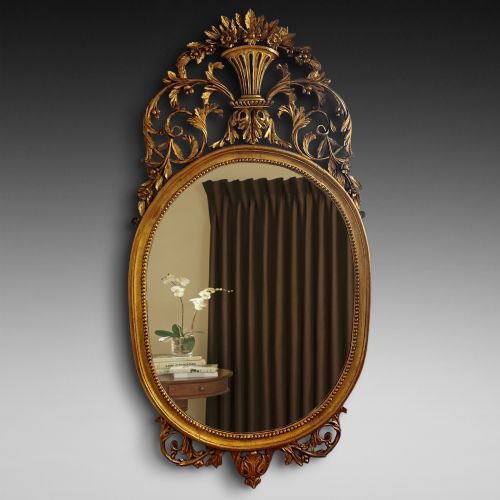
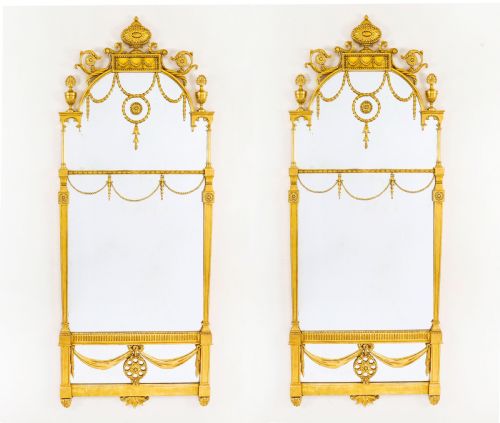
Neoclassical pier glasses form a distinct group of tall wall mirrors designed to fit the wall space between windows. The pieces originate from periods including the Georgian and Regency eras, alongside later revivals stretching into the nineteenth century.
Makers produced these mirrors in varied forms, sometimes pairing them with matching console tables or console tables and mirrors together. Surviving examples encompass French Empire, Louis XVI, Adam Revival, and Swedish neoclassical styles.
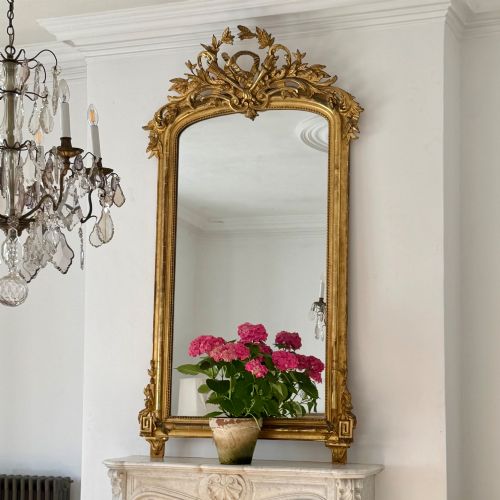
Buyers encounter formats ranging from carved giltwood frames to painted wood, parcel gilt finishes, and mahogany or birch structures. The scale spans from modest hall mirrors to grand, room-defining plates over six feet tall.
Materials and construction methods
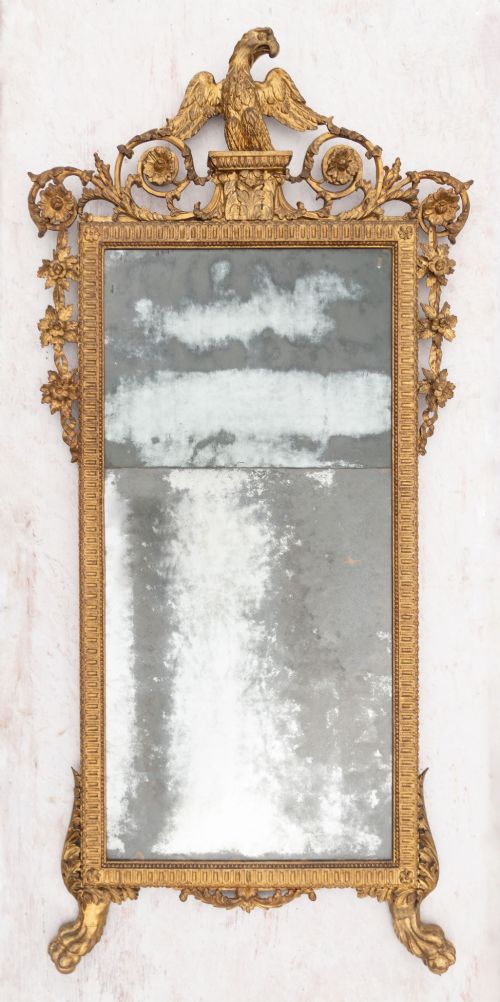
The primary structural framework relies upon timber such as mahogany, birch, or general wood, which supports applied ornamentation in gesso and carved giltwood. Artisans finished these surfaces using gold leaf, silvering, or specialised paint schemes.
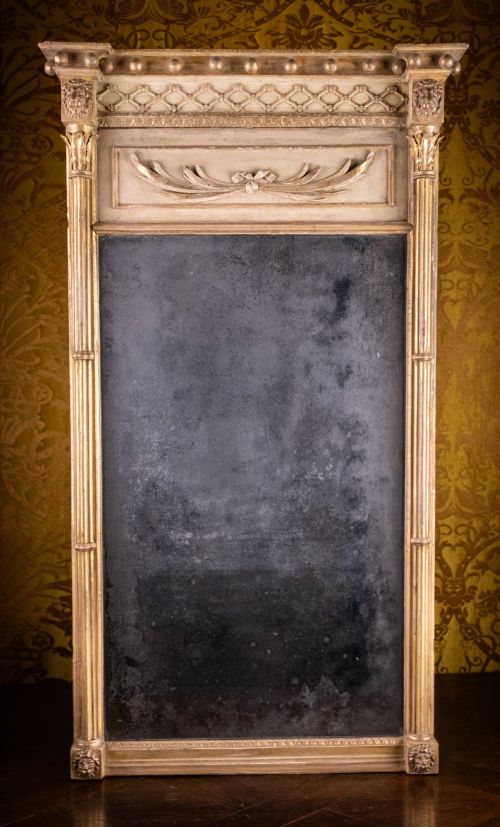
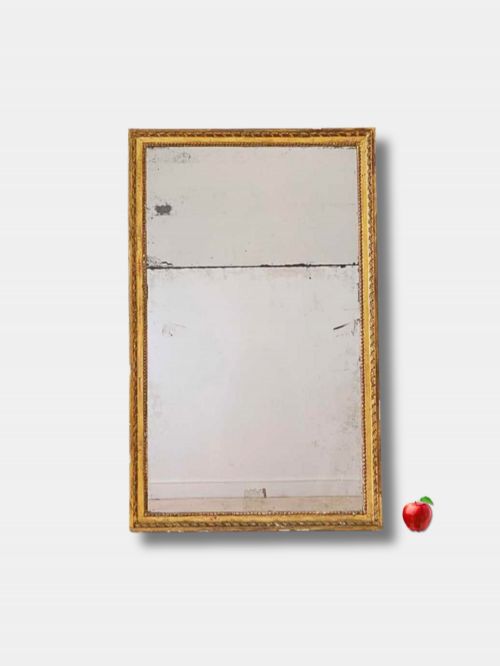
Glass production utilised traditional techniques, resulting in period mirror glass and mercury glass plates set within architectural frames. Details like lion masks, ormolu mounts, and classical motifs demonstrate the decorative vocabulary employed by period workshops.
Listings feature pieces spanning the 18th century, Georgian and Regency periods, through to 19th-century revivals in giltwood, mahogany, and painted wood.
Distinctions in quality and execution
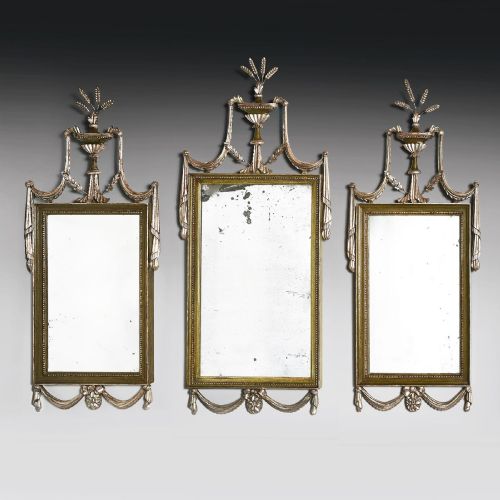
The degree of refinement in the carved gesso and giltwood ornamentation separates standard production from exceptional examples. Crisp detailing in classical motifs, such as urns, husks, and foliate scrolls, indicates superior craftsmanship by skilled carvers.
The preservation of original mercury glass plates and the integrity of the underlying wood frame influence the overall character of a pier glass. Cohesion between matching console tables and their associated mirrors also marks out the most complete decorative sets.
Gillows Of Lancaster
The Neoclassical Pier Glasses Glossary
- Pier glass
- A tall mirror designed specifically for the wall space between two windows. These pieces reflect natural light deeper into the interior.
- Giltwood
- Timber coated with a thin layer of gold leaf over a prepared gesso ground. This technique creates a luminous, reflective surface characteristic of formal mirrors.
- Trumeau mirror
- An architectural wall mirror incorporating a painted panel or an oil painting above the glass plate. These items frequently originate from French interiors.
- Mercury glass
- A type of antique mirror glass produced by pouring a mercury amalgam behind the glass pane. It yields a distinctive mottled, deep reflection.
- Ormolu
- Gilded bronze mounts applied to furniture and frames for decoration. The material adds metallic contrast to mahogany and gilt surfaces.
Neoclassical Pier Glasses: Frequently Asked Questions
Where should I hang a pier glass?
These mirrors traditionally hang on the narrow wall space between two windows, known as the pier. Placing them here maximises the reflection of natural light across the room.
Alternatively, they function effectively above a matching console table in a hallway or reception room to create a formal focal point.
What is mercury glass?
Mercury glass refers to mirror plates produced using a silver and mercury amalgam behind the glass. This method creates a characteristic deep, slightly uneven reflection.
Period examples often show subtle foxing or speckling within the glass, which confirms their age and distinguishes them from modern replacements.
How do I identify a neoclassical style?
Neoclassical design draws upon the architecture and motifs of classical antiquity, featuring symmetry, straight lines, and balanced proportions. Common elements include urns, swags, fluted columns, and laurel wreaths.
Revival periods from the nineteenth century reinterpreted these eighteenth-century motifs with similar carved gesso and giltwood techniques.
Did these mirrors come with tables?
Certain pier glasses were created as part of a matched suite with a console table placed directly beneath the glass. These combinations coordinate in timber, paint, and giltwood decoration.
Other mirrors were designed solely for wall hanging as independent architectural elements.