



Neoclassical Pendant Fixture
These neoclassical pendant fixture designs bring symmetrical restraint and classical motifs directly into a room.
Neoclassical Pendant Fixture
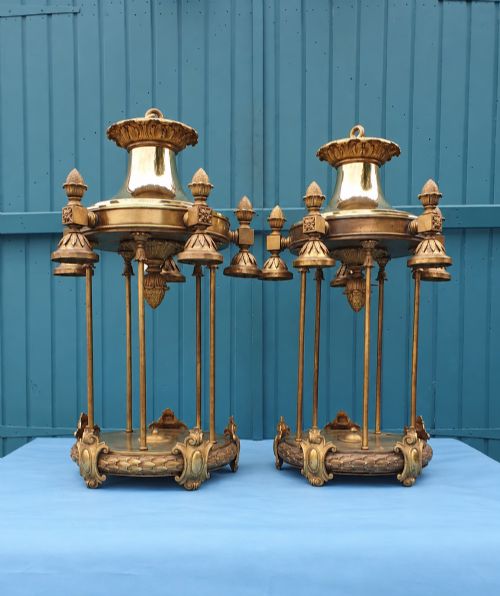
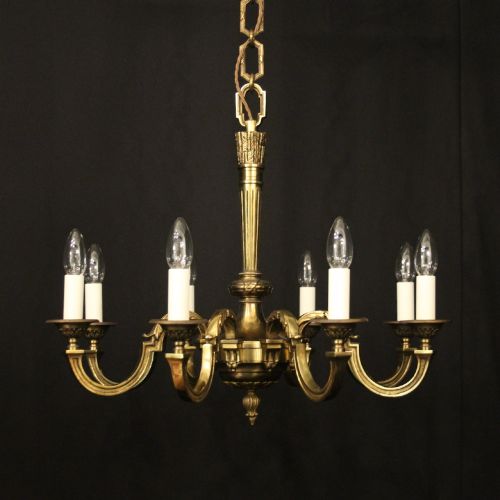
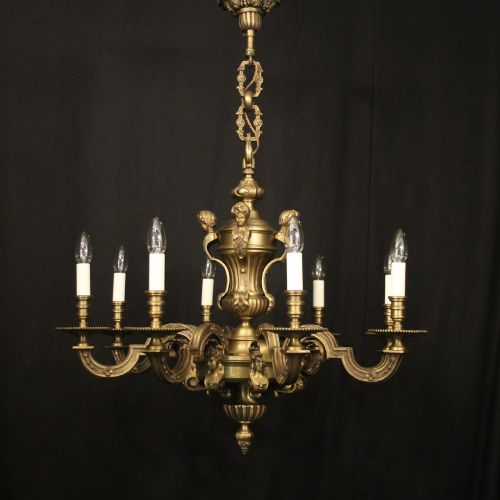
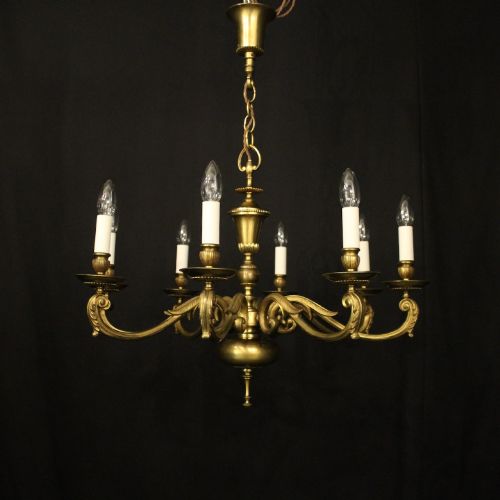
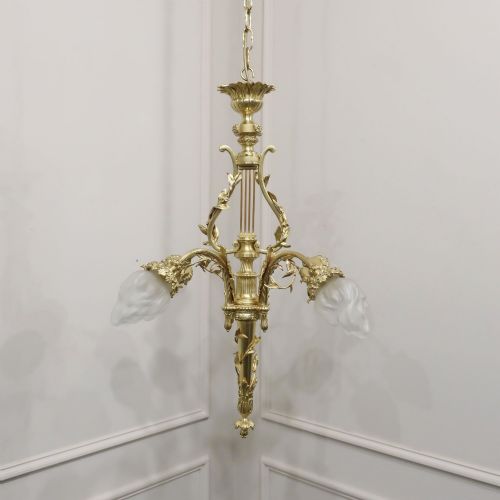
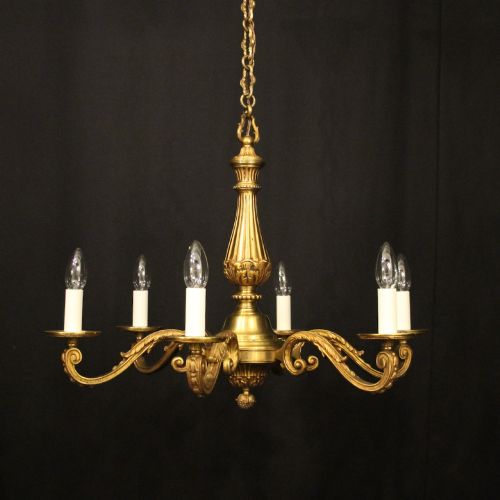
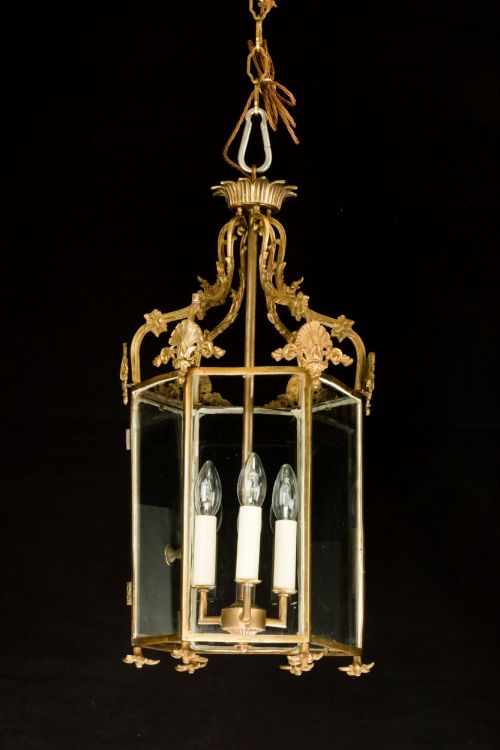
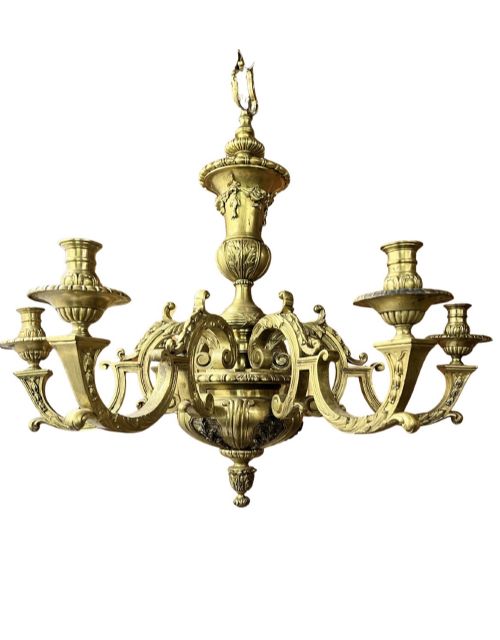
A neoclassical pendant fixture draws on classical architectural orders and historical motifs such as lyres, rams heads, and cherubs. These pieces provide formal illumination through hanging configurations that range from multi-armed chandeliers to lantern forms.
The selections span periods from the nineteenth century through the early twentieth century, including Edwardian interpretations and specific regional expressions. French and English workshops dominate the offerings, showing both restrained proportion and ornate decorative casting.
Buyers encounter forms such as tent and basket chandeliers alongside double-tiered designs and simple multi-arm lights. Each variation employs formal symmetry and historical ornamentation to anchor a ceiling space.
Materials and construction methods
Foundational structures rely heavily on brass, bronze, and cast bronze, often treated with gilt or silver plating to achieve a lustrous finish. Gilded brass and gilt bronze provide the reflective surfaces characteristic of formal lighting from this tradition.
Glass elements appear alongside metal frames, incorporating cut crystal and specialised shades that diffuse light across multiple arms. Metalwork involves detailed casting and structural assembly to support complex multi-light arrangements safely from the ceiling.
Neoclassical Pendant Fixture Retail Price Guide 2026
Typical asking prices for neoclassical pendant fixture among the pieces listed under this phrase on Sellingantiques today, from the lower quarter to the upper quarter. They describe what is for sale here now, not the wider market.
Several chandeliers feature watchful bronze cherubs quietly supervising the room from beneath the candle arms.
Distinctions in quality and execution
Execution of cast ornamentation separates standard production from finer examples. Sharp relief work on motifs like rams heads, cherubs, and classical drapery indicates superior craftsmanship in the metal foundry.
The integration of materials determines the overall visual weight of the fixture. Heavier bronze frames with meticulous gilding and coordinated glass components demonstrate a higher tier of period manufacture.
The Neoclassical Pendant Fixture Glossary
- Gilt bronze
- Metal cast and coated with a layer of gold or gold leaf to produce a bright, durable finish. This technique highlights intricate cast details on formal lighting.
- Tent and basket chandelier
- A lighting form featuring beaded glass strings arranged in a tent shape above a lower basket. It refracts light outward through numerous small crystal elements.
- Lyre
- A symmetrical, stringed instrument motif used frequently in the central frame or backplate of decorative metalwork. It represents classical Greek influence in furniture and lighting design.
- Colza hanging light
- A fixture designed to burn colza oil before the widespread adoption of electric wiring. These pieces often retain specialised hanging mechanisms and font structures.
- Ebonised
- Wood or metal treated to resemble dark ebony wood through staining or painting. It provides a stark contrast against gilt metal components.
Neoclassical Pendant Fixture: Frequently Asked Questions
What periods do these pendant fixtures date from?
The items span the nineteenth century, the Edwardian era, and the early twentieth century up to the 1930s. Makers drew heavily on earlier historical vocabularies, particularly French Empire and Regency styles.
Specific dates within titles point to both the actual manufacturing period and stylistic revivals that mirrored classical antiquity during the Victorian and Edwardian decades.
How do French and English styles differ?
French examples often incorporate elaborate gilt bronze castings, lyre shapes, and figural motifs such as cherubs or rams heads. English pieces tend toward slightly more restrained brass frameworks.
Both traditions utilise strict symmetry, yet French variants frequently emphasise ornate surface gilding and multi-tiered structures.
What materials are most common in these lights?
Brass and bronze form the structural backbone of nearly every piece, frequently enhanced with gilt or silver plating. Glass also appears prominently through cut crystal drops and protective shades.
These durable metals allowed workshops to cast fine decorative details that withstand the mechanical strain of hanging from a ceiling.
How do I identify a lantern style fixture?
Lanterns feature enclosed glass panels held within a metal framework, suspended by chains or a rigid rod from the ceiling. They offer a more contained silhouette than multi-arm chandeliers.
Empire style lanterns often display decorative metal mounts and classical proportions suited to hallways and entrance spaces.
Are these fixtures wired for modern electrical systems?
Many period pieces have been adapted over time to accept modern internal wiring while preserving their historical exterior metalwork. Some retain older configurations that require professional conversion.
Buyers should examine the internal channels and socket arrangements to confirm compatibility with current electrical standards in their region.