

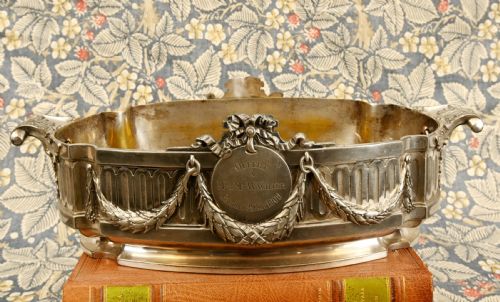


Neoclassical Decorative Bowl
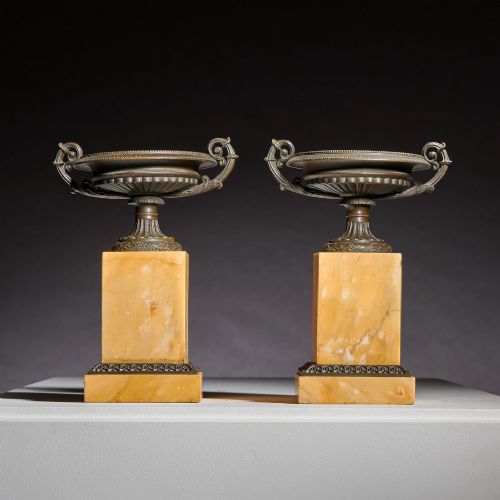
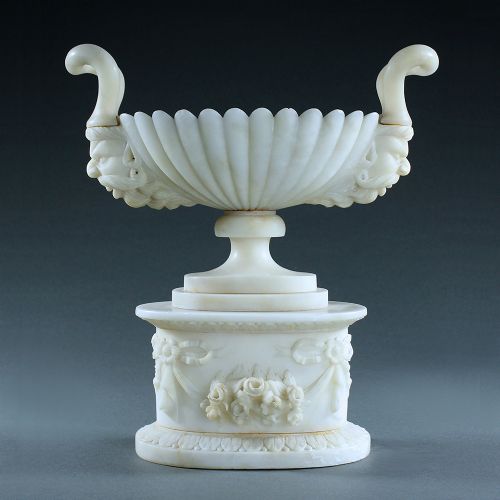
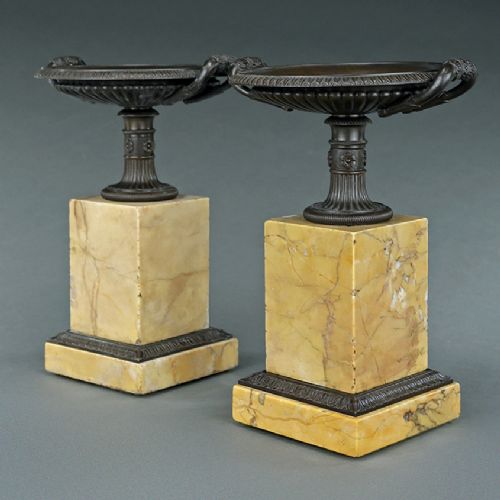
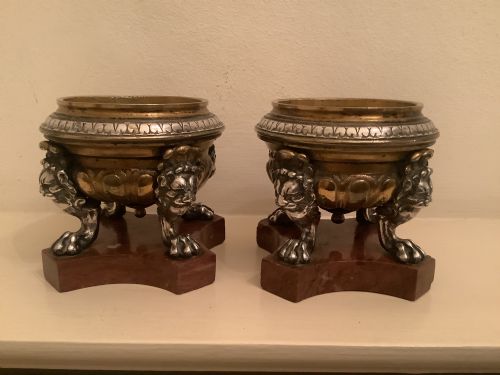
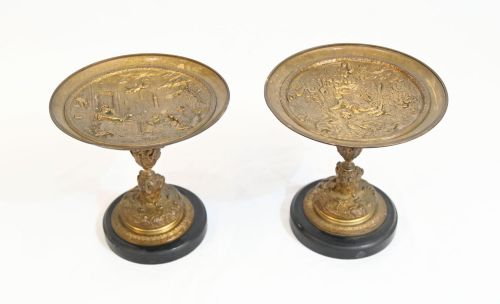
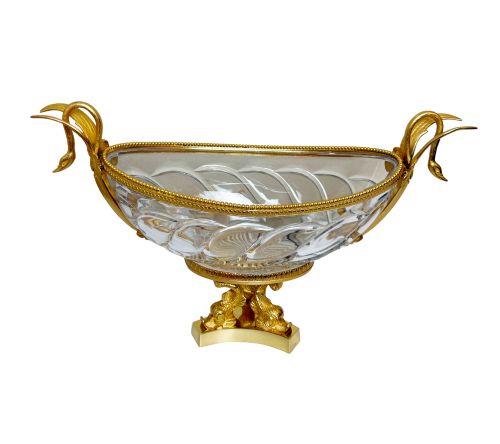
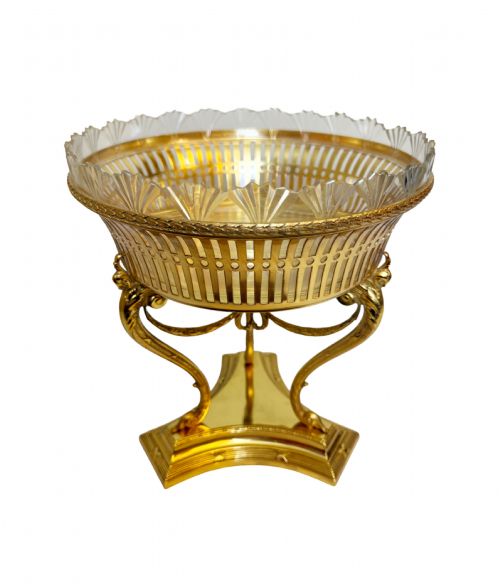
These neoclassical decorative bowl forms span classical tazzas, comports and centrepieces cast in bronze, marble and gilt metal.
Neoclassical Decorative Bowl
A neoclassical decorative bowl takes the form of a classical tazza, coupe, centrepiece or urn created to echo ancient Greek and Roman designs. Such objects often emerge from nineteenth century French workshops and Italian Grand Tour souvenir studios, translating archaeological discoveries into domestic ornaments.
Buyers frequently encounter matched pairs of tazzas alongside large single centrepieces fitted with glass inserts or crystal bowls. These pieces draw heavily on French Empire and Victorian interpretations of classical antiquity, resting upon marble block bases or pedestal feet.
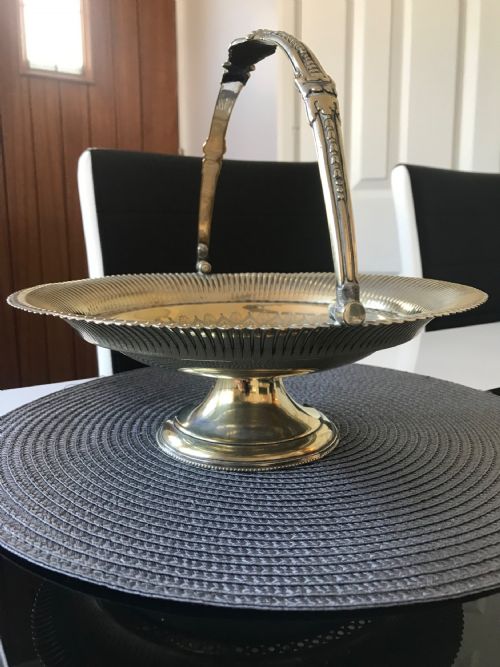
The materials span cast bronze, polished marble, gilt metal and silver plate, occasionally incorporating mother-of-pearl dishes or porcelain bodies. Forms range from handled fruit baskets and footed planters to small cabinet tazze carved from alabaster and black marble.
How they were made
Foundry workers cast bronze and brass components before applying fire gilt or ormolu finishes to highlight classical friezes and handles. Stonemasons turned solid blocks of Siena marble, white marble and black marble on lathes to form smooth tazze bowls and heavy square plinths.
Silversmiths constructed fruit baskets and centrepieces from plated metal, engraving neoclassical motifs along the rims and loop handles. Assemblers joined metal mounts to stone bases using threaded pins, combining contrasting textures within a single object.
Neoclassical Decorative Bowl Retail Price Guide 2026
Typical asking prices for neoclassical decorative bowl among the pieces listed under this phrase on Sellingantiques today, from the lower quarter to the upper quarter. They describe what is for sale here now, not the wider market.
Current listings feature nineteenth century pieces incorporating bronze, Siena marble, brass, silver plate and mother-of-pearl.
What varies in quality
The refinement of the metal chasing separates standard production from exceptional pieces, particularly in the crispness of leaf tips and classical figures. Heavy, densely veined marble bases indicate superior raw materials compared to plain or uniform composite stones.
The weight and gauge of the cast bronze or ormolu dictate the structural integrity of handles and stems. Original fire gilding displays a deep, warm lustre that differs markedly from later chemical plating treatments.
The Neoclassical Decorative Bowl Glossary
- Tazza
- A shallow, footed cup or bowl resembling a wide saucer on a pedestal, frequently used for display.
- Grand Tour
- A nineteenth century travel tradition where collectors acquired classical souvenir bronzes and carved marble objects in Italy.
- Ormolu
- Finely ground high-carat gold mercury-gilded to a bronze base, creating a rich golden surface finish.
- Centrepiece
- A large decorative vessel placed at the centre of a table, often holding fruit or floral arrangements.
- Comport
- A footed dish or bowl raised above the table surface, commonly paired in sets during the nineteenth century.
Neoclassical Decorative Bowl: Frequently Asked Questions
What is a tazza?
A tazza is a shallow footed dish or bowl raised on a central pedestal, designed specifically for display on a table or cabinet.
These pieces draw directly from ancient Greek and Roman pottery and metalwork shapes.
How were Grand Tour items used?
Grand Tour souvenirs served as refined decorative ornaments for nineteenth century drawing rooms and libraries, marking the owner's travels.
Wealthy travellers purchased small bronzes and carved marble tazze in Italy to bring home as classical mementos.
How do I care for gilt bronze?
Gilt bronze requires gentle dusting with a soft, dry brush to protect the delicate gold surface layer from abrasion.
Avoid chemical cleaning products entirely, as harsh liquids strip the original ormolu finish.
Are these pieces water-tight?
Many decorative bowls feature fitted glass inserts or open pedestal joints that are not designed to hold water safely.
It is best to verify whether a glass liner is present before placing fresh flowers inside metal or stone vessels.
How do I identify French Empire style?
French Empire style relies on strict symmetry, military motifs and direct references to classical Roman and Greek art.
Look for crisp ormolu mounts, dark patinated bronze figures and geometric marble bases typical of nineteenth century workshops.