


Neoclassical Decor
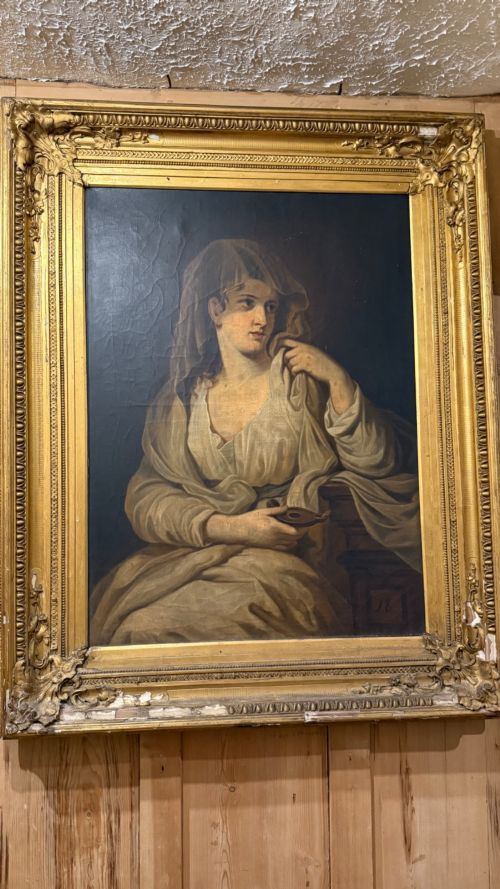
Neoclassical decor brings the balanced forms and classical motifs of antiquity into domestic interiors through bronze, marble, plaster, and oil paintings.
Neoclassical Decor
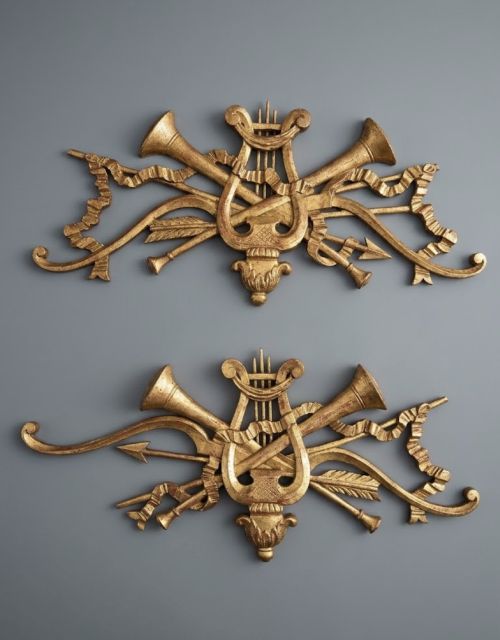
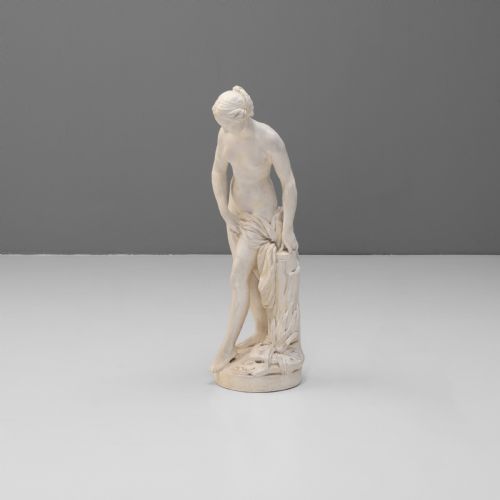
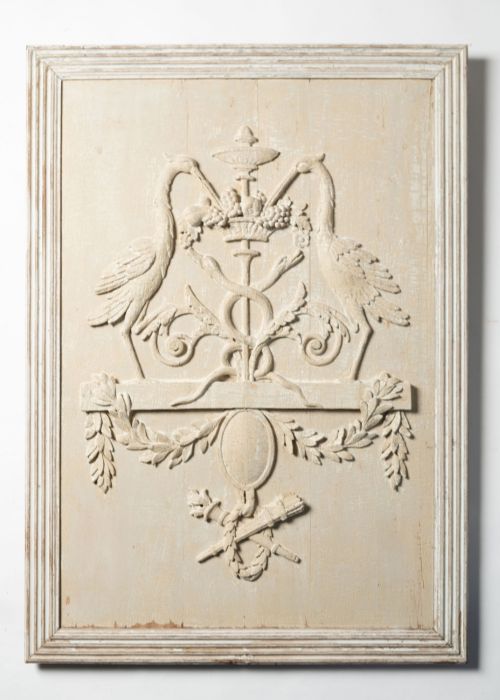
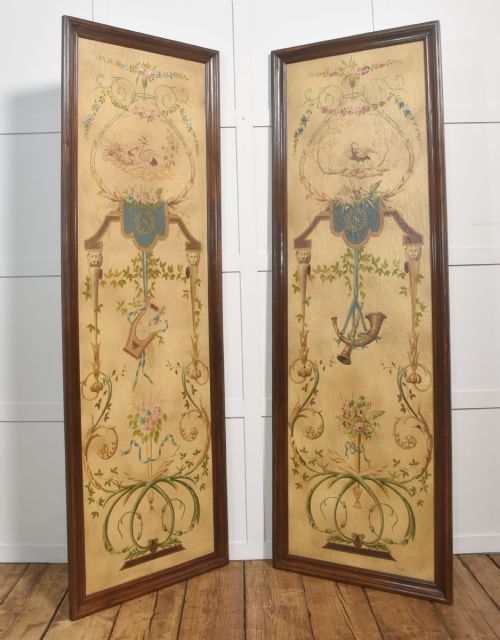
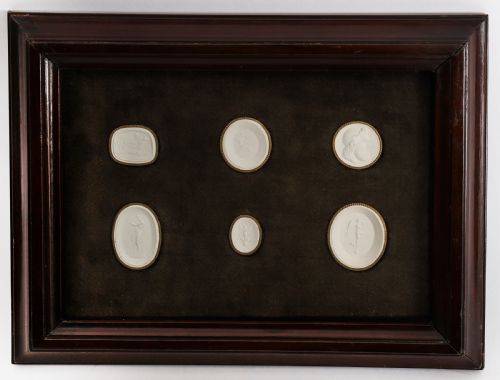
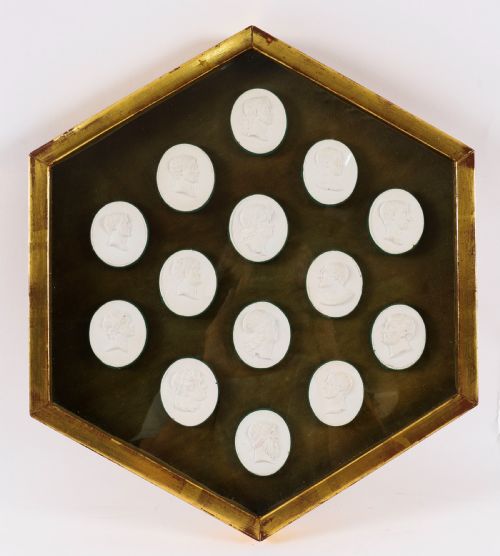
Neoclassical decor encompasses sculptural objects, lighting, and wall art produced across the eighteenth and nineteenth centuries, drawing heavily on Greek and Roman visual vocabulary. Pieces range from grand architectural elements like carved wooden over-door panels and plaster wall friezes to intimate scholarly items such as framed Grand Tour intaglios and classical intaglio collections.
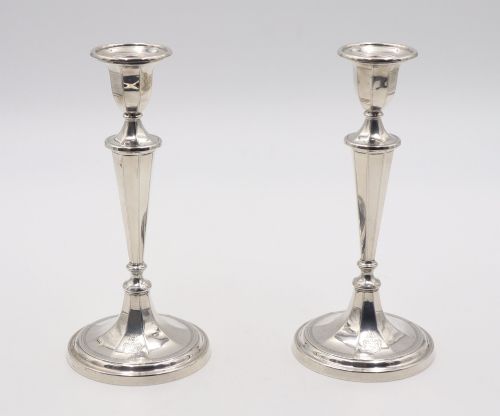
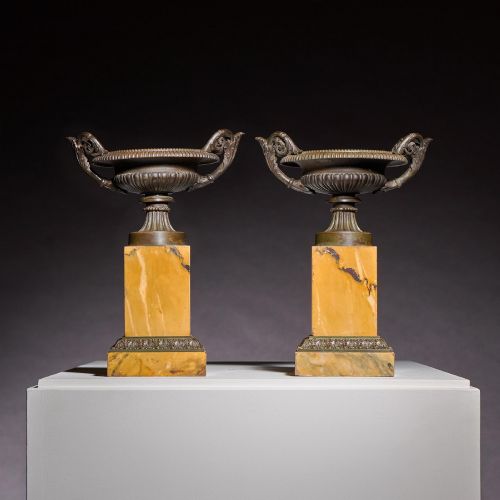
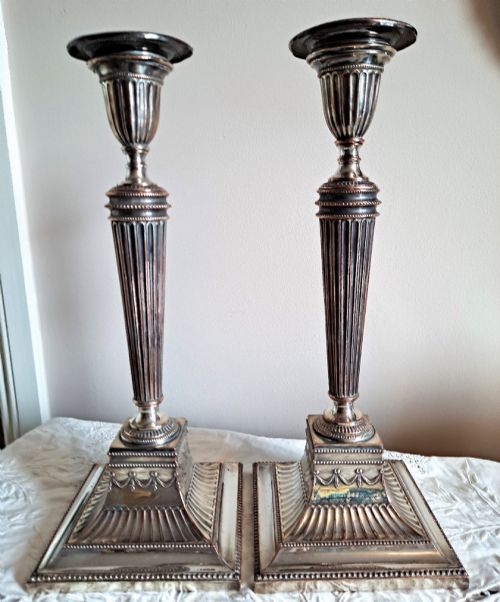
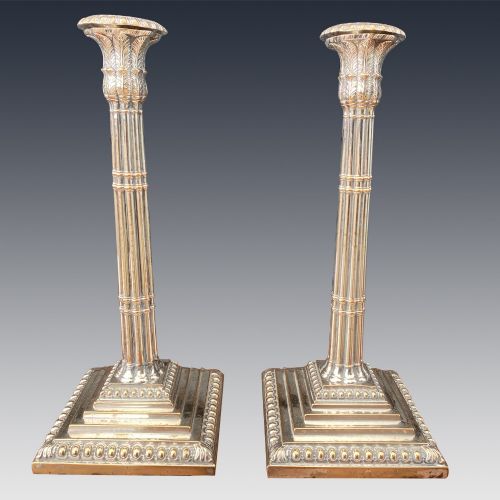
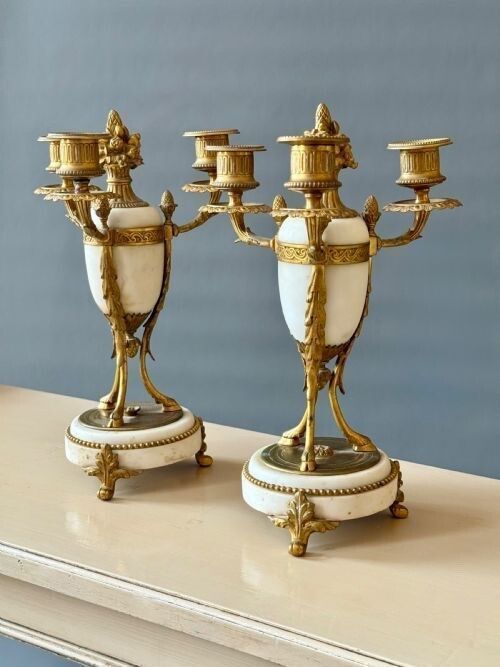
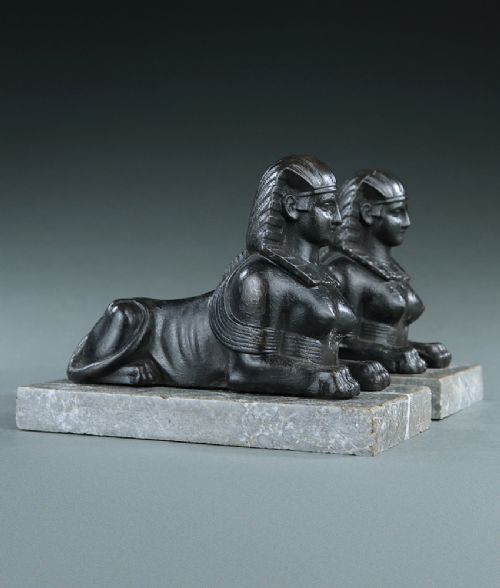
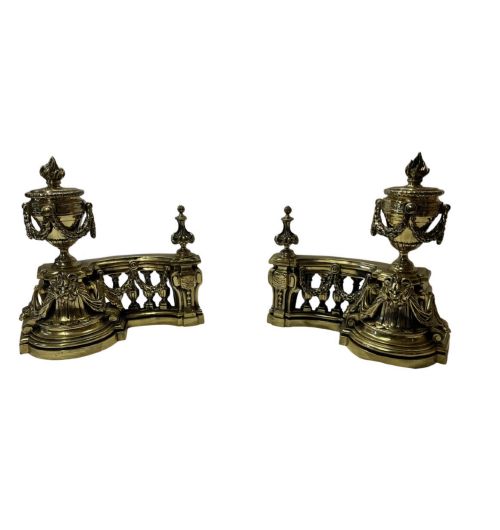
Lighting and display objects dominate the selection, featuring gilt bronze candlesticks, candelabra, and marble tazzas alongside utilitarian vessels like urns and biscuit barrels. These domestic items display the characteristic symmetry, urn motifs, and classical figures associated with revival periods from Georgian times through the Edwardian era.
Materials and construction methods
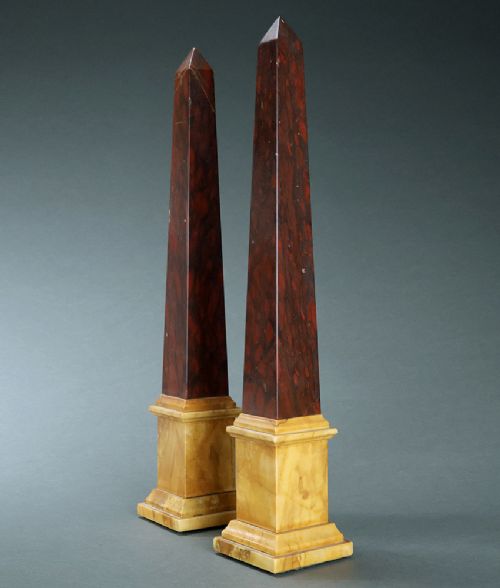
Makers utilised cast and chased bronze, often gilded, combined with white and sienna marbles for heavy sculptural pieces and lighting. Plaster and carved wood served for architectural friezes and panels, while ceramics such as jasperware and porcelain provided crisp surfaces for classical relief ornament.
Surface treatments included hand painting on wood and canvas, wheel engraving on glass, and the mounting of Old Sheffield Plate or sterling silver. Metal elements required intricate casting and fine tooling to achieve the sharp definition expected in classical ornament.
Neoclassical Decor Retail Price Guide 2026
Typical asking prices for neoclassical decor among the pieces listed under this phrase on Sellingantiques today, from the lower quarter to the upper quarter. They describe what is for sale here now, not the wider market.
The material record spans gilt bronze, marble, plaster, painted wood, and Old Sheffield Plate across the Georgian and Victorian eras.
Distinctions in craftsmanship
The quality of materials, such as the purity of the marble plinths or the weight and finish of the gilt bronze and Old Sheffield Plate, dictates the overall presence of the object. Period integrity and the crispness of applied plaster ornamentation also mark the upper tiers of these works.
Carlhian And Corbiere London·Giovanni Liberotti·Jean Baptiste Isabey·Joseph Gott
The Neoclassical Decor Glossary
- Grand Tour
- A traditional trip through Europe undertaken by upper-class young men to study classical art and antiquities, which generated a market for portable souvenirs like intaglios, bronzes, and marble models.
- Jasperware
- A type of fine stoneware developed by Josiah Wedgwood featuring a matte surface, typically with white contrasting classical reliefs applied against a coloured ground.
- Caryatid
- A sculpted female figure serving as an architectural support taking the place of a column or a pillar, frequently seen on the shafts of nineteenth-century candlesticks.
- Tazza
- A shallow saucer-like dish mounted on a stem and foot, commonly executed in marble or gilt bronze during the eighteenth and nineteenth centuries for display.
- Intaglio
- A gem or gemstone carved in intaglio so that the design dips below the surface, popular in framed collections brought back from European travels.
Neoclassical Decor: Frequently Asked Questions
What is neoclassical decor?
Neoclassical decor refers to furniture, ornaments, and art created during periods that revived the artistic styles of ancient Greece and Rome. It emphasises symmetry, straight lines, and motifs like urns, columns, and classical figures.
The items span lighting, small sculptures, paintings, and architectural fragments produced from the eighteenth century into the early twentieth century. These objects were designed to bring academic proportion and classical dignity into domestic spaces.
How were Grand Tour items used?
Grand Tour pieces functioned as intellectual souvenirs, demonstrating the owner's classical education, refined taste, and travels across European cultural centres. Items like marble obelisks and framed intaglios were displayed on desks, libraries, and mantelpieces.
They served as conversation starters for educated guests and tangible connections to archaeological discoveries. Collectors gathered them to curate miniature museums within their own homes.
How do I distinguish eighteenth-century pieces from nineteenth-century copies?
Dating these objects requires examining the tooling marks, material composition, and wear patterns characteristic of specific manufacturing eras. Eighteenth-century pieces often show hand-wrought assembly and softer patinas developed over extended use.
Nineteenth-century revivals, including Napoleon-style and Egyptian Revival works, frequently employ heavier industrial casting techniques and different alloy compositions. Comparing the style of the relief work and mounting hardware helps anchor the piece to its proper period.
How do I live with antique marble and bronze?
Marble and bronze require stable indoor environments away from excessive humidity and direct heat sources to preserve their patinas and prevent structural stress. Regular dusting with a soft, dry cloth keeps surfaces clean without abrasive friction.
Harsh chemical cleaners should be avoided entirely, as they strip historic finishes from metals and etch polished stone surfaces. Handling heavy bronze and marble with clean hands prevents natural oils from staining porous materials over time.