


Neoclassical Ceramic Urn
These neoclassical ceramic urn pieces bring classical antiquity into domestic interiors through sculptural ceramic forms and disciplined ornamentation.
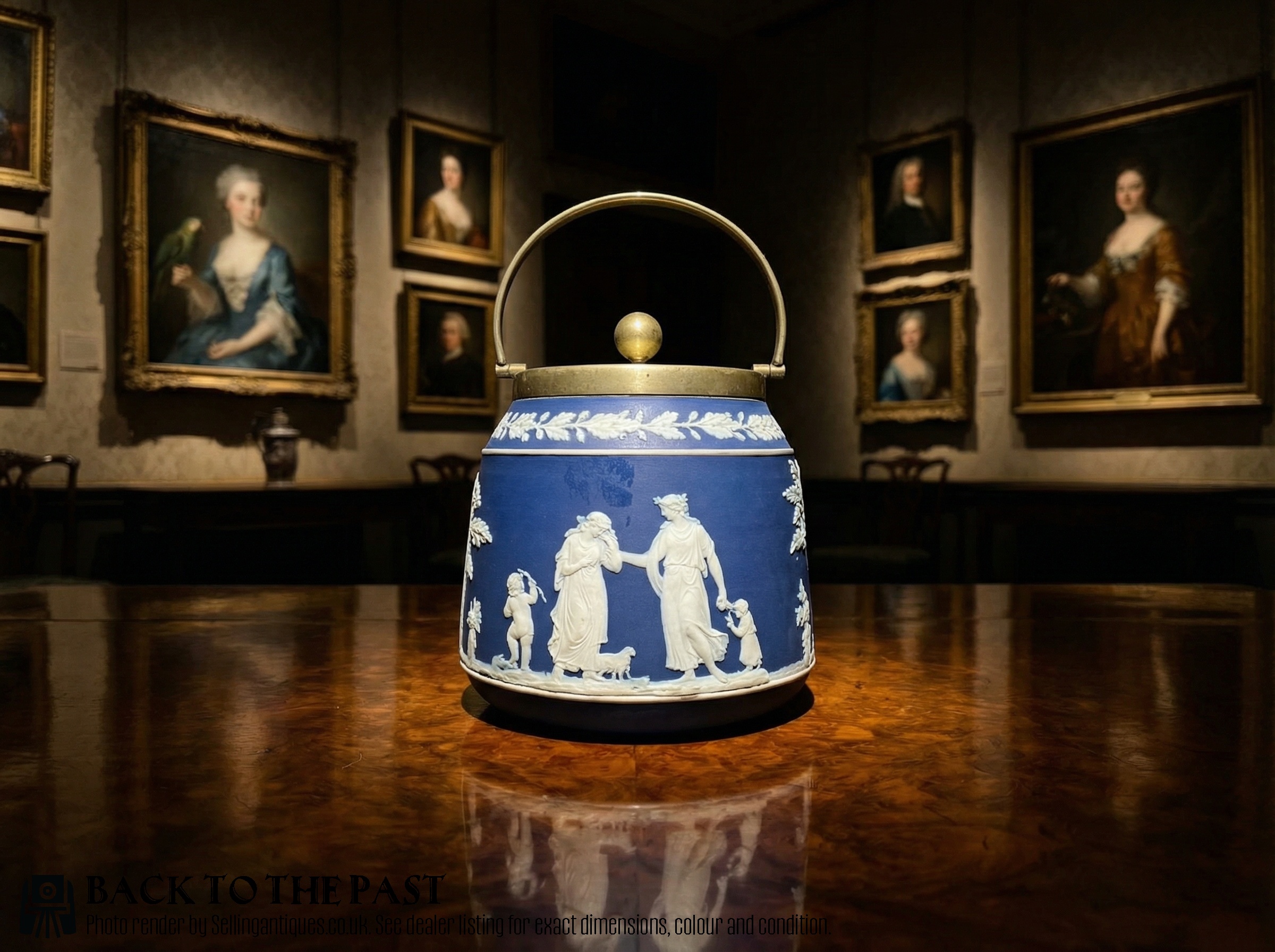
Neoclassical Ceramic Urn
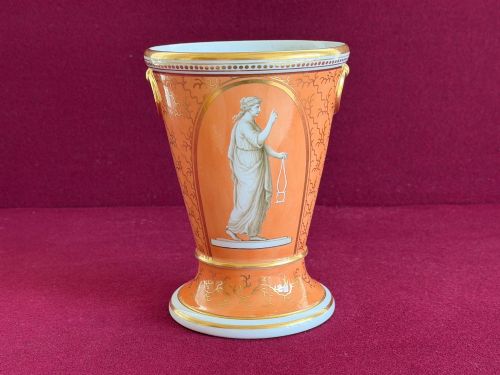
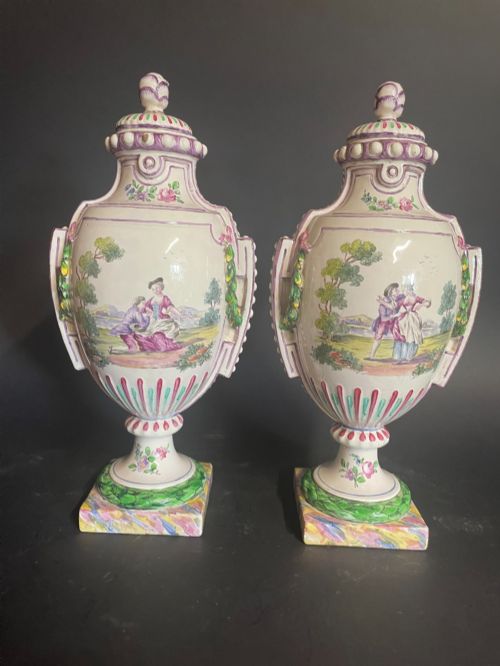
A neoclassical ceramic urn embodies the formal symmetry, ancient motifs, and restrained proportions of Greek and Roman antiquities revived across the Georgian, Victorian, and later nineteenth-century periods. When handling a neoclassical ceramic urn on this page, a buyer typically meets porcelain, earthenware, or terracotta formed into campana shapes, vases, jardinières, or lidded vessels.
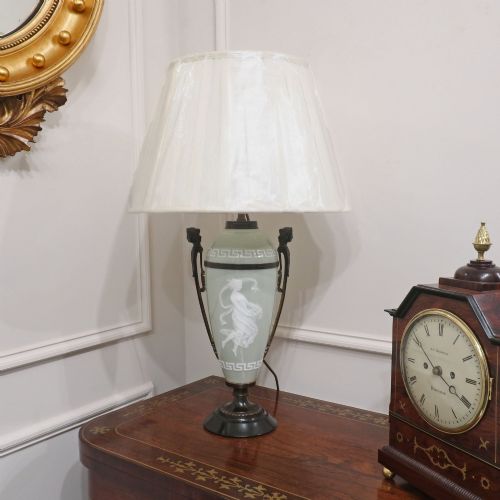
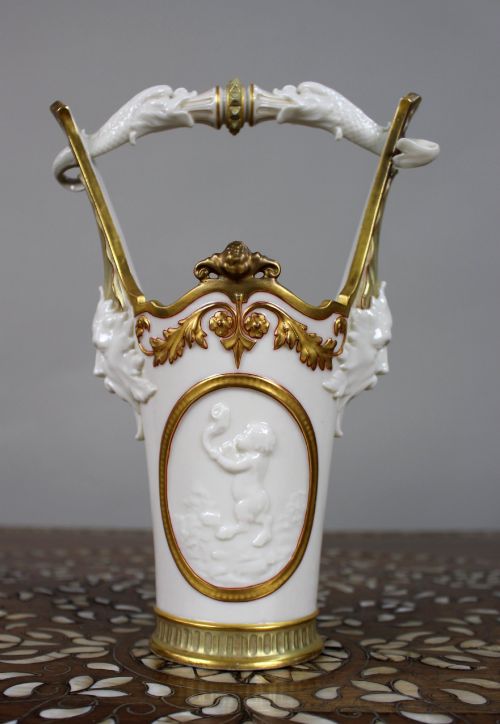
The objects derive from archaeological discoveries at Pompeii and Herculaneum, translating architectural proportions into decorative domestic vessels. Forms range from monumental pairs intended for pedestals to smaller table lamps and ice pails adapted for later interiors.
Origin points span English factories such as Derby and Worcester alongside continental workshops in Vienna, Sèvres, and Copenhagen. The aesthetic relies on strict balance, handles modelled as serpents or scrolls, and bodies decorated with classical figures.
How they were made
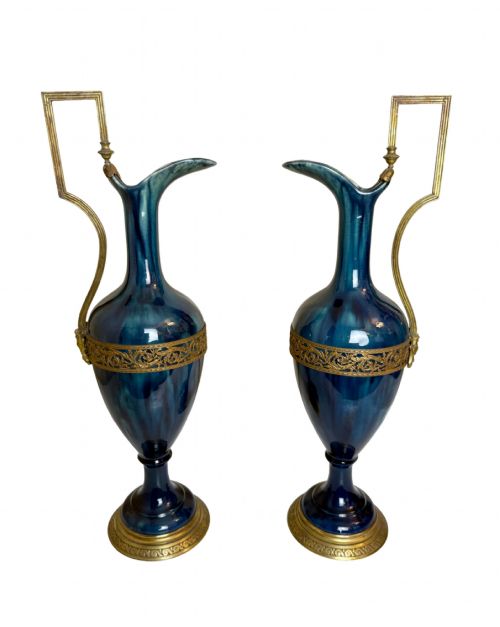
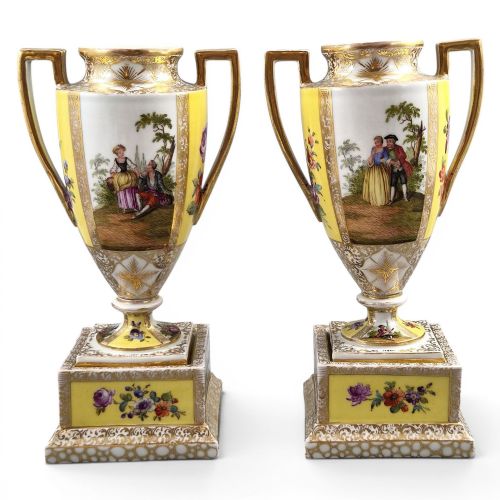
Potters shaped these vessels using porcelain, bone china, majolica, faience, or terracotta, often applying blue or royal yellow glazes as grounds for contrasting decoration. Biscuit porcelain and unglazed stoneware provided matt textures reminiscent of ancient marble.
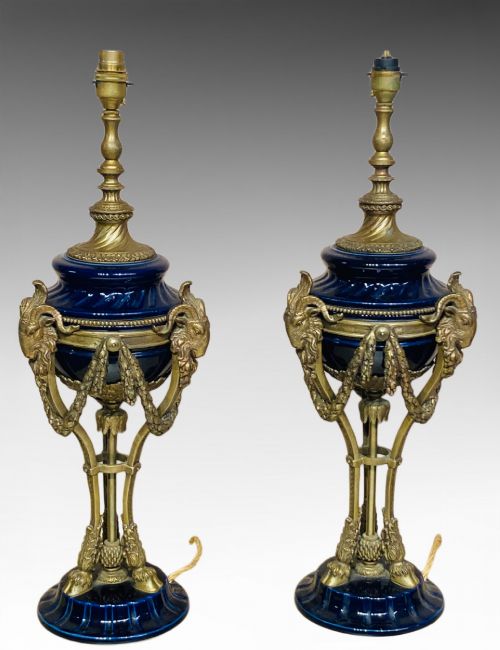
Decoration involved hand-painted polychrome scenes, delicate pate-sur-pate layering, and crisp white bas-reliefs sprigged onto jasperware bodies. Gilding, gold leaf, and ormolu mounts were frequently added to highlight handles, rims, and pediments.
Metal trim and gilt bronze mounts were cast and chased to frame ceramic bodies, particularly on nineteenth-century French and English garnitures. Sceaux faience and Italian terracotta utilised traditional kiln firing methods suited to porous earthenwares.
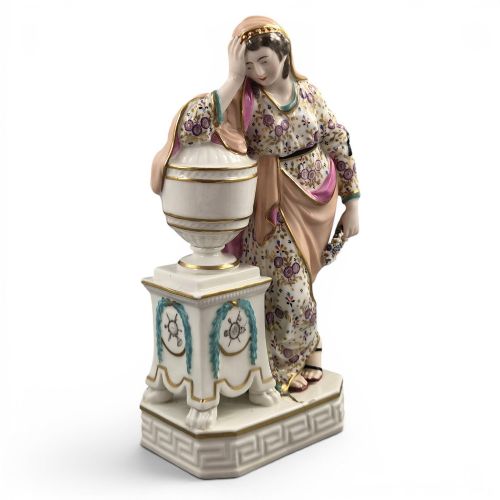
An angel of the night rests quietly in biscuit porcelain, keeping watch over nineteenth-century drawing rooms.
What varies in quality
The refinement of the modelled bas-reliefs and the precision of the hand-painted detailing determine the standing of an individual piece. Crisp, deeply undercut relief work on jasperware and finely chased ormolu mounts signal superior workshop standards.
The integration between ceramic body and metal hardware separates standard production from exceptional studio output. Symmetrical balance in turned forms and the purity of the porcelain paste further distinguish finer examples.
Derby Porcelain·Flight And Barr Worcester·Royal Worcester·Helena Wolfsohn·Wedgwood·Royal Vienna·P Ipsens Enke
The Neoclassical Ceramic Urn Glossary
- Campana urn
- A bell-shaped vessel with an everted rim and footed base derived from ancient Roman bronze models. This silhouette is frequently seen in nineteenth-century jasperware and porcelain.
- Pate-sur-pate
- A ceramic decorating technique where successive layers of liquid white porcelain slip are painted onto a coloured clay body to build up a low relief cameo effect. The method allows for translucent tonal gradations.
- Jasperware
- A fine-grained, unglazed stoneware developed by Josiah Wedgwood, characterised by contrasting coloured fields and applied white classical figures. Blue and royal yellow grounds predominate in this group.
- Ormolu
- Gilded bronze mounts cast and applied to frame or support ceramic bodies. The technique adds architectural weight to nineteenth-century French and English decorative pieces.
- Jardiniere
- An ornamental pot or stand designed to hold growing plants or floral arrangements. These vessels often mirror classical urn proportions.
- Garniture
- A matched set of three or more decorative vases or urns designed to be displayed together on a mantelpiece or sideboard. They share coordinated motifs and scale.
Neoclassical Ceramic Urn: Frequently Asked Questions
What is a campana urn?
A campana urn is a bell-shaped vessel featuring flared rims and pedestal bases modelled on classical antiquity.
Potters used this silhouette extensively for jasperware, porcelain, and terracotta decorative pieces throughout the Georgian and Victorian eras.
How do I identify a neoclassical piece?
Neoclassical pieces feature strict symmetry, architectural proportions, and ornamental motifs such as laurel wreaths, urns, and mythological figures.
Look for crisp white bas-reliefs against coloured grounds and handles shaped as scrolls or classical serpents.
Were these urns used for flowers?
Many large vessels functioned purely as decorative garnitures or architectural ornaments rather than functional containers.
Specific forms like jardinières and ice pails were designed to hold plants or ice, while lidded urns remained ornamental centrepieces.
What is jasperware?
Jasperware is an unglazed stoneware developed by Josiah Wedgwood that mimics the matte finish of ancient carved stone.
It typically combines a coloured ceramic body with sharply detailed white classical relief figures applied to the surface.
How do I care for antique porcelain?
Antique porcelain and glazed ceramics require gentle cleaning with a dry or barely damp microfibre cloth.
Avoid immersing pieces with gilded details or ormolu mounts in water to protect the delicate metallic finishes.