


Antique Wedgwood Tableware
These antique wedgwood tableware pieces are domestic and formal ceramic services created for the table, offering a tangible link to centuries of English pottery mastery.
Antique Wedgwood Tableware
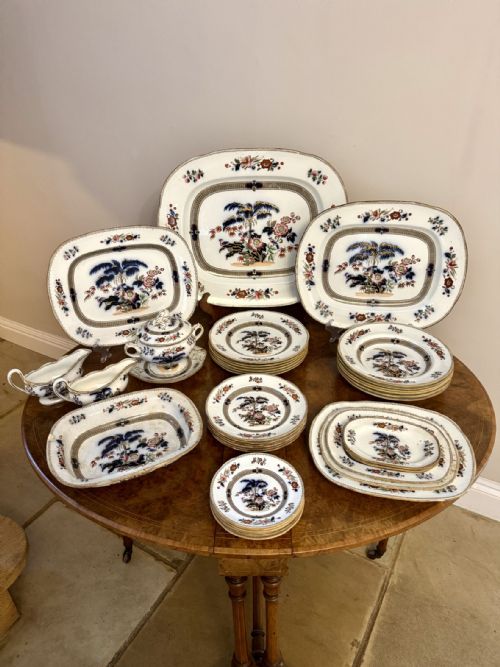
When you search for antique wedgwood tableware, you encounter a broad array of ceramic items spanning the eighteenth, nineteenth, and early twentieth centuries. The selection encompasses comprehensive dinner services, dessert sets, tea sets, and individual serving pieces designed for functional use and display.
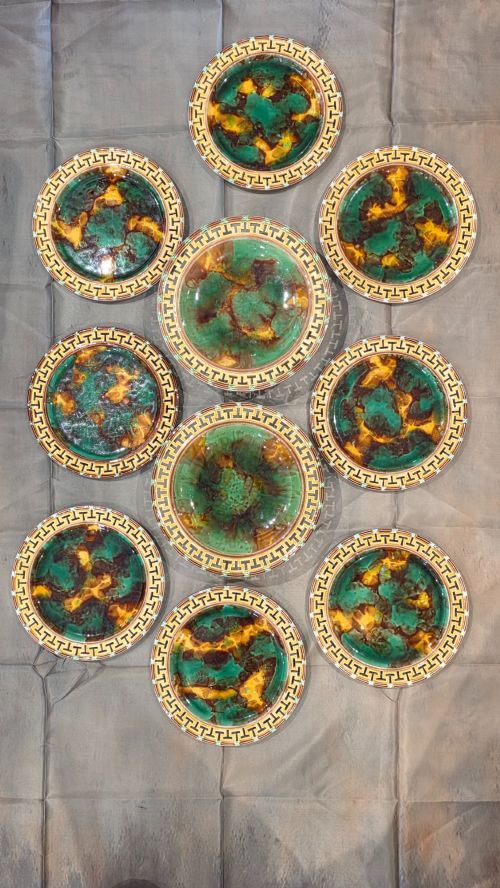
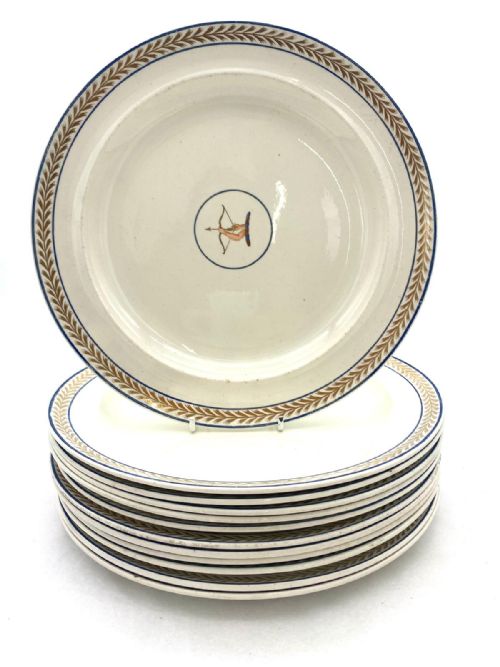
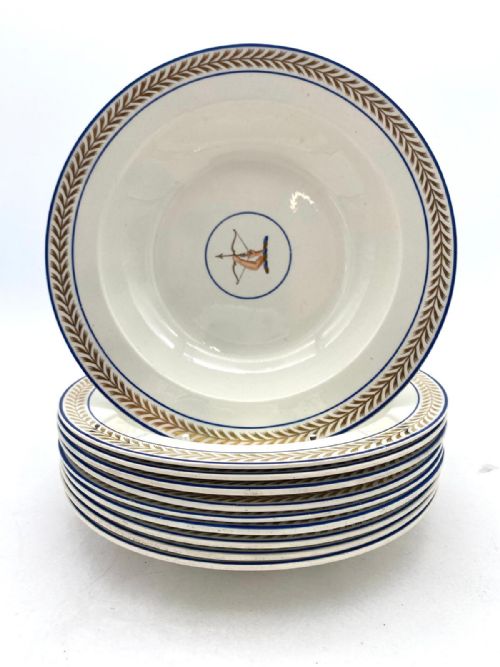
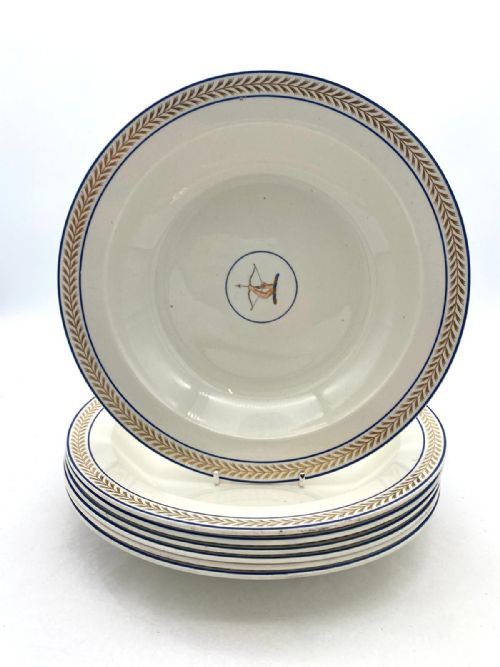
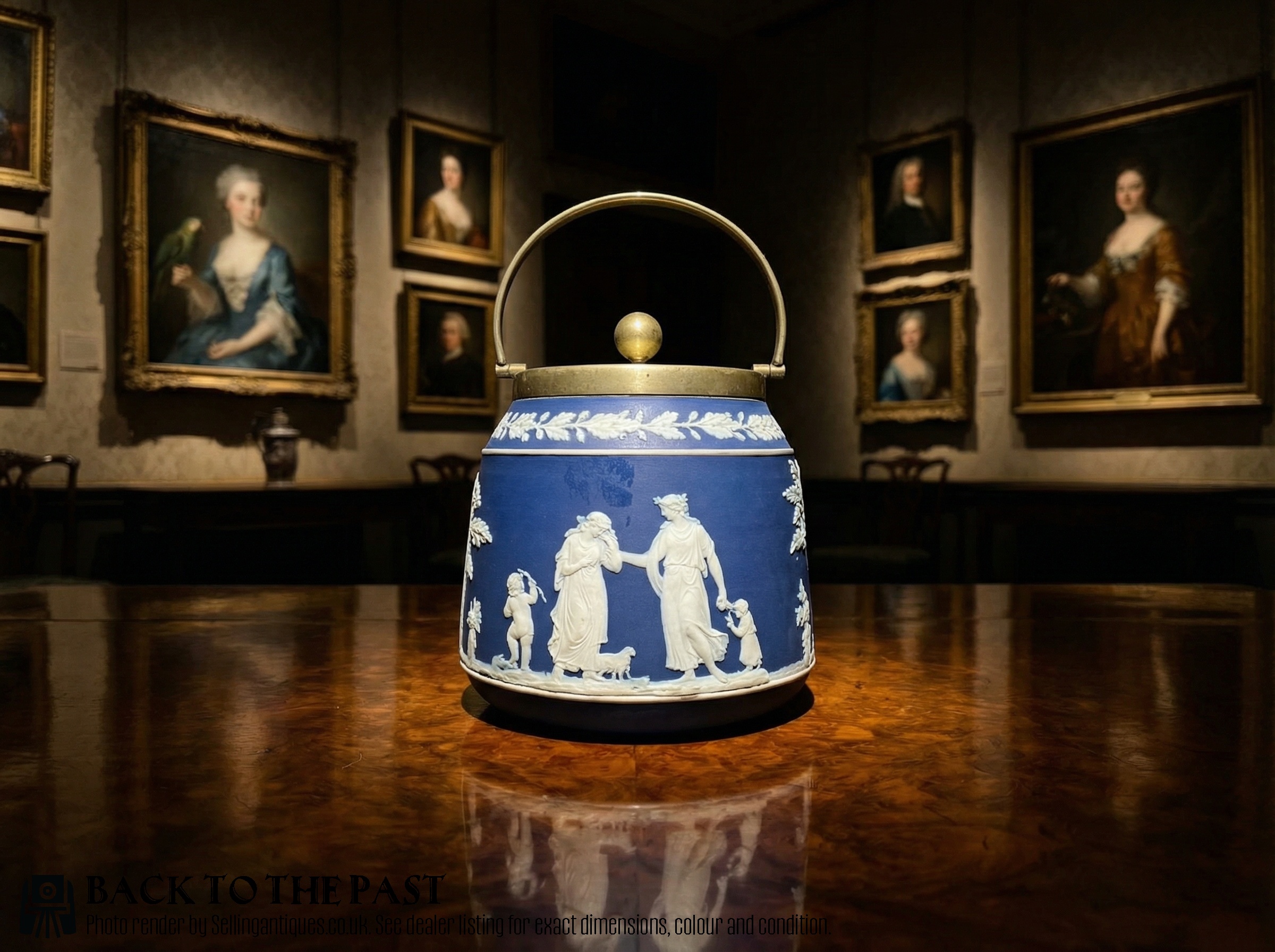
The pieces you are most likely to meet on this page include creamware dinner plates, bone china plates, majolica dessert services, and jasperware biscuit barrels. Styles range from Georgian neoclassical to Victorian and Edwardian iterations.
Forms vary from soup bowls and pudding bowls to game pie dishes and shaped dishes. Each item reflects the shifting domestic tastes and dining rituals of its period of origin.
How they were made
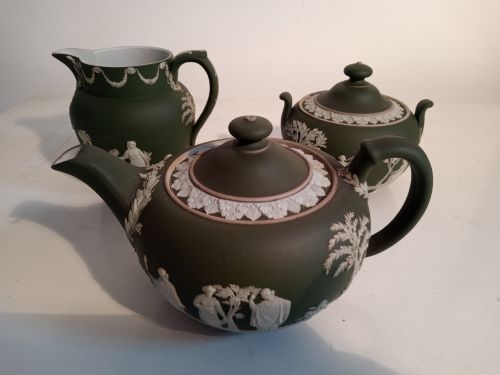
Makers utilised earthenware, creamware, stoneware, and bone china as the fundamental bodies for these forms, often applying specialised glazes and enamel paint by hand. Creamware provided a refined, light-coloured surface ideal for armorial painting, whilst jasperware allowed for contrasting coloured reliefs.
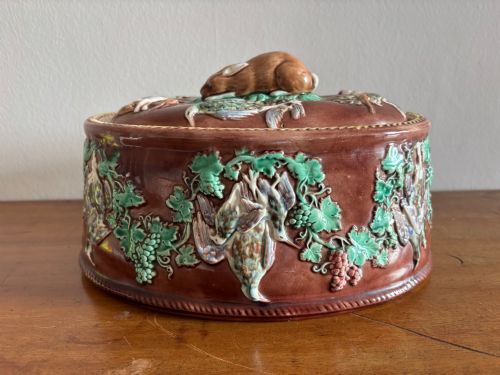
Techniques included hand painting botanical subjects and common birds, moulding intricate relief details, and producing majolica finishes with coloured glazes. These methods required skilled artisans working across specialised departments to achieve the final ceramic body and surface decoration.
Listings feature items from the eighteenth, nineteenth, and early twentieth centuries, spanning earthenware, creamware, bone china, and jasperware.
What varies in quality
The standard of antique wedgwood tableware differs significantly depending on the crispness of moulded details and the precision of hand-painted decoration. Botanical plates and armorial creamware with detailed brushwork represent a higher tier of production.
Completeness and scale also determine quality, particularly within dinner services, dessert services, and tea sets where matching components elevate the significance of the group. The subtlety of glaze application and the definition in jasperware reliefs separate standard utility wares from exhibition pieces.
The Antique Wedgwood Tableware Glossary
- Creamware
- A fine earthenware with a pale yellowish glaze, developed in the eighteenth century and widely used for dinner plates and bowls.
- Jasperware
- A type of fine stoneware developed by Josiah Wedgwood, characterised by a matte surface and contrasting applied white reliefs.
- Majolica
- A heavy earthenware pottery covered with colourful lead-glazed enamels, popular during the Victorian era for dessert services and display pieces.
- Armorial
- Decorated with a coat of arms or heraldic crest, frequently commissioned by prominent families for formal dining services.
- Bone China
- A hard, translucent ceramic body incorporating bone ash, utilised for fine plates and tea sets.
Antique Wedgwood Tableware: Frequently Asked Questions
Can I use antique creamware for daily dining?
Creamware handles standard use, but antique pieces from the eighteenth century warrant careful hand washing to preserve the glaze and painted decoration.
Thermal shock can damage older ceramics, so avoiding sudden temperature changes helps protect the material integrity.
How do I identify a jasperware biscuit barrel?
Biscuit barrels feature a cylindrical ceramic body in colours such as olive green or blue, adorned with classical white relief figures and typically fitted with a metal lid.
These containers were designed to store dry biscuits on the dining or drawing room table during the Victorian period.
What defines an armorial service?
Armorial tableware displays a hand-painted family crest or coat of arms in the centre or border of the plate, bowl, or dish.
Such services were custom ordered by aristocratic households and represent documented commissions from the eighteenth century.
How do I distinguish Regency from Victorian pieces?
Regency items often display neoclassical restraint with botanical painting or armorial motifs on creamware and bone china bodies.
Victorian pieces frequently embrace bolder colour palettes, complex majolica glazes, and heavier ornamentation suited to changing dining fashions.