

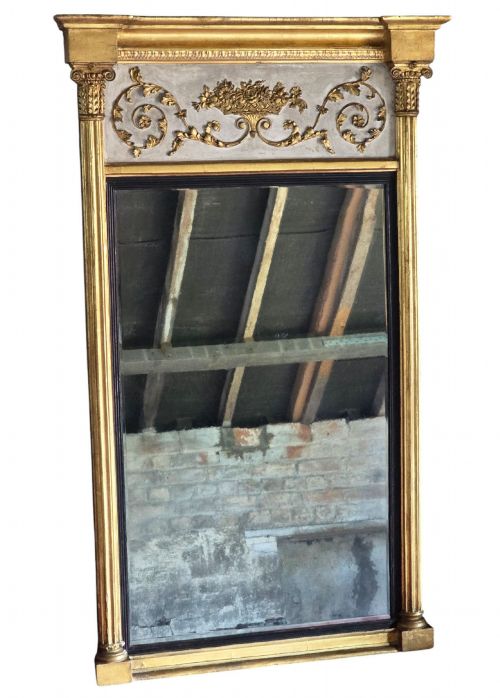
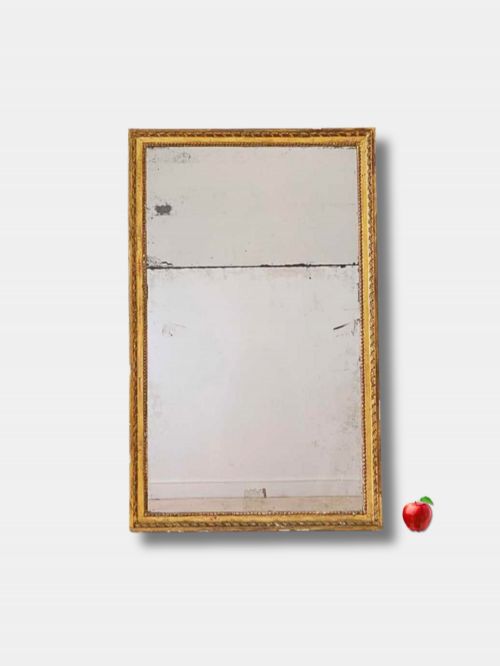


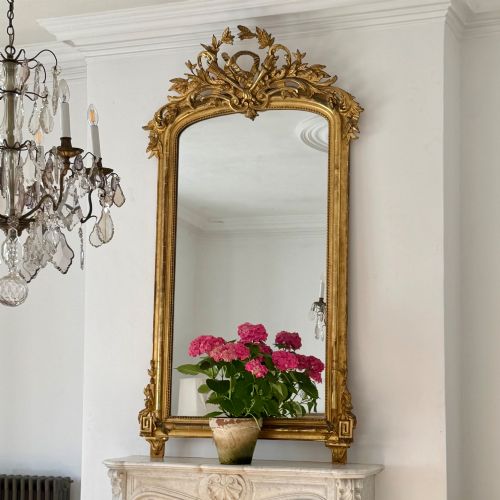


Neoclassical Carved Pier Mirror
A neoclassical carved pier mirror brings vertical elegance and classical proportion to a room, hanging traditionally between two windows.
Neoclassical Carved Pier Mirror
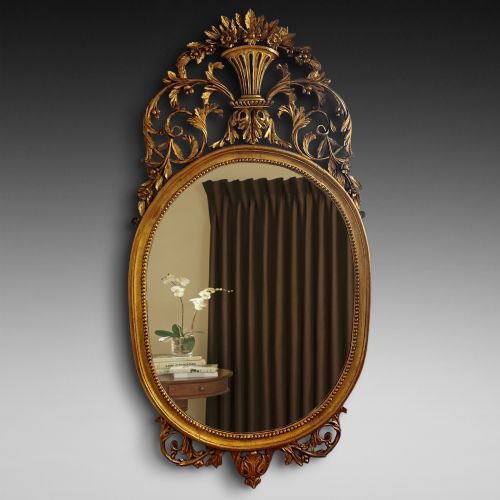
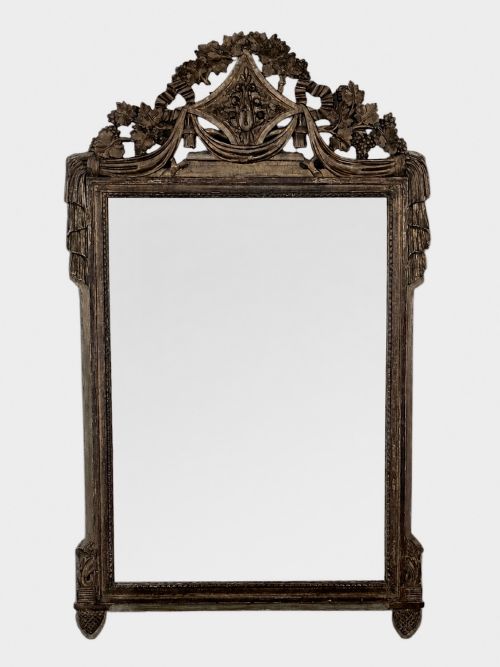
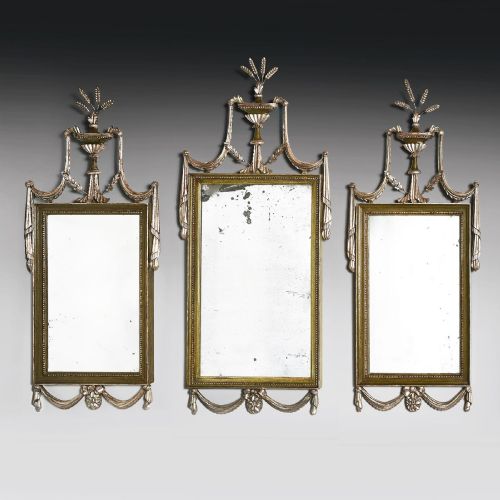
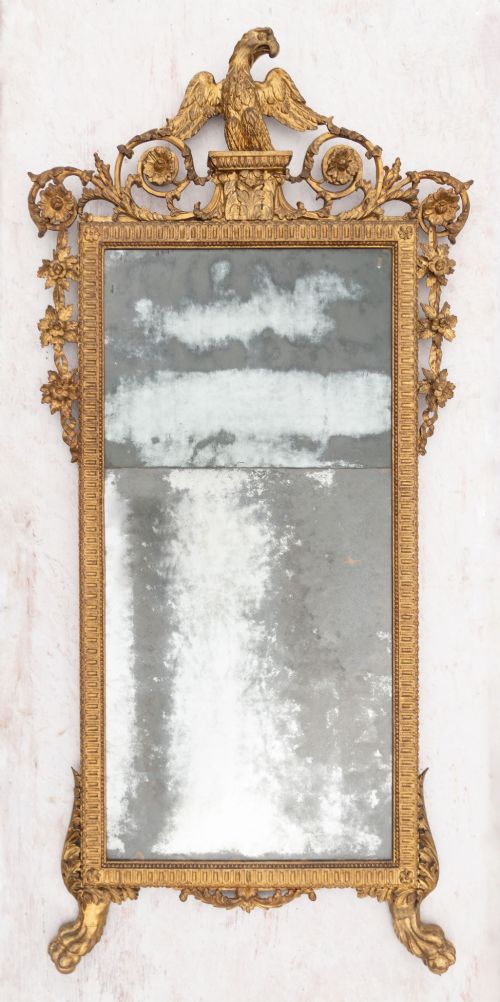
A neoclassical carved pier mirror occupies a tall, narrow space on a wall, designed originally to hang between windows above a low table or console. When you search for this phrase, you find examples originating from eighteenth-century George III workshops, Regency periods, and nineteenth-century French chateaux.
The selections on this page span styles from Louis XVI and French Empire to Adams designs and Swedish neoclassical interpretations. The form relies on symmetry, architectural framing, and classical motifs such as urns, husks, and ribbons.
Materials and construction
Makers shaped these frames from woods such as mahogany, pine, and painted or gilded timber, applying gesso to build up crisp relief detail before finishing with gold leaf or silvering. Many period pieces utilise original mercury glass plates, which display a characteristic dark mottling and soft reflection.
Carving was executed by hand, rendering architectural elements and classical ornamentation directly into the wood and gesso ground. Joinery relies on traditional pegged and rebated construction to support the considerable weight of tall mirror plates.
Several mirrors have spent centuries reflecting drawing-room gossip while quietly acquiring a charmingly speckled mercury glass complexion.
Judging quality
Quality rests upon the crispness of the hand-carved detail within the gesso and timber, and the depth of the gilding. Superior examples retain their original mercury glass plates and deeply modelled classical motifs without heavy restoration or flattening of the carved relief.
Proportion dictates success in this form, where the relationship between the height of the glass and the width of the frame determines the visual balance on the wall. The integrity of the original backing boards and structural joints also separates standard decorative items from superior period pieces.
Gillows Of Lancaster·Nosotti's
The Neoclassical Carved Pier Mirror Glossary
- Pier mirror
- A tall mirror designed specifically for the wall space, or pier, between two windows. It frequently hung above a console table.
- Giltwood
- Timber that has been coated with gold leaf over a prepared layer of gesso and size. This finish creates a warm, reflective surface that mellows with age.
- Gesso
- A plaster-like mixture applied to wood frames to provide a smooth surface for carving and gilding. It allows for sharp, intricate decorative relief.
- Mercury glass
- Mirror glass produced by pouring a tin-mercury amalgam behind the glass plate. It yields a distinctive, slightly clouded reflection with dark spots.
- Trumeau mirror
- A decorative wall mirror incorporating a painted panel or oil painting above the glass plate. These often form part of classical interior panelling.
Neoclassical Carved Pier Mirror: Frequently Asked Questions
Where should I hang a pier mirror?
These mirrors suit narrow wall spaces, traditionally positioned between two windows to reflect light back into the room. They also function effectively above a mantelpiece or a low console table.
Because of their vertical proportions, they draw the eye upward and add a sense of height to rooms with standard ceilings.
What is mercury glass?
Mercury glass refers to mirrors manufactured using a liquid amalgam of tin and mercury poured behind the glass pane. This historical technique produces a soft, uneven reflection with characteristic dark speckling.
Modern replacement glass lacks this mottled depth and historical appearance.
How do I date a neoclassical mirror?
Dating relies on examining the construction methods, the wood behind the frame, and the composition of the glass plate. Eighteenth-century examples often feature hand-carved gesso details and original backboards fixed with handmade nails.
Stylistic cues, such as Louis XVI swags or Regency ebonised details, also point to specific decades of manufacture.
Are these frames made of solid wood?
Most frames combine a solid timber carcass with applied gesso mouldings where the intricate classical carvings appear. Pine and mahogany frequently form the structural base beneath the gilded or painted surface.
This construction method allowed carvers to achieve fine detail while maintaining structural stability across tall proportions.