


Neoclassical Bronze Table Lamp
A neoclassical bronze table lamp brings classical proportion and warm metal tones to a room, drawing on centuries of architectural design.
Neoclassical Bronze Table Lamp
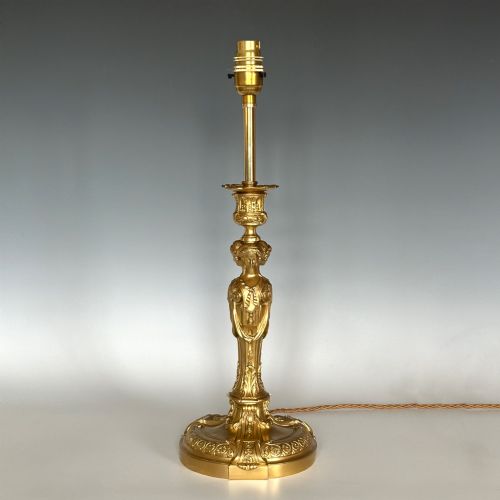
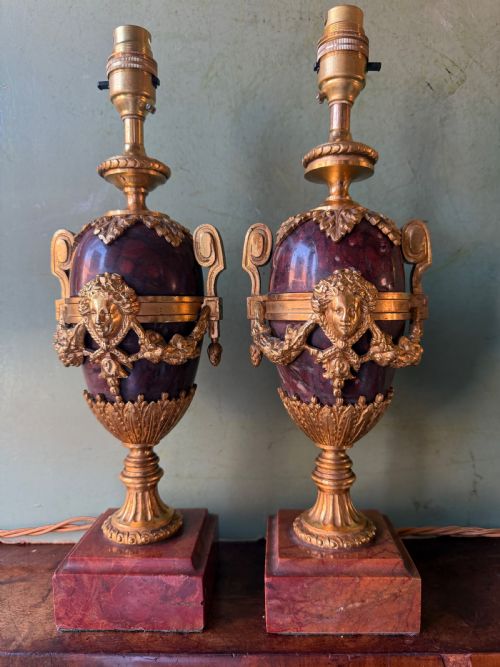
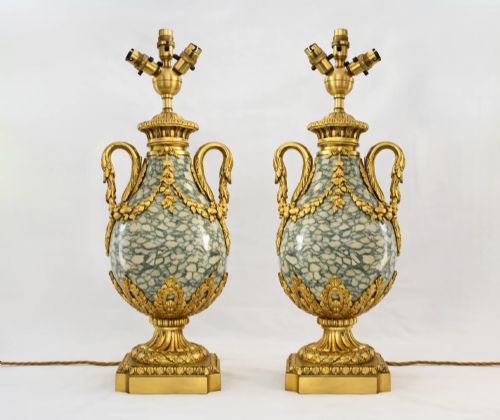
A neoclassical bronze table lamp draws on classical architectural motifs like columns, urns, and mythological figures, fashioned from heavy metal alloys. These pieces frequently appear in French styles, particularly Louis XVI and Empire designs, rooted in the nineteenth century and early twentieth century. Buyers encounter column lamps, cassolettes, and figural bases that repurpose classical forms for domestic lighting.
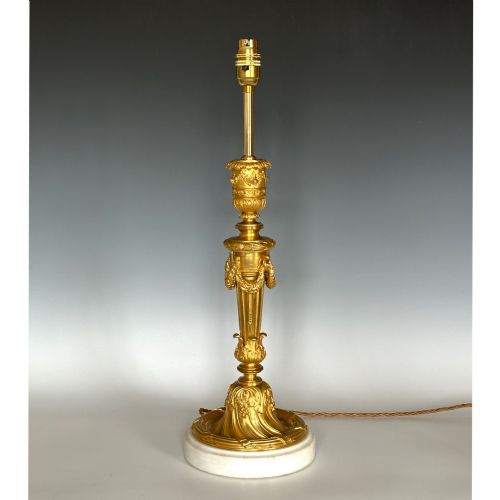
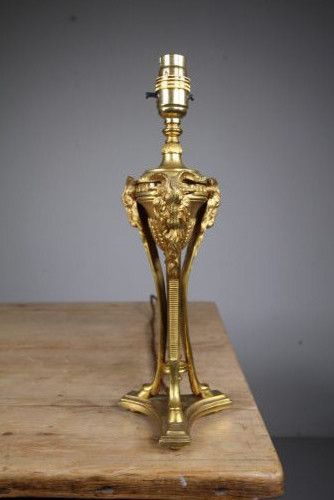
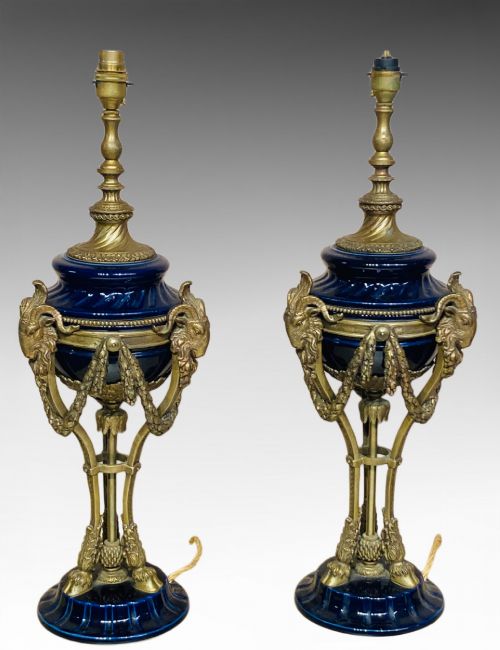
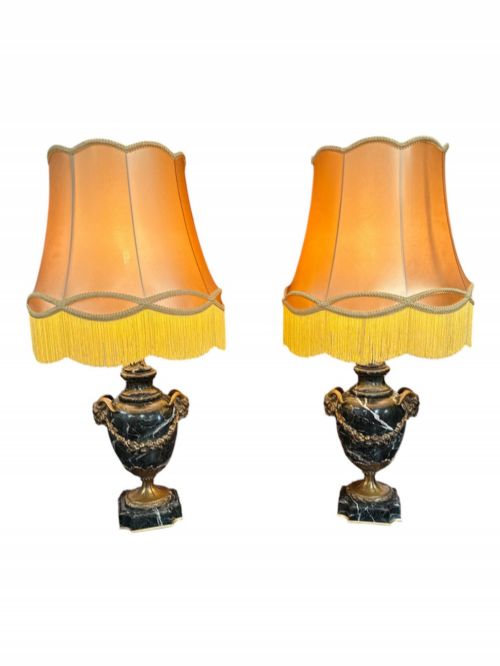
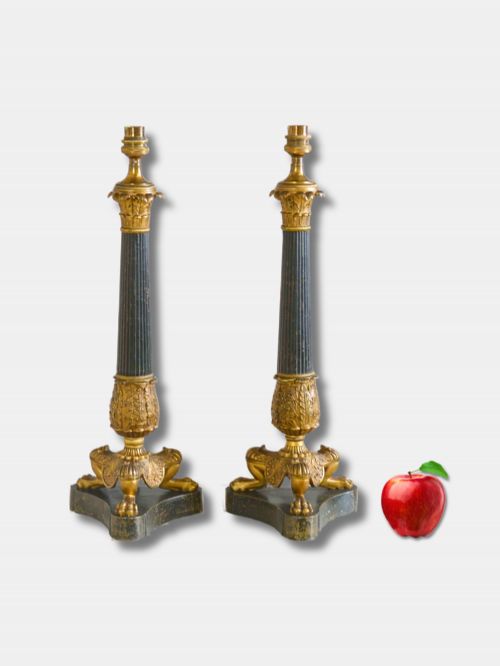
The assortment on this page leans heavily toward French production, featuring ormolu mounts and marble plinths alongside patinated bronze figures. English Regency examples also appear, often incorporating gilt bronze or carved columns. Forms range from single candlesticks converted to electricity to monumental pairs incorporating rams heads and lions paw feet.
Materials and construction
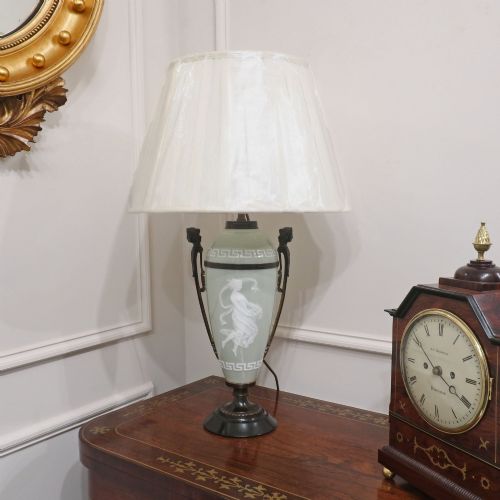
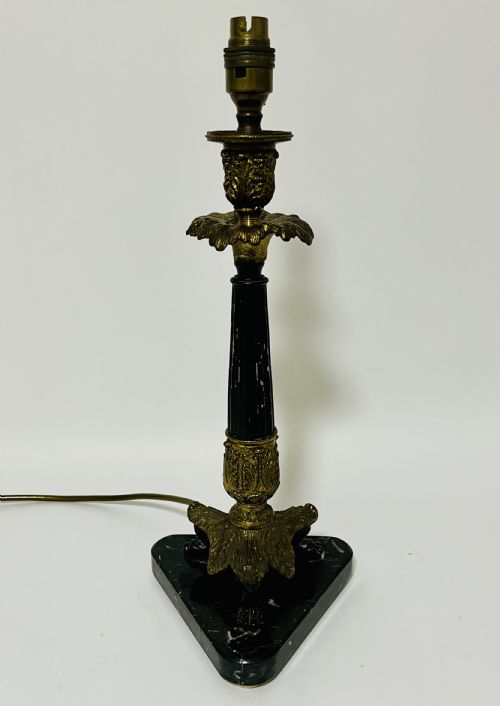
Makers utilised cast bronze, patinated or gilded with ormolu, combined with white or rouge marble bases and porcelain elements like pate sur pate. The metal components required skilled founding, chasing, and fire-gilding techniques to achieve sharp detail on acanthus leaves, figures, and fluted columns.
Stonework and marble were turned on lathes and polished, then drilled for wiring during later conversions, while fabric and silk shades were added to complete the lighting fixtures.
Neoclassical Bronze Table Lamp Retail Price Guide 2026
Typical asking prices for neoclassical bronze table lamp among the pieces listed under this phrase on Sellingantiques today, from the lower quarter to the upper quarter. They describe what is for sale here now, not the wider market.
Listings feature materials such as ormolu, patinated bronze, marble, and silk, spanning the nineteenth century through the 1940s.
Judging the work
The integration of materials dictates distinction, such as the seamless fit of cast mounts onto turned marble urns or columns, alongside the proportion of the classical figures relative to their plinths.
Jean Jules Cambos·Jean Demosthene Dugourc
The Neoclassical Bronze Table Lamp Glossary
- Ormolu
- A gilded bronze technique involving mercury and gold applied to a copper-alloy base. This process creates a warm, enduring golden finish characteristic of French decorative metalwork.
- Cassolette
- A decorative vessel shaped like an urn, often reversible with a lid that reveals a burner or a hollow interior. In lighting, these vessels form the body of the lamp base.
- Empire
- A decorative style spanning the early nineteenth century defined by Roman and Greek military motifs, heavy cast bronze, and classical emblems.
- Louis XVI Style
- An aesthetic marked by straight lines, symmetry, classical restraint, and delicate ornament such as ribbons, fluting, and acanthus leaves.
- Pate sur pate
- A ceramic decorating technique where liquid clay is applied in successive layers to a contrasting body, creating a low-relief cameo effect.
Neoclassical Bronze Table Lamp: Frequently Asked Questions
How do I wire an antique lamp safely?
Most antique lamps require rewiring to meet modern electrical standards, which involves replacing old cords and lamp holders while preserving the original metal body.
A qualified electrician can thread modern wire through the central channel of a bronze column or urn without damaging the historic metalwork or marble.
Are these lamps French or English?
The majority of these pieces originate from France, following Louis XVI, Empire, or general neoclassical aesthetic traditions using ormolu and marble.
A smaller number of pieces originate from England, typically displaying Regency period characteristics such as gilt-bronze mounts and column forms.
What periods do these lamps date from?
The listings encompass nineteenth-century production alongside early twentieth-century revivals dating up to the 1940s.
Earlier examples from around 1800 reflect Regency or Empire eras, while later pieces adopt eighteenth-century French revival styles.
How should I clean bronze and ormolu?
Dust bronze and ormolu gently with a soft, dry cloth to prevent the accumulation of dirt in the chased recesses of the metal.
Avoid chemical polishes or abrasive cleaners, which can strip away the historic gilding or patination entirely.