



Neoclassical Bronze Male Nude
A neoclassical bronze male nude brings classical antiquity straight into the study, offering finely cast figures of gods, athletes, and mythological subjects.
Neoclassical Bronze Male Nude
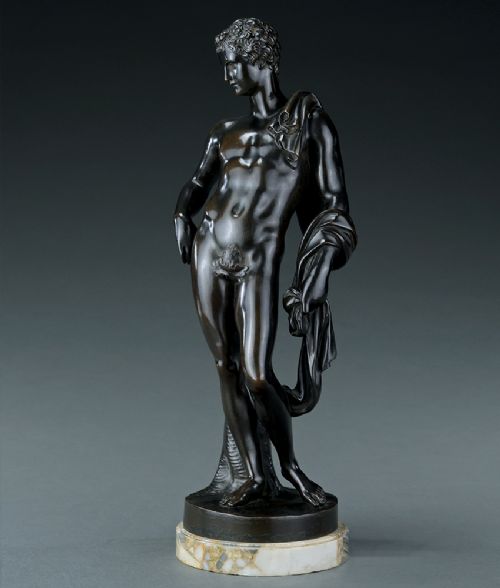
When you search for a neoclassical bronze male nude, you find sculptural reductions of ancient Greek and Roman statuary that Victorian travellers collected on their travels across Europe. These figures represent mythological deities and classical heroes such as Narcissus, Bacchus, Dionysus, and the Belvedere Antinous.
The versions you meet most frequently on this page date from the nineteenth century, including specific decades such as the eighteen-eighties and eighteen-nineties. They take the form of cabinet bronzes and library figures cast to sit upon desks, mantelpieces, and bookshelves.
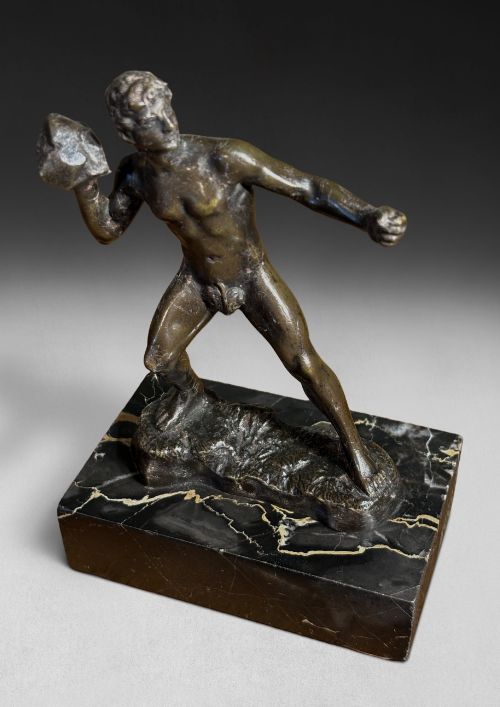
Many examples emerge directly from the Grand Tour tradition, capturing the fascination of nineteenth-century collectors with classical sculpture excavated in Italy and Greece. Alongside mythical figures, you encounter representations of athletes like the ancient Greek shot putter and classical wrestlers.
How they were made
Neoclassical Bronze Male Nude Retail Price Guide 2026
Typical asking prices for neoclassical bronze male nude among the pieces listed under this phrase on Sellingantiques today, from the lower quarter to the upper quarter. They describe what is for sale here now, not the wider market.
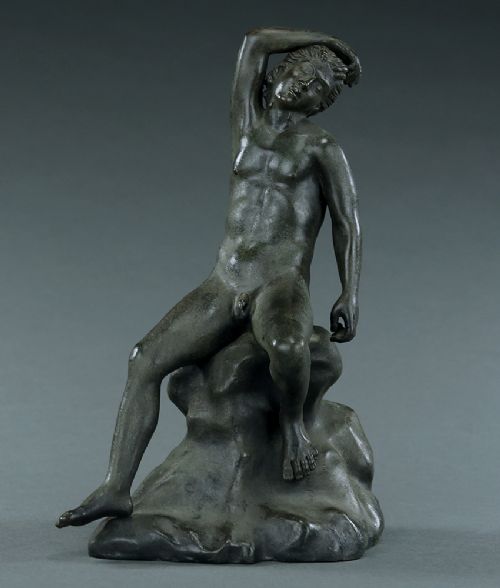
A sleeping faun rests quietly among the athletes and gods, caught mid-nap after a long day of classical revelry.
What varies in quality
The distinction between average and exceptional casting lies in the crispness of the chisel work and the depth of the chasing across the bronze surface. Finer casts preserve the tension in the muscles and the subtlety of expression on the faces of figures like Narcissus or the sleeping faun.
Surface patination also drives the character of the piece, where softly shaded dark patinas or controlled green verdigris enhance the sculptural form rather than obscure it. Furthermore, the quality of the supporting marble or stone base contributes significantly to the overall presence of the object.
The Neoclassical Bronze Male Nude Glossary
- Grand Tour
- A traditional journey through cultural centres of Europe undertaken by young upper-class men in the eighteenth and nineteenth centuries to study classical art.
- Patina
- The surface coloration and sheen acquired by bronze either through natural ageing or deliberate chemical treatment applied by the founder.
- Verdigris
- A green crust or patina formed on bronze and copper surfaces through atmospheric oxidation, often deliberately simulated on nineteenth-century copies.
- Chasing
- The manual finishing of a raw metal casting using small punches and hammers to sharpen details and remove surface imperfections.
Neoclassical Bronze Male Nude: Frequently Asked Questions
What is a Grand Tour bronze?
A Grand Tour bronze is a small-scale replica of a famous classical sculpture purchased by nineteenth-century travellers visiting European heritage sites. These reductions allowed collectors to bring museum masterpieces into their private homes.
Foundries in Italy and France produced these figures specifically for the tourist market, ensuring high standards of craftsmanship and classical accuracy.
Who are the figures depicted?
The subjects are drawn primarily from Greek and Roman mythology and classical sculpture discoveries. You commonly encounter figures of Narcissus, Bacchus, Dionysus, sleeping fauns, and ancient athletes.
These identities derive from famous antiquities housed in European collections, such as the Vatican museums or the Naples National Archaeological Museum.
How do I display these bronzes?
These sculptures suit placement on library desks, wooden sideboards, and mantelpieces where their tactile surfaces can be appreciated up close. They require stable, flat surfaces away from excessive moisture to preserve the metal patination.
Allowing adequate light to fall across the bronze highlights the musculature and the varying tones of the green or dark patination.
How do I date a nineteenth-century bronze?
Dating relies on stylistic clues, the character of the bronze alloy, the depth of the chasing, and the nature of any associated marble bases. Nineteenth-century examples often exhibit specific patination styles popular during the Victorian era.
Examining the underside of the casting and the attachment methods of the figure to its plinth provides further indications of its period of manufacture.