



Classical Greek Bronze Figure
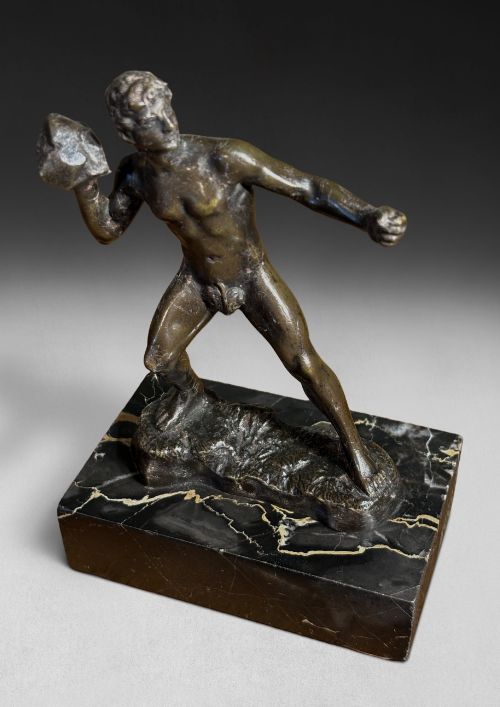
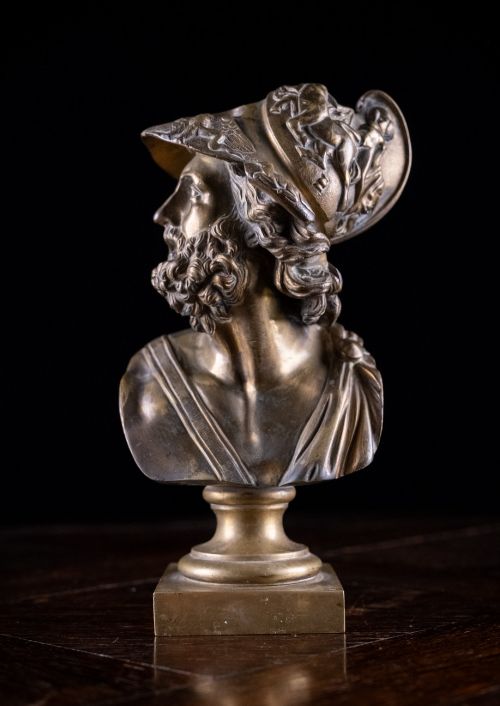
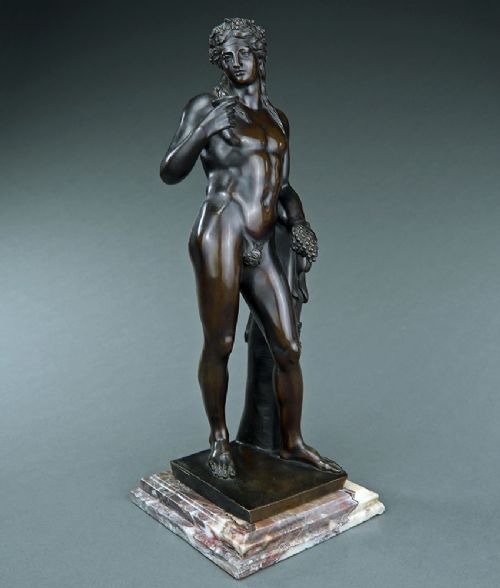
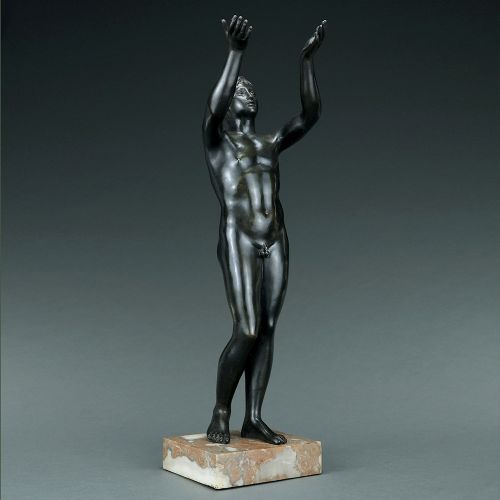
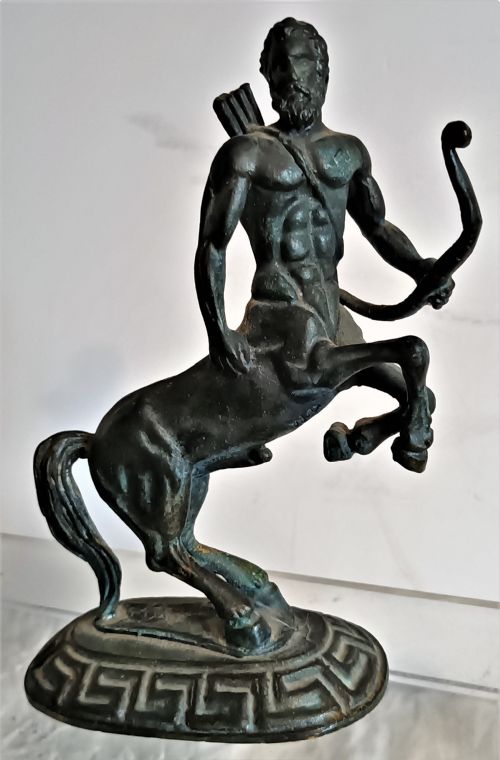
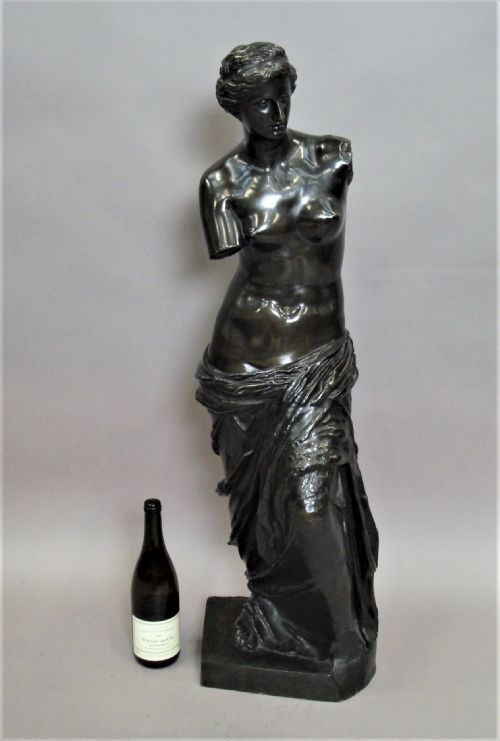
A classical greek bronze figure brings antiquity into a room, cast during the nineteenth century as a souvenir of the Grand Tour or revival study.
Classical Greek Bronze Figure
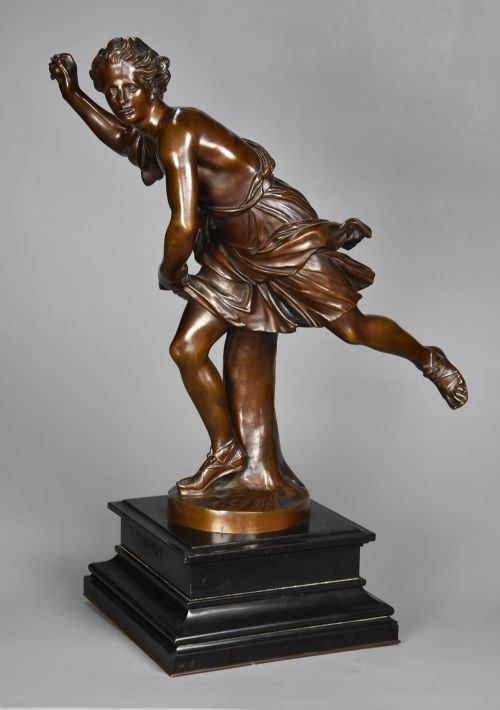
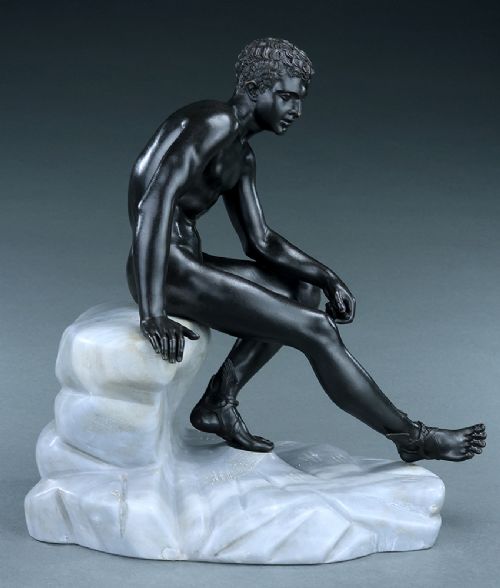
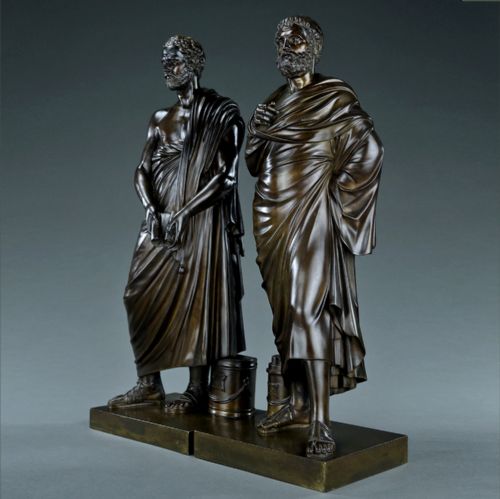
A classical greek bronze figure translates ancient mythological and historical subjects into nineteenth-century tabletop sculpture. These works take the form of standing deities, seated philosophers, mythological heroes, and athletes after celebrated classical prototypes.
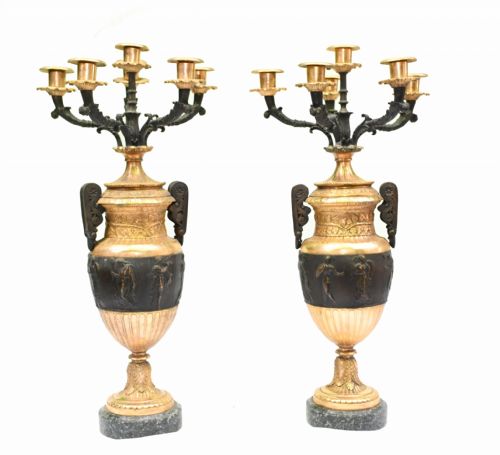
Grand Tour souvenirs dominate the selection, produced in workshops across Europe to satisfy collectors travelling through classical sites. Pieces range from small cabinet figures to substantial candelabra mounts and busts paired with marble or onyx bases.
Materials and casting methods
Foundries utilised traditional metalcasting techniques to shape bronze, patinated bronze, and gilt bronze, often highlighting details with ormolu. Surfaces received chemical patination to simulate excavated ancient metal or were polished and gilded for decorative contrast.
Sculptures frequently incorporate mixed media elements, mounting the metal figures upon plinths of grey marble, onyx, ebonised wood, and brass.
Classical Greek Bronze Figure Retail Price Guide 2026
Typical asking prices for classical greek bronze figure among the pieces listed under this phrase on Sellingantiques today, from the lower quarter to the upper quarter. They describe what is for sale here now, not the wider market.
Pan plays his pipes directly to an attentive fawn across a charming nineteenth-century bronze pastoral scene.
Distinctions in craftsmanship
The choice of secondary materials elevates certain examples, particularly where integrated marble bases, fine ormolu mounts, or named foundry signatures indicate higher workshop standards.
Barbedienne·Louis Garnier·Eugene Barillot·Messina Roma
The Classical Greek Bronze Figure Glossary
- Grand Tour
- A traditional trip of Europe undertaken by upper-class European young men of sufficient means flourished during the eighteenth and nineteenth centuries. Souvenirs collected along the way included bronze reductions of classical sculpture.
- Patinated bronze
- Metal treated with chemical solutions to produce a specific surface colour or aged finish. This process protects the bronze while mimicking the appearance of antiquity.
- Ormolu
- Finely ground high-carat gold applied to a bronze object using a mercury amalgam technique. The process creates a rich golden surface finish popular in nineteenth-century decorative arts.
- Reduction
- A smaller copy of a larger sculpture, created accurately through mechanical measuring or skilled modeling. These reductions made famous museum antiquities accessible for domestic display.
- Neo-Grec
- A nineteenth-century French architectural and decorative style drawing inspiration from ancient Greek art. It combined classical motifs with contemporary nineteenth-century manufacturing methods.
Classical Greek Bronze Figure: Frequently Asked Questions
What is a Grand Tour bronze?
A Grand Tour bronze is a nineteenth-century souvenir cast after an ancient Greek or Roman sculpture. Travellers purchased these miniature figures while visiting classical sites in Italy and Greece.
Foundries in Paris, Rome, and London produced these reductions to serve as cabinet sculptures and decorative objects for European homes.
How do I identify the subject of a figure?
Subjects typically derive from Greek mythology and classical literature, identifiable through specific attributes such as wings, helmets, or instruments. Figures like Hermes carry winged sandals, while Athena appears with arms raised for battle.
Inscribed titles on the base or comparisons with known classical prototypes help confirm the specific mythological figure or philosopher represented.
Are these figures solid bronze?
Many nineteenth-century cabinet bronzes are hollow-cast to reduce weight and metal usage. Foundries employed the lost-wax method or sand casting to achieve thin, uniform metal walls.
Heavier weight in a piece often comes from the attached stone or marble base rather than a solid metal body.
How should I clean a patinated bronze?
Cleaning requires only gentle dusting with a soft, dry cloth to remove surface particles. Moisture and chemical polishes will damage the historical patina.
Preserving the original surface finish maintains the character and historical integrity of the nineteenth-century casting.