


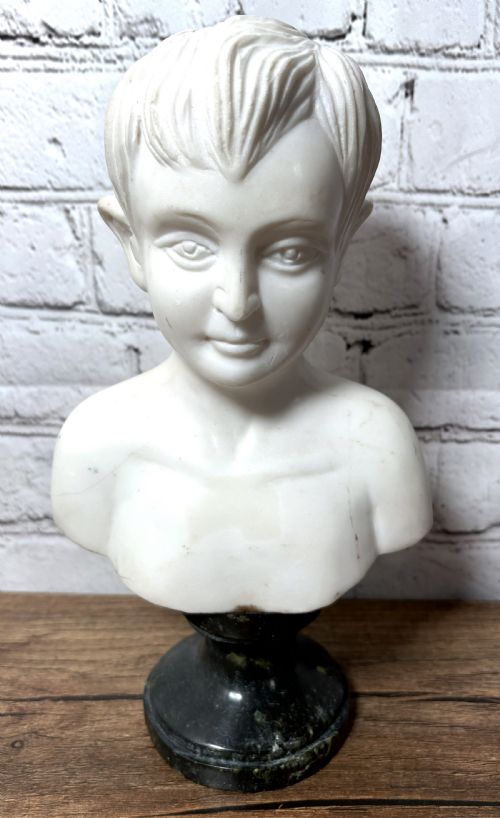


Neoclassical Alabaster Sculpture
Neoclassical alabaster sculpture brings classical antiquity into interiors through carved figures, busts, and decorative vessels.
Neoclassical Alabaster Sculpture
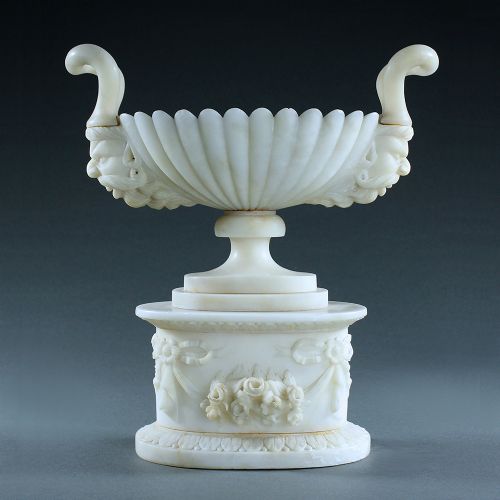
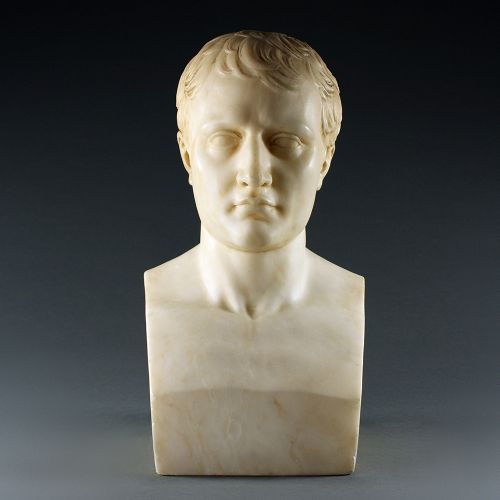
Neoclassical alabaster sculpture comprises carved figures, portrait busts, profile plaques, and functional objects such as tazzas and clock sets. These pieces draw heavily on classical antiquity and the Grand Tour tradition, translating ancient forms into 18th, 19th, and early 20th century domestic decoration.
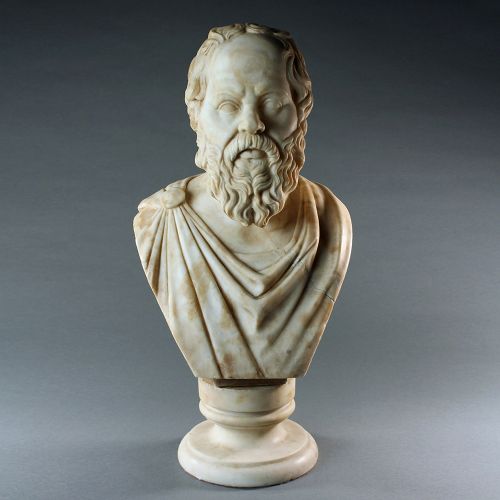
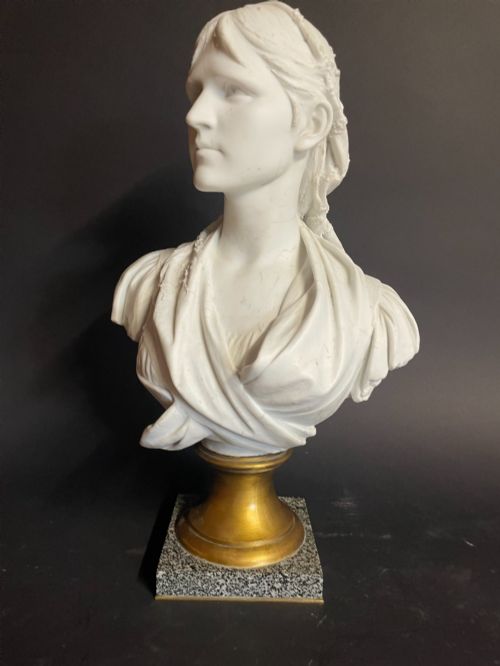
The versions most commonly met on this page are 19th-century Italian and French interpretations of classical subjects. They range from library busts of philosophers and poets to carved figures of women, children, and mythological subjects produced across the 1800s and early 1900s.
What varies in quality
Quality in these sculptures rests upon the precision of the carving and the sensitivity with which human form and expression are rendered. Finer pieces demonstrate mastery in the handling of drapery folds, hair texture, and subtle facial musculature.
The choice of material and the crispness of execution separate standard decorative workshop output from more ambitious sculptural representations. Pieces linked directly to named makers or established workshops often display greater depth in undercutting and polishing.
Neoclassical Alabaster Sculpture Retail Price Guide 2026
Typical asking prices for neoclassical alabaster sculpture among the pieces listed under this phrase on Sellingantiques today, from the lower quarter to the upper quarter. They describe what is for sale here now, not the wider market.
Etienne Maurice Falconet·Joseph Gott·Pugi
The Neoclassical Alabaster Sculpture Glossary
- Alabaster
- A fine-grained stone used for carving sculptures and decorative objects, valued for its translucency and soft texture. It allows for delicate surface details and subtle play of light across the carved form.
- Grand Tour
- A cultural journey undertaken by wealthy young Europeans to visit classical sites in Italy and acquire art. Souvenirs from these travels included carved alabaster and marble busts, tazzas, and architectural models.
- Tazza
- A shallow ornamental cup or vase raised on a stem and foot, frequently carved from alabaster or marble. These vessels often served as decorative centrepieces on side tables and mantelpieces.
- Profile plaque
- A low relief carving depicting a subject in side profile, mounted on a contrasting background. Common examples include classical poets and historical figures rendered in white marble or alabaster.
Neoclassical Alabaster Sculpture: Frequently Asked Questions
What is neoclassical alabaster sculpture?
Neoclassical alabaster sculpture encompasses carved stone figures, portrait busts, profile plaques, and decorative vessels produced across the nineteenth and early twentieth centuries. These works imitate or adapt ancient Greek and Roman art forms for domestic interiors.
Subjects range from classical philosophers and mythological figures to literary heroes and idealized portraits. They reflect the enduring influence of the Grand Tour and the revival of classical taste in European homes.
How were these sculptures displayed originally?
These pieces were typically displayed on mantelpieces, pedestals, plant stands, and library tables within formal reception rooms. Smaller busts and tazzas decorated furniture tops, while larger figural groups and columns stood independently.
Clock sets incorporating alabaster sculptures combined utility with display, occupying prominent positions on drawing room mantelpieces beneath protective glass domes.
How do I care for alabaster sculptures?
Alabaster is a relatively soft and porous stone that requires careful handling and dry cleaning methods. Dusting should be performed gently with a soft, dry cloth without the use of water or chemical cleaning agents.
Because moisture and oils can stain or dissolve the surface, these sculptures should be kept away from damp environments and handled infrequently with clean hands.
How can I distinguish periods within these sculptures?
Distinguishing periods involves examining the carving style, mounting details, and associated materials such as brass fittings or French clock movements. Pieces dating from the eighteenth and early nineteenth centuries often reflect stricter adherence to classical proportions.
Later nineteenth-century and Edwardian examples introduce varied patination, mechanical components like clock sets, and distinct pedestal forms that reflect changing interior decoration trends.