



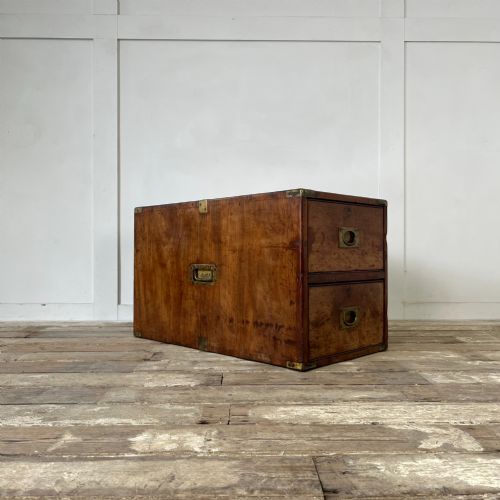



Naval Campaign Furniture
Naval campaign furniture comprises portable wooden pieces built for officers on the move, offering clever storage and dismantling designs that suit modern compact living.
Naval Campaign Furniture
Naval campaign furniture consists of practical pieces designed to dismantle easily for transport by sea or land during military operations. Buyers searching for naval campaign furniture encounter forms ranging from chests of drawers and secretaire chests to campaign tables, trunks, and desks.
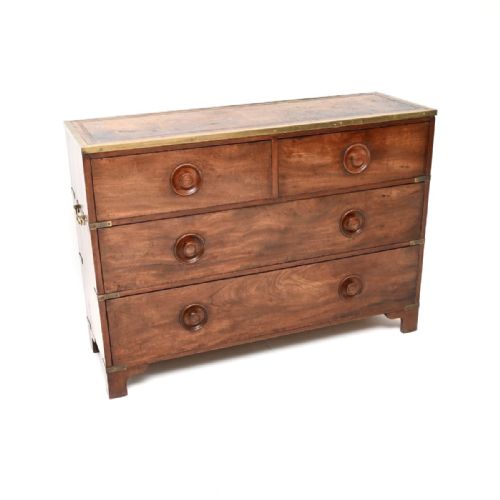
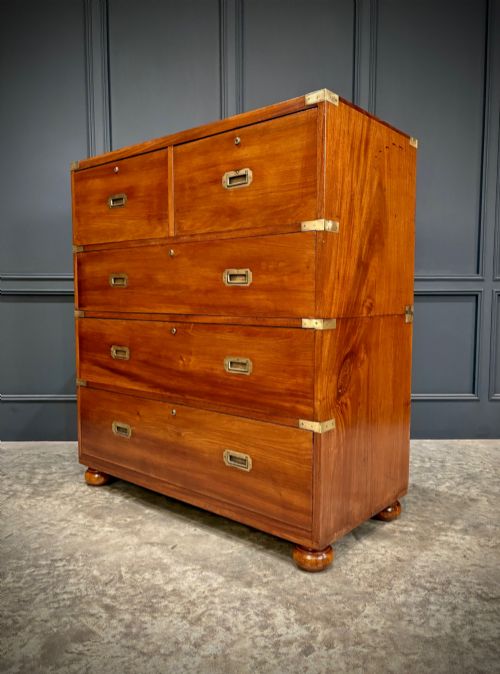
The pieces on this page span the eighteenth, nineteenth, and early twentieth centuries, encompassing Georgian, Victorian, and Edwardian eras. Chests of drawers built in two separate stacking sections dominate the selection, often featuring recessed brass handles and corner brackets.

Materials and construction
Craftsmen built naval campaign furniture using dense, durable timbers such as mahogany, teak, and camphor wood to resist warping and insect damage during tropical voyages. Solid teak and camphor wood frequently appear alongside mahogany, often paired with contrasting ebony details.
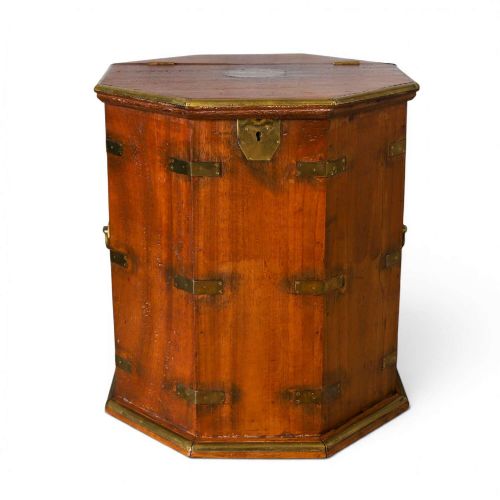
Makers reinforced vulnerable corners and edges with brass binding and flush-mounted recessed handles to prevent snagging during transit and handling. Drawers and desks frequently separate into distinct modular sections held together by robust brass pins and locking mechanisms.
Captain James John Stopford RN once owned a Royal Navy campaign cabinet listed here.
Assessing quality
Quality in naval campaign furniture rests upon the precision of the brass hardware fittings and the tightness of the joinery where modular sections meet. Superior pieces retain original recessed handles, working locks with matching keys, and cleanly fitted internal writing drawers.
The choice of timber grain and the integrity of the secondary woods inside the drawers distinguish high-grade workshops from standard utilitarian production. Finer examples exhibit thoughtful secondary compartments, secret drawers, and seamless two-part stacking alignment.
The Naval Campaign Furniture Glossary
- Secretaire chest
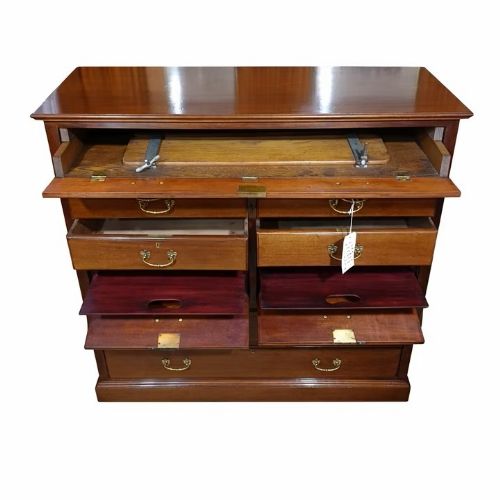
- A chest of drawers featuring a dedicated top drawer that pulls down to reveal a writing surface and small pigeonholes. This hybrid form combined clothes storage with a compact officer's desk.
- Two-part chest
- A modular cabinet built in separate upper and lower sections designed to stack securely together. This construction halved the weight and bulk for easier loading onto transport vessels.
- Recessed handle
- A metal pull inset flush into the drawer front or wooden panel so it does not protrude. This prevented snagging on ropes and allowed tight packing inside ship cabins.
- Camphor wood
- An aromatic timber prized for its insect-repellent properties and distinct fragrance. It was widely used for trunks and chests protecting woollens and uniforms at sea.
- Brass binding
- Metal strips screwed around the corners and edges of a trunk or chest to absorb impacts. It protected the wooden structure during rough handling in military campaigns.
Naval Campaign Furniture: Frequently Asked Questions
How were campaign chests used?
Campaign chests served as mobile wardrobes and writing desks for officers living in cramped ship cabins or temporary quarters. The drawers held uniforms and personal belongings while travelling between postings.
Many examples incorporated folding writing slopes or secretaire drawers allowing officers to manage paperwork and correspondence on board. The two-part design enabled easy movement through narrow hatchways and tight spaces.
Why use camphor wood for chests?
Camphor wood naturally repels moths, silverfish, and other insects that damage textiles in humid maritime climates. The dense timber also resists moisture absorption and decay.
Makers utilised its oily grain for trunks and blanket chests intended to protect wool uniforms and linen during long sea voyages. The distinctive aromatic scent remained a defining characteristic of these pieces.
How do I date a campaign chest?
Dating relies on observing construction methods, timber choices, and hardware styles across different historical periods. Georgian and early nineteenth-century pieces often display hand-cut dovetails and simpler brass mounts.
Victorian examples frequently feature heavier brass binding, screw-in feet, and two-part modular construction in mahogany or teak. Edwardian and later pieces show machine-made precision and variations in secondary woods.
Where does teak appear in campaign pieces?
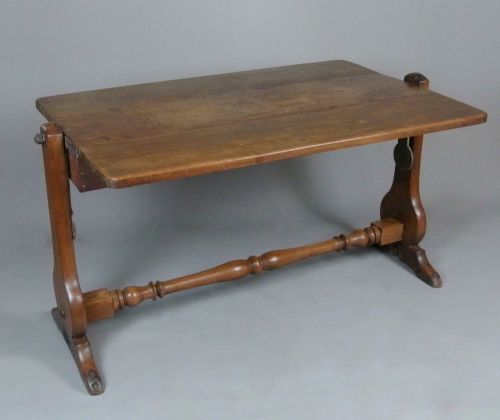
Teak appears predominantly in furniture destined for naval use due to its natural oil content and resistance to saltwater rot. Ship’s tables and merchants trunks frequently utilise solid teak for maximum durability.
This dense hardwood endured extreme deck conditions without splitting or degrading. Its natural weather resistance made it the primary choice for maritime environments.