


Vintage Military Furniture
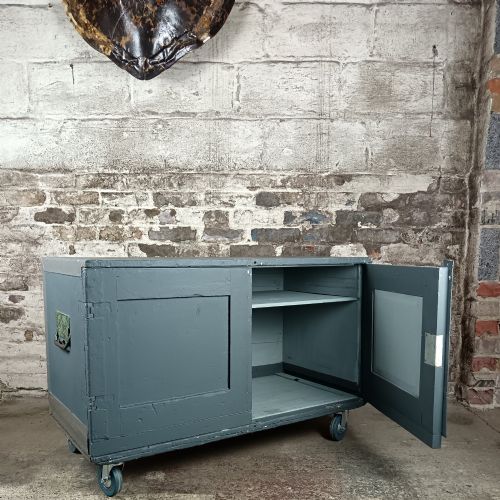
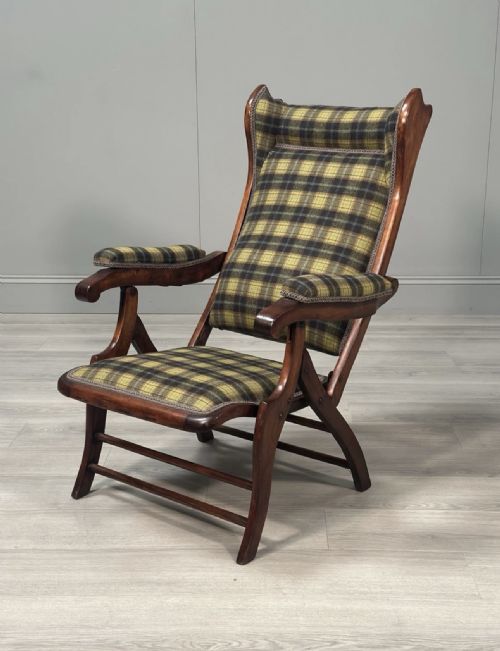
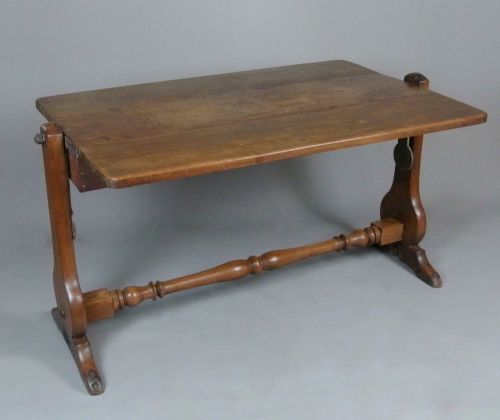
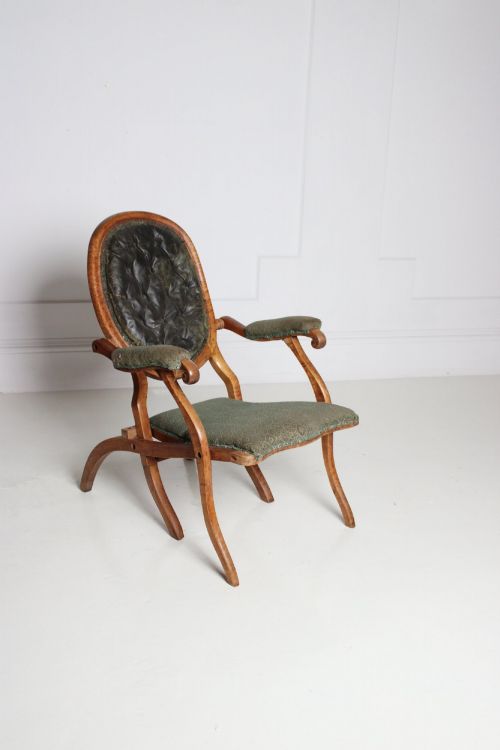
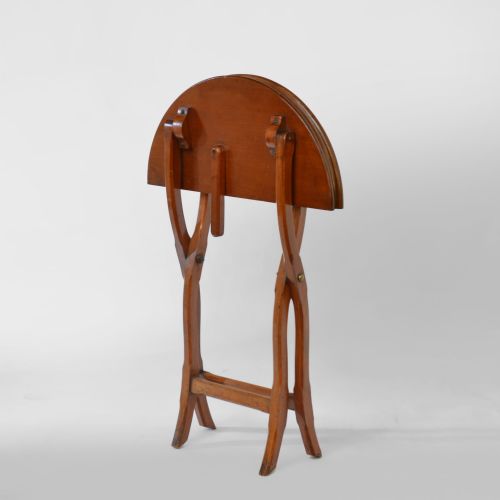
These vintage military furniture pieces are robust, cleverly folding chests, desks, and chairs designed for transport by officers on active service.
Vintage Military Furniture
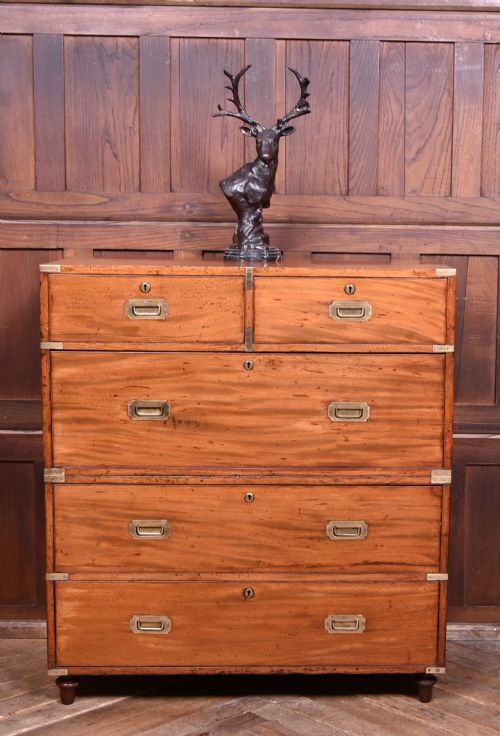
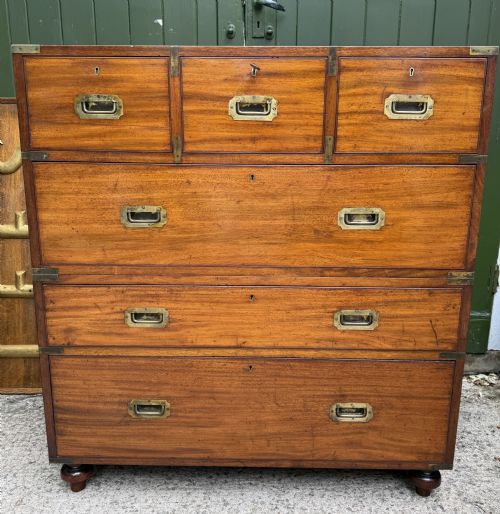
Vintage military furniture comprises portable utilitarian pieces built for officers on campaign across the nineteenth and early twentieth centuries. These items are engineered to dismantle or fold cleanly into compact units for transport on horseback, wagon or ship.
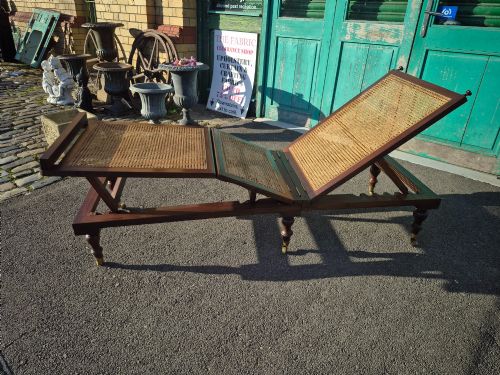
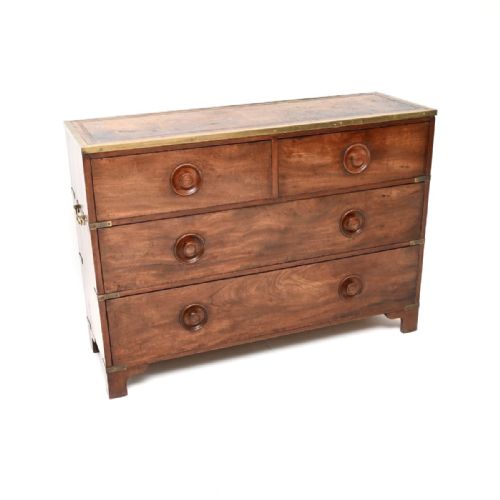
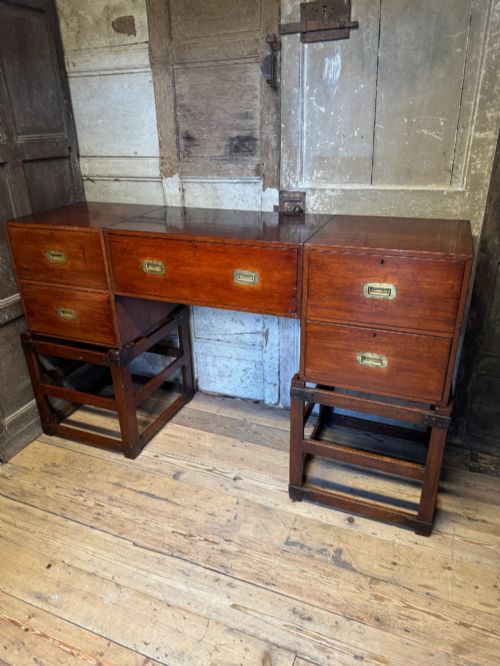
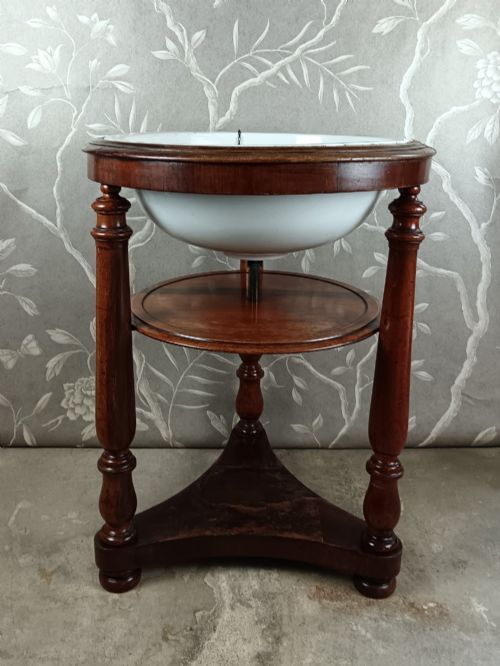
The most common form encountered here is the two-part campaign chest of drawers, alongside folding armchairs, washstands, and occasional tables. Materials reflect the need for durability in harsh climates, favouring dense tropical timbers.
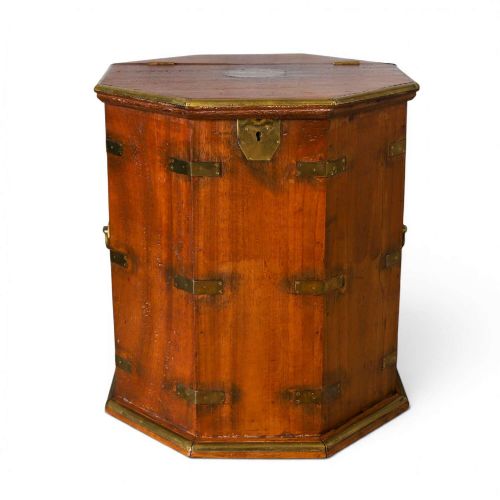
The aesthetic is defined by flush brass corners, recessed drop handles, and sectional construction designed to protect corners and edges during transit. Every joint and fitting serves the practical purpose of easy assembly and dismantling.
Materials and construction methods
Carpenters built these pieces using dense, moisture-resistant timbers such as mahogany, teak, and camphor wood to withstand tropical humidity and rough handling. Grain patterns varied, but the primary requirement was structural stability under duress.
Brass corners, straps, and corner brackets were screwed firmly into the wood to absorb impact and reinforce joints during repeated packing. Recessed brass handles ensured that no protruding hardware caught on ropes or canvas covers.
Many chests utilised a two-part stacking system held together by internal brass securing pins, allowing a tall set of drawers to separate into manageable single boxes. Folding mechanisms on chairs and tables relied on clever pivoting hinges and cross-bracing.
Portable shaving mirrors and boot jacks prove that even on active campaign, an officer still insisted on a clean shave and polished footwear.
Variations in quality and execution
Quality separates utilitarian supply-contract items from bespoke officer commissions produced by reputable makers. Superior pieces display meticulous secondary wood selection inside drawer linings and precise, hand-cut dovetail joints.
The gauge of the brass hardware and the quality of the engraving on escutcheons often indicate the tier of the original commission. Heavier, solid brass mounts countersunk flush into the timber represent higher craftsmanship than thin plated substitutes.
Integrity of the original dismantling mechanisms and the presence of matching numbered parts across sectional halves determine the structural fidelity. Pieces retaining their original locking mechanisms and keys command greater appreciation among collectors.
Army & Navy·J. Herbert McNair·JW Allen·Allen of London
The Vintage Military Furniture Glossary
- Campaign chest
- A sectional chest of drawers built in two or more stacking parts with recessed handles for transport. These units were designed to be locked and loaded onto transport animals with minimum fuss.
- Two-part chest
- A cabinet constructed as two distinct upper and lower boxes that lock together when stacked. This configuration halved the weight and bulk for officers on the move.
- Recessed handle
- A pull handle inset into a flush brass plate so it does not project beyond the furniture face. This prevented snagging during loading and transit.
- Camphor wood
- An aromatic timber frequently used for campaign trunks and chests to repel insects. Its distinctive scent protected stored uniforms in tropical postings.
- Brass binding
- Flat brass strips screwed around the outer edges and corners of campaign furniture to absorb impact. It reinforces the carcase against the rigours of active service.
Vintage Military Furniture: Frequently Asked Questions
Why did military officers own collapsible furniture?
Officers on campaign required functional living quarters that could be packed up rapidly when orders arrived to move camp. Standard domestic furniture was too fragile and bulky for transport across rough terrain.
Craftsmen engineered specialist pieces that folded flat, nested together, or separated into modular boxes. This allowed officers to maintain a measure of civilized comfort during long postings abroad.
How do I identify a genuine campaign chest?
Look for sectional construction where the carcase divides horizontally into two separate boxes, fitted with flush brass carrying handles on the sides. The corners and edges should feature brass brackets to protect the timber from heavy knocks.
Drawer interiors should show clean dovetail construction, often in secondary woods like oak or pine. The presence of threaded brass bolts or pins that lock the upper and lower sections together is a definitive sign.
What woods were used for military furniture?
Makers favoured dense hardwoods that resisted warping and insect attack in tropical climates. Mahogany was widely utilised for officer commissions throughout the nineteenth century.
Teak and camphor wood appear frequently in pieces originating from colonial postings in India and the East. Camphor wood was particularly prized for sea trunks because its strong scent deterred moths.
How should I care for vintage campaign pieces?
Keep these items away from direct heat sources and drastic humidity changes to prevent the timber from splitting or shrinking. Apply a traditional beeswax polish occasionally to nourish the wood and maintain the surface sheen.
Take care when moving sectional chests by separating the parts rather than lifting the whole loaded unit. Ensure brass fittings remain dry to avoid verdigris buildup on the metalwork.